Slip Disc vs Muscle Strain: How to Know the Difference

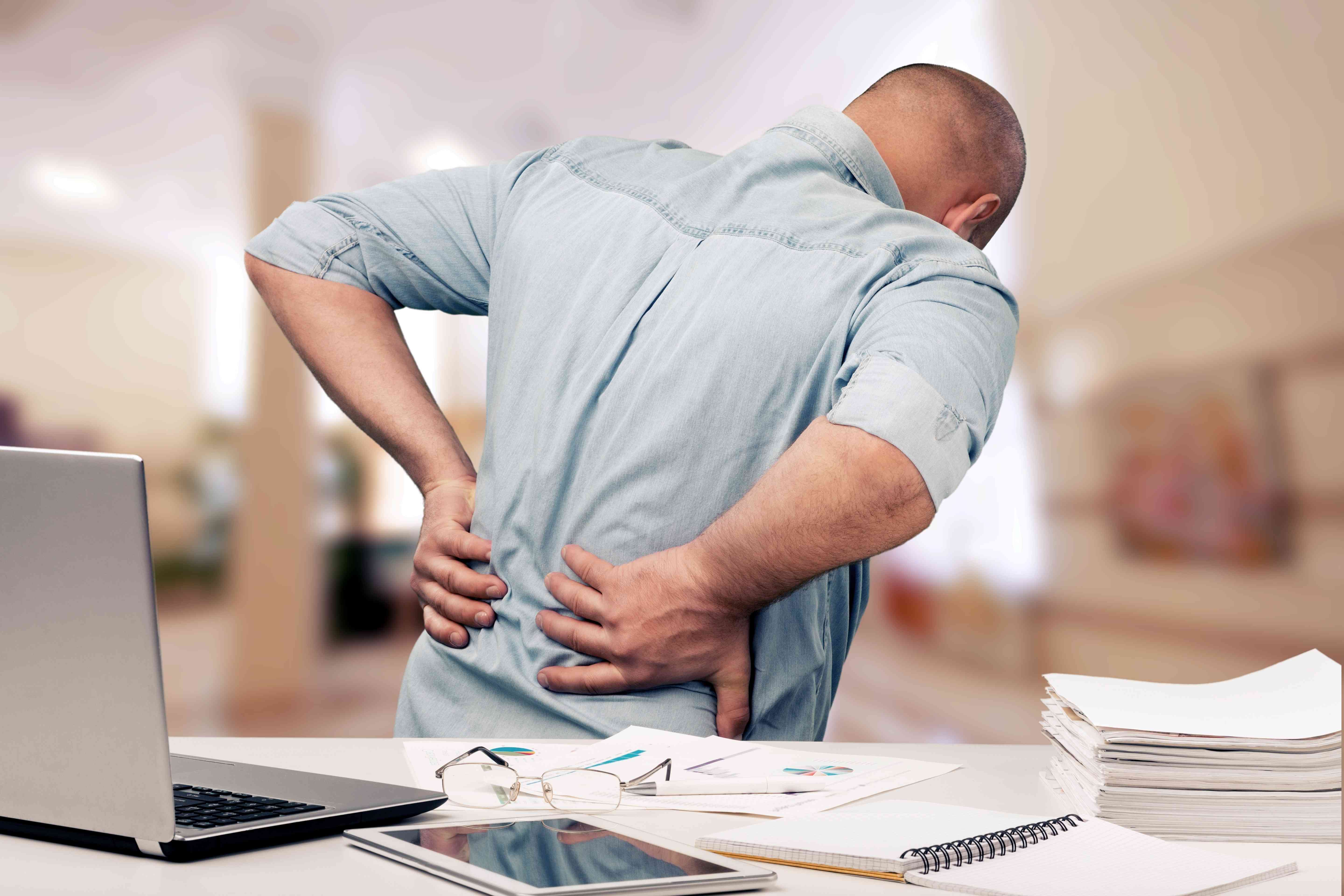
Young woman holding her lower back due to severe back pain
Back pain is one of the most common reasons for people to visit an orthopedic specialist. Back pain shows various types of manifestations. Two of the most frequent causes are slip disc and muscle strain. Many patients confuse one for the other.
The understanding of the distinction matters because it leads to completely different treatment methods. The identification of your condition as either slip disc or muscle strain will guide you towards appropriate treatment at suitable times when you suffer from ongoing back pain. Dr Ankur Singh in Noida regularly treats patients with both conditions and emphasizes early evaluation for faster recovery.
What Is a Slip Disc?
Slip disc is also known as herniated or prolapsed disc. It occurs when one of the cushioning discs between the bones of your spinal cord moves out of its normal position or bulges outwards.
How Does the Spine Work
Your spine consists of multiple vertebrae which are arranged in a vertical stack. The space between vertebrae contains a soft disc which functions as a shock-absorbing mechanism. The discs in your body enable you to perform bending and twisting and other movements with ease.
When a disc undergoes weakening or tearing, the inner gel-like material of the disc can proceed to bulge outside its normal boundaries. The bulging material of the disc creates pressure on adjacent nerves which results in both pain and additional symptoms.
Common Causes of Slip Disc
- Ageing
- Suddenly lifting heavy weights
- Improper posture
- Obesity
- Trauma or injury
The occurrence of slip disc affects people between 30 and 50 years but it can happen to anyone at any age.

Medical illustration showing herniated slip disc pressing on spinal nerves
What Is a Muscle Strain?
Muscle strain happens when the muscles or tendons in the back are overstretched or torn. The condition results from three main factors which include sudden movements, overuse and improper lifting techniques.
How Muscle Strain Happens
The back muscles provide support to the spine while assisting in the maintenance of correct bodily alignment. The muscles experience tiny tears which result in pain and stiffness when people push themselves beyond their physical limits.
Common Causes of Muscle Strain
- Sudden twisting or bending
- Lifting heavy objects with improper technique
- Prolonged sitting hours
- Poor or improper posture
- Intense physical activity without warm-up
Muscle strain is one of the most common causes of acute back pain that generally resolves within days to weeks with proper care.

Man holding his lower back after gym workout due to muscle strain
Slip Disc vs Muscle Strain: Key Differences
Both the conditions are known to cause back pain but the symptoms of the two differ from each other.
Nature of Pain
Slip Disc:
- Sharp or radiating pain in the back
- Pain which may travel down the leg (also known as sciatica)
- Burning sensation in the back
Muscle Strain:
- Dull or aching pain in the back
- Affects only a particular area in the lower back
- Pain gets worse with movement
Nerve Symptoms
Slip Disc:
- Numbness or tingling
- Legs show weakness
- Patients face challenges with standing long times
Muscle Strain:
- Patients don’t face any numbness in the back
- Patients don’t face any tingling in the back
- Patients don’t face any weakness in the back
The presence of back pain along with leg pain, tingling sensation or weakness symptoms indicates a higher chance of having a slip disc instead of a basic muscle strain.
Duration of Symptoms
Slip Disc:
- Pain lasts for several weeks or several months
- Needs medical treatment to be resolved.
Muscle Strain:
- Pain gets better within 1-3 weeks.
- Rest and physiotherapy create positive results for this condition
When Should You See a Doctor?
Usually mild muscle strain settles on its own. Though, certain symptoms require immediate attention. You should consult an orthopedic specialist like Dr Ankur Singh in Noida if you experience any of the following symptoms:
- Severe back pain that continues for more than 1 to 2 weeks
- Pain that extends from your back to your legs
- Numbness or tingling
- Muscle weakness
- Bladder control and bowel control difficulties
Early diagnosis can prevent complications and decrease the extent of permanent damage.
Diagnosis of Slip Disc and Muscle Strain
Clinical Examination
A detailed physical examination helps identify whether the pain is muscular or nerve-related. The pattern of pain and movement restriction provides valuable clues.
Imaging Tests
If slip disc is suspected, imaging tests may be advised:
- X-ray (to rule out bone issues)
- MRI (to confirm disc herniation)
Muscle strain usually does not require advanced imaging unless symptoms persist.
Dr Ankur Singh in Noida carefully evaluates each case before recommending tests, ensuring patients receive only necessary investigations.
Treatment Options
Treatment for Muscle Strain
- Rest for a short duration
- Ice or heat therapy
- Anti-inflammatory medications
- Physiotherapy
- Posture correction
Most muscle strain cases improve without surgery.
Treatment for Slip Disc
Treatment depends on severity:
Mild to Moderate Cases:
- Medications
- Physiotherapy
- Activity modification
- Core strengthening exercises
Severe Cases:
- Epidural injections
- Minimally invasive surgery (if nerve compression is significant)
Surgery is recommended only when conservative treatment fails or when there is significant nerve damage.
Can Slip Disc Be Prevented?
Yes, in many cases slip disc and muscle strain injuries can be prevented by simply changing habits. Here are a few you can implement in your lifestyle:
- Maintain correct posture
- Strengthen core muscles
- Avoid sudden heavy lifting
- Keep body weight under control
- Take breaks during long sitting hours
The better solution for back pain exists in prevention because it surpasses all treatment options.
Final Thoughts
Back pain should never be ignored because persistent back pain or back pain with nerve symptoms requires medical attention. Slip disc results in severe discomfort which leads to permanent damage when the condition remains untreated, while muscle strain produces temporary effects which will resolve with physiotherapy and rest.
You should visit an orthopedic specialist who has experience to determine whether your back pain results from slip disc or muscle strain. Dr Ankur Singh in Noida provides comprehensive evaluation and personalized treatment plans for all types of spine-related problems.
You can achieve a pain-free life through early diagnosis, correct treatment and guided rehabilitation.
Medical Disclaimer
The information provided on this website is for educational purposes only and should not be considered as medical advice. Please consult Dr. Ankur Singh or a qualified healthcare professional for personalized medical guidance.
Share this blog:
 Copy
Copy



Spine Surgery & Back Pain/front-view-doctor-explaining-anatomy-compressed.jpg)