Back Pain After Gym: Why It Happens and How to Prevent It

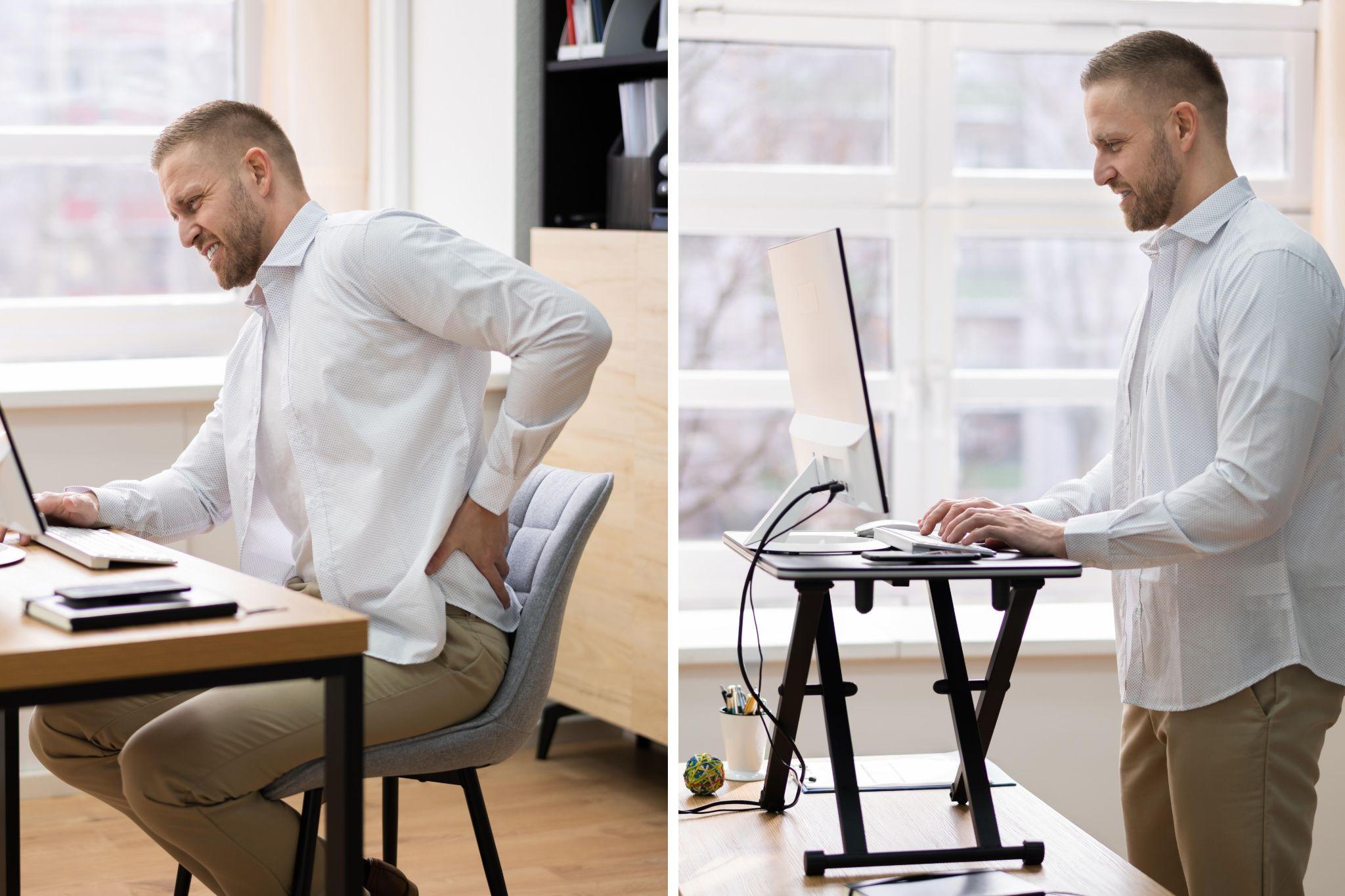
Man experiencing lower back pain after gym workout
Back pain after gym workouts is a common problem which beginner and regular fitness enthusiasts experience. Exercise strengthens your body but improper training and poor form lead to muscle strain and stiffness and injuries. Back pain from gym sessions requires immediate treatment because ignoring it will worsen the condition and disrupt daily life activities.
Understanding why back pain occurs after workouts and knowing how to manage it properly can help you continue exercising safely without long-term damage.
Is Back Pain After Gym Normal?
Mild soreness or stiffness in the back after gym workouts can be normal, especially if you have recently started exercising or increased workout intensity. This condition occurs because people experience delayed onset muscle soreness, which typically resolves within three days.
The body experiences normal back pain as long as it does not become severe or persistent. The body experiences pain which restricts movement and increases in intensity while also spreading to the legs. This pattern of symptoms requires evaluation by a healthcare professional.
Common Causes of Back Pain After Gym
Poor exercise form
Weightlifting or exercise execution with improper posture generates back discomfort which happens to be the most frequent reason that people experience back pain after their gym sessions. Deadlifts, squats, and bent-over rows become dangerous when people execute these exercises with rounded backs because this movement creates excessive force on their spine and adjacent muscles.
Lifting heavy weights too soon
Exceeding your weightlifting capacity results in back muscle and ligament problems. The body experiences these symptoms that include muscle strain and spasms together with stiffness after gym workouts.
Weak core muscles
The weak core muscles of a person fail to maintain proper spine support which is necessary for their workout activities. The absence of core muscle activation leads to lower back muscles taking over their function, which results in an increased probability of developing pain and injuries.
Sudden increase in workout intensity
When people increase their workout time and exercise frequency and workout resistance too rapidly they create excess pressure on their back muscles which results in back pain and exhaustion.
Poor warm-up or stretching
Muscle flexibility decreases when people skip warm-up exercises and post-workout stretching. People who have tight muscles face higher risks of experiencing strains and post-workout soreness.
Types of Back Pain After Gym
Muscle strain
This is the most common cause of gym-related back pain. The condition shows localized pain together with stiffness, which leads to mild discomfort that decreases when a person rests.
Lower back pain
People who experience lower back pain after gym workouts usually show improper lifting techniques, core muscle weaknesses, and extended periods of incorrect exercise posture.
Sharp or shooting pain
Muscle spasm shows sudden sharp pain while ligament injury and disc problems show similar symptoms. The doctor needs to assess this type of pain.
When Back Pain After Gym Is a Warning Sign
People should consult a doctor when they experience:
- Severe or persistent back pain which continues for more than three days
- Pain that extends to the legs and buttocks
- Numbness or tinging of body parts
- People show difficulty with standing or bending or walking
- Pain that becomes worse during periods of rest
The symptoms might show that someone has disc problems or nerve compression or serious muscle damage.
How to Relieve Back Pain After Gym
Rest and activity modification
The muscles need time to recover from intensive exercise therefore you should avoid intense workouts for three days. Stiffness can be prevented through light walking and gentle movement.
Cold and heat therapy
The first 24 hours of an injury require cold packs to help decrease inflammation. The application of heat therapy enables muscles to relax while it supports enhanced blood circulation.
Gentle stretching
Stretching exercises for hamstrings and hip flexors and lower back muscles will help reduce muscle tightness while enhancing flexibility.
Pain relief medications
People should use over-the-counter pain relief for temporary relief because it should not become their primary pain management solution until they seek medical advice.
Physiotherapy
Physiotherapy enables individuals to build core strength while achieving correct posture and developing proper movement skills which help them avoid future back problems.

Physiotherapist examining upper back posture of a female patient
How to Prevent Back Pain After Gym
Focus on correct form
Proper technique should always take precedence over achieving higher weight lifts while you exercise. You should seek help from a certified trainer to teach you proper exercise techniques.

Man performing lat pulldown exercise at gym with back engagement
Strengthen your core
Planks and bridges together with bird dogs serve as core exercises which deliver spine stability while decreasing pressure on the lower back.
Warm up and cool down
You should spend five to ten minutes on warm-up exercises before your workout and then stretch your muscles after your workout to keep your muscles flexible.
Progress gradually
You should increase your training load by raising weights and repetitions and increasing workout intensity because your muscles need time to adjust.
Maintain proper posture
People should avoid slumping their bodies during both their exercise sessions and their regular practices. Good posture plays a major role in preventing back pain.
Can You Continue Gym Workouts With Back Pain?
The body experiences mild soreness which allows for continuing exercise yet people must stop all workouts when they experience intense pain. The person who experiences pain should not continue their workouts because this practice will lead to worse injuries. Back pain assessment requires professionals to determine its source before they can create appropriate exercise programs.
People should return to gym activities through a process which depends on their pain levels and professional recommendations.
When to See a Doctor
The situation requires you to visit an orthopedic doctor when your back pain from gym workouts occurs frequently and severely impacts your daily life. The combination of early diagnosis and proper treatment leads to successful outcomes because it enables patients to recover their fitness safely while avoiding long-term complications.
Dr. Ankur Singh provides expert evaluation and personalized treatment to patients who experience back pain from gym workouts and recurring spinal discomfort. The correct guidance and care system will enable you to maintain an active lifestyle while protecting your spinal health.
Medical Disclaimer
The information provided on this website is for educational purposes only and should not be considered as medical advice. Please consult Dr. Ankur Singh or a qualified healthcare professional for personalized medical guidance.
Share this blog:
 Copy
Copy