Hip and Knee Implant Care: Post-Op Lifespan Tips
Knee and hip replacements rank among the great success stories of modern medicine. They restore movement and ease pain when arthritis, injury, or long-term wear leaves a joint badly damaged. This guide explains how to care for your hip and knee implants after surgery so they last as long as possible.
Most implants are built to work for many years, but every device wears down eventually. How long yours lasts depends on your age, activity level, weight, general health, and above all how you treat the joint after surgery. With good maintenance and sensible lifestyle choices, you can protect the implant, lower the risk of complications, and stay active for decades.
Understanding Hip and Knee Implants
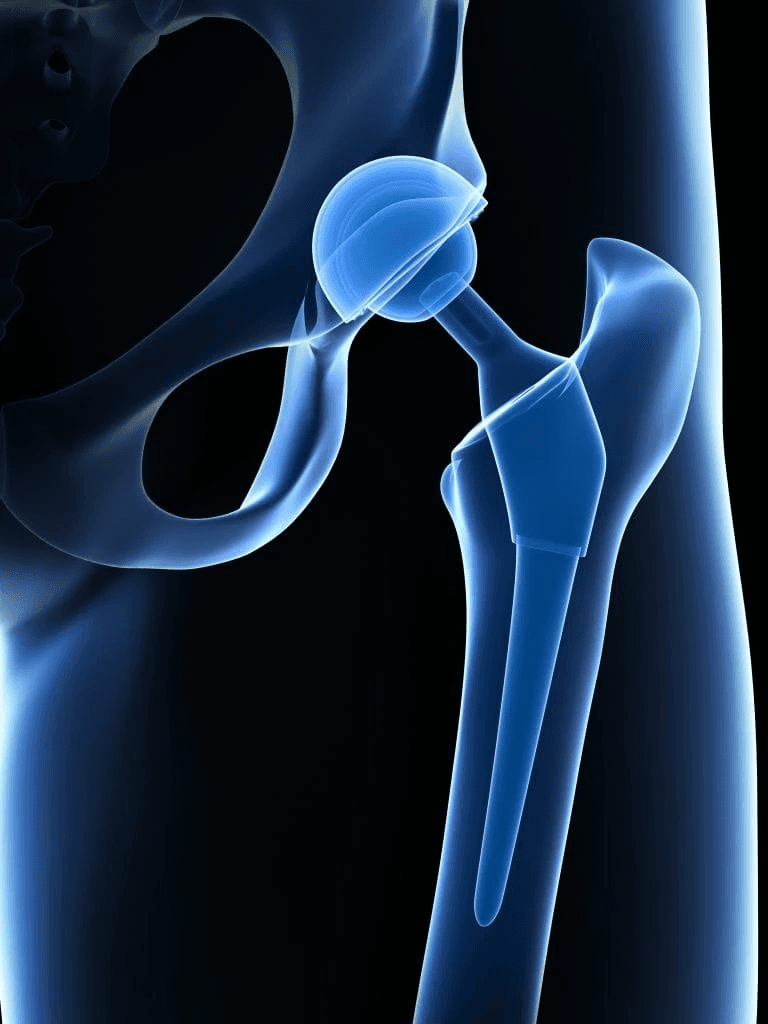
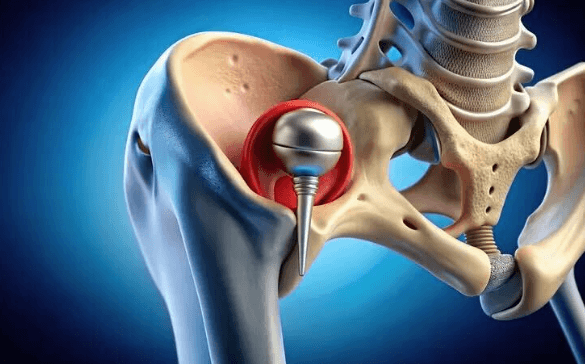
Hip and knee replacements are mechanical prosthetics designed to replace the damaged or worn-out part of your joint. They are made from durable, body-safe materials, including:
- Metal alloys such as cobalt-chromium or titanium for strength and durability.
- Ceramic components for low wear and a smooth glide.
- Polyethylene (medical-grade plastic) to reduce friction and cushion the joint.
These materials are biocompatible, which means they are safe inside the body and able to last for many years. Most implants work well for 15 to 20 years, and many people today keep theirs for 25 years or more thanks to improved surgical techniques and better materials.
Implants can also fail earlier than expected. Common reasons include:
- Heavy or repeated stress and wear on the joint.
- Gradual loosening of the implant over time.
- Infection that weakens the implant or the surrounding bone.
- Trauma or fractures near the implant after an accident.
Knowing these risks helps you take the right steps to protect your implant over the long term.
Early Post-Operative Care
The first few weeks after surgery set the stage for healing and a long-lasting implant. Following your surgeon's advice closely during this period matters more than almost anything else you do later.
- Follow your surgeon's instructions: Every surgery and every patient is different, so stick to the care plan made for you.
- Care for the wound: Keep the surgical site clean and dry to prevent infection, and watch for redness, swelling, or discharge.
- Manage pain: Use your prescribed medication and cold packs as directed so you stay comfortable and able to move.
- Begin physiotherapy: Start the gentle exercises your physiotherapist recommends to rebuild strength, improve flexibility, and prevent stiffness.
- Respect weight-bearing limits: Do not overload the operated joint too soon. Use a cane, crutches, or a walker until your doctor confirms it is safe to walk unaided.
This stage takes patience, but careful post-op care prevents many long-term problems and supports smooth healing.
Long-Term Lifestyle Changes for Implant Health
Once you have recovered from the operation, a few steady habits will help your implant stay healthy for years.
Exercise and Mobility
Regular movement keeps your muscles strong and improves blood flow around the joint. Choose low-impact activities that do not strain the implant:
- Walking
- Swimming
- Cycling
- Yoga and gentle stretching
Avoid high-impact activities such as running or jumping, which place extra stress on the implant.
Weight Management
Carrying extra weight puts more load on your hip or knee implant. Even a few additional kilos add wear and can shorten its life. Keeping a healthy weight reduces stress on the joint and helps it keep working well.
Diet and Nutrition
Good nutrition supports your bones and joints. Try to include foods rich in:
- Calcium and vitamin D, such as milk, cheese, leafy greens, and safe sun exposure, for strong bones.
- Protein, such as eggs, beans, fish, and lean meat, for muscle repair.
- Anti-inflammatory foods, such as turmeric, ginger, nuts, and olive oil, to help calm joint inflammation.
Fall Prevention
A fall can crack or loosen your implant. Make your home safer by:
- Placing non-slip mats in the bathroom.
- Installing grab bars near toilets and showers.
- Keeping walkways clear of clutter.
- Wearing supportive, non-slip footwear.
These simple changes go a long way toward protecting your implant.
Activities to Avoid for a Longer-Lasting Implant
Staying active is important, but some activities can harm your implant. It is best to avoid:
- High-impact and collision sports such as basketball or football.
- Sudden jumping or twisting movements that overextend the joint.
- Repeated heavy kneeling or squatting, especially after a knee replacement.
Choosing safer alternatives keeps your implant working well for years to come.
Warning Signs Your Implant May Be Wearing Out
Even with good care, an implant can sometimes develop problems. See your orthopedic surgeon promptly if you notice any of these red flags:
- Recurring swelling or pain in the joint.
- Clicking, grinding, or a feeling of instability when you move.
- New stiffness or reduced mobility compared with before.
- Fever, redness, or discharge, which can signal infection.
Reporting these signs early allows your surgeon to step in before minor issues turn into serious complications.
The Role of Regular Follow-Ups and Check-Ups
Routine follow-up visits are essential even when you feel completely well, because they help your surgeon track the health of the implant.
- Attend follow-ups as directed, often at 6 weeks, 3 months, 6 months, 1 year, and then once a year.
- Your doctor may use X-rays or scans to check for loosening, wear, or changes in the surrounding bone.
- Early treatment can correct small problems before they grow into major ones.
- Consistent check-ups protect the long-term health of your implant.
Tips for Optimizing Implant Life
To get the most from your hip or knee implant, build these habits into daily life:
- Keep up your physiotherapy exercises throughout rehabilitation.
- Use assistive devices such as railings, canes, or shoe inserts when needed.
- Wear supportive shoes to reduce stress on the joint.
- Stay active within your limits, and balance exercise with enough rest.
These small daily choices can add years to the life of your implant.
When Revision Surgery May Be Necessary
Sometimes, despite your best efforts, revision surgery becomes necessary. This is when the implant is repaired or replaced. Common reasons include:
- Loosening or wear of the implant.
- Infection around the joint.
- Fracture or trauma involving the implant.
Thanks to advances in medical technology, revision surgeries are very successful and can restore good function. The goal is always to preserve your original implant for as long as possible, but it is reassuring to know that options exist if complications develop.
Frequently Asked Questions
How long does a hip or knee implant usually last?
Most implants work well for 15 to 20 years, and many last 25 years or more with modern materials and techniques. The exact lifespan depends on your age, weight, activity level, and how carefully you follow your post-operative plan.
Can I play sports after a joint replacement?
Low-impact activities such as walking, swimming, cycling, and yoga are usually encouraged once you have healed. It is best to avoid high-impact or collision sports, sudden twisting, and repeated heavy kneeling, since these add stress that can wear the implant out faster.
Why are regular follow-up visits important if I feel fine?
Many implant problems develop slowly and cause no symptoms at first. Routine check-ups, often with X-rays, let your surgeon spot early loosening, wear, or bone changes so they can be managed before they become serious.
What symptoms mean I should see my surgeon right away?
Contact your orthopedic surgeon promptly if you have ongoing joint pain or swelling, clicking or grinding, new stiffness, or signs of infection such as fever, redness, or discharge. Early review helps prevent further damage to the joint.
Conclusion
Hip and knee replacements can transform your life by easing pain and restoring movement, and with good care they often last 20 years or more. Caring for your implant does not require drastic changes. It comes down to sensible choices made every day: following your surgeon's advice, staying active with low-impact exercise, eating well and keeping a healthy weight, avoiding risky activities, and attending your follow-ups.
If you have had a hip or knee replacement, or you are planning one, expert guidance makes a real difference to how long your implant lasts. To discuss your recovery, follow-up schedule, or any concerns about your joint, book a consultation with Dr. Ankur Singh, orthopedic specialist in Noida, for personalized care and advice.
Medical Disclaimer
The information provided on this website is for educational purposes only and should not be considered as medical advice. Please consult Dr. Ankur Singh or a qualified healthcare professional for personalized medical guidance.
Share this blog:
 Copy
Copy





-compressed.jpg)