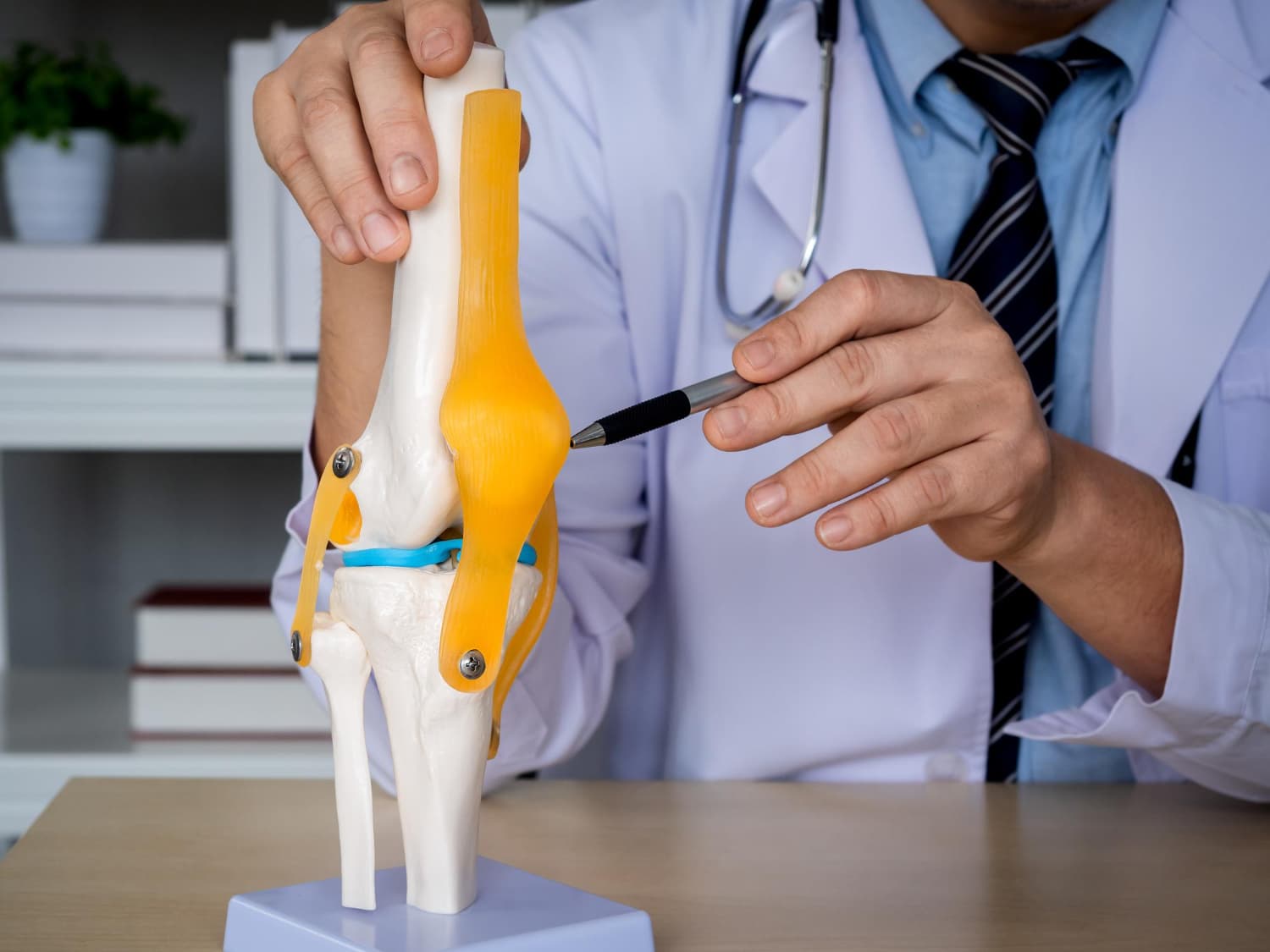
Hip Replacement Surgery
ip replacement surgery, also known as hip arthroplasty, is a highly effective procedure designed to relieve pain and restore function in patients with severe hip joint arthritis or other hip conditions.
Introduction to Hip Replacement Surgery
Common Conditions Treated with Hip Replacement Surgery
Osteoarthritis is the most common cause of hip pain and is characterized by the wear and tear of cartilage in the hip joint. As the cartilage deteriorates, the bones begin to rub together, causing pain, stiffness, and limited range of motion.
Rheumatoid arthritis is an autoimmune condition that causes inflammation in the joints, including the hip. Over time, the inflammation can damage the joint, leading to severe pain and mobility issues.
A hip fracture, especially in older adults, can severely affect the hip joint. If the fracture is complex and involves significant joint damage, hip replacement surgery may be necessary to restore function and reduce pain.
Avascular necrosis occurs when the blood supply to the ball of the hip joint is disrupted, causing the bone to collapse. This condition can lead to joint degeneration and severe pain, often requiring hip replacement surgery.
Hip dysplasia is a condition where the hip joint does not form properly, leading to instability and wear on the cartilage over time. In severe cases, hip replacement surgery may be needed to relieve pain and restore mobility.
Benefits of Hip Replacement Surgery
The primary benefit of hip replacement surgery is significant pain relief. Most patients experience a dramatic reduction in hip pain, which allows them to perform daily activities such as walking, sitting, and standing with ease.
Hip replacement surgery improves range of motion and joint function, enabling patients to move more freely and return to their regular activities, including sports and exercise.
With reduced pain and increased mobility, patients can regain their independence and engage in activities they may have avoided due to hip pain, such as walking, gardening, and climbing stairs.
Hip replacement surgery offers long-term relief, with most artificial hip joints lasting 15-20 years or more, depending on the patient’s age, activity level, and the type of prosthesis used.
In many cases, Dr. Ankur Singh performs minimally invasive hip replacement surgeries, which result in smaller incisions, less muscle disruption, and a quicker recovery compared to traditional open surgery.
Types of Hip Replacement Surgery
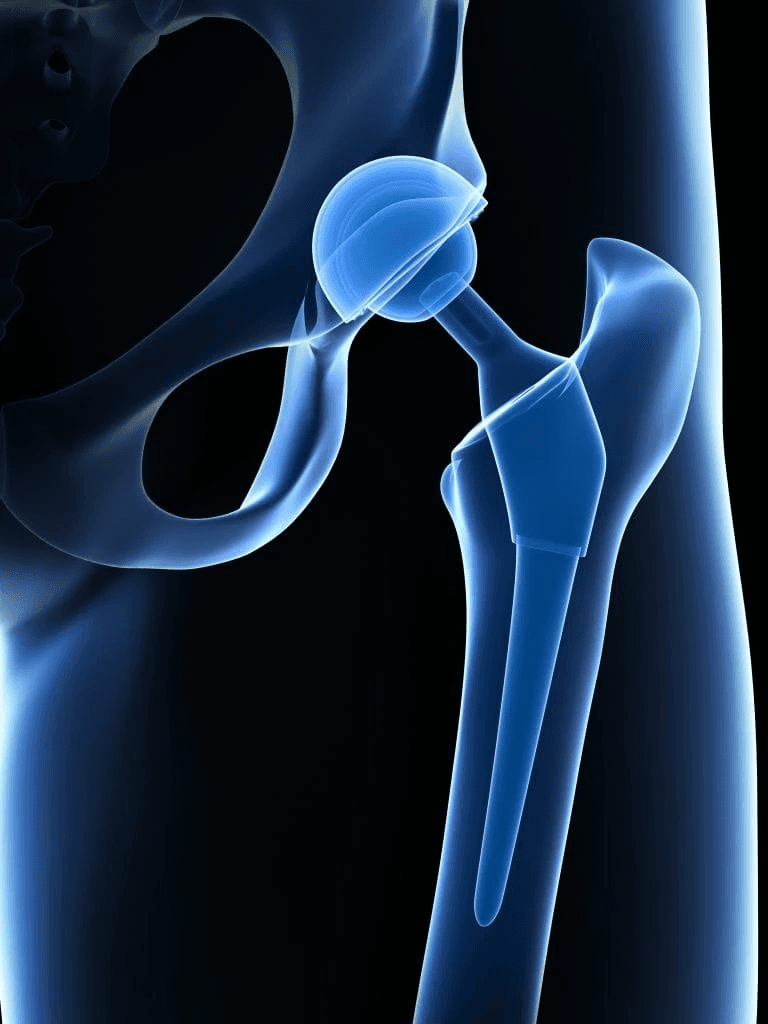
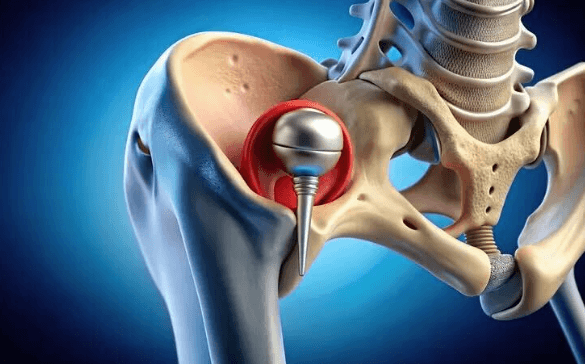
In a total hip replacement, both the femoral head (ball) and the acetabulum (socket) are replaced with artificial components. This is the most common type of hip replacement and is typically recommended for patients with extensive joint damage.
In partial hip replacement surgery, only the femoral head (the ball of the joint) is replaced, while the socket remains intact. This procedure is usually recommended for patients with a hip fracture or those who do not have significant damage to the socket.
The Hip Replacement Surgery Procedure
Hip replacement surgery typically takes 1-2 hours, depending on the complexity of the procedure. The patient is placed under general anesthesia or regional anesthesia to ensure they are comfortable and pain-free throughout the procedure.The surgeon will make an incision to access the hip joint and remove the damaged parts of the joint. The artificial hip components (prosthesis) will then be implanted and securely fixed in place.
After the surgery, patients will be closely monitored in the recovery room before being transferred to their hospital room. Most patients stay in the hospital for 1-2 days for observation and pain management.During recovery, patients will begin a physical therapy program to restore movement, strength, and flexibility in the hip joint. Rehabilitation is a key part of the recovery process, and Dr. Singh will work with you to ensure the best possible outcome.
Why Choose Dr. Ankur Singh for Hip Replacement Surgery?
Dr. Singh has extensive experience performing both total and partial hip replacements, using the latest techniques to achieve optimal results.
Dr. Singh specializes in minimally invasive hip replacement surgeries, which result in smaller incisions, reduced pain, and a faster recovery compared to traditional surgery.
Dr. Singh takes a personalized approach to treatment, ensuring that each patient receives the best care based on their specific needs, activity level, and recovery goals.
Post-surgery rehabilitation is essential for a full recovery. Dr. Singh works closely with patients to develop a customized rehabilitation plan, helping them regain mobility and strength.
Book Your Consultation Today !
- Phone: \+91-XXXXXXXXXX
- Email: info@drankursingh.com
- Website: [www.drankursingh.com](https://www.drankursingh.com/)
FAQs
While some discomfort is expected after the surgery, minimally invasive techniques reduce pain compared to traditional open surgery. Dr. Singh uses advanced pain management techniques to ensure your comfort during the recovery process.
Most artificial hips last 15-20 years or longer, depending on factors such as the patient’s age, activity level, and the type of prosthesis used.
After full recovery, many patients are able to return to low-impact activities such as walking, swimming, and cycling. High-impact activities like running may need to be avoided, depending on your individual case and recovery.
Keywords for Interlinking
- Hip replacement surgery Noida
- Orthopedic surgeon Noida
- Total hip replacement
- Minimally invasive hip surgery
- Hip pain treatment Noida
- Hip joint replacement
- Hip arthritis surgery
- Rehabilitation after hip surgery
- Hip fracture treatment Noida
- Hip surgery expert
Book a Consultation with Dr. Ankur Singh
We use advanced medical technology and compassionate care to ensure each patient receives the most accurate diagnosis and effective treatment. Whether you're dealing with joint pain, fractures, or post-surgical rehab — you're in expert hands. Book your consultation today and start your journey toward strength and mobility.
Related Pages
Explore more health and orthopedic resources from Dr. Ankur Singh.

Minimally Invasive Hip Replacement in Noida by Dr. Ankur Singh
27 Apr 2026

Hip Fracture Surgery & Recovery Care in Noida – Dr. Ankur Singh, Best Orthopedic in Noida
27 Apr 2026
-compressed (2).jpg)
Hip Replacement Surgery in Noida Sector 46– Minimally Invasive & Affordable
27 Apr 2026

Best Doctor for Hip Pain in Noida Sector 61– Treating Fractures, Arthritis & More
27 Apr 2026
/images-that-simulate-x-rays-with-neon-colors (1)-compressed.jpg)
Early Mobility Programs After Hip Surgery by Dr. Ankur Singh – Best Orthopedic in Noida
27 Apr 2026

Women’s Orthopedic Health: Hip & Knee Care in Noida
27 Apr 2026


नोएडा में बेस्ट हिप रिप्लेसमेंट सर्जरी – पूरी जानकारी आसान भाषा में
हिप दर्द, गठिया या फ्रैक्चर से परेशान हैं? जानिए नोएडा में बेस्ट हिप रिप्लेसमेंट सर्जरी क्या है, कब जरूरी होती है और रिकवरी कैसी रहती है।
06 Feb 2026
Dr. Ankur Team

Rheumatoid Arthritis: The Hidden Cause Of Joint Pain And Stiffness
Rheumatoid arthritis causes joint pain, swelling, and stiffness. Learn its symptoms, causes, and treatment options. Get expert care from Dr. Ankur Singh in Noida.
22 Apr 2026
Dr. Ankur Team

Advanced Treatments for Arthritis: From Medication to Surgery
Discover advanced arthritis treatments with Dr. Ankur Singh from medications and injections to modern surgery for lasting pain relief and improved joint mobility.
07 Apr 2026
Dr. Ankur Team

Trauma And Fracture Care In Noida: What To Do, When To Go, And What Happens Next
From road accidents to sports injuries and falls, fracture care in Noida and Greater Noida requires prompt, expert management. Dr. Ankur Singh explains what to expect at every stage of trauma and fracture treatment.
22 May 2026
Dr. Ankur Team

Boxer’s Fracture: Understanding This Common Hand Injury
Boxer’s fracture causes pain, swelling, and difficulty moving the hand after impact or trauma. Learn its symptoms, causes, treatment options, and recovery with expert orthopedic care in Noida.
11 Jun 2026
Dr. Ankur Team

Overtraining And Stress Fractures: When Too Much Gym Training Breaks Your Bones
Training hard is good. Training without recovery breaks bones. Dr. Ankur Singh, orthopedic specialist in Noida and Greater Noida, explains stress fractures, overtraining syndrome, and the warning signs you must not ignore.
18 May 2026
Dr. Ankur Team

वजन बढ़ने से घुटनों और कमर पर क्या असर पड़ता है?
वजन बढ़ने से घुटनों और कमर पर पड़ने वाले असर, knee arthritis risk और obesity joint pain के कारण जानिए इस ब्लॉग में।
17 Dec 2025
Dr. Ankur Team

Robotic Hip Replacement In Greater Noida: Is It Right For You?
Considering hip replacement in Noida or Greater Noida? Dr. Ankur Singh explains how robotic hip replacement works, who it benefits most, and what makes it different from traditional surgery.
11 May 2026
Dr. Ankur Team

Avascular Necrosis (AVN) of the Hip: The Complete Guide for Indian Patients
AVN is a leading cause of hip replacement in young Indian adults. Dr. Ankur Singh explains its causes in India, how it progresses and treatment at each stage.
01 Oct 2026
Dr. Ankur Team