Knee Pain Treatment in Noida: Causes, Diagnosis, and Modern Treatment Options

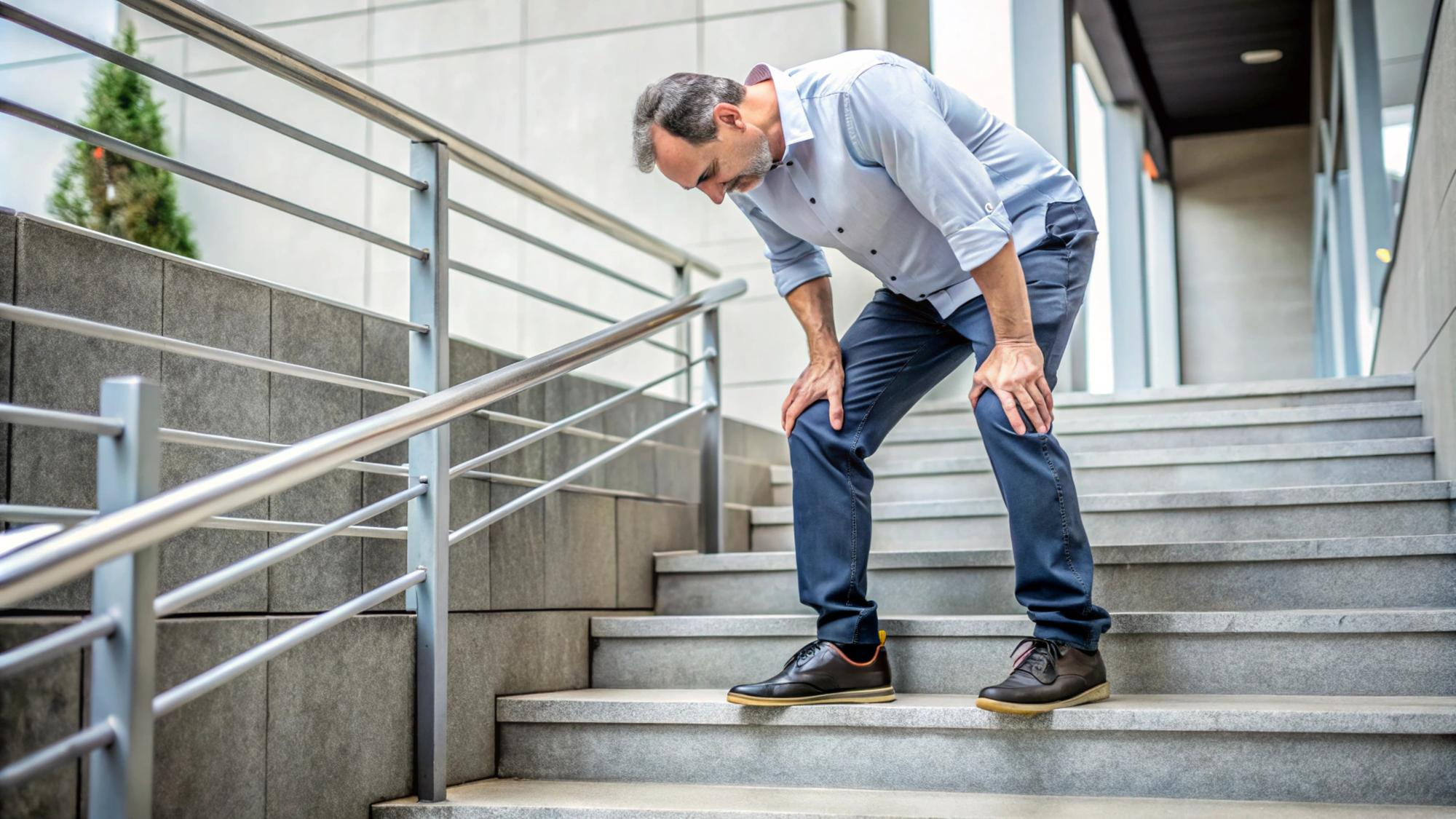
Runner experiencing knee pain during outdoor exercise
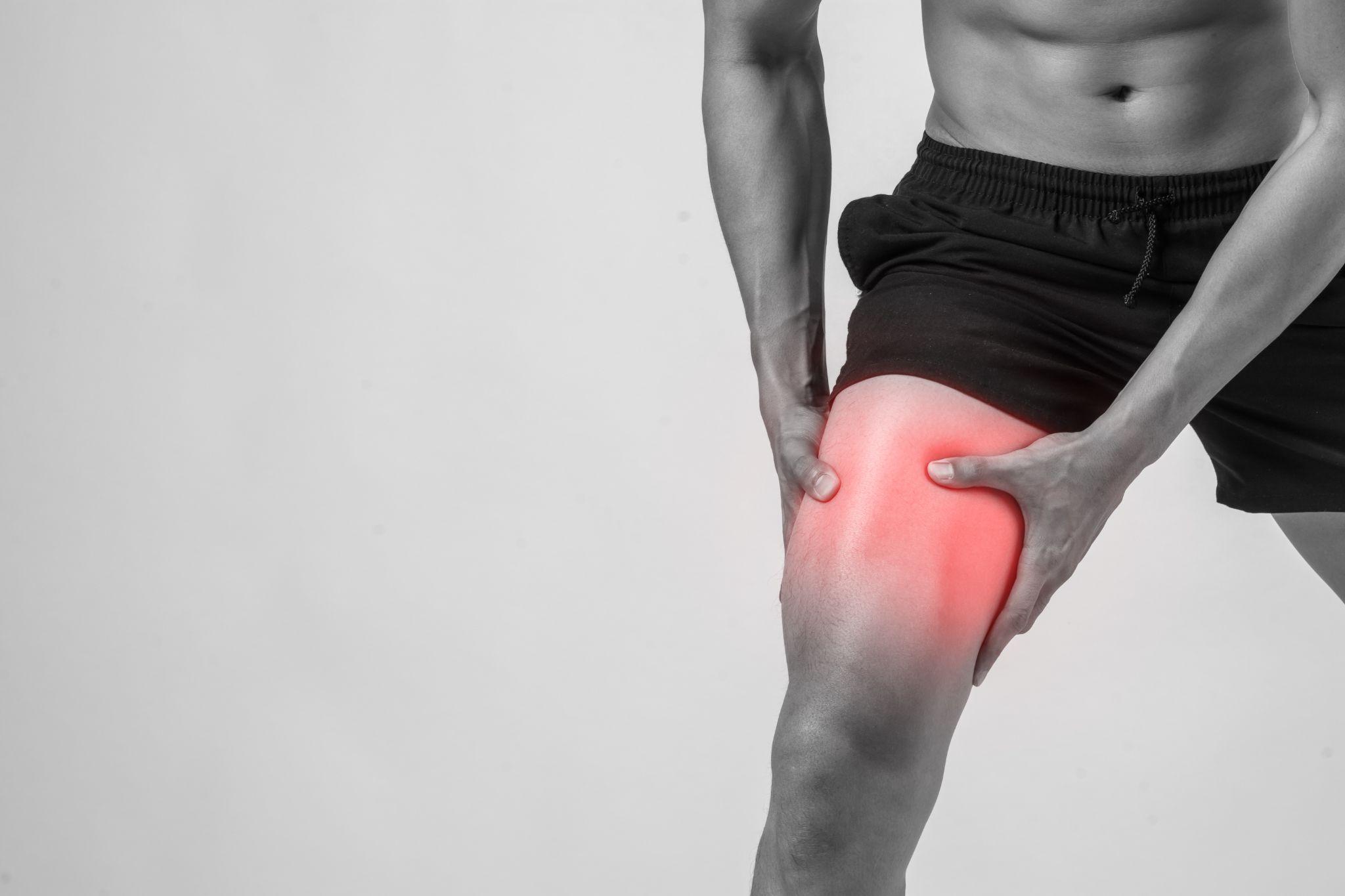
Knee pain is one of the most recurring orthopedic complaints affecting almost all age groups. Young professionals experience discomfort due to long sitting hours and elderly individuals struggle with arthritis. Knee pain can seriously deteriorate everyday life. If you are seeking knee pain treatment in Noida, understanding the causes, diagnostic approach, and available treatment options is the way towards long-term relief.
Understanding Knee Pain: Why It Happens
The knee is an extremely complex joint that bears body weight and supports movement like walking, running, and climbing stairs. Because of its constant use it is prone to stress, wear and injury.
Age-related wear and tear of the knee joint
Increase in age leads to wear and tear of the cartilage of the knee joint which can be a cause of pain, stiffness and reduced mobility.
Sports injuries and overuse
Ligaments, tendons and cartilage can be strained due to repetitive movements in high impact sports and improper training techniques.
Sudden trauma or accidents
Harsh falls, road accidents and direct blows can lead to fractures and ligament tears damaging the internal knee joint.
Obesity and excess pressure on knees
Too much body weight can add extra pressure on the knee joints which can accelerate the joint degeneration process leading to worse pain.
Poor posture and lifestyle factors
Incorrect posture and prolonged sitting can weaken muscles that support the knee joint. Over time this leads to pain.
Common Causes of Knee Pain
Osteoarthritis of the knee
In people above 40, osteoarthritis is the most common cause of knee pain. It happens due to gradual cartilage loss.
Ligament injuries
Ligament injuries such as the ACL injury, PCL injury, MCL injury or even a injury to the meniscus can lead to instability in the knee joint, swelling and pain during movement.

Illustration showing anterior cruciate ligament ACL injury in the knee
Patellofemoral pain syndrome
This refers to the pain around the kneecap. It worsens by climbing too many stairs or sitting for long periods. It is common in younger individuals as the generation is working many hours while sitting in one position on a chair.
Inflammatory conditions
Rheumatoid arthritis and other inflammatory disorders can affect the knee joint and lead to pain and swelling.
Vitamin D and calcium deficiency
Calcium deficiency or Vitamin D deficiency may not show on X-rays but is still one the major reasons for knee pain.
Symptoms That Should Not Be Ignored
1. Pain while walking or climbing stairs
It often indicates cartilage damage or muscle weakness.
2. Swelling or stiffness around the knee
It suggests inflammation, injury or fluid accumulation.
3. Clicking or locking sensation
This indicates either a meniscus tear or internal joint problems like ligament tear.
4. Difficulty in bending or straightening the knee
Restricted movement of the knee joint may be an indicator of advanced joint degeneration.
5. Knee pain at rest or at night
Pain without any reason or while resting is a sign of advanced arthritis.
Diagnosis of Knee Pain in Noida
Proper diagnosis is a must for effective knee pain treatment in Noida.
1. Detailed clinical examination
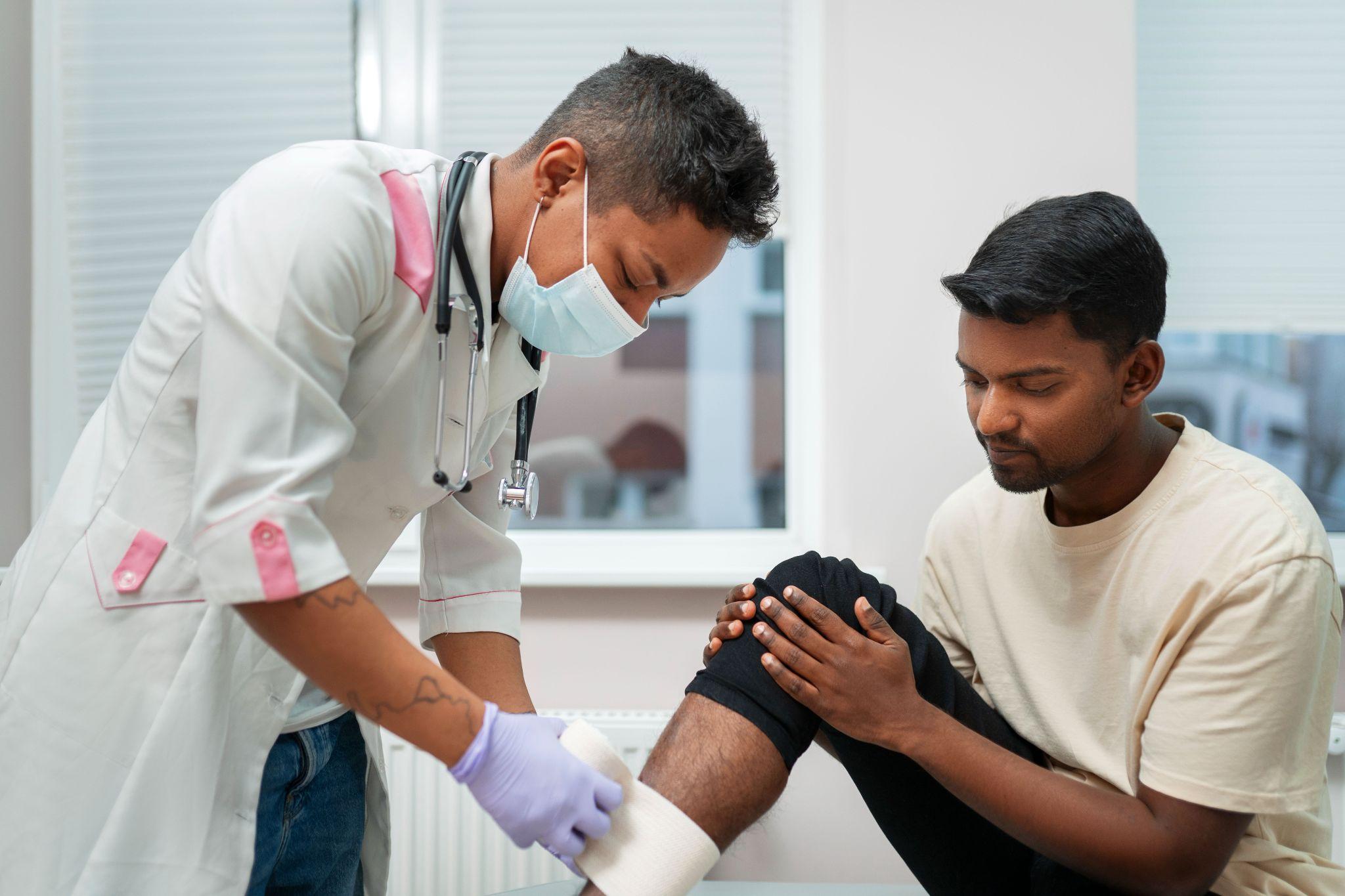
An orthopedic doctor checks alignment, range of motion, swelling and knee joint stability.
2. X-ray and MRI scans
X-rays help evaluate bone and joint space. Whereas, MRI detects soft tissue injuries like caritlage damage or ligament tears.
3. Blood tests when required
Blood tests help in identifying infections, inflammatory arthritis or vitamin deficiencies(Such as the Vitamin D deficiency).
4. Posture and gait analysis
Posture and walking patterns helps in identifying biomechanical causes of pain.
Non-Surgical Knee Pain Treatment Options
Numerous knee problems can be treated without surgery if addressed early or on time.
1. Medications and pain management
Anti-inflammatory medicines and painkillers are prescribed to control pain and swelling. Do not experiment with these, only take them under a doctor’s guidance.
2. Physiotherapy and strengthening exercises
Targeted exercises under physiotherapist’s observation improve muscle support, stability and joint function.
3. Weight management and lifestyle correction
Managing weight and improving lifestyle which benefits bone health significantly reduces the pain in the knee joint.
4. Vitamin and mineral supplementation
Vitamin and mineral deficiencies are treated to improve bone and muscle health.
5. Activity modification and knee support
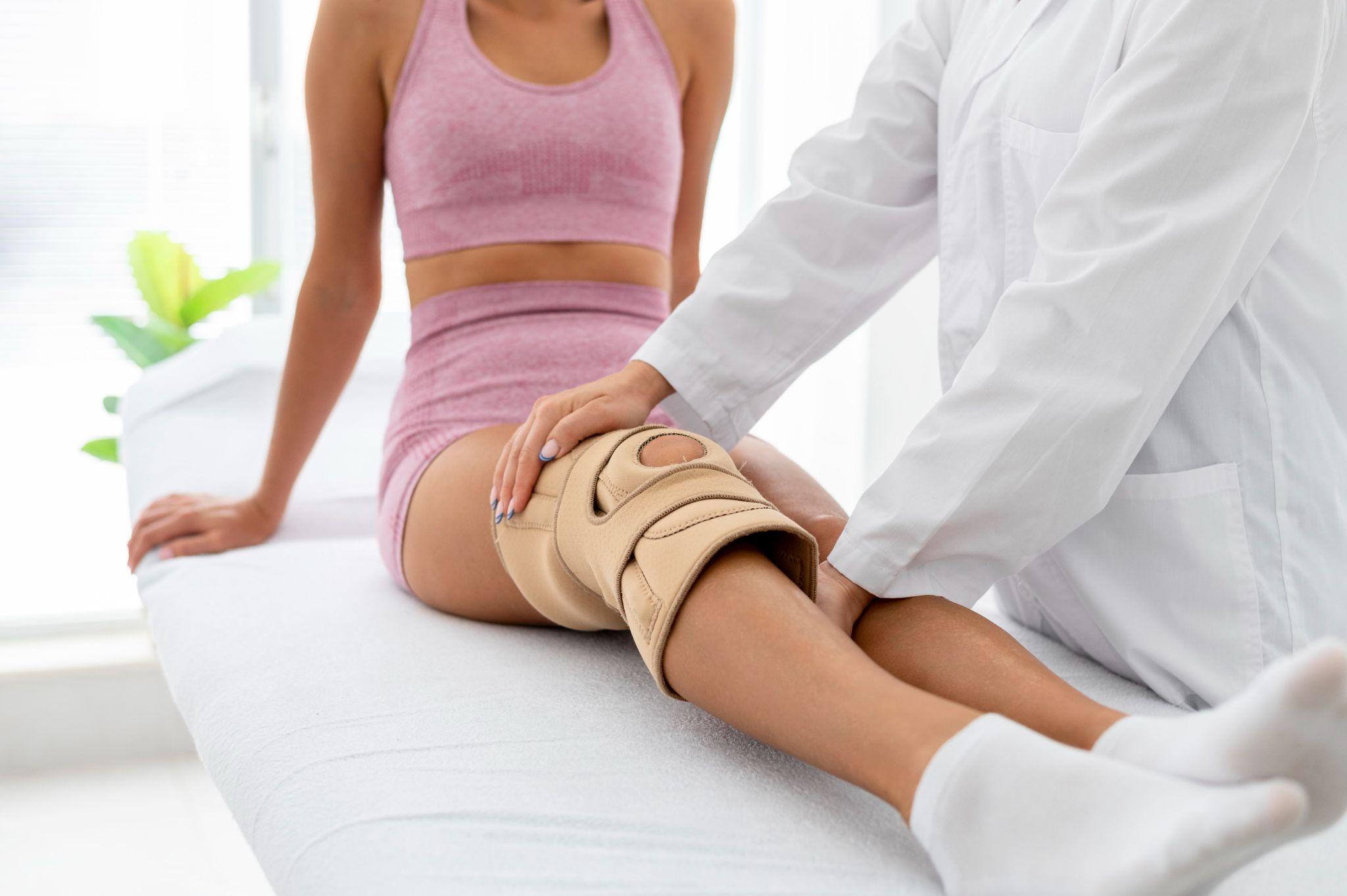
Temporary knee braces and activity adjustments help prevent further pain and strain.
Advanced and Modern Treatment Options
1. Injection therapies for knee pain
Certain injections can reduce inflammation and improve joint comfort. These are only to be taken under a doctor’s advise.
2. Minimally invasive procedures
These procedures are considered when other treatment methods fail but surgery can still be avoided as it is still a bit extreme.
3. Regenerative treatment options
These options aim to support tissue healing and slow joint degeneration.
When Is Knee Surgery Required?
1. Failure of conservative treatment
Patients who experience persistent pain after receiving non-surgical treatment for several months should undergo surgical assessment.
2. Advanced knee arthritis
People who experience severe cartilage loss and bone deformity will face limitations in their ability to perform everyday activities.
3. Severe movement restriction
Patients who cannot walk without discomfort or complete their daily activities have reached the most severe stage of their condition.
Knee Replacement Surgery: What Patients Should Know
1. Partial knee replacement
This treatment is appropriate when the injuriy affects only a single section of the knee joint.
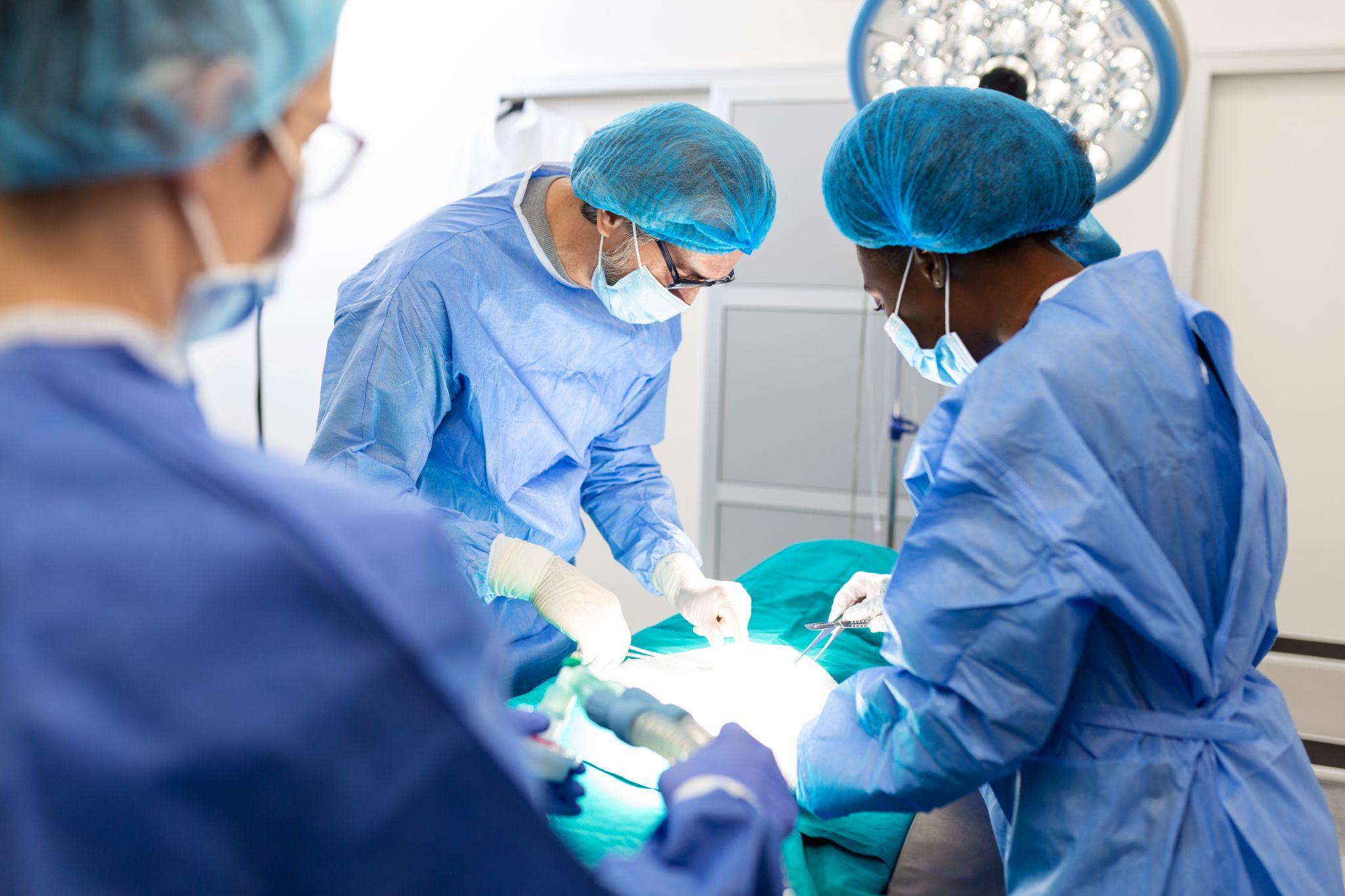
2. Total knee replacement
This treatment is suitable for patients who have advanced arthritis that affects their entire knee joint.
3. Recovery and rehabilitation timeline
The process of rehabilitation after surgery helps patients regain their mobility and strength.

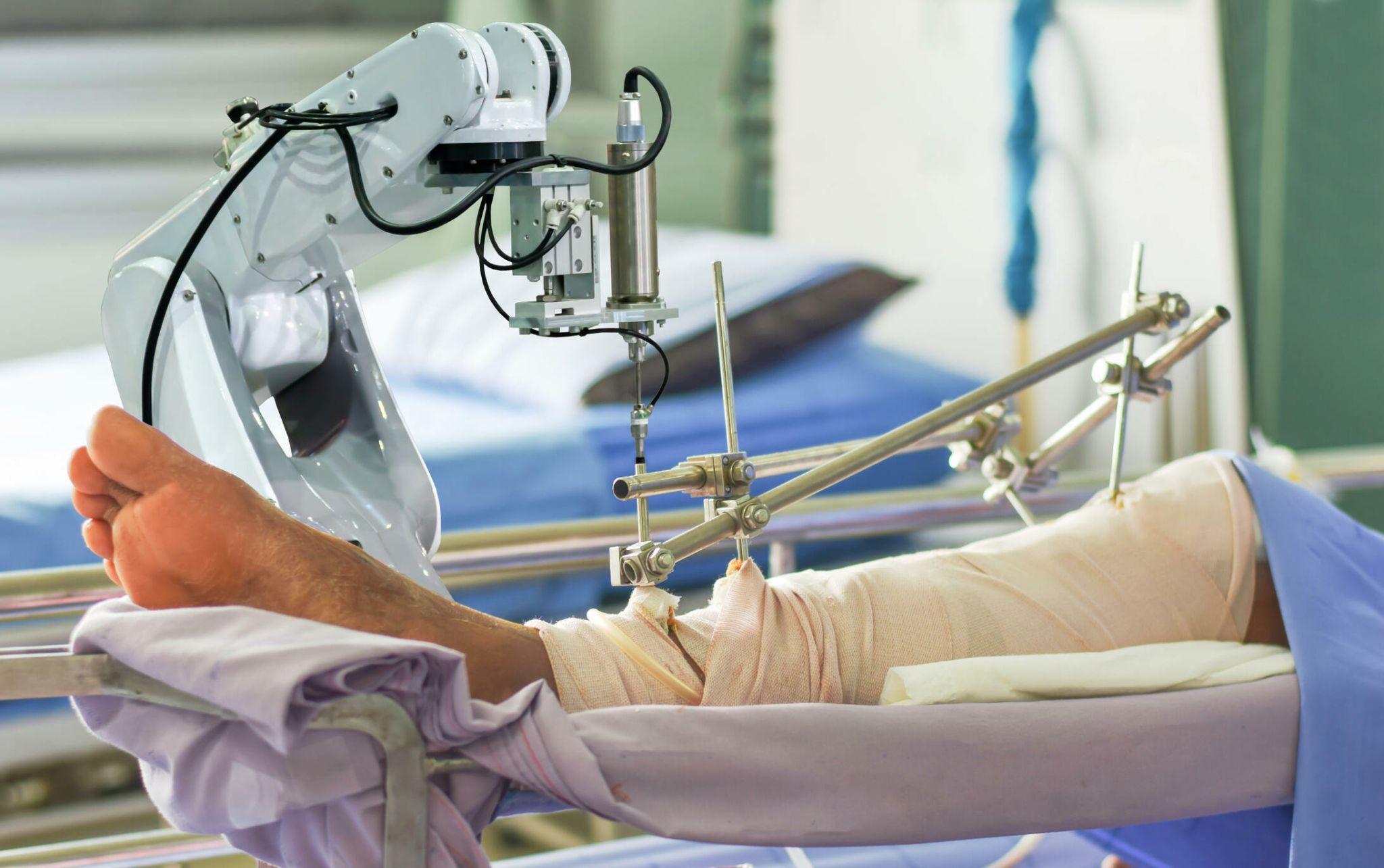
Patient recovering after knee replacement surgery with visible surgical scar
Why Timely Knee Pain Treatment in Noida Matters
1. Prevention of long-term joint damage
The progression of the disease can be delayed through treatment that begins in the early stages.
2. Better mobility and quality of life
Appropriate treatment will help patients regain their ability to move with assurance.
3. Avoiding unnecessary surgery
Surgical procedures become less necessary when you approach an orthopedic specialist on time.
Conclusion
Anyone who experiences knee pain should receive immediate medical attention. The combination of proper diagnosis and personalized treatment strategies enables most patients to achieve enduring pain relief. The consultation with an orthopedic expert leads to development of treatment methods that address actual medical conditions instead of treating only the visible symptoms. In Noida, patients who need dependable knee pain solutions experience positive outcomes through treatment which uses both medical knowledge and current technologies.
Dr Ankur Singh, a highly regarded orthopedic specialist located in Noida, provides expert assessment and precise identification of knee conditions while creating customized treatment plans. Dr Ankur Singh, through his initial guidance, assists patients in avoiding future health issues while increasing their long-term joint wellness.
Medical Disclaimer
The information provided on this website is for educational purposes only and should not be considered as medical advice. Please consult Dr. Ankur Singh or a qualified healthcare professional for personalized medical guidance.
Share this blog:
 Copy
Copy