Backache Pain: From Symptoms To Effective Treatment

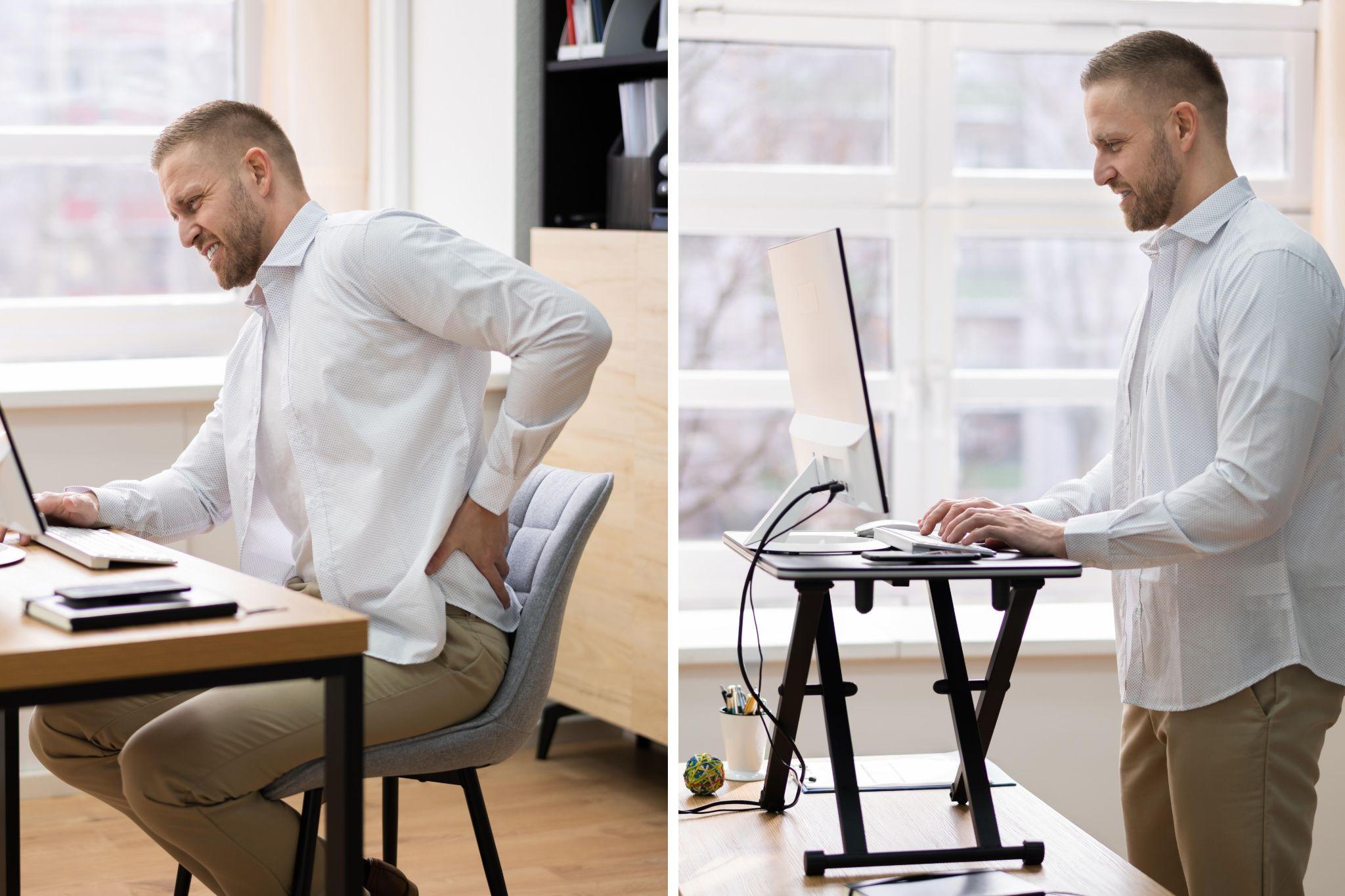
A woman winces in pain while sitting at a desk, holding her lower back.
Backache pain is one of the most common health concerns people deal with today. It doesn’t just affect older adults; it’s something office workers, students, and even active individuals experience. Long hours of sitting, poor posture, or sudden strain can all lead to persistent discomfort in the back.
What many don’t realize is that back pain is rarely just about the pain itself. It often signals underlying issues like muscle imbalance, spinal stress, or lifestyle habits that need attention. Ignoring it or relying only on temporary fixes can make things worse over time.
Effective treatment focuses on identifying the root cause, improving movement, and strengthening the body. With the right approach, back pain can be managed and even prevented. Under the expert care of Dr. Ankur Singh in Noida, patients receive targeted treatment that not only relieves pain but also restores long-term mobility and strength.
What Is Backache Pain?
Backache pain refers to discomfort or stiffness anywhere along the spine, from the neck to the lower back. It can range from a mild, dull ache to sharp, intense pain that affects daily activities. In most cases, it develops due to muscle strain, poor posture, or lack of physical activity. However, it can also be linked to conditions like slipped discs, nerve compression, or degenerative spine disorders. Instead of just masking the pain, proper treatment focuses on understanding what’s causing it and addressing that directly.
Common Symptoms Of Backache Pain
Back pain can present itself in different ways depending on the cause and severity:
- Persistent dull or sharp pain in the back
- Stiffness and reduced flexibility
- Pain that worsens with movement or prolonged sitting
- Radiating pain to the hips, legs, or shoulders
- Muscle spasms or tightness
- Numbness or tingling sensation (in severe cases)
These symptoms often interfere with routine activities like sitting, standing, or even sleeping comfortably.
Causes Of Backache Pain
Back pain doesn’t happen randomly; it usually develops due to a mix of lifestyle habits, physical strain, and underlying medical conditions. Understanding the exact cause is important because it helps in choosing the right treatment and preventing the pain from coming back.
1. Poor Posture
Slouching while sitting, hunching over a laptop, or standing incorrectly puts continuous stress on the spine. Over time, this leads to muscle imbalance and strain, especially in the lower back and neck.
2. Sedentary Lifestyle
Sitting for long hours without movement weakens the core and back muscles. When these muscles aren’t strong enough to support the spine, even simple activities can trigger pain.
3. Muscle Strain Or Injury
Sudden movements, incorrect lifting techniques, or overuse during workouts can strain the back muscles and ligaments. This is one of the most common causes of acute back pain.
4. Herniated Disc
A slipped or bulging disc can press on nearby nerves, causing sharp pain, numbness, or tingling. This condition often leads to pain that radiates down the legs (commonly known as sciatica).
5. Age-Related Degeneration
As the body ages, the spine undergoes natural wear and tear. Conditions like disc degeneration or arthritis can lead to stiffness, reduced flexibility, and chronic pain.
6. Obesity
Excess body weight, especially around the abdomen, puts additional pressure on the spine. This increases the risk of lower back pain and long-term spinal issues.
7. Lack Of Core Strength
Weak abdominal and back muscles fail to support the spine properly, making it more vulnerable to strain and injury.
8. Improper Lifting Techniques
Lifting heavy objects without bending the knees or using proper posture can put sudden stress on the lower back, leading to injury.
9. Prolonged Standing Or Sitting
Staying in the same position for too long, whether sitting at a desk or standing for work, can lead to stiffness and muscle fatigue.
10. Stress And Tension
Mental stress often leads to physical tension, especially in the back and shoulders. This can cause tight muscles and persistent discomfort.
11. Poor Sleeping Position
Sleeping on an unsupportive mattress or in an incorrect position can strain the spine and lead to morning back pain.
12. Sudden Weight Gain
Rapid weight gain increases strain on the spine and affects posture, contributing to back pain.
13. Sports Injuries
High-impact activities or improper training techniques can lead to back injuries, especially in athletes.
14. Spinal Conditions

An illustration compares a healthy spine and an ankylosing spondylitis-affected spine.
Conditions like scoliosis, spinal stenosis, or spondylitis can affect the structure of the spine and lead to chronic pain.
15. Osteoporosis
Weak and brittle bones increase the risk of fractures in the spine, which can cause severe back pain, especially in older adults.
16. Infections Or Medical Conditions
In rare cases, infections, kidney issues, or other internal conditions can present as back pain and require medical evaluation.
Understanding these causes helps in early identification and better management of back pain. For accurate diagnosis and personalized treatment, consulting an experienced specialist like Dr. Ankur Singh in Noida ensures that the root cause is addressed effectively, not just the symptoms.
Benefits Of Early Treatment
Addressing back pain early can make a significant difference:
- Faster pain relief
- Improved mobility and flexibility
- Reduced risk of chronic pain
- Prevention of further complications
- Better overall quality of life
Types Of Back Pain
Back pain can be divided based on how it starts, how long it lasts, and what causes it.
- Acute back pain - Sudden pain that lasts a few days to weeks, usually due to strain or injury.
- Chronic back pain - Pain lasting more than 12 weeks, often linked to long-term spine or nerve issues.
- Mechanical back pain - Caused by stress on muscles or joints due to poor posture, lifting, or overuse.
- Radicular back pain - Nerve-related pain that radiates from the back to legs or arms, like sciatica.
- Localized back pain - Pain stays in one area of the back, usually due to minor strain or inflammation.
- Referred back pain - Pain felt in the back is actually caused by another organ, like the kidneys.
- Inflammatory back pain - Linked to conditions like ankylosing spondylitis, often worse after rest and improves with movement.
Conditions Related To Back Pain
Back pain is often not just a standalone problem. In many cases, it is linked to specific underlying medical conditions that affect the spine, muscles, nerves, or internal organs. Identifying these conditions is important for accurate diagnosis and effective treatment.
1. Sciatica
Sciatica occurs when the sciatic nerve gets compressed, usually due to a herniated disc or spinal narrowing. It causes sharp, shooting pain that travels from the lower back to the legs, often along with numbness or tingling.
2. Herniated Or Slipped Disc
This condition happens when the soft inner portion of a spinal disc pushes out through its outer layer. It can press on nearby nerves, leading to back pain, stiffness, and radiating pain in the arms or legs.
3. Osteoarthritis Of The Spine
Osteoarthritis causes wear and tear of the spinal joints over time. It leads to stiffness, reduced flexibility, and chronic back pain, especially in older adults.
4. Ankylosing Spondylitis
This is an inflammatory condition that mainly affects the spine. It causes long-term stiffness and pain, particularly in the lower back, and may gradually reduce spinal flexibility.
5. Spinal Stenosis
Spinal stenosis refers to the narrowing of the spinal canal, which puts pressure on the spinal cord and nerves. It can cause pain, weakness, and numbness, especially while walking or standing.
6. Scoliosis
Scoliosis is an abnormal sideways curvature of the spine. It can lead to uneven posture, muscle imbalance, and chronic back discomfort, especially in severe cases.
7. Osteoporosis
Osteoporosis weakens bones, making them fragile and more prone to fractures. Small spinal fractures can result in sudden or chronic back pain, particularly in elderly individuals.
8. Kidney Problems
Conditions like kidney stones or infections can sometimes cause pain that is felt in the lower back. This type of pain is often sharp and may be accompanied by urinary symptoms.
9. Muscle Spasms
Sudden tightening of back muscles can cause intense pain and stiffness. Muscle spasms are often triggered by overuse, dehydration, or injury.
10. Degenerative Disc Disease
This condition occurs when spinal discs lose hydration and elasticity over time. It leads to reduced cushioning between vertebrae, resulting in chronic pain and stiffness.
Effective Treatment Options For Backache Pain
Treatment for backache pain aims not just to reduce pain but also to restore movement, strengthen the spine, and prevent future recurrence. A combination of therapies often works best, depending on the severity and cause of the pain.
1. Physiotherapy
Physiotherapy is one of the most effective long-term treatments for back pain. It includes targeted exercises, stretching routines, manual therapy, and posture correction techniques. These help strengthen core and back muscles, improve flexibility, and correct body alignment, reducing pressure on the spine.
2. Medications

A hand holds an assortment of colorful capsules against a blue background.
Pain-relieving and anti-inflammatory medicines are often used for quick relief in acute cases. They help control pain and swelling but are generally recommended for short-term use, as they do not treat the root cause of the problem.
3. Lifestyle Modifications
Simple daily changes can make a big difference. Maintaining correct posture while sitting and standing, avoiding long hours of inactivity, staying physically active, and managing body weight all help reduce strain on the back and support recovery.
4. Heat And Cold Therapy
Cold therapy helps reduce inflammation and numb sharp pain, especially in the initial stages of injury. Heat therapy improves blood flow, relaxes tight muscles, and reduces stiffness. Alternating between the two can provide effective relief in many cases.
5. Advanced Treatments
When conservative methods do not provide enough relief, advanced options may be considered. These include steroid injections to reduce nerve inflammation or surgical procedures in severe cases like slipped discs or spinal stenosis. Surgery is usually recommended only when other treatments fail.
When To See A Specialist
It’s important to seek medical attention if:
- Pain lasts more than 1–2 weeks
- It interferes with daily activities
- There is numbness or tingling
- Pain radiates to the legs or arms
- Movement becomes restricted
Early diagnosis helps prevent long-term complications and ensures faster recovery.
Final Thoughts
Backache pain should never be ignored or treated as a minor inconvenience. It often reflects deeper issues that require proper care and attention. With timely treatment, the right exercises, and expert guidance, it is possible to recover fully and prevent future problems.
Dr. Ankur Singh in Noida offers comprehensive care focused on long-term recovery. Through accurate diagnosis and targeted treatment plans, patients can regain strength, improve mobility, and return to a pain-free life.
Frequently Asked Questions (FAQs)
1. What is the most common cause of backache pain?
Poor posture and muscle strain are the most common causes of back pain.
2. How long does back pain usually last?
Acute back pain can last a few days to weeks, while chronic pain lasts longer than 3 months.
3. Can back pain go away without treatment?
Mild cases may improve on their own, but persistent pain requires medical attention.
4. Is physiotherapy effective for back pain?
Yes, physiotherapy is one of the most effective treatments as it addresses the root cause and improves mobility.
Medical Disclaimer
The information provided on this website is for educational purposes only and should not be considered as medical advice. Please consult Dr. Ankur Singh or a qualified healthcare professional for personalized medical guidance.
Share this blog:
 Copy
Copy