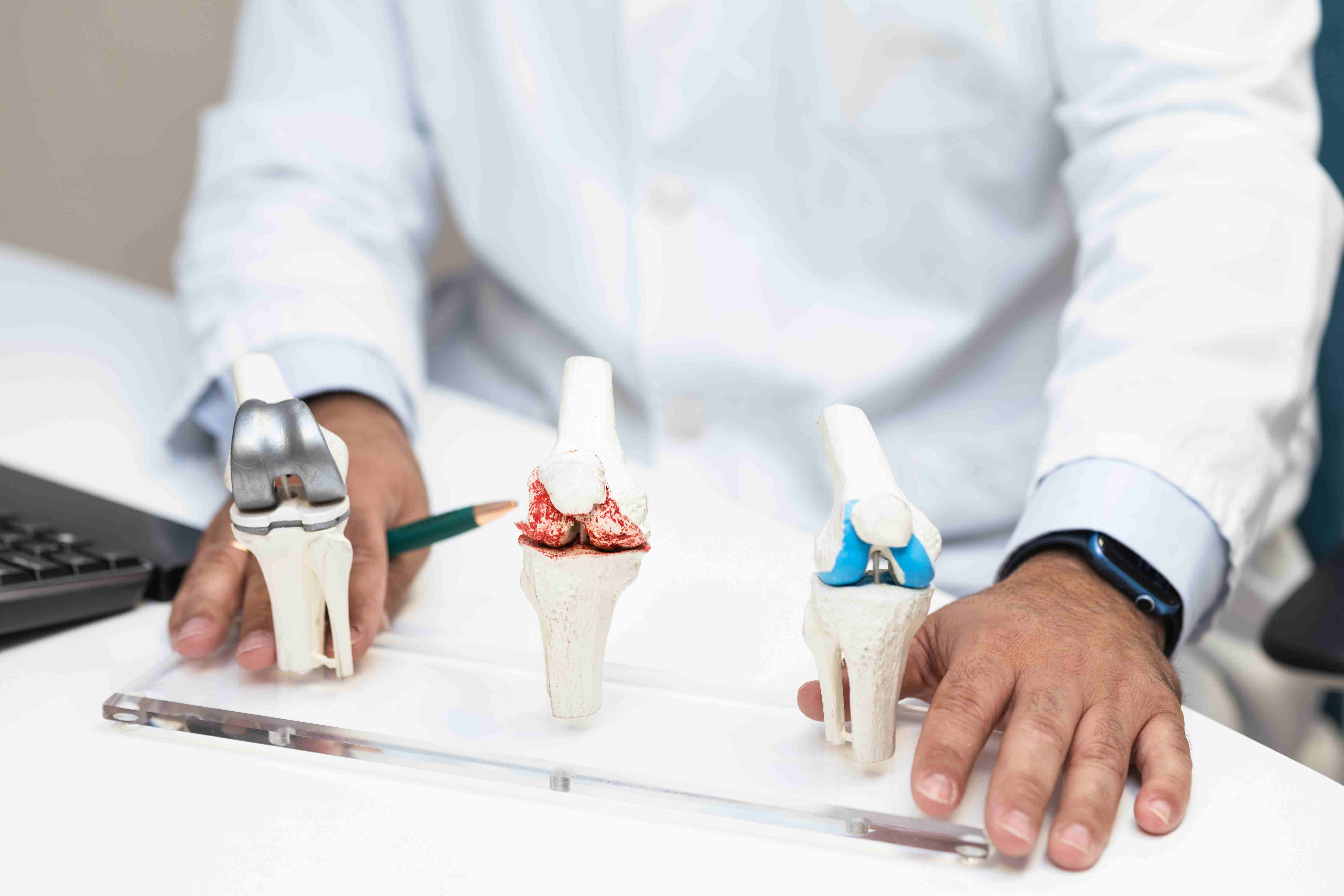
Childhood Sports Injuries In Noida: What Every Parent Needs To Know
Children playing together outdoors, emphasizing active play and injury prevention from an early age.
Sports and physical activity are genuinely good for children. The evidence is clear and consistent: childhood activity builds bone density, improves coordination, fosters resilience, and supports mental health. Organised sport in schools and academies across Noida and Greater Noida keeps thousands of children active and engaged.
But where there is sport, there are injuries. That is a simple reality, and it does not mean children should be kept away from activity. What it does mean is that parents and coaches need to understand how sports injuries in children differ from those in adults, what the common injury patterns are, which symptoms require urgent attention, and when to bring a child to an orthopedic specialist rather than waiting and hoping things improve on their own.
Why Children's Sports Injuries Are Different
A child's body is not a smaller adult body. The key structural difference that every parent should understand is the growth plate. Growth plates, also called physes, are areas of cartilage near the ends of the long bones where new bone tissue is produced during growth. In children and adolescents, these areas are softer and more vulnerable than the surrounding bone. An injury that would cause a ligament sprain in an adult may instead fracture through the growth plate in a child, because the growth plate gives way before the ligament does.
Growth plate injuries are taken seriously by orthopedic surgeons because if not treated correctly, they can disrupt normal bone growth, leading to limb length discrepancy or angular deformity. This is why any significant injury in a child that causes persistent pain, swelling, or tenderness over a bone end needs to be properly evaluated, even if the child can still walk.
Children also tend to have a higher proportion of overuse injuries than adults. The reason is early sport specialisation; many children in Noida are playing one sport five or six days a week, year-round, from ages seven or eight. The same repetitive stresses on developing bones and tendons, without adequate rest or variation, lead to conditions like growth plate irritation, stress fractures, and tendon inflammation.
The Most Common Childhood Sports Injuries
Childhood sports injuries are common during physical activities and can range from minor sprains to more serious fractures or ligament injuries that require proper medical attention.
1. Sprains And Strains
Ankle sprains are the most common acute sports injury in children over the age of ten. They typically occur from a roll or twist during football, basketball, or running. Most resolve well with the RICE method: Rest, Ice, Compression, Elevation, and physiotherapy. However, in younger children, apparent ankle sprains should be evaluated to rule out a growth plate fracture (which can look similar on clinical examination but requires different management).
2. Growth Plate (Physeal) Fractures
These fractures occur around the knee, ankle, wrist, and elbow most commonly. The Salter-Harris classification grades physeal fractures from I to V based on severity. Most are managed with casting; more complex fractures may require surgical fixation to ensure the growth plate heals in proper alignment. Any injury in a child that causes persistent point tenderness at or near a joint with or without swelling should be X-rayed. Saying "it's just a sprain" without imaging in a growing child can miss a physeal fracture.
3. Osgood-Schlatter Disease
This is not a disease in the traditional sense; it is a traction apophysitis, meaning repetitive pulling of the patellar tendon on the developing tibial tubercle (the bony bump just below the kneecap). It is extremely common in active children between ages 10 and 16, and causes localised pain and tenderness at that point on the shin.
It is almost always managed without surgery: activity modification, targeted physiotherapy, and patience as the child grows through the vulnerable period. The condition typically resolves once the growth plate closes. However, children with significant pain from Osgood-Schlatter should be assessed by an orthopedic specialist to confirm the diagnosis and manage it correctly. Pushing through severe pain can occasionally cause the bone fragment to avulse.
4. ACL Tears In Adolescents
Once rare in young patients, ACL tears in adolescents, particularly girls aged 14 to 18 involved in football, volleyball, and gymnastics, have become increasingly common. The reason is partly neurobiological (hormonal differences that affect ligament laxity in adolescent girls) and partly related to the intensified training schedules of school and academy sport.
ACL tears in adolescents are managed differently from those in adults because the growth plates are still open. Surgical technique has to account for this to avoid disrupting normal growth. Dr. Ankur Singh has experience managing ACL injuries in adolescent athletes and tailors the surgical approach to the individual's skeletal maturity.
5. Little Leaguer's Shoulder And Elbow
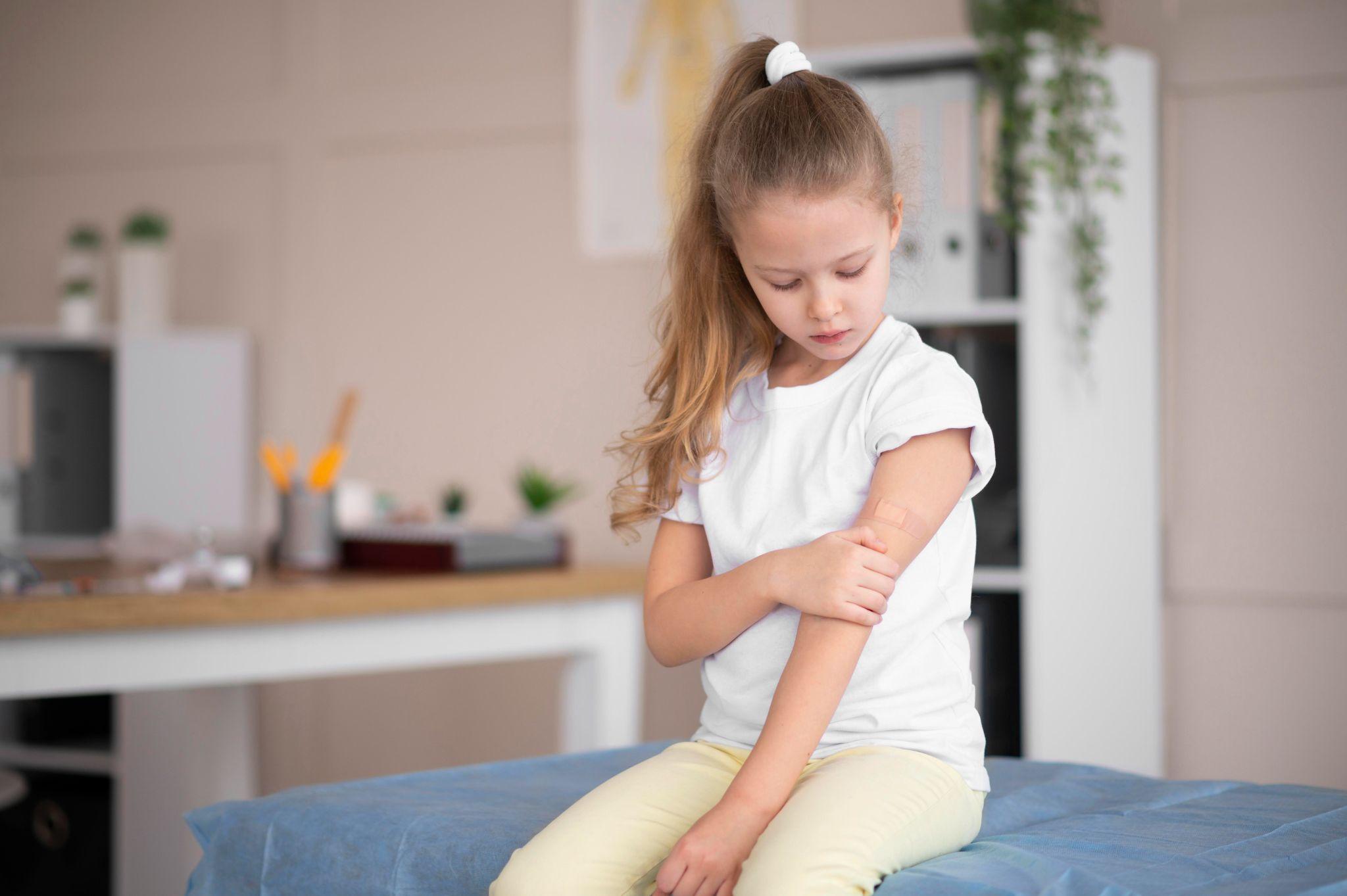
A girl touching her elbow in pain.
Children who throw repetitively, such as bowlers in cricket, javelin throwers, and players in baseball-style games, are at risk of overuse injuries to the shoulder and elbow growth plates. Pain during throwing, especially at the outside of the elbow (lateral) or the inside (medial), should be evaluated promptly. Continued throwing through this pain can result in permanent damage to the growth plate.
6. Stress Fractures
Stress fractures in children typically affect the shins (tibia), feet (metatarsals), and lower back (lumbar stress fractures in gymnasts and fast bowlers). They are caused by repetitive loading without adequate recovery time. The hallmark is pain that worsens with activity and improves with rest. Without proper diagnosis and management, stress fractures can progress to complete fractures.
Warning Signs That Require Immediate Attention
Take your child to a doctor immediately (including the emergency department if necessary) if they experience:
- An obvious deformity of a limb (the bone looks out of position).
- Inability to bear weight on a leg or use an arm after an injury.
- Severe, rapidly increasing pain and swelling.
- Numbness or tingling in the limb following an injury.
- A visible wound with possible bone exposure.
- Suspected head injury with confusion, vomiting, or loss of consciousness (concussion).
When To See A Paediatric/Orthopedic Specialist In Noida
Schedule a specialist evaluation with Dr. Ankur Singh's clinic in Noida or Greater Noida if:
- Pain has persisted for more than two weeks after an injury without significant improvement.
- Your child is limping or altering the way they move.
- Your child reports pain regularly during or after their sport.
- An X-ray has been taken and shows a fracture or growth plate involvement.
- Your child has had more than one ankle sprain, and the ankle seems unstable.
- A swelling or lump has appeared around a joint without a clear explanation.
Parents sometimes feel reluctant to bring a child for an orthopedic consultation, fearing they are overreacting. The reality is the opposite; delayed diagnosis of growth plate injuries, stress fractures, or ACL tears in adolescents frequently leads to complications that more timely intervention would have avoided.
Preventing Sports Injuries In Children
Prevention is more effective than treatment, particularly in children, where growth plate involvement can have lasting consequences.
Warm up and cool down properly. Twenty minutes of dynamic warm-up, not just static stretching, before sport activates the muscles and reduces injury risk significantly. Cool-down helps the body transition out of high-intensity activity.
Avoid early sport specialisation. Encouraging children to play multiple sports keeps different muscle groups active and prevents repetitive stress on the same structures. Children who play only one sport year-round have significantly higher rates of overuse injuries.
Respect rest. At least one full rest day per week, and a planned off-season of several weeks, allows the developing musculoskeletal system to recover and reduce cumulative stress.
Ensure proper equipment and technique. Ill-fitting shoes, incorrect protective gear, and poor throwing or running technique are all modifiable risk factors for injury in young athletes.
Listen to the child. Children should never be encouraged to "play through the pain." Pain in a growing athlete is a signal that something needs attention.
Childhood Sports Injury Care at Dr. Ankur Singh's Practice In Noida
A smiling child raises their hand to high-five a friendly doctor in a clinical setting.
Dr. Ankur Singh treats both adult and childhood sports injuries at his practice in Noida and at KDSG Superspeciality Hospital in Greater Noida. His experience in arthroscopy and joint surgery, combined with an understanding of the unique considerations involved in treating growing athletes, makes him a trusted resource for parents across the Delhi-NCR region. If your child has sustained a sports injury in Noida or Greater Noida and you are concerned about the recovery or need a specialist evaluation, do not delay. To book a consultation, call the number listed on this website.
Frequently Asked Questions
1. At what age can children have orthopedic surgery?
Surgery in children is considered when the risk of not operating outweighs the risk of the procedure, for example, in displaced growth plate fractures that require fixation, or ACL tears in adolescents who want to return to competitive sport. The approach is always tailored to the child's age, skeletal maturity, and specific injury.
2. How long does it take for a child to recover from a sports injury?
Children generally heal faster than adults because of their active growth and regenerative capacity. Simple fractures heal in four to six weeks. Growth plate injuries require careful monitoring to ensure healing is proceeding correctly. Recovery from ACL reconstruction in adolescents follows a similar nine-to-twelve-month timeline as adults.
3. Is it safe for children to continue sports after recovering from a sports injury?
In most cases, yes, with proper rehabilitation and clearance from the treating physician. Returning too early, however, significantly increases the risk of re-injury. Your orthopedic surgeon's guidance on return-to-sport timing is important to follow.
Dr. Ankur Singh | Best Orthopedic Surgeon in Noida | Childhood Sports Injuries | ACL Reconstruction Noida | KDSG Superspeciality Hospital, Greater Noida
Medical Disclaimer
The information provided on this website is for educational purposes only and should not be considered as medical advice. Please consult Dr. Ankur Singh or a qualified healthcare professional for personalized medical guidance.
Share this blog:
 Copy
Copy