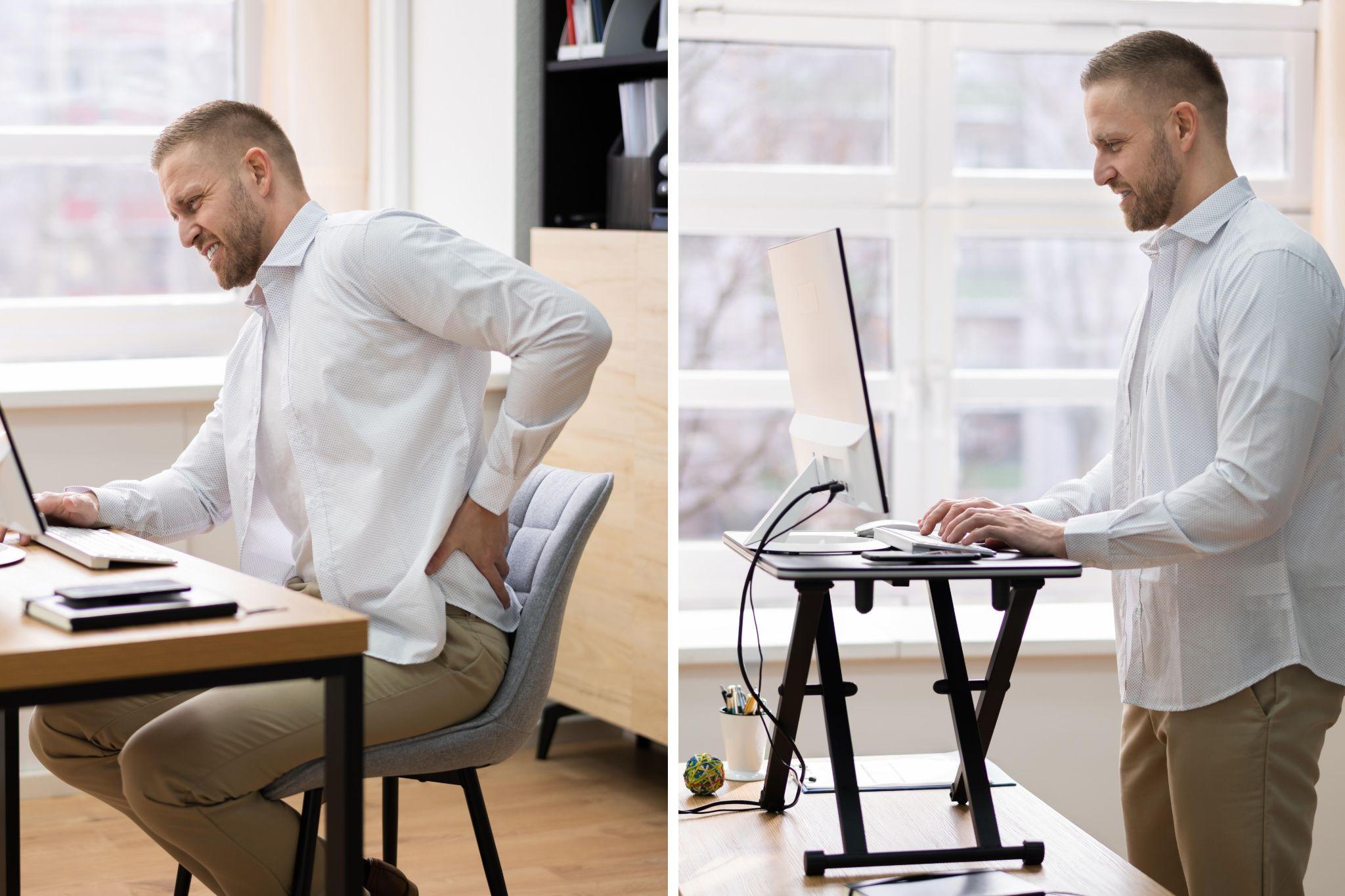
Common Household Habits That Damage Your Spine
Back pain has become one of the most common complaints in the modern household. Many people deal with stiffness, soreness, or discomfort without realizing that their daily home habits are silently damaging the spine. This article points out the everyday household habits that hurt your back and gives practical fixes you can apply easily to protect your spine and improve your posture naturally.
Why Spine Health Matters
The spine is much more than just your backbone. It is a highly active part of the body that supports movement, balance, and nerve communication. A healthy spine keeps your body in proper alignment and helps you stay flexible and coordinated.
When your spine health is compromised, you may face conditions such as:
- Chronic back or neck pain
- Muscle ache or stiffness
- Poor posture and imbalance
- Limited mobility or flexibility
Caring for your spine is not only a matter of comfort. It is also tied closely to your overall quality of life. Looking after your spine now helps prevent long-term problems and supports your independence into old age.
Poor Sitting Posture While Watching TV or Using the Phone
People often sit for hours watching TV or scrolling through their phones while slouching or leaning forward. These positions, sometimes called "tech neck," strain the cervical spine and place an extra burden on the lower back. Over time, this leads to muscular imbalance and chronic pain.
How to Fix It
- Sit upright so your back is fully supported against the chair.
- Keep the TV or phone screen at eye level and avoid leaning forward.
- Take short stretching breaks every 30 to 40 minutes to relieve tension.
- Do simple back stretches or shoulder rolls to realign the body.
Working From the Bed or Couch
Working or studying in bed feels comfortable, but it places the spine in an unnatural position. Without proper back support, the neck and lumbar spine curve incorrectly, and the core muscles weaken over time.
Healthy Alternatives
- Use a sturdy chair and table that offer proper back support.
- Keep your spine in a neutral position with your shoulders relaxed.
- If you are lying on a couch, place a pillow behind your lower back for support.
- Set up a proper ergonomic workstation at home to avoid long-term strain and improve productivity.
Improper Lifting of Heavy Household Items
One of the major causes of back injury is lifting heavy objects the wrong way. Bending at the waist while picking up buckets, groceries, or furniture puts a great amount of stress on the spinal discs and muscles.
Correct Lifting Technique
- Always bend your knees, not your back.
- Carry items close to your body.
- Avoid twisting or jerking while lifting.
- For heavy weights, ask for help or use mechanical assistance.
Good lifting mechanics help prevent spinal misalignment along with herniated discs and lower back injuries.
Sleeping on the Wrong Mattress or Pillow
A low-quality mattress or an unsuitable pillow can disrupt sleep and cause the spine to fall out of alignment. A sagging mattress does not support the natural curve of your spine, which often leads to pain and stiffness in the morning.
Tips for Spine-Friendly Sleep
- Sleep on a medium-firm mattress that keeps your back correctly aligned.
- Use a pillow that keeps your head in line with your spine.
- Avoid sleeping on your stomach, because it twists the neck and spine.
- Maintain a good sleeping environment so your spine can rest, recover, and stay in its natural position.
Standing for Long Periods Without Support
Many household tasks, such as cooking and ironing, are done while standing. Standing for extended periods, especially on hard floors, strains the lower back and legs.
What You Can Do
- Use anti-fatigue mats in the kitchen.
- Take brief sitting breaks every 20 to 30 minutes.
- Shift your weight from one foot to the other so pressure does not stay in a single area for too long.
These minor changes can greatly reduce spinal strain while still letting you finish your day-to-day tasks.
Neglecting Core and Back Exercises
A weak core does not support your spine well, which leaves you more vulnerable to back pain and poor posture. A few simple exercises can help strengthen the spine:
- Planks: Build core stability and reduce lower back stress.
- Bridges: Develop and strengthen the glutes and lower back muscles.
- Cat-cow stretches: Improve flexibility and spinal mobility.
Regular exercise keeps your back muscles strong, supports good posture, and helps you avoid long-term pain.
Carrying Heavy Bags or Buckets on One Side
Most of us tend to carry handbags, groceries, or laundry baskets on one shoulder, which unknowingly puts uneven pressure on the spine. Over time, this can cause muscle imbalance and an abnormal curvature.
Better Habits
- Distribute the weight evenly on both sides.
- Use backpacks with two straps instead of single-shoulder bags.
- Move heavier items using trolleys or carts.
- If you carry something by hand, change hands frequently.
Balanced weight distribution helps prevent the poor posture that can lead to spinal misalignment.
Sitting on Soft Couches for Long Hours
Sitting on a soft couch for long hours can cause your spine to sink into an unhealthy, rounded posture. This increases pressure on the lower back and can lead to chronic pain. Choose firmer seating with proper lumbar support, and use a cushion behind your lower back when a soft sofa is your only option.
Ignoring Small Pains and Bad Habits
Mild back and neck pain is often written off as "normal," yet these small signals can point to developing spinal issues. Left unheeded, these early warning signs may progress to chronic pain or disc degeneration.
Preventive Steps
- Take frequent posture breaks throughout the day.
- Stretch your back and shoulders from time to time.
- If pain persists, seek a physiotherapy opinion.
Early intervention prevents long-term damage and helps you return to good spinal health sooner.
More Tips for Keeping Your Spine Healthy
Spine health is about consistent care and mindful movement. Here are some extra tips for long-term back wellness:
- Maintain a healthy weight to avoid putting extra strain on your spine.
- Keep moving and avoid very long periods of sitting.
- Practice good posture when using your phone, laptop, or television.
- Take stretching breaks during household chores or desk work.
- Stay hydrated, since your spinal discs need water for flexibility and cushioning.
Small lifestyle improvements go a long way toward keeping your spine strong and free from pain.
When to See a Doctor
Most household-related back strain improves with rest and better posture, but some symptoms need professional attention. See an orthopedic specialist if you notice any of the following:
- Back pain that lasts longer than two weeks despite rest
- Numbness, tingling, or weakness in your legs or arms
- Pain that radiates down one or both legs
- Loss of bladder or bowel control
- Pain following a fall, lift, or other injury
- Night pain that disturbs your sleep or does not improve with position changes
These signs can indicate nerve involvement or a structural problem that should be evaluated promptly.
Conclusion
Most spine problems start with simple, poor home habits. Whether it is sitting badly, lifting incorrectly, or ignoring your posture, these small actions can add up to major issues later. With more awareness throughout your day and small adjustments to your ergonomics, you can protect your spine, improve your posture, and stay pain-free.
If your back or neck pain persists or keeps coming back, do not ignore it. Dr. Ankur Singh, a senior orthopedic surgeon in Noida, can assess your spine, identify the cause, and guide you toward the right treatment. Book a consultation to get a clear plan for lasting relief.
Frequently Asked Questions
What are the worst habits for spine health?
Slouching, lifting heavy items incorrectly, and sleeping on an unsuitable mattress are among the most common causes of strain on the spine. Carrying bags on one shoulder and sitting for long, unbroken hours also add to the problem over time.
Can sitting for long hours damage my spine?
Yes. Long periods of sitting put greater pressure on the spinal discs, weaken the back muscles, and often lead to poor posture. Standing up and moving every 30 to 40 minutes helps reduce this load.
What is the best posture for watching TV?
Sit upright with your back supported, your knees at roughly a right angle, and the screen positioned at eye level. Avoid leaning forward or slouching into a soft couch for long stretches.
How can I strengthen my spine at home?
Simple exercises such as planks, cat-cow stretches, and bridges help strengthen the core and back muscles that support your spine. Practice them regularly and stop if any movement causes sharp pain.
When should I see a doctor for back pain?
If pain lasts longer than two weeks, or if you have numbness, tingling, or weakness in your legs, seek medical attention promptly. Sudden severe pain after an injury or any loss of bladder or bowel control needs urgent care.
Medical Disclaimer
The information provided on this website is for educational purposes only and should not be considered as medical advice. Please consult Dr. Ankur Singh or a qualified healthcare professional for personalized medical guidance.
Share this blog:
 Copy
Copy