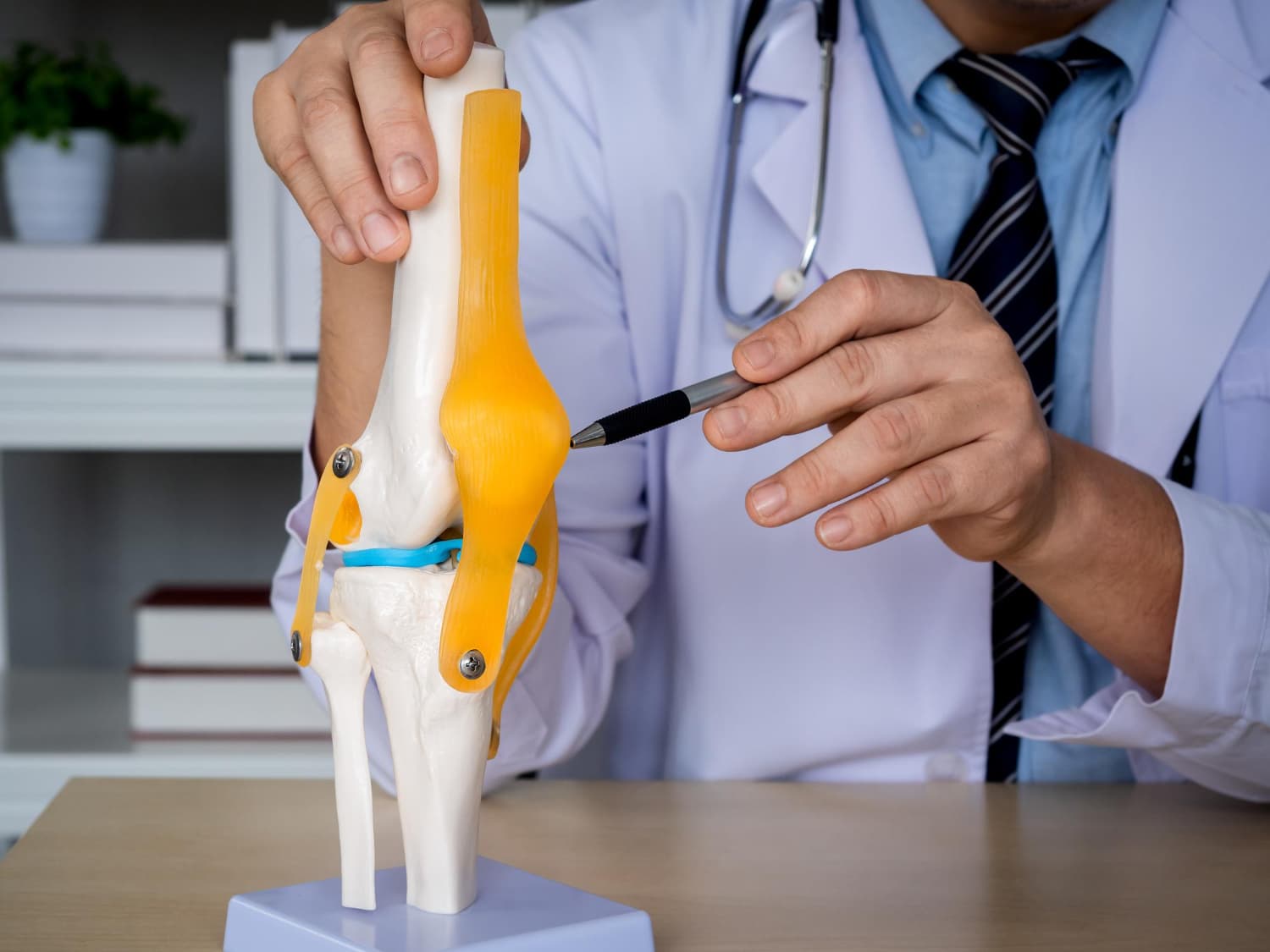
Innovative Surgical and Non-Surgical Solutions for Treating ACL Tears
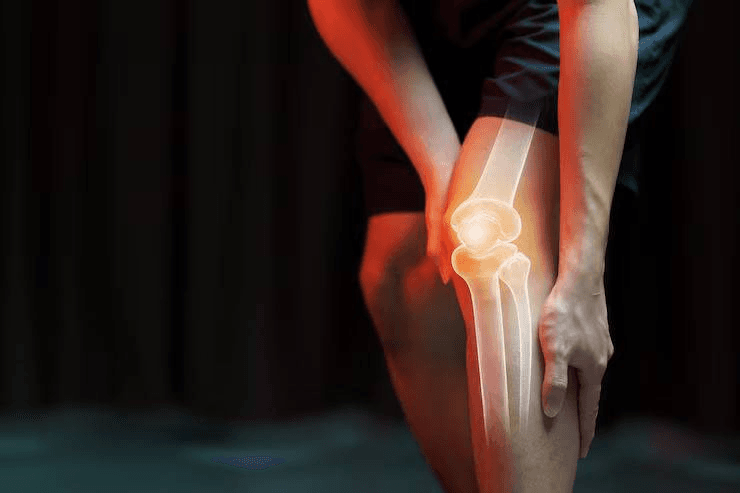
An Anterior Cruciate Ligament (ACL) tear is one of the most common knee injuries, especially among athletes involved in sports like soccer, basketball, skiing, and football.
Overview of ACL Tears
Typical Reasons for ACL Tears
- Sudden Twisting or Pivoting: Movements that involve sudden direction changes (like in soccer, basketball, or tennis) put stress on the ACL and can lead to a tear.
- Direct Impact or Trauma: A blow to the knee, such as during a collision or fall, can cause the ACL to tear.
- Jumping or Landing: Landing awkwardly after a jump can place excessive pressure on the ACL, leading to injury.
- Overuse or Degeneration: In some cases, the ACL may weaken over time due to repeated stress or degeneration.
Symptoms of an ACL Tear
- Sudden knee pain at the time of injury.
- Swelling around the knee joint within hours of the injury.
- Instability or weakness in the knee, making it difficult to walk or stand.
- A popping sound at the time of injury.
- Limited range of motion or inability to fully bend or straighten the knee.
Non-Surgical Treatment Options for ACL Tears
Physical therapy is the cornerstone of non-surgical treatment for ACL tears. The primary goals of rehabilitation include:
- Restoring knee strength: Strengthening the muscles around the knee joint, especially the quadriceps and hamstrings, to support the injured ACL.
- Improving stability and mobility: Exercises that focus on restoring proper movement patterns, balance, and stability.
- Reducing pain and inflammation: Techniques such as ice therapy and anti-inflammatory medications can help reduce swelling and discomfort. In many cases, physical therapy can allow the knee to function well enough for low-impact activities and non-athletic lifestyles.
- Corticosteroid injections: Help reduce inflammation and pain in the knee joint.
- Platelet-rich plasma (PRP) injections: PRP therapy uses the patient’s blood platelets to promote healing of the torn ligament.
- Hyaluronic acid injections: Used to lubricate the joint, reduce pain, and improve mobility in the knee.
In cases where surgery is not required, wearing a knee brace can provide added stability to the knee joint, particularly during activity. A brace helps reduce the risk of further injury and assists with managing symptoms of instability.
For some patients, injections can be used to relieve pain and inflammation. Some options include:
Surgical Treatment for ACL Tears
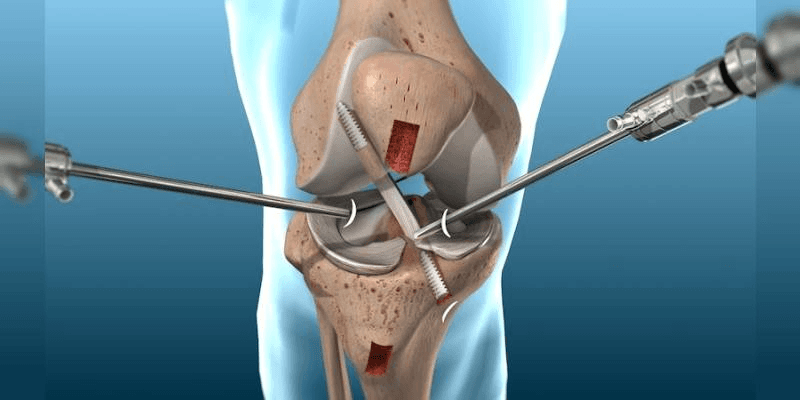
Arthroscopic surgery is a minimally invasive procedure in which small incisions are made around the knee. A tiny camera (arthroscope) is inserted into the knee joint to guide the surgeon in performing the surgery. The torn ACL is removed, and a graft is inserted to replace the damaged ligament.Benefits of Arthroscopic Surgery:
- Faster recovery: Smaller incisions lead to reduced tissue damage, resulting in a quicker recovery time.
- Less pain: With less tissue disruption, post-surgery pain is often minimal.
- Minimal scarring: The small incisions leave minimal visible scars.
- Shorter hospital stay: Most patients can return home the same day or the following day.
- Autograft (patient’s own tissue): Tissue taken from the patient’s patellar tendon, hamstring tendon, or quadriceps tendon.
- Allograft (donor tissue): Tissue obtained from a cadaver, commonly used for patients who prefer a quicker recovery.
- Synthetic grafts: Artificial materials used for ACL reconstruction in certain cases.
The success of ACL reconstruction depends largely on the type of graft used. Dr. Ankur Singh offers several graft options, including:
Why Choose Dr. Ankur Singh for ACL Tear Treatment?
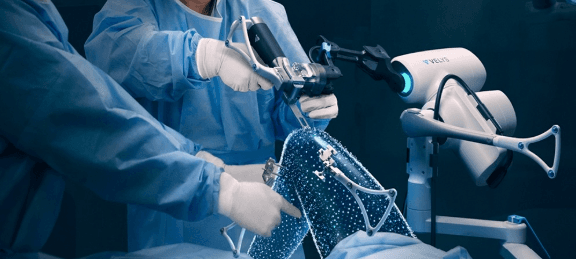
- Advanced Surgical Techniques: Dr. Singh uses minimally invasive arthroscopic techniques, ensuring a quicker recovery, less pain, and minimal scarring compared to traditional surgery.
- Personalized Treatment Plans: Every ACL tear is unique, and Dr. Singh takes a personalized approach to create a treatment plan based on your injury, lifestyle, and recovery goals.
- Expert Rehabilitation Guidance: After surgery, rehabilitation is key to recovery. Dr. Singh works closely with his patients to design a customized rehabilitation plan, ensuring a speedy recovery and full return to activity.
- Patient-Centered Care: Dr. Singh is committed to providing patient-first care, offering comprehensive support before, during, and after treatment. He ensures that you fully understand your treatment options and recovery expectations.
Book Your Consultation Today !
FAQs
- ACL reconstruction surgery
- Knee injury treatment Noida
- Arthroscopic surgery Noida
- ACL tear Noida
- Knee ligament repair
- Non-surgical ACL treatment
- Physical therapy ACL injury
- Sports injury treatment Noida
- Knee surgery Noida
- ACL injury rehabilitation
Book a Consultation with Dr. Ankur Singh
We use advanced medical technology and compassionate care to ensure each patient receives the most accurate diagnosis and effective treatment. Whether you're dealing with joint pain, fractures, or post-surgical rehab — you're in expert hands. Book your consultation today and start your journey toward strength and mobility.
Related Pages
Explore more health and orthopedic resources from Dr. Ankur Singh.
/surgeons-passing-scissors-each-other-compressed.jpg)
Best Orthopedic Surgeon in Greater Noida
27 Apr 2026
/healthcare-concept-clinic-compressed.jpg)
Advanced Arthroscopy for PCL Reconstruction Surgery in Noida
27 Apr 2026

Meniscus Repair vs Meniscus Removal in Noida – Dr. Ankur Singh, Best Orthopedic in Noida
27 Apr 2026
/doctor-hospital-room-with-knee-injury-compressed.jpg)
Cartilage Repair & Restoration Procedures in Noida
19 Oct 2026

Injections for Knee & Shoulder Pain Relief
27 Apr 2026

Knee Replacement Surgery: Choosing Between Partial and Total
27 Apr 2026


लिगामेंट फटने के लक्षण (Symptoms of a Torn Ligament Hindi)
जानिए ligament tear (torn ligament) के प्रमुख लक्षण, कारण, जांच और उपचार के तरीके। लिगामेंट फटने की पहचान समय पर करें और सही इलाज पाएं।
13 Feb 2026
Dr. Ankur Team

Knee Replacement vs Knee Arthroscopy: क्या अंतर है?
Knee replacement और knee arthroscopy में क्या अंतर है? जानिए दोनों सर्जरी के फायदे, प्रक्रिया, रिकवरी और किस दर्द में कौन-सा इलाज सही है।
05 Feb 2026
Dr. Ankur Team

ACL, PCL और Meniscus Tear से बचाव कैसे करें
ACL, PCL और मेनिस्कस टियर से बचाव के आसान तरीके जानें। घुटने को मजबूत रखने के लिए एक्सरसाइज, सावधानियां और विशेषज्ञ सलाह।
03 Feb 2026
Dr. Ankur Team

रूमेटॉइड आर्थराइटिस और ऑस्टियोपोरोसिस में क्या अंतर है?
रूमेटॉइड आर्थराइटिस और ऑस्टियोपोरोसिस क्या हैं, इनमें क्या अंतर है, लक्षण, कारण और इलाज। हड्डियों से जुड़ी सही जानकारी हिंदी में।
04 Feb 2026
Dr. Ankur Team

नोएडा में बेस्ट हिप रिप्लेसमेंट सर्जरी – पूरी जानकारी आसान भाषा में
हिप दर्द, गठिया या फ्रैक्चर से परेशान हैं? जानिए नोएडा में बेस्ट हिप रिप्लेसमेंट सर्जरी क्या है, कब जरूरी होती है और रिकवरी कैसी रहती है।
06 Feb 2026
Dr. Ankur Team

आर्थराइटिस मतलब क्या होता है? (Arthritis Meaning in Hindi)
आर्थराइटिस meaning in Hindi सरल भाषा में समझें। घुटने दर्द के कारण, लक्षण, प्रकार, उपचार और बचाव के तरीके जानें।
10 Dec 2025
Dr. Ankur Team

Knee Arthroscopy Recovery: How Fast Can You Really Get Back to Normal?
Knee arthroscopy is day-care surgery — but recovery varies hugely by what was done inside. Dr. Ankur Singh, knee surgeon in Noida, explains exactly how long recovery takes for each type of arthroscopic procedure.
19 Aug 2026
Dr. Ankur Team

गलत तरीके से चलने से घुटनों पर क्या असर पड़ता है
गलत चाल और चलने के तरीके से घुटनों पर क्या असर पड़ता है? जानिए लक्षण, कारण, जोखिम और सही समय पर इलाज क्यों ज़रूरी है।
20 Jan 2026
Dr. Ankur Team

Knee Arthroscopy In Noida: What It Is, When You Need It, And What Recovery Looks Like
Wondering if you need a knee arthroscopy in Noida or Greater Noida? Dr. Ankur Singh explains the conditions it treats, how keyhole knee surgery works, and what recovery actually involves.
22 May 2026
Dr. Ankur Team