Lower Back Pain in Students & Young Working Adults: Causes & Prevention
Lower back pain was once considered a problem of old age, but today more students and young working adults experience it regularly. Long hours of sitting, poor posture, heavy backpacks, mobile phone use and lack of movement have made lower back problems common in people as young as 16 to 35. Understanding the causes early, and knowing how to prevent them, helps you avoid lasting issues such as chronic backaches, slipped discs and posture deformities. This article explains why lower back pain is rising among young people and how simple lifestyle changes can keep your spine healthy.
Why Lower Back Pain Is Increasing in Students and Young Adults
Lifestyles among students and young adults have changed significantly, shifting from active movement throughout the day to prolonged sitting while studying, attending lectures, working on a laptop, gaming or scrolling through a phone. This constant pressure on the lower spine weakens the back muscles and leads to discomfort. Technology has made daily life easier, but it has also reduced the physical activity that keeps the spine strong and healthy.
Common Causes of Lower Back Pain
Several everyday habits contribute to lower back pain in younger people. Most of them build up gradually, which is why the discomfort can seem to appear out of nowhere.
Poor Posture
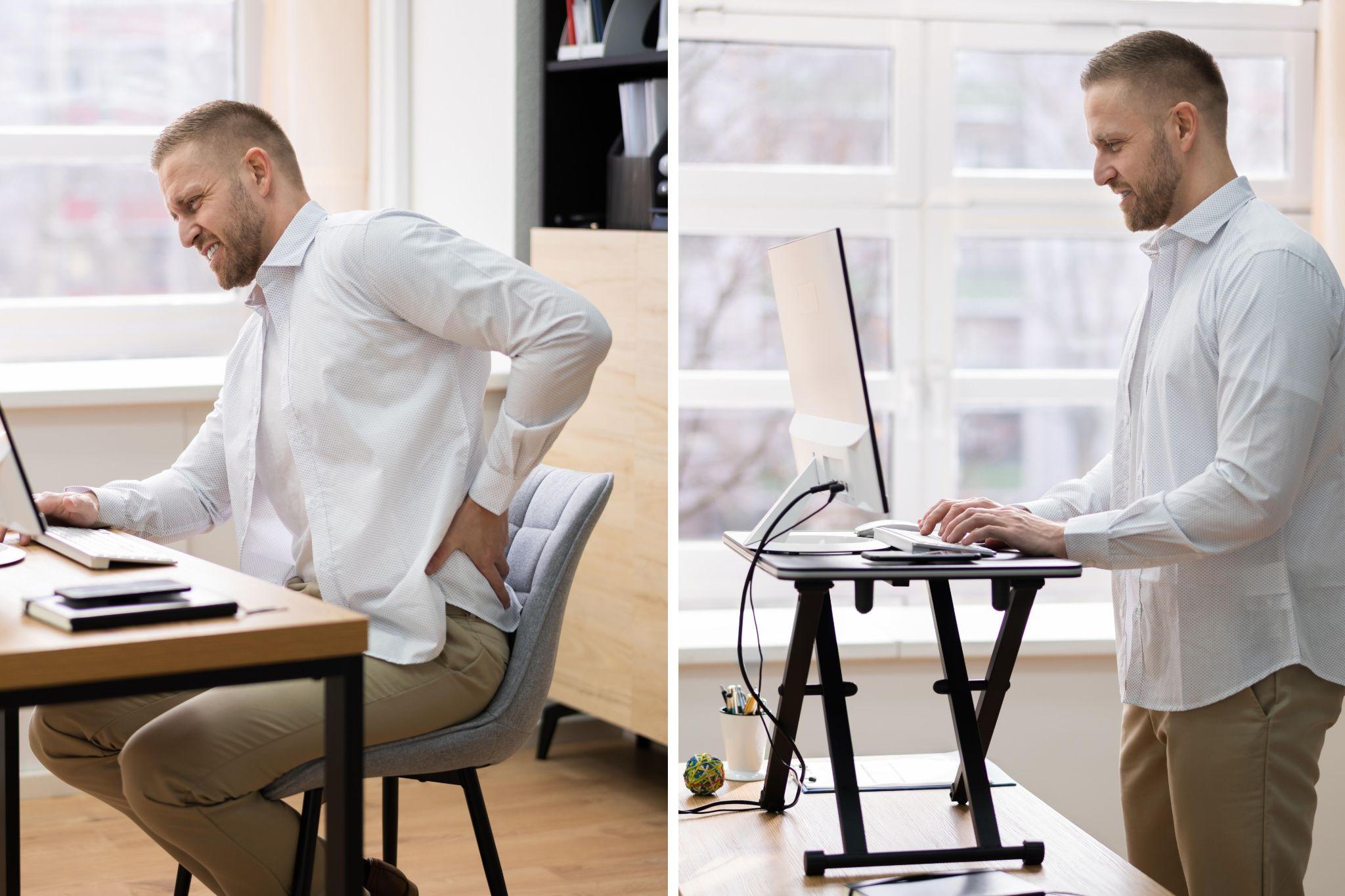
One of the major reasons for back pain is incorrect posture. Slouching or hunching while studying or working strains the spine and the surrounding muscles.
Common posture mistakes include:
- Leaning towards the laptop screen
- Sitting without back support
- Studying on the bed
- Keeping the neck bent while using a phone
- Slouching in chairs for long periods
Over time, these habits lead to muscle imbalances and stiffness.
Prolonged Sitting
Many students and employees sit for more than 8 hours a day. Sitting places more pressure on the lower spine than standing does. Without regular breaks to stretch, the muscles become tight and can cause pain and inflammation.
Effects of excessive sitting:
- Reduced blood flow to back muscles
- Tight hip flexors
- Weakened core muscles
- Increased risk of chronic back pain
Heavy Backpacks
School and college students often carry overloaded bags that shift body alignment and strain the lower back.
Issues caused by heavy bags:
- Uneven shoulder height
- Increased pressure on the spine
- Muscle fatigue
- Back stiffness and soreness
Lack of Exercise and Core Strength
A weak core means your spine does not get enough support. When the abdominal and back muscles are weak, the lower back takes on most of the load.
Reasons core strength reduces:
- Inactivity
- A sedentary lifestyle
- No stretching or strengthening exercises
Improper Sleeping Posture
Sleeping on a very soft mattress, using a pillow of the wrong height, or sleeping in a twisted position can all lead to back pain.
Common sleep-related mistakes:
- Sleeping on the stomach
- Sleeping with multiple pillows
- Sleeping on a sagging mattress
- Sleeping without support under the lower back
Stress and Mental Fatigue
Stress causes muscles to tighten, especially around the neck and lower back. Young adults facing academic or work pressure are more likely to experience tension-related back pain.
Sudden Overexertion
Incorrect lifting, intense workouts after months of inactivity, or poor form in the gym can strain the lower back.
How to Prevent Lower Back Pain
Lower back pain can often be prevented with consistent care and small lifestyle improvements.
Maintain the Right Posture
Correct posture reduces pressure on the spine and prevents muscle strain.
Tips for healthy posture:
- Sit with your back straight
- Keep your laptop at eye level
- Use a chair with proper lumbar support
- Keep both feet flat on the ground
- Avoid studying on the bed
Long-term back health improves significantly when posture is corrected early.
Take Frequent Breaks from Sitting
Short, regular breaks help relax the spine. A simple approach is to move at least once every 20 to 30 minutes.
Every 20 to 30 minutes:
- Stand up
- Stretch
- Move around for a short while
This improves blood flow and reduces stiffness.
Strengthen the Core
Regular exercise keeps the muscles around your spine strong.
Helpful exercises to prevent back pain:
- Planks
- Cat-cow stretch
- Bridge pose
- Child's pose
- Spine twists
- Light yoga sessions
Just 10 to 15 minutes a day can make a real difference.
Sleep on a Comfortable Mattress and Pillow
Your mattress should support the natural curve of your spine. A medium-firm mattress suits most people.
Sleep tips:
- Sleep on your back or side
- When sleeping on your back, place a pillow under your knees
- Avoid very thick pillows
- Replace sagging mattresses
Avoid Heavy Bags
Use lightweight bags and leave out unnecessary items. When you do carry a load, choose a backpack with wide straps and balance the weight evenly across both shoulders.
Reduce Stress
Relaxing the mind helps relax the muscles. Try:
- Deep breathing exercises
- Meditation
- Short walks
- Talking to friends
A relaxed mind reduces tension in the body.
Exercise Regularly
Regular activity prevents muscle tightness and improves spine flexibility.
Daily habits for a healthy spine:
- 30 minutes of walking
- Stretching after long hours of sitting
- Warming up before any hard workout
Use Ergonomic Furniture
Ergonomically designed chairs and workstations help maintain a natural spine position.
Ergonomic essentials include:
- An adjustable chair
- A footrest if needed
- Proper desk height
- A laptop stand
- An external keyboard or mouse
When to See a Doctor
If the pain is severe, persistent or radiating down into your legs, it may point to a more serious issue. See an orthopedic specialist if any of the following are present:
- Pain lasting more than 2 to 3 weeks
- Numbness or tingling in the legs
- Difficulty bending or walking
- Sudden pain after lifting something heavy
- Pain that interferes with sleep
At Dr. Ankur's clinic, we focus on personalised, evidence-based orthopedic care to help every patient move freely and confidently. From accurate diagnosis to advanced treatment and rehabilitation, the goal is to restore mobility, relieve pain and improve quality of life with care and precision.
Frequently Asked Questions
Is lower back pain in young people serious?
Most lower back pain in students and young adults is caused by everyday habits and improves with posture correction, exercise and rest. It becomes a concern when the pain is severe, lasts more than a few weeks, or spreads to the legs. In those cases, an orthopedic evaluation is advisable.
How long does posture-related back pain take to improve?
When the cause is poor posture or prolonged sitting, many people feel relief within a few weeks of correcting their habits and adding gentle exercise. Recovery time varies from person to person. If there is no improvement, a specialist can rule out other causes.
Can exercise make back pain worse?
Gentle, controlled exercise usually helps by strengthening the muscles that support the spine. Pain tends to worsen with sudden, intense workouts or poor lifting form. Start slowly, warm up first, and stop any movement that sharply increases pain.
What kind of mattress is best for back pain?
A medium-firm mattress that supports the natural curve of the spine works well for most people. A mattress that is too soft or sagging can worsen back pain. Pairing it with a pillow of the right height also helps maintain good alignment.
Conclusion
Lower back pain is increasingly common among students and young working adults. The encouraging part is that it is largely preventable. Most back problems can be avoided with mindful posture, regular exercise, good sleep habits and less time spent sitting. Small adjustments today can protect your spine for years to come.
If your back pain is persistent or affecting your daily life, do not wait for it to worsen. Consult Dr. Ankur Singh, orthopedic specialist in Noida, for an accurate diagnosis and a personalised treatment plan that helps you stay active and pain-free.
Medical Disclaimer
The information provided on this website is for educational purposes only and should not be considered as medical advice. Please consult Dr. Ankur Singh or a qualified healthcare professional for personalized medical guidance.
Share this blog:
 Copy
Copy