How to lift heavy things without getting hurt?

Always bend your knees, not your back, because using your legs reduces pressure on your spine and prevents lower-back strain.
Lifting something heavy sounds straightforward, until you're lying on a clinic bed with a herniated disc wondering what went wrong. I see this pattern at my practice in Noida more often than you'd expect. A patient picks up a water can, shifts a sofa, or hoists a suitcase into a car trunk. They feel a sharp pull in their lower back. Within hours, they can't stand up straight.
The injury almost never comes from the weight itself. It comes from how the weight was lifted. Bad technique turns a 15-kg box into a spinal emergency. Good technique lets warehouse workers move 30-kg loads all day without trouble.
This isn't about being young or strong. I've treated 25-year-old gym regulars with disc bulges and 60-year-old farmers with perfectly healthy spines. The difference? Technique and awareness.
Why does safe lifting matter?
Your spine wasn't designed to act as a crane. The lumbar vertebrae (L4-L5 and L5-S1, specifically) bear the greatest mechanical load during a lift. When you bend at the waist with straight legs, the force on these discs can spike to 5-6 times the actual weight of the object. A 20-kg bag of cement, lifted with a rounded back, can put over 100 kg of compressive force on your lower spine.
Poor lifting habits cause:
- Lower back muscle strains, the most common, usually healing in 2-4 weeks with rest
- Herniated or bulging discs — where the soft center of a spinal disc pushes through a crack, often pressing on nerves. Recovery can take 6-12 weeks, sometimes requiring surgery
- Nerve compression (sciatica), shooting pain, numbness, or tingling running from the buttock down to the foot
- Shoulder rotator cuff tears, from jerking heavy objects overhead
- Knee ligament injuries — from unstable footing while carrying loads
Roughly one in three workplace injuries worldwide involves improper lifting. But workplace data only captures part of the picture. People hurt themselves every day at home, lifting toddlers, water drums, grocery bags, gas cylinders. In my clinic, domestic lifting injuries outnumber workplace ones by a wide margin.
Safe lifting protects your intervertebral discs, keeps your facet joints aligned, and distributes force through your strongest muscle groups, the quadriceps and glutes. It also spares your shoulders and knees from compensatory strain.
Preparing to lift: warm-Up and planning
Cold muscles are stiff muscles. Stiff muscles tear more easily. If you know you're about to move heavy items — shifting houses, loading a truck, rearranging a room, spend 5 minutes preparing your body first.
Warm-Up
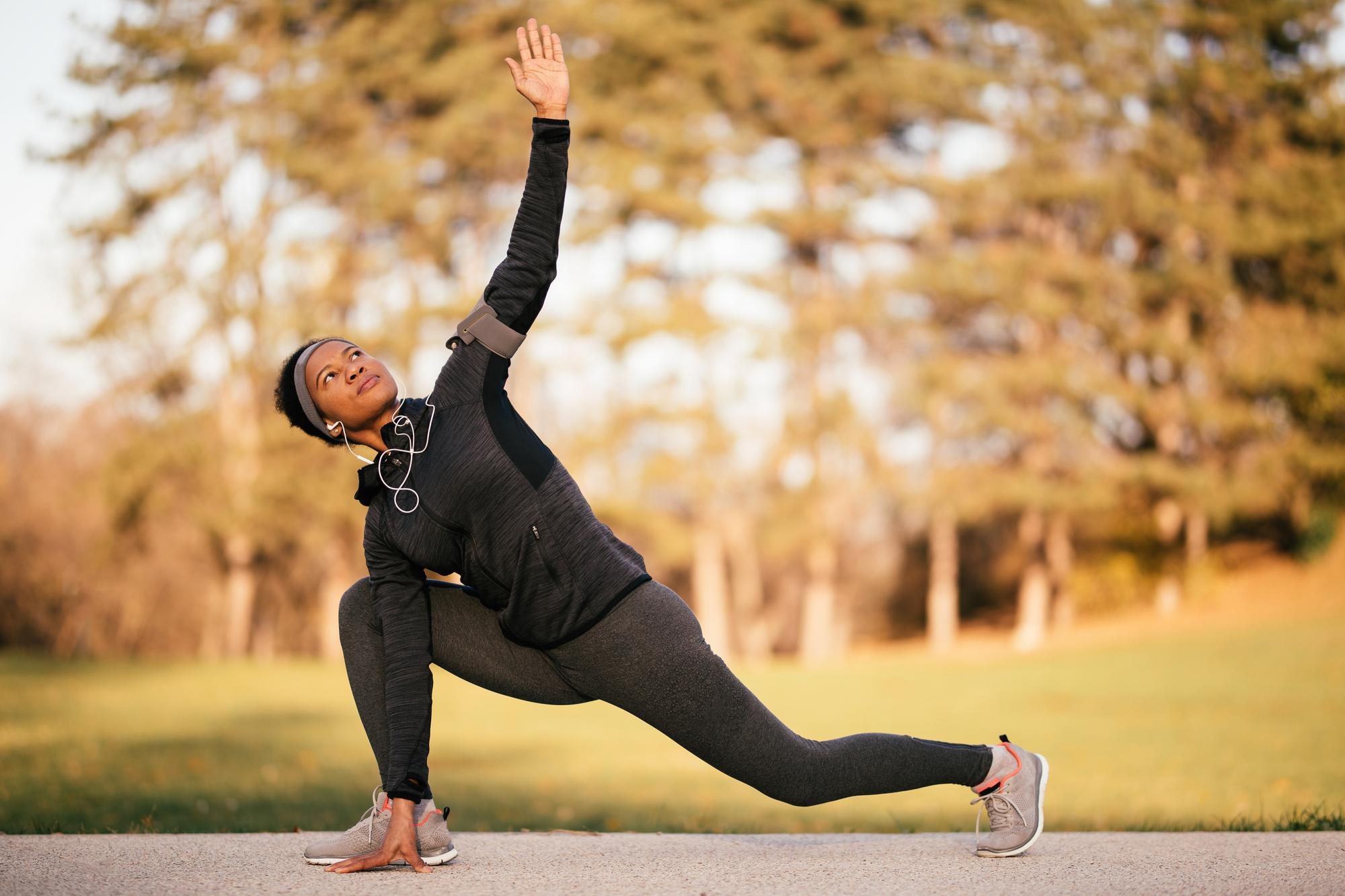
You don't need a full gym warm-up. Just get blood flowing to the muscles you'll use:
- Hamstring stretches, stand and reach toward your toes, hold for 15 seconds. Tight hamstrings pull on your pelvis and increase lower back strain during lifting
- Torso rotations — stand with hands on hips, rotate your upper body left and right slowly. This loosens the thoracolumbar fascia
- Shoulder rolls, 10 forward, 10 backward. Releases tension in the trapezius and deltoids
- Bodyweight squats, 5-10 reps. Activates your quadriceps and glutes, the exact muscles that should power your lift
- Cat-cow stretches — on all fours, alternate between arching and rounding your spine. Mobilizes the lumbar and thoracic segments
I tell my patients: if you wouldn't sprint without warming up, don't lift without warming up either. The forces involved are comparable.
Think before You lift
Before touching the object, answer three questions:
- Can I handle this alone? If the object weighs more than 20-25 kg, or if it's bulky and awkward to grip, get help. There's no medal for solo lifting
- Is the path clear? Wet tiles, loose rugs, steps, cables, toys on the floor, any of these can cause a slip while you're carrying weight. A fall with a load in your hands is far more dangerous than an empty-handed fall
- Where will I set this down? Know your destination before you start. Holding a heavy object while figuring out where to put it forces prolonged static loading on your spine
One more thing: wear shoes with non-slip soles. Chappals and socks on smooth floors are a recipe for disaster when carrying weight.

Avoid twisting your body while carrying weight; instead, move your feet to turn to prevent sudden spinal torque.
Step-by-Step: proper lifting technique
I walk patients through these steps in clinic, sometimes literally acting it out with a box of medical supplies. The technique feels awkward at first if you've spent decades lifting the wrong way. But within a week of conscious practice, it becomes second nature.
Step 1: Position your feet. Stand shoulder-width apart, with one foot slightly ahead of the other. This staggered stance gives you a wider base of support and better balance. Get as close to the object as possible — ideally, your toes should be touching or almost touching it.
Step 2: Bend at the knees and hips, not the waist. Lower yourself into a squat-like position. Your back should stay straight or slightly arched, never rounded. Think of your spine as a rigid plank that pivots only at the hips.
Step 3: Grip securely with both hands. Get a firm hold on the object from underneath or from the sides. If the object has handles, use them. If not, make sure your fingers are fully wrapped around it. A loose grip leads to sudden re-gripping, which causes jerking movements.
Step 4: Engage your core before you lift. Tighten your abdominal muscles as if bracing for a punch. This creates intra-abdominal pressure that stabilizes your lumbar spine like a natural weight belt.
Step 5: Drive upward with your legs. Push through your heels, straightening your knees and hips simultaneously. Your thigh muscles (quadriceps) and buttock muscles (glutes) should do the heavy work. Your back muscles provide stability, they should not be the primary movers.
Step 6: Keep the load close to your body. Hold the object against your torso, between your waist and chest height. Every centimeter the load moves away from your center of gravity multiplies the strain on your spine. Arms extended outward can double the effective load on your back.
Step 7: Turn with your feet, not your trunk. If you need to change direction, pivot on your feet. Twisting your torso while holding weight is one of the fastest ways to injure a spinal disc. The combination of compression and rotation is particularly dangerous for the L4-L5 disc.
Step 8: Set down in reverse order. Bend your knees and hips to lower the object. Don't just drop it or bend at the waist to place it down. The lowering phase causes just as many injuries as the lifting phase.
Common lifting mistakes to avoid
I can usually identify the lifting mistake by the type of injury a patient presents with:
- Rounding the back while bending — this flattens the natural lumbar curve and pushes disc material backward toward the spinal nerves. Causes: disc bulges and herniations. I see this most often in people who lift from the floor without bending their knees
- Jerking or yanking the weight up, sudden force generation can tear muscle fibers or pop a disc that was already weakened. Smooth, controlled acceleration is always safer
- Twisting while lifting, the classic "lift and turn" motion. Combines compression with shear force on the disc. Patients often describe feeling a "pop" followed by severe one-sided back pain
- Holding the object far from the body — carrying a box with arms extended doubles the mechanical disadvantage. Your back has to work exponentially harder
- Lifting with one hand, creates asymmetric loading on the spine. Both sides of your body should share the load equally
- Ignoring pain, a sharp or burning sensation during a lift isn't normal muscle fatigue. It's tissue damage happening in real time. Stop immediately. Continuing through pain almost always worsens the injury
- Lifting from awkward positions — reaching into a car trunk, pulling something off a high shelf, lifting from a seated position. These all put the spine in a mechanically vulnerable alignment
Safe lifting tips for home and workplace
Practical changes that prevent most injuries:
- Use lifting aids, trolleys, hand trucks, dollies, ratchet straps. They exist for a reason. At home, a simple wheeled platform under a heavy pot or water purifier saves countless back-risky lifts
- Team-lift heavy or bulky items, two people lifting a 40-kg object each bear roughly 20 kg. More importantly, they can keep the object balanced and close to their bodies
- Break loads into smaller trips — carrying four grocery bags in each hand isn't efficient; it's risky. Make two trips instead
- Clear the path before you start moving, walk the route empty-handed first if you're unfamiliar with it
- Wear proper footwear, closed-toe shoes with good grip. Sandals and flip-flops offer zero ankle stability
- Set up lifting stations at comfortable heights — if you regularly lift boxes at work, use tables or platforms so you're lifting from waist height rather than floor level. This eliminates the most dangerous part of the lift: the deep bend
- Alternate hands and sides, if carrying bags, switch hands periodically to avoid one-sided loading

Keep the load close to your body to maintain balance and reduce the force placed on your back muscles.
Prevention of injury through strength building
Your body's ability to safely handle heavy loads depends directly on the strength and endurance of your core, back, and leg muscles. People who exercise regularly injure themselves far less frequently during lifting tasks, not because they're stronger per se, but because their muscles can stabilize the spine under load.
Exercises that directly improve lifting safety:
- Planks (front and side) — strengthen the transverse abdominis, the deepest core muscle that wraps around your spine like a corset. Hold for 20-30 seconds, build to 60 seconds. Do 3 sets
- Glute bridges, lying on your back with knees bent, lift your hips toward the ceiling. Strengthens glutes and hamstrings while teaching proper hip hinge mechanics. 3 sets of 12-15 reps
- Goblet squats, holding a weight close to your chest while squatting. Mimics proper lifting form perfectly. Start with a light weight and focus on keeping your back straight
- Dead bugs — lying on your back, extending opposite arm and leg while keeping your lower back pressed to the floor. Trains anti-extension core stability. 3 sets of 8 per side
- Bird dogs, on all fours, extending opposite arm and leg. Builds coordination between core and back extensors. 3 sets of 10 per side
- Farmer's carries, walking while holding heavy weights at your sides. Builds grip strength, core endurance, and teaches upright posture under load
Aim for 3 sessions per week. These exercises take about 15-20 minutes and require minimal equipment.
Also, maintaining a healthy body weight significantly reduces the baseline load on your spine. Every extra kilogram of body weight adds approximately 4 kg of compressive force on the lumbar spine during daily activities.
When to See a doctor
Most mild lifting strains resolve with rest, ice, and over-the-counter anti-inflammatory medication within 1-2 weeks. But certain symptoms indicate something more serious:
- Shooting pain, numbness, or tingling down your leg — suggests nerve compression, possibly a herniated disc
- Inability to stand straight after a lift, may indicate severe muscle spasm or disc injury
- Loss of bladder or bowel control, this is a medical emergency called cauda equina syndrome. Go to the ER immediately
- Pain that worsens over days rather than improving — suggests ongoing tissue damage or inflammation
- Weakness in one or both legs, nerve involvement that needs urgent evaluation
- Pain that wakes you from sleep, rules out simple muscular causes
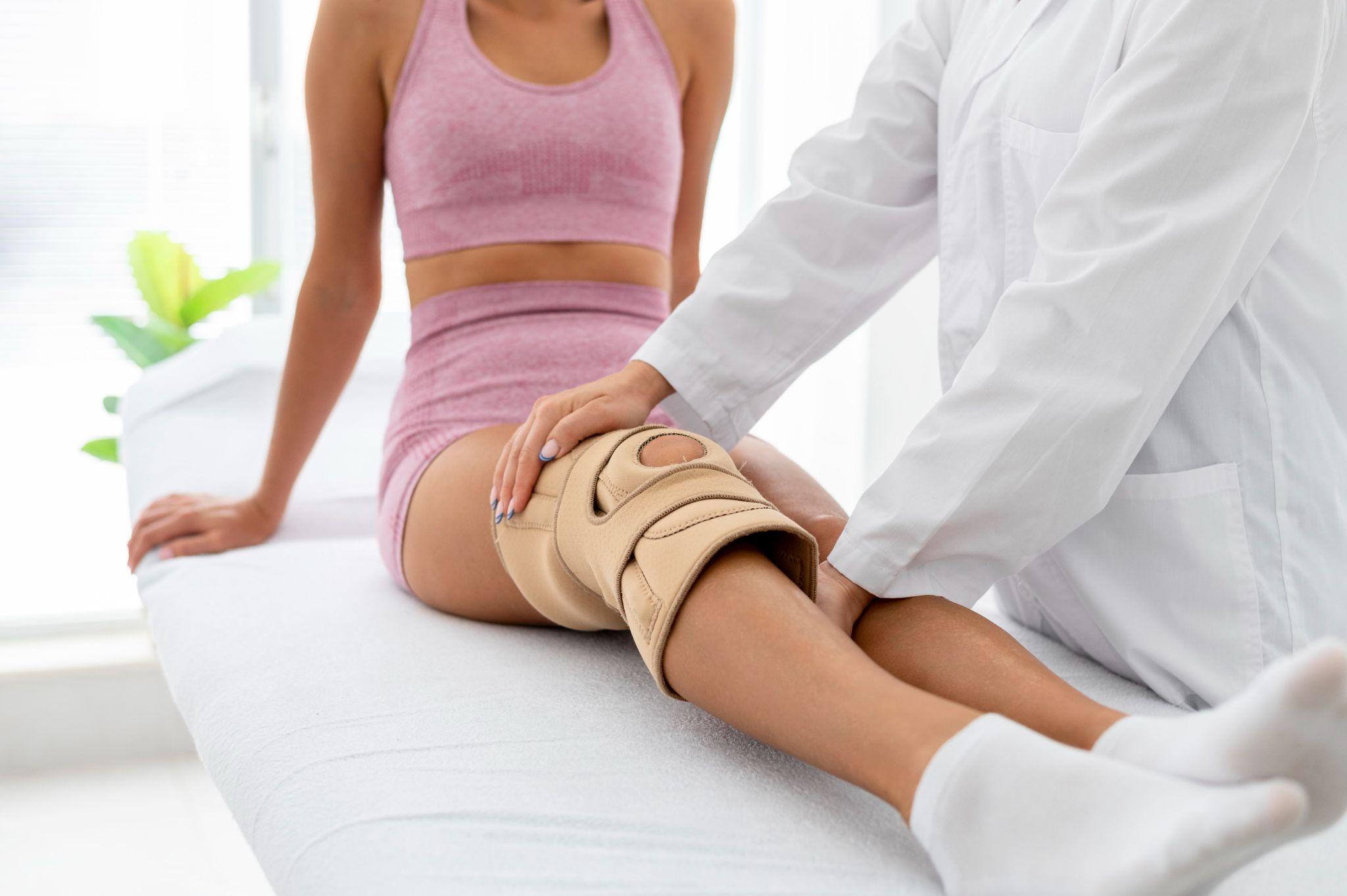
If you've injured your back while lifting and symptoms haven't improved within 7-10 days with home care, get a professional evaluation. An orthopedic consultation typically includes a clinical examination, and if needed, an MRI to assess disc and nerve status. Early intervention prevents a mild injury from becoming a chronic problem.
At KDSG Superspeciality Hospitals in Noida, I see patients with lifting injuries ranging from simple sprains to complex disc herniations. The vast majority — well over 90%, recover fully with conservative treatment: rest, physiotherapy, and technique correction. Surgery is rarely needed.
Frequently asked questions
What is the safest way to lift heavy objects?
Bend your knees into a squat position, keep your back straight, grip the object firmly, brace your core, and push up through your legs. Keep the object close to your body throughout. Turn with your feet, never by twisting your torso.
Why does my back hurt after I lift something heavy?
Most commonly because you bent at the waist with straight legs, which loads the lower lumbar discs with several times the object's actual weight. Twisting during the lift or holding the object far from your body are other frequent causes. If the pain includes leg symptoms like tingling or numbness, a disc may be pressing on a nerve.
How much weight is safe to lift?
There's no single answer, it depends on your fitness, body weight, age, and lifting experience. As a general guideline, most healthy adults can safely lift 15-20 kg using proper technique. If you need to strain, hold your breath, or feel your back rounding, the weight is too much. Use help or lifting aids.
Should I wear a belt while lifting heavy objects?
Lifting belts can provide some benefit for very heavy loads by increasing intra-abdominal pressure. But they're a supplement, not a substitute. I've seen patients who relied on belts while using terrible technique — they still got injured. Build core strength first. If you work in a job requiring frequent heavy lifting, a belt can offer additional support on top of good form.
What exercises strengthen my back for lifting?
Planks, glute bridges, squats, dead bugs, bird dogs, and farmer's carries. These target the core, glutes, and back extensors, the exact muscle groups that protect your spine during a lift. Consistency matters more than intensity. Fifteen minutes, three times a week, makes a real difference.
How long does it take for a lifting injury to heal?
A mild muscle strain typically resolves in 1-3 weeks. A moderate disc bulge may take 6-12 weeks with physiotherapy. A herniated disc pressing on a nerve can take 3-6 months and may occasionally require surgical intervention. The sooner you get treatment, the faster recovery tends to be.
Medical Disclaimer
The information provided on this website is for educational purposes only and should not be considered as medical advice. Please consult Dr. Ankur Singh or a qualified healthcare professional for personalized medical guidance.
Share this blog:
 Copy
Copy