Top Ways to Strengthen Bones Naturally
Strong bones support mobility, stability and overall quality of life. As we get older, bone density gradually decreases, which raises the risk of fractures, osteoporosis and other complications. The good news is that bone health can be supported naturally through the right mix of nutrients, smart lifestyle choices and timely medical guidance.
This article explains how bones grow, what leads to a loss in bone density, and the most effective dietary and lifestyle steps to strengthen your bones naturally.
Understanding Bone Health and Bone Remodeling
Bones are living tissues that continuously rebuild themselves through a process called bone remodeling. This balance keeps the skeleton strong throughout life.
Two essential cell types drive this process:
- Osteoblasts, which build new bone
- Osteoclasts, which break down old bone
Remodeling is faster during childhood and adolescence, helping us grow taller and stronger. Peak bone mass is generally reached around the age of 25 to 30 years, after which slow bone loss begins.
Several factors can accelerate that loss. These include aging, hormonal changes (particularly the reduction in estrogen during menopause), vitamin D deficiency, smoking, poor muscle strength and a sedentary lifestyle without weight-bearing activity.
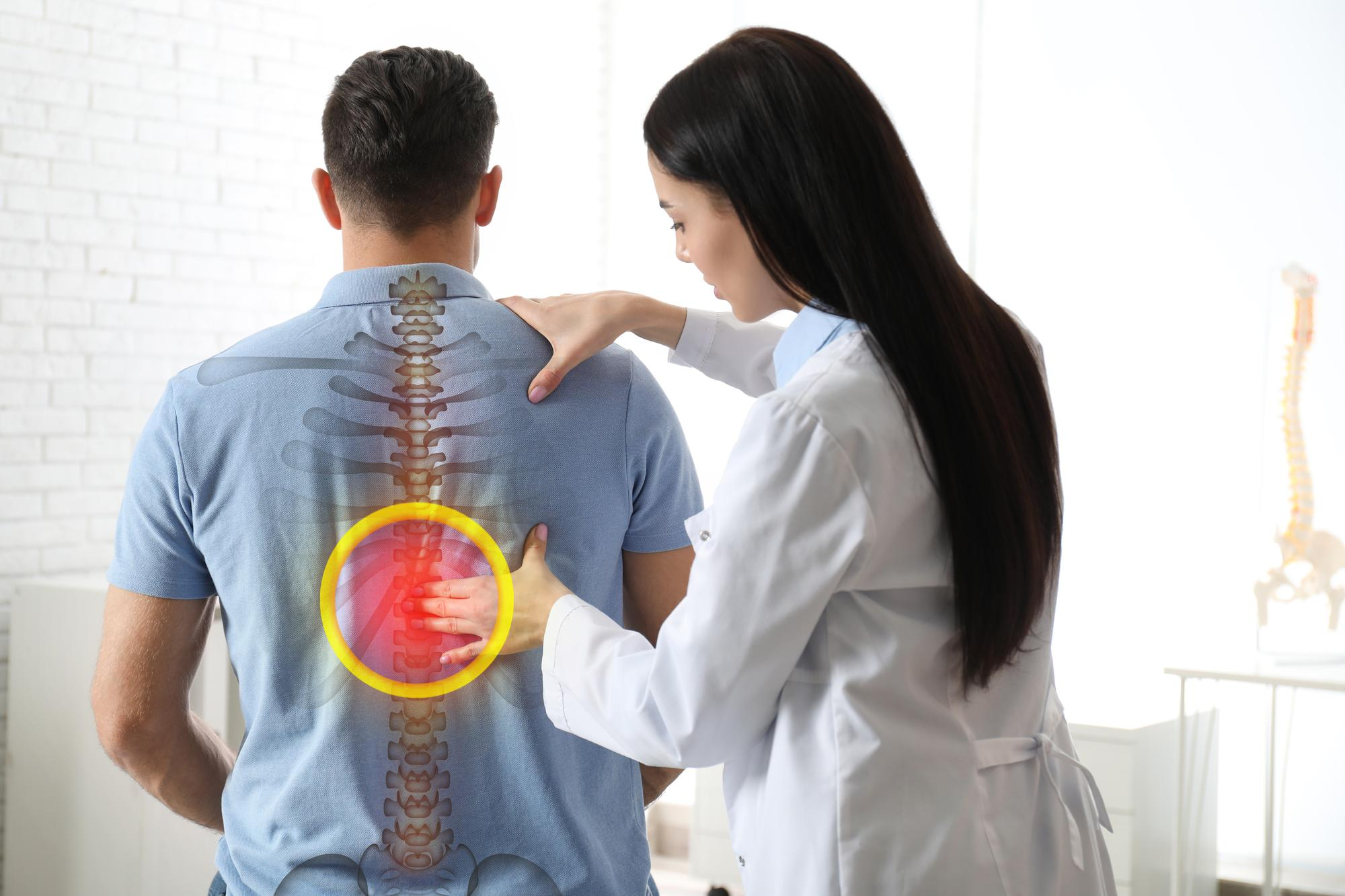
Bone loss can show up as back pain, a stooping posture, joint stiffness, frequent fractures, brittle nails and a gradual loss of height. Early intervention matters, because once bone density drops significantly, it rarely rebuilds fully.
Nutrients Needed for Healthy Bones
A balanced intake of several essential nutrients is required for strong bones.
Calcium
Calcium is the major structural element of bone. Inadequate calcium in the diet leads to porous, weak bones. Most adults need roughly 1,000 to 1,200 mg of calcium per day.
Vitamin D
Vitamin D helps the body absorb calcium efficiently. Even adequate calcium intake will not protect the bones if vitamin D levels are low. Sunlight is the most natural source of vitamin D.
Protein
Almost half of bone volume is composed of protein. A deficiency can slow bone repair and reduce muscle mass, which increases fracture risk.
Magnesium
Magnesium helps convert vitamin D into its active form and supports healthy bone mineral density.
Vitamin K
Vitamin K plays an important role in bone development and helps regulate how calcium is used in the body.
A shortfall of any of these nutrients can create an imbalance in the bones, contributing to conditions such as osteoporosis, osteopenia and chronic bone pain.
Top Foods That Support Stronger Bones
Food alone cannot prevent bone disorders, but a nutrient-dense diet plays a powerful role in supporting bone density and long-term skeletal health. Here are some of the best natural foods for stronger bones.
Dairy Products
Milk, yogurt and paneer are rich in calcium and provide a balanced mix of protein, along with vitamin D when fortified. They remain one of the most reliable dietary sources for maintaining bone health.
Leafy Greens
Spinach, kale and mustard greens are rich in calcium, magnesium and vitamin K. These nutrients help with the formation and repair of bone.
Ragi and Whole Grains
Ragi has an exceptionally high calcium content. Whole grains such as oats and brown rice provide magnesium, which helps the body absorb minerals and supports bone structure.
Nuts and Seeds
Almonds, sesame seeds, chia seeds and flax seeds supply calcium, healthy fats and protein that strengthen bone tissue.
Fatty Fish
Salmon, sardines and mackerel provide vitamin D and omega-3 fatty acids, both important for bone density and for reducing inflammation.
Eggs
Eggs, particularly the yolk, contain vitamin D and protein, making them an easy addition to a bone-healthy diet.
Soy Products
Tofu and soy milk are rich in calcium and plant-based protein, which can help vegetarians improve bone strength.
Vitamin C-Rich Fruits
Oranges, kiwi, strawberries and amla support the production of collagen, which forms the framework for bone.
These foods provide a solid nutritional foundation, but nutrition is only one of several factors that affect overall bone health.
Lifestyle Habits That Improve Bone Strength Naturally
From an orthopedic perspective, nutrition works best alongside healthy lifestyle changes. The habits below are essential for protecting bone health and limiting long-term damage.
Weight-Bearing Exercises
Activities such as walking, jogging, stair climbing and dancing encourage bone remodeling. They stimulate bones to grow denser in response to the load placed on them.
Strength Training
Lifting weights or using resistance bands builds muscle mass, and strong muscles support strong bones. Greater muscle strength also reduces the risk of falls and fractures.
Sunlight Exposure
Around 15 to 20 minutes of sunlight helps the body produce vitamin D naturally. This is especially important for people who spend long hours indoors.
Maintaining a Healthy Body Weight
Being underweight increases the risk of low bone density, while excess weight puts extra pressure on the joints. A healthy body weight offers protection for both bones and joints.
Avoid Smoking and Excessive Alcohol
Both smoking and heavy alcohol use speed up bone loss, weaken bone cells and raise fracture risk. Cutting back on or avoiding these habits can meaningfully improve bone health.
Adequate Hydration
Dehydration can weaken muscles and increase the chance of falls or joint stiffness. Staying hydrated keeps bones, joints and tissues working smoothly.
Posture and Balance Training
Good posture reduces stress on the spine, while balance exercises lower the risk of falls in older adults. Yoga and tai chi are effective options.
Bone Density Tests and Medical Recommendations
Consider seeing an orthopedic specialist if you are at risk of osteoporosis, have a family history of fractures, or live with chronic back or joint pain.
A common test is the DEXA scan, which measures bone strength and helps identify early signs of bone loss. The sooner a diagnosis is made, the earlier treatment can begin, whether that involves supplements, physiotherapy, lifestyle changes or other targeted care.
In some cases, nutrition alone is not enough, especially for postmenopausal women or people with severe vitamin D deficiency. An orthopedic doctor may prescribe calcium and vitamin D supplements based on individual need. Proper medical supervision ensures this is done safely and effectively.
When To See An Orthopedic Specialist
Consult a doctor if you experience any of the following:
- Recurring fractures
- Chronic back, hip or knee pain
- Noticeable stooping or loss of height
- A family history of osteoporosis
- Early menopause
- Vitamin D deficiency
- Limited mobility due to pain or stiffness
Overlooking these signs can eventually lead to long-term complications.
Dr. Ankur Singh is known for his expertise in advanced orthopedic care and patient-focused treatment. With years of experience and international training, he offers accurate diagnosis and effective management for bone, joint and spine conditions. If you are experiencing bone weakness, chronic pain or fractures, he can guide you toward long-term relief and better mobility.
Frequently Asked Questions
Can I strengthen my bones naturally without supplements?
For many people, a nutrient-rich diet, regular weight-bearing exercise and adequate sunlight can support healthy bones without supplements. However, those with significant deficiencies or osteoporosis often need supplements alongside these habits. A bone density test can help your doctor decide what you need.
Which exercises are best for bone strength?
Weight-bearing activities such as walking, jogging, stair climbing and dancing help bones grow denser. Strength training with weights or resistance bands builds the muscle that supports your skeleton. Balance work like yoga and tai chi also lowers the risk of falls.
How much calcium and vitamin D do adults need each day?
Most adults need roughly 1,000 to 1,200 mg of calcium per day, ideally from food sources like dairy, leafy greens and ragi. Vitamin D is needed to absorb that calcium, and short daily sunlight exposure helps the body make it. Your doctor can confirm the right amounts for your situation.
At what age should I start worrying about bone loss?
Peak bone mass is generally reached around 25 to 30 years of age, after which gradual bone loss begins. Building good habits early protects you, but it is never too late to start. Adults with risk factors such as early menopause or a family history of osteoporosis should speak with a specialist sooner.
Conclusion
Strengthening bones naturally brings together nutrition, physical activity and proper medical care. Calcium, vitamin D, magnesium and protein-rich foods form the foundation, while habits such as weight-bearing exercise, adequate sunlight and avoiding smoking are just as important.
With early attention and regular orthopedic guidance, you can significantly reduce the risk of fractures, osteoporosis and other age-related bone problems. If you have concerns about your bone health, book a consultation with Dr. Ankur Singh, an experienced orthopedic specialist in Noida, to protect your mobility, strength and well-being for the years ahead.
Medical Disclaimer
The information provided on this website is for educational purposes only and should not be considered as medical advice. Please consult Dr. Ankur Singh or a qualified healthcare professional for personalized medical guidance.
Share this blog:
 Copy
Copy