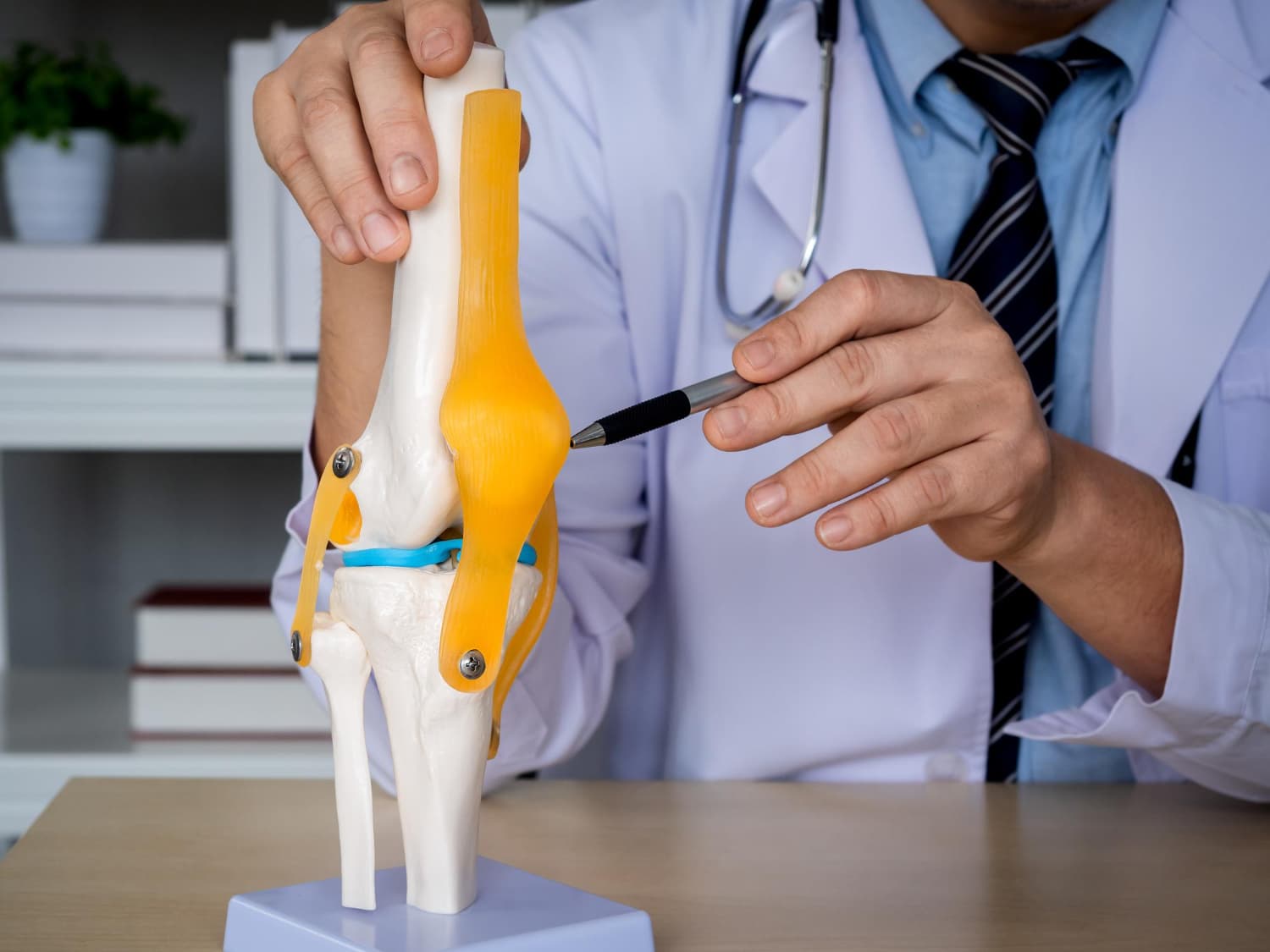
Cartilage Regeneration: Advanced Treatments for Knee Cartilage Repair
Introduction to Knee Cartilage Damage
Why Cartilage Regeneration is Important for Knee Health
Advanced Treatments for Knee Cartilage Repair
Stem cell therapy has become one of the most promising treatments for knee cartilage regeneration. Stem cells have the ability to differentiate into various types of cells, including cartilage cells. When injected into the knee joint, stem cells promote the healing and regeneration of damaged cartilage.
How Stem Cell Therapy Works:
- Harvesting Stem Cells: Stem cells are typically harvested from the patient’s own bone marrow or adipose tissue (fat).
- Injection: The stem cells are then injected directly into the damaged knee cartilage.
- Regeneration: The stem cells stimulate the growth of new cartilage and tissue, leading to improved knee function and pain relief.
- Minimally invasive: The procedure involves a simple injection, with minimal downtime.
- Natural healing: Stem cells use the body’s own healing abilities to restore cartilage.
- Long-lasting results: Stem cell therapy can provide long-term pain relief and functional improvements.
- Blood Draw: A small sample of the patient’s blood is drawn.
- Concentration: The blood is processed to concentrate the platelets and growth factors.
- Injection: The concentrated PRP is injected into the affected knee joint, promoting cartilage repair.
- Non-surgical: PRP therapy is a non-invasive treatment option.
- Stimulates natural healing: Platelets promote the healing of damaged tissues, including cartilage.
- Reduces pain and inflammation: PRP helps reduce pain and inflammation in the knee joint.
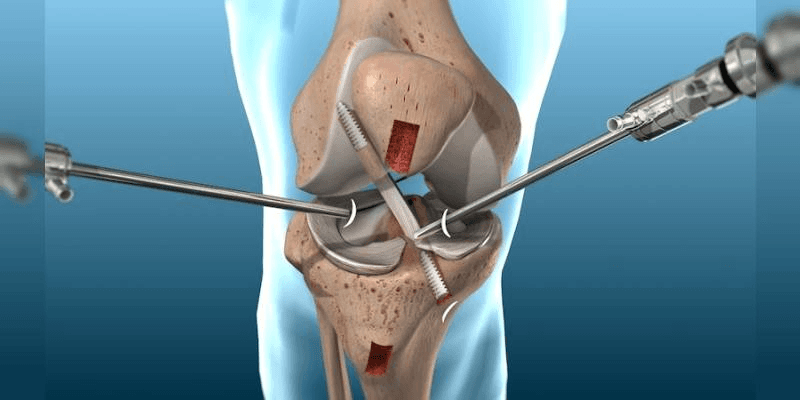
- Arthroscopic Procedure: Microfracture is performed arthroscopically, using a small incision and a camera to guide the surgeon.
- Bone Stimulation: The surgeon creates tiny fractures in the bone beneath the cartilage, promoting the growth of new tissue.
- Cartilage Formation: The bone marrow released from the microfractures helps form a scar-like cartilage, which covers the damaged area.
- Minimally invasive: Smaller incisions and faster recovery times.
- Regeneration of cartilage: The procedure stimulates the growth of new cartilage tissue.
- Preserves knee function: Microfracture can delay or prevent the need for full knee replacement.
- Cartilage Harvesting: Healthy cartilage cells are harvested from the patient’s knee.
- Culturing Cells: The cells are sent to a lab, where they are cultured to grow more cells.
- Implantation: The cultured cells are then implanted into the damaged area of the knee, where they begin to regenerate cartilage.
- Promotes cartilage growth: ACI helps to regrow healthy cartilage, improving knee function.
- Long-term relief: The procedure offers long-term results and helps prevent further joint degeneration.
Benefits of Stem Cell Therapy:
PRP therapy is another advanced treatment for knee cartilage repair. PRP involves concentrating platelets from the patient’s blood and injecting them into the damaged cartilage. Platelets contain growth factors that help stimulate tissue healing and reduce inflammation.
How PRP Therapy Works:
Benefits of PRP Therapy:
Microfracture surgery is a minimally invasive procedure that involves creating small holes in the bone beneath the damaged cartilage. These holes allow blood and bone marrow to flow into the area, stimulating the formation of new cartilage. Microfracture surgery is often used to treat small to medium-sized cartilage defects.
How Microfracture Surgery Works:
Benefits of Microfracture Surgery:
Autologous Chondrocyte Implantation (ACI) is a two-step surgical procedure used to repair damaged cartilage. In ACI, healthy cartilage cells are taken from a non-weight-bearing area of the knee, cultured in a lab to increase the number of cells, and then re-implanted into the damaged area of the knee joint.
How ACI Works:
Benefits of ACI:
Why Choose Dr. Ankur Singh for Cartilage Regeneration?
Dr. Singh uses the latest treatments for cartilage regeneration, including stem cell therapy, PRP injections, and microfracture surgery, offering patients advanced options for knee cartilage repair.
Dr. Singh creates individualized treatment plans based on the severity of the cartilage damage, the patient’s lifestyle, and their recovery goals. He takes a patient-first approach to ensure the best possible results.
Dr. Singh specializes in minimally invasive procedures that result in quicker recovery, less pain, and minimal scarring.
Post-treatment rehabilitation is key to the success of cartilage regeneration. Dr. Singh provides a tailored rehabilitation program to help patients regain full knee function and return to their normal activities.---
Book Your Consultation Today!
- Phone: \+91-XXXXXXXXXX
- Email: info@drankursingh.com
- Website: [www.drankursingh.com](https://www.drankursingh.com/)
FAQs
Recovery times vary depending on the treatment. Stem cell therapy and PRP injections typically require minimal downtime, while procedures like microfracture surgery may take a few months for full recovery.
Yes, cartilage regeneration treatments can help repair damaged cartilage and alleviate pain, often delaying or preventing the need for knee replacement surgery.
Yes, cartilage regeneration treatments like PRP injections and stem cell therapy are safe and minimally invasive, with a low risk of complications. Dr. Singh ensures all treatments are personalized to each patient's needs.---
Keywords for Interlinking
- Knee cartilage repair Noida
- Cartilage regeneration therapy
- Stem cell knee treatment Noida
- PRP injections Noida
- Microfracture surgery Noida
- Knee arthritis treatment
- Non-surgical cartilage treatment
- Knee pain specialist Noida
- Advanced knee treatments Noida
- Cartilage regeneration treatments
Book a Consultation with Dr. Ankur Singh
We use advanced medical technology and compassionate care to ensure each patient receives the most accurate diagnosis and effective treatment. Whether you're dealing with joint pain, fractures, or post-surgical rehab — you're in expert hands. Book your consultation today and start your journey toward strength and mobility.
Related Pages
Explore more health and orthopedic resources from Dr. Ankur Singh.

Bilateral Knee Replacement Surgery in Noida – Dr. Ankur Singh, Best Orthopedic in Noida
27 Apr 2026
/1.jpg)
Top Orthopedic Hospital Near Sector 47, Noida
27 Apr 2026
/surgeons-passing-scissors-each-other-compressed.jpg)
Best Orthopedic Surgeon in Greater Noida
27 Apr 2026

Meniscus Repair vs Meniscus Removal in Noida – Dr. Ankur Singh, Best Orthopedic in Noida
27 Apr 2026

Innovative Surgical and Non-Surgical Solutions for Treating ACL Tears
27 Apr 2026

ACL Reconstruction Surgery in Noida by Dr. Ankur Singh
27 Apr 2026


लिगामेंट फटने के लक्षण (Symptoms of a Torn Ligament Hindi)
जानिए ligament tear (torn ligament) के प्रमुख लक्षण, कारण, जांच और उपचार के तरीके। लिगामेंट फटने की पहचान समय पर करें और सही इलाज पाएं।
13 Feb 2026
Dr. Ankur Team

Knee Replacement vs Knee Arthroscopy: क्या अंतर है?
Knee replacement और knee arthroscopy में क्या अंतर है? जानिए दोनों सर्जरी के फायदे, प्रक्रिया, रिकवरी और किस दर्द में कौन-सा इलाज सही है।
05 Feb 2026
Dr. Ankur Team

ACL, PCL और Meniscus Tear से बचाव कैसे करें
ACL, PCL और मेनिस्कस टियर से बचाव के आसान तरीके जानें। घुटने को मजबूत रखने के लिए एक्सरसाइज, सावधानियां और विशेषज्ञ सलाह।
03 Feb 2026
Dr. Ankur Team

Rheumatoid Arthritis vs Osteoarthritis: Completely Different Diseases That Are Constantly Confused
Rheumatoid arthritis and osteoarthritis are different diseases with different causes, doctors and treatments. Dr. Ankur Singh explains how to tell them apart.
09 Oct 2026
Dr. Ankur Team

रूमेटॉइड आर्थराइटिस और ऑस्टियोपोरोसिस में क्या अंतर है?
रूमेटॉइड आर्थराइटिस और ऑस्टियोपोरोसिस क्या हैं, इनमें क्या अंतर है, लक्षण, कारण और इलाज। हड्डियों से जुड़ी सही जानकारी हिंदी में।
04 Feb 2026
Dr. Ankur Team

Advanced Treatments for Arthritis: From Medication to Surgery
Discover advanced arthritis treatments with Dr. Ankur Singh from medications and injections to modern surgery for lasting pain relief and improved joint mobility.
07 Apr 2026
Dr. Ankur Team

Bilateral Knee Replacement in India: Both at Once or Staged?
When both knees need replacing, is one operation or two better? Dr. Ankur Singh of Sarvodaya Healthcare Noida explains the evidence, risks and how the choice is made.
13 Oct 2026
Dr. Ankur Team

Knee Pain in Young Adults: What Is Actually Causing It and What to Do
Knee pain in your 20s or 30s is rarely arthritis, but it is not nothing. Noida orthopedic specialist Dr. Ankur Singh explains the real causes and what to do.
02 Oct 2026
Dr. Ankur Team

गलत तरीके से चलने से घुटनों पर क्या असर पड़ता है
गलत चाल और चलने के तरीके से घुटनों पर क्या असर पड़ता है? जानिए लक्षण, कारण, जोखिम और सही समय पर इलाज क्यों ज़रूरी है।
20 Jan 2026
Dr. Ankur Team