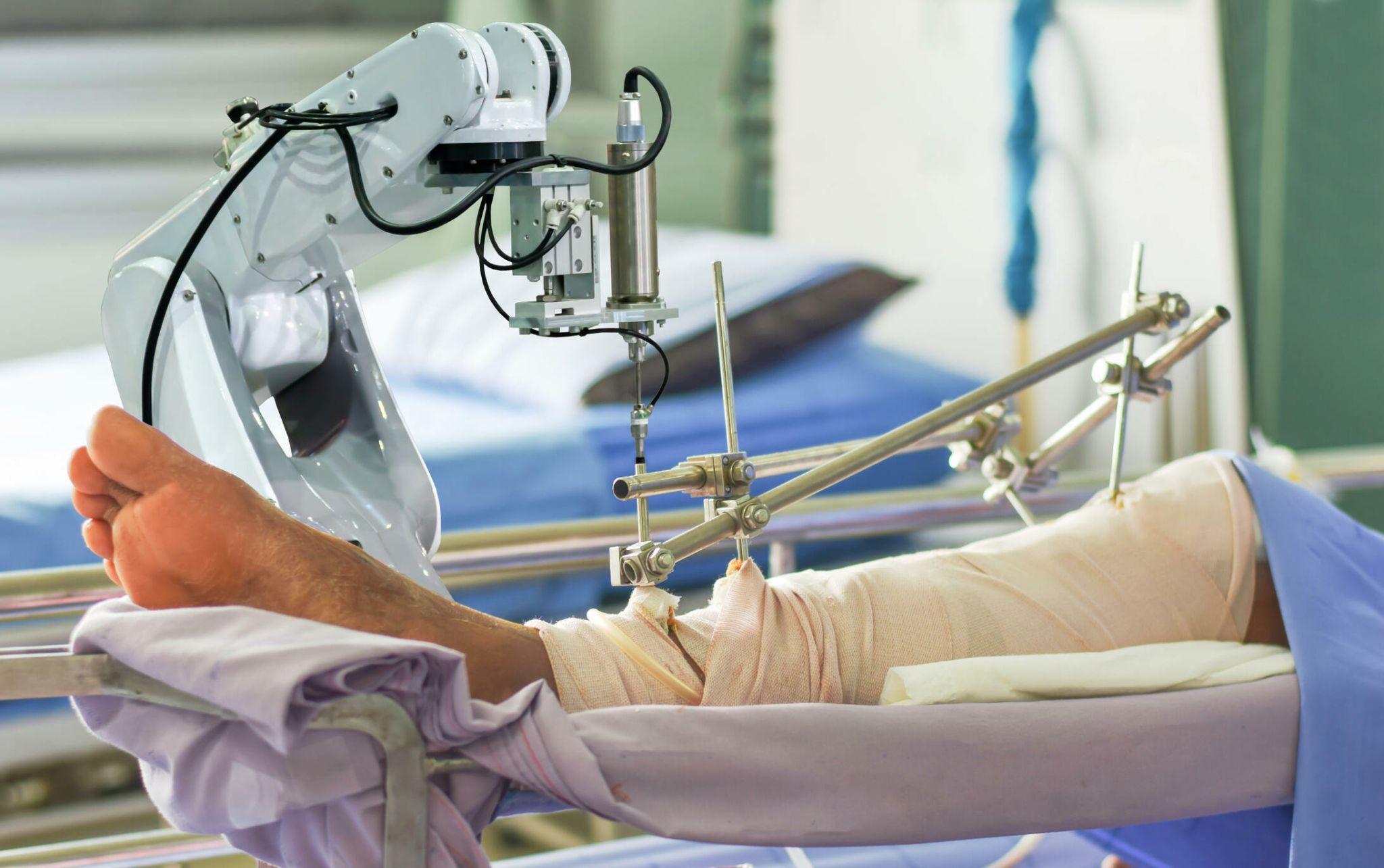
Hip Fracture क्या है और इससे कैसे बचा जाए
Hip fracture, यानी कूल्हे की हड्डी का टूटना, बुज़ुर्गों में सबसे serious orthopedic emergencies में से एक है। ये सिर्फ एक टूटी हुई हड्डी नहीं है — ये एक ऐसी injury है जो किसी बुज़ुर्ग की ज़िंदगी पूरी तरह बदल सकती है। Statistics बताते हैं कि 60 साल से ऊपर के मरीज़ों में hip fracture के बाद एक साल के अंदर 20-30% mortality rate होती है, mainly complications की वजह से जैसे pneumonia, blood clots, और bed sores।
मेरे clinic में hip fracture के cases regular आते हैं, और ज्यादातर एक ही pattern follow करते हैं: बुज़ुर्ग मरीज़, bathroom में या चलते हुए गिरे, और कूल्हे में तेज़ दर्द। X-ray में fracture confirm होता है।
सबसे ज़रूरी बात? Hip fractures ज्यादातर preventable हैं, अगर सही precautions लिए जाएं।
Hip Fracture क्या होता है?
Hip joint वो जगह है जहाँ thigh bone (femur) का ऊपरी हिस्सा pelvis (कूल्हे की हड्डी) के socket में fit होता है। ये ball-and-socket joint है जो चलने, बैठने, और पैर हिलाने में काम आता है।
Hip fracture में femur का ऊपरी हिस्सा टूटता है। ये mainly दो types का होता है:
Femoral neck fracture (intracapsular): Ball (femoral head) और shaft के बीच में टूटना। ये common है और blood supply damage होने का risk ज्यादा होता है, जिससे bone death (avascular necrosis) हो सकता है।
Intertrochanteric fracture (extracapsular): Neck से थोड़ा नीचे, trochanter region में। Blood supply ज्यादा affected नहीं होती, लेकिन fracture area बड़ा होता है।
दोनों types में surgery ज़रूरी होती है — conservative treatment (बिना surgery) का outcome बहुत खराब होता है।
लक्षण
Hip fracture के बाद symptoms साफ़ होते हैं:
- कूल्हे या groin area में तेज़ दर्द, गिरने या चोट लगने के तुरंत बाद
- पैर पर weight रखना impossible हो जाता है
- टूटी तरफ का पैर छोटा दिखता है और बाहर की तरफ rotate हो जाता है
- कूल्हे को हिलाने में extreme pain
- सूजन और bruising कूल्हे के आसपास
ज़रूरी: अगर किसी बुज़ुर्ग को गिरने के बाद कूल्हे में दर्द हो और वो चल नहीं पा रहे, तुरंत hospital ले जाएं। Delay मत करें।
Hip Fracture क्यों होता है?
1. Osteoporosis — सबसे बड़ा कारण
Osteoporosis में हड्डियाँ अंदर से खोखली और कमज़ोर हो जाती हैं। इतनी कमज़ोर कि बहुत मामूली गिरने से भी, कभी-कभी सिर्फ खड़े-खड़े balance बिगड़ने से, fracture हो जाता है।
Indian women में menopause के बाद osteoporosis बहुत common है। 50 साल से ऊपर की हर तीसरी महिला में osteoporosis की कुछ degree होती है। लेकिन ज्यादातर को पता ही नहीं होता जब तक fracture नहीं हो जाता।
2. गिरना (Falls)
बुज़ुर्गों में falls सबसे common triggering event है:
- Bathroom में फिसलना — गीला फर्श सबसे बड़ा villain है
- रात को बिना light के उठना
- ढीले कपड़ों या चप्पलों में पैर उलझना
- चक्कर आना, BP medications, dehydration, या inner ear problems की वजह से
- कमज़ोर नज़र, मोतियाबिंद या glasses update न होने से
3. अन्य कारण
- Vitamin D और calcium की कमी
- लंबे समय से steroid दवाइयाँ लेना
- बहुत कम physical activity — muscles और bones दोनों कमज़ोर हो जाती हैं
- Alcohol और smoking
- Thyroid या parathyroid problems
इलाज
Surgery, लगभग हमेशा ज़रूरी
Hip fracture में surgery usually 24-48 घंटों के अंदर करने की कोशिश की जाती है। जितनी जल्दी surgery, उतना बेहतर outcome:
Young patients (below 60), femoral neck fracture:
- Internal fixation (screws से हड्डी जोड़ना) — अगर fracture displaced नहीं है
- Hemiarthroplasty (आधा hip replacement), अगर fracture displaced है
Elderly patients (above 65), femoral neck fracture:
- Hemiarthroplasty — सबसे common procedure। Femoral head replace कर दी जाती है metal ball से
- Total hip replacement, अगर मरीज़ active है और socket भी damaged है
Intertrochanteric fracture (किसी भी age):
- Dynamic Hip Screw (DHS) या Proximal Femoral Nail (PFN), metal rod और screws से fracture fix किया जाता है
- Bone बाद में heal होती है, hardware अंदर ही रहता है
Surgery के बाद Recovery
- Day 1: बिस्तर में exercises शुरू — ankle pumps, quadriceps setting
- Day 2-3: Physiotherapist की मदद से walker के साथ कुछ कदम चलना
- 2-4 हफ्ते: Walker support के साथ घर में mobility
- 6-8 हफ्ते: X-ray check, gradually walking increase
- 3-6 months: पूरी recovery
ज़रूरी बात: Hip fracture के बाद जितना जल्दी mobilize करें (चलना-फिरना शुरू करें), उतना outcomes बेहतर होते हैं। Bed rest लंबे समय तक देना ज्यादा नुकसानदायक है, pneumonia, DVT (blood clots), bed sores, और muscle wasting हो सकती है।
बचाव, सबसे important हिस्सा
Osteoporosis को रोकें और treat करें
- DEXA scan करवाएं — 50 साल की उम्र के बाद (women), 65 के बाद (men)
- Vitamin D check करवाएं, ज्यादातर Indians deficient हैं
- Calcium daily 1000-1200 mg, diet से (दूध, दही, पनीर, रागी)
- Vitamin D supplement — अगर deficient हैं तो doctor से dose लें
- Osteoporosis medication, अगर DEXA scan bone loss दिखाए, तो bisphosphonates जैसी दवाइयाँ fracture risk 50-70% कम करती हैं
Falls रोकें, घर में changes करें
- Bathroom में non-slip mat और grab bars — ये सबसे ज़रूरी investment है
- रात को dim lights रखें hallway और bathroom में
- Loose rugs और carpets हटाएं, बुज़ुर्ग इनमें trip करते हैं
- Furniture rearrange करें, clear walking path हो
- सही footwear — घर में भी non-slip chappals पहनें, नंगे पैर या मोज़ों में न चलें
Physical Strength बनाएं
- Daily walking, 20-30 minutes
- Balance exercises, single-leg standing (wall support के साथ), heel-to-toe walking
- Strength training — squats (chair support के साथ), calf raises, step-ups
- Yoga, balance, flexibility, और strength तीनों improve होती है
Regular checkups
- Vision check करवाएं, cataract surgery या glasses update से fall risk कम होता है
- BP medicines review करें — कुछ medicines dizziness cause करती हैं
- Hearing check, balance issues inner ear problems से भी हो सकती हैं
डॉक्टर से कब मिलें?
- किसी गिरने के बाद कूल्हे में दर्द हो और चल न पा रहे हों, emergency, तुरंत hospital जाएं
- 50+ age में बिना बड़ी चोट के कूल्हे में दर्द — osteoporosis check करवाएं
- Family history है osteoporosis या hip fracture की, DEXA scan करवाएं
- बार-बार गिर रहे हैं, balance और underlying causes evaluate करवाएं
Hip fracture एक life-changing event है, खासकर बुज़ुर्गों के लिए। लेकिन अच्छी बात ये है कि इसकी ज़्यादातर prevention possible है — strong bones, safe home environment, और regular exercise। अगर आपके घर में कोई बुज़ुर्ग हैं, तो आज ही bathroom में grab bars लगवाएं और उनका vitamin D test करवाएं। ये छोटे कदम बड़ी तकलीफ से बचा सकते हैं।
Medical Disclaimer
The information provided on this website is for educational purposes only and should not be considered as medical advice. Please consult Dr. Ankur Singh or a qualified healthcare professional for personalized medical guidance.
Share this blog:
 Copy
Copy