How To Prepare For Knee Replacement Surgery: A Complete Pre-Surgery Checklist For Patients In Noida

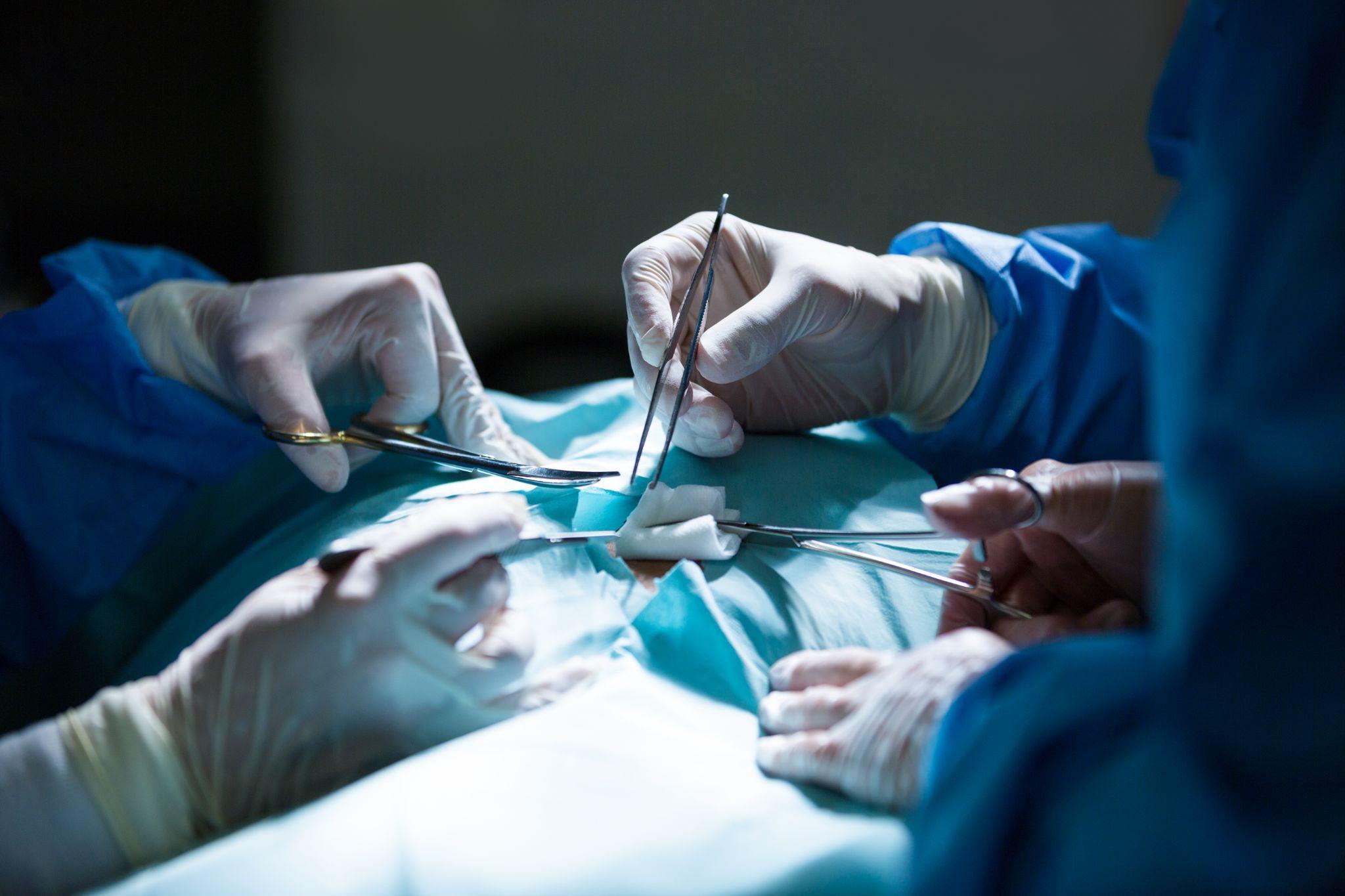
Dr. Ankur Singh, leading orthopedic surgeon in Noida, performing a knee surgery using advanced techniques in a modern operating room.
Deciding to have knee replacement surgery is a significant step. By the time most patients reach this decision, they have usually spent months, sometimes years, managing pain with medication, physiotherapy, and activity restrictions. The surgery itself tends to go smoothly. What many patients underestimate is how much the preparation period before surgery affects the recovery that follows.
Patients who prepare properly recover faster, experience fewer complications, and reach their mobility milestones sooner than those who show up to surgery without adequate groundwork. This is true regardless of whether you are having a traditional or robotic knee replacement in Noida or Greater Noida. This guide walks through everything you need to do medically, physically, and practically in the weeks leading up to your procedure.
4–6 Weeks Before Surgery: Medical Preparation
The weeks leading up to surgery are important for medical evaluations, lifestyle adjustments, and planning to ensure a safer procedure and smoother recovery.
1. Get All Required Pre-Operative Tests Done
Your surgical team will order a set of investigations before your operation. These typically include blood tests (complete blood count, blood sugar, kidney and liver function, coagulation), an ECG, a chest X-ray, and urine tests. Some patients also need an echocardiogram or specialist clearance from a cardiologist if they have pre-existing heart conditions.
Do not delay these tests. If abnormal results need follow-up, elevated blood sugar, low haemoglobin, or a cardiac finding, there needs to be enough time to manage them before surgery. Uncontrolled diabetes or significant anaemia are among the most common reasons surgeries in Noida are postponed.
2. Get A Dental Check-Up
This is the instruction that surprises patients most. Why does a knee operation require a dental appointment? Bacteria from dental infections can enter the bloodstream during dental procedures and travel to the site of your new joint implant, causing a deep joint infection, one of the most serious complications of knee replacement. Getting any dental work done well before surgery (and avoiding dental procedures for several months afterward) significantly reduces this risk.
3. Review Your Medications Carefully
Several categories of medication need to be managed before surgery:
Blood thinners (warfarin, newer anticoagulants, even aspirin) need to be stopped under your doctor's guidance in the days or weeks before surgery, as they increase bleeding risk. NSAIDs (ibuprofen, diclofenac, naproxen) should be stopped approximately a week before, as they also affect clotting. Herbal supplements, including fish oil, garlic capsules, and ginkgo, have anticoagulant effects and should be discontinued.
Do not stop any medication without confirming with Dr. Ankur Singh's team will discuss what the plan should be. Some medications, such as blood pressure tablets and thyroid medication, should be continued up to and including the morning of surgery (with a small sip of water). Your surgical team will provide specific guidance.
4. Manage Underlying Health Conditions
If you have diabetes, hypertension, heart disease, or kidney disease, these conditions need to be as well-controlled as possible before surgery. For diabetic patients, target blood sugar levels are especially important, as high glucose levels impair wound healing and increase infection risk. If you are significantly overweight, even a modest weight reduction in the weeks before surgery can meaningfully reduce operative risk and improve recovery.
2–4 Weeks Before Surgery: Physical Preparation
Physical preparation before surgery focuses on improving strength, mobility, and overall fitness to support better surgical outcomes and faster recovery.
1. Start Pre-Operative Physiotherapy (Prehabilitation)
Prehab is not yet universally offered, but the evidence supporting it is strong. Patients who strengthen the muscles around their knee before surgery, even if the joint is painful and movement is limited, walk out of recovery faster, reach physiotherapy milestones sooner, and often require a shorter hospital stay.
Simple exercises like quad sets (tightening the thigh muscle while the leg is straight), straight leg raises, and gentle hip strengthening can be done even by patients with significant knee pain. A physiotherapist can guide you on what is achievable given your current joint condition.
Upper body strength is also worth building before surgery, as you will be using crutches or a walker during early recovery. Basic exercises like resistance band pulls for the shoulders and arms take 15 minutes a day and make a real difference.
2. Prepare Your Home
Walking through your home with "post-operative eyes" before surgery is one of the most practical things you can do. Look for:
- Loose rugs and mats - Remove them, as they are trip hazards when you are walking with a frame.
- Low seating - Chairs and sofas that require your knees to bend more than 90 degrees will be difficult and potentially unsafe in early recovery. Identify higher chairs or plan to use a seat riser.
- The bathroom - A grab bar near the toilet, a shower chair, and a raised toilet seat make a dramatic difference to safety and independence.
- Your bed height - The bed should not be so low that getting in and out requires significant effort. A firm mattress is preferable to a soft one.
- Stair access - If your bedroom or bathroom requires climbing stairs, consider whether a temporary ground-floor recovery arrangement is possible.
3. Stock Up On Essentials

Assortment of healthy foods.
You will not want to be making shopping trips in your first two to three weeks at home. Before surgery, stock up on:
- Pre-cooked or easy-to-prepare meals.
- Medications, wound dressings, and any supplies specified by your surgical team.
- Ice packs for swelling management.
- Comfortable, loose-fitting clothing (trousers and shorts that slide over a bandaged knee).
- Slip-on footwear without shoelaces.
4. Arrange Support
This is non-negotiable. You will need someone at home for the first two to three weeks, someone who can help with cooking, bathing, and basic daily tasks, and who can drive you to physiotherapy appointments. If you live alone in Noida or Greater Noida without family nearby, discuss this with Dr. Ankur Singh's team before surgery so that appropriate arrangements can be made.
1 Week Before Surgery: Final Preparations
The final week before surgery is focused on completing essential preparations, following medical instructions carefully, and getting both physically and mentally ready for the procedure.
1. Confirm Your Surgery Details
Confirm the time and location of your surgery, what documents to bring (including any scans and reports), and whether there are any last-minute investigations needed. Dr. Ankur Singh's team at KDSG Superspeciality Hospital in Greater Noida will provide a pre-operative briefing.
2. Fasting Instructions
You will typically be asked to stop eating solid food six to eight hours before surgery, and stop drinking clear fluids two to three hours before. Some medications, as specified by your team, may be taken on the morning of surgery with a small sip of water. Do not take anything by mouth that was not explicitly approved.
3. Stop Smoking
If you smoke, stopping at least one to two weeks before surgery meaningfully reduces anaesthetic risk, improves wound healing, and reduces the chance of post-operative chest complications. Two weeks is better than one; sooner is better than later.
4. Prepare Mentally
Surgery anxiety is real and normal. Understanding what will happen with the anaesthetic, waking up in the recovery room, and the physiotherapist visiting the same day, reduces the sense of the unknown. Dr. Ankur Singh's team will walk through the procedure in detail at your pre-operative consultation. Write down any remaining questions and ask them then.
5. On The Day Of Surgery
Pack light. What you need for a one-to-three-day hospital stay:
- Government ID and any insurance documents.
- A list of all your current medications with doses.
- Comfortable, loose-fitting clothes for discharge day.
- Toiletries
- Charger for your phone.
- Comfortable slip-on footwear.
Leave jewellery, valuables, and nail polish at home. Have a family member or friend with you or at least reachable for when you are discharged.
What Happens Immediately After Surgery
You will wake up in the recovery area. Pain is managed with medication. A physiotherapist will visit on the same day of surgery to help you take your first steps and begin range-of-motion exercises. This early movement is not optional; it is a critical part of the protocol that reduces stiffness and blood clot risk. Most patients are surprised that they can stand and take assisted steps on the day of surgery. It is uncomfortable, but it is possible and important.
Knee Replacement At Dr. Ankur Singh's Practice In Noida

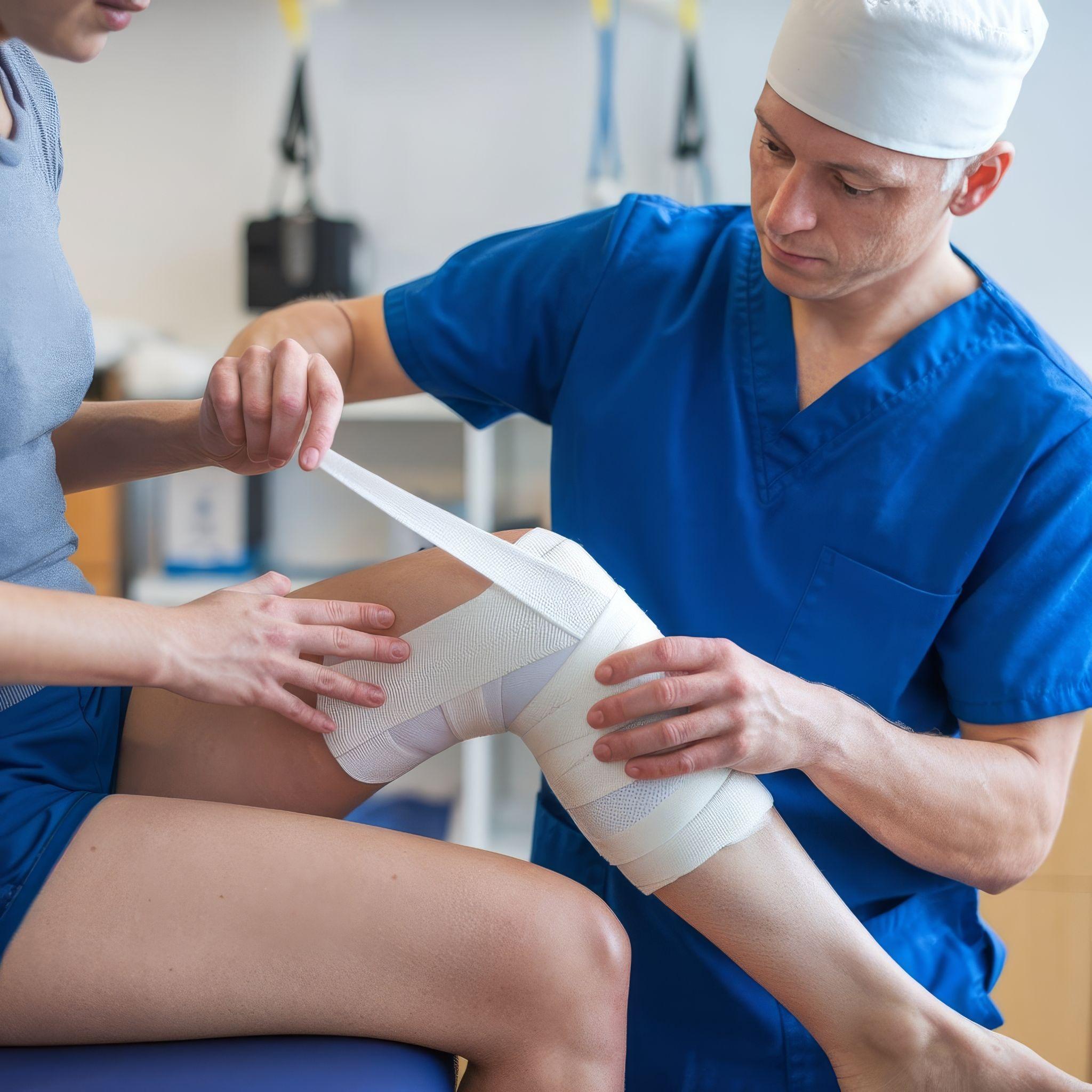
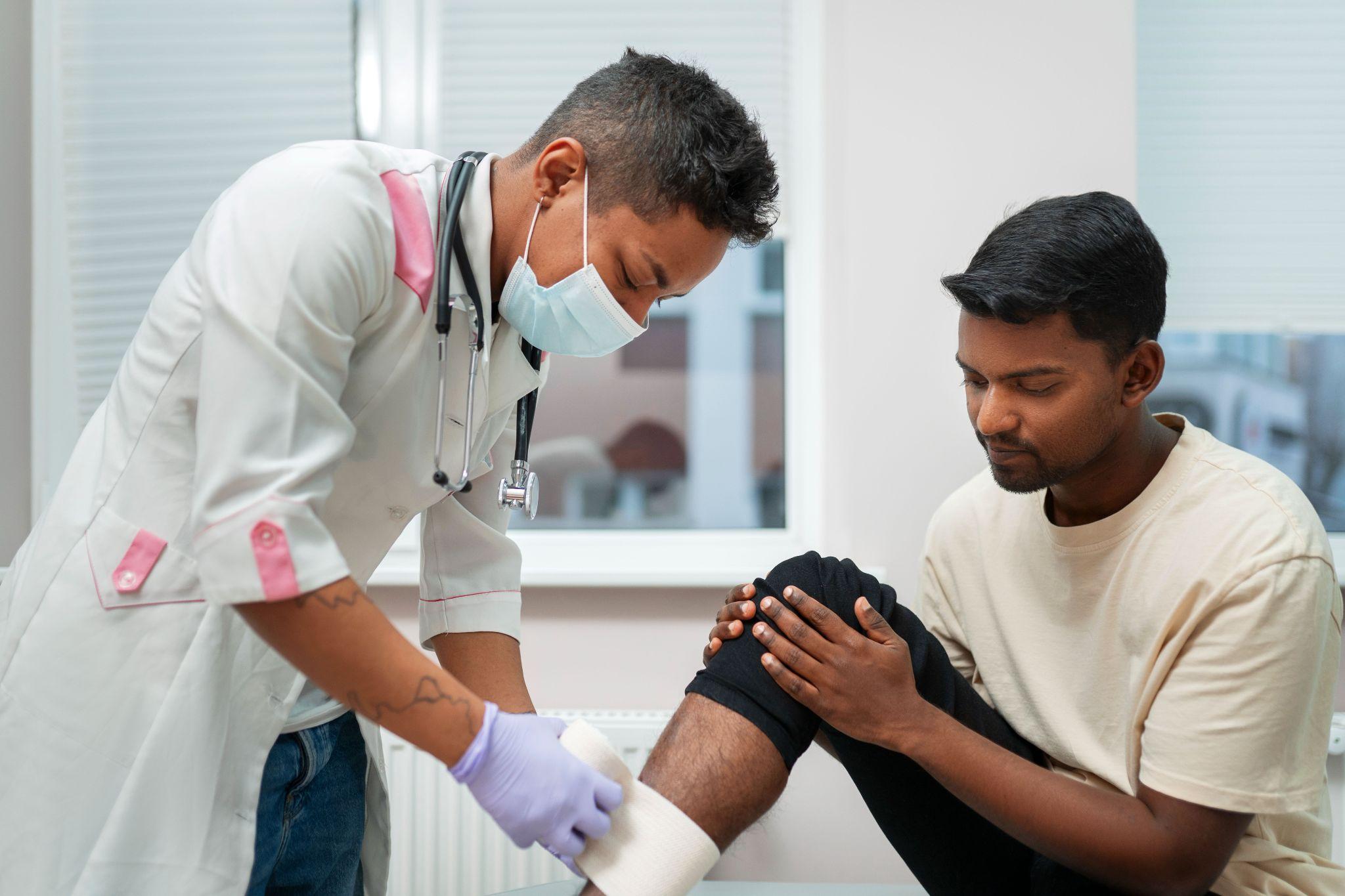
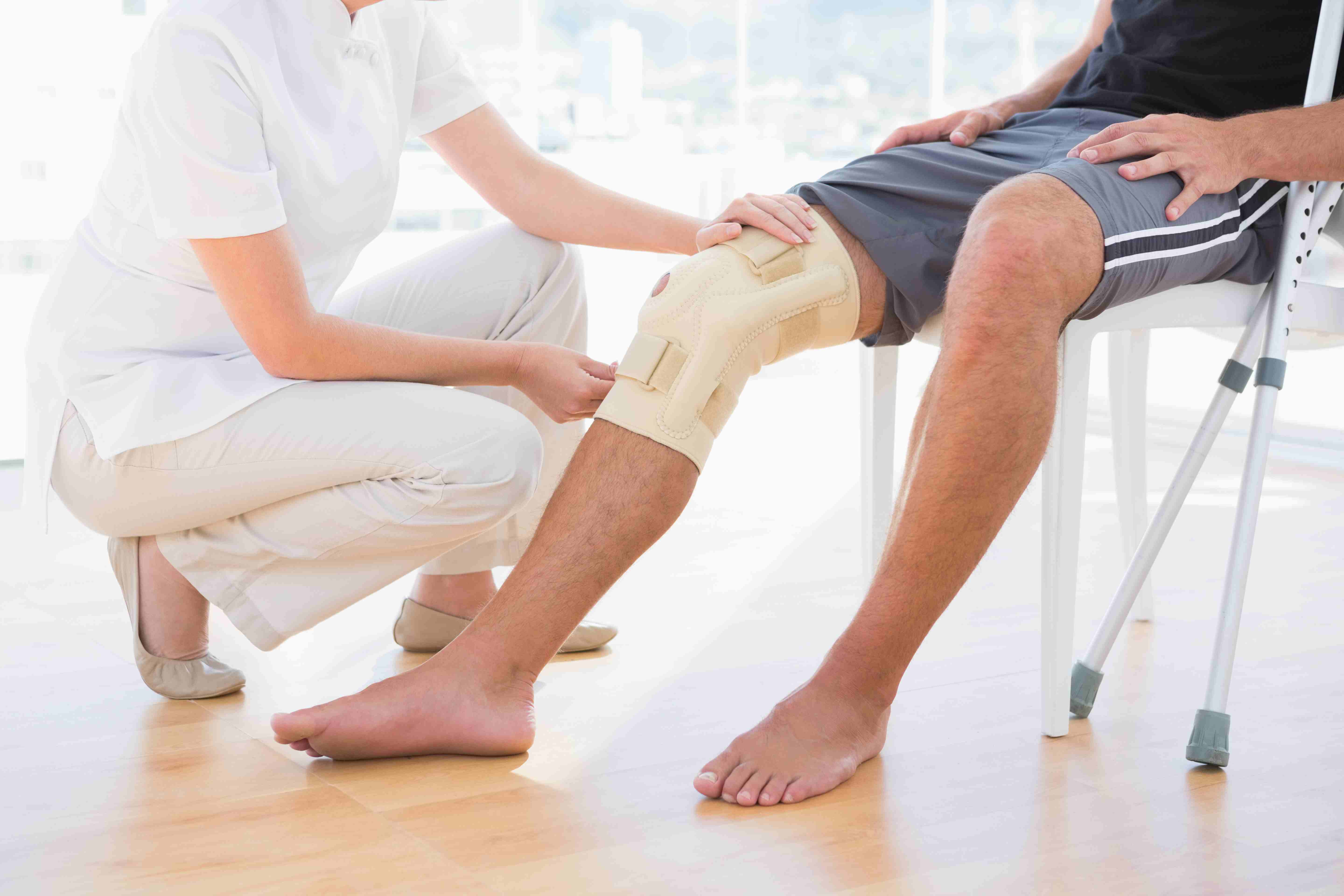
A doctor seeing the injury level of a patient in a knee brace.
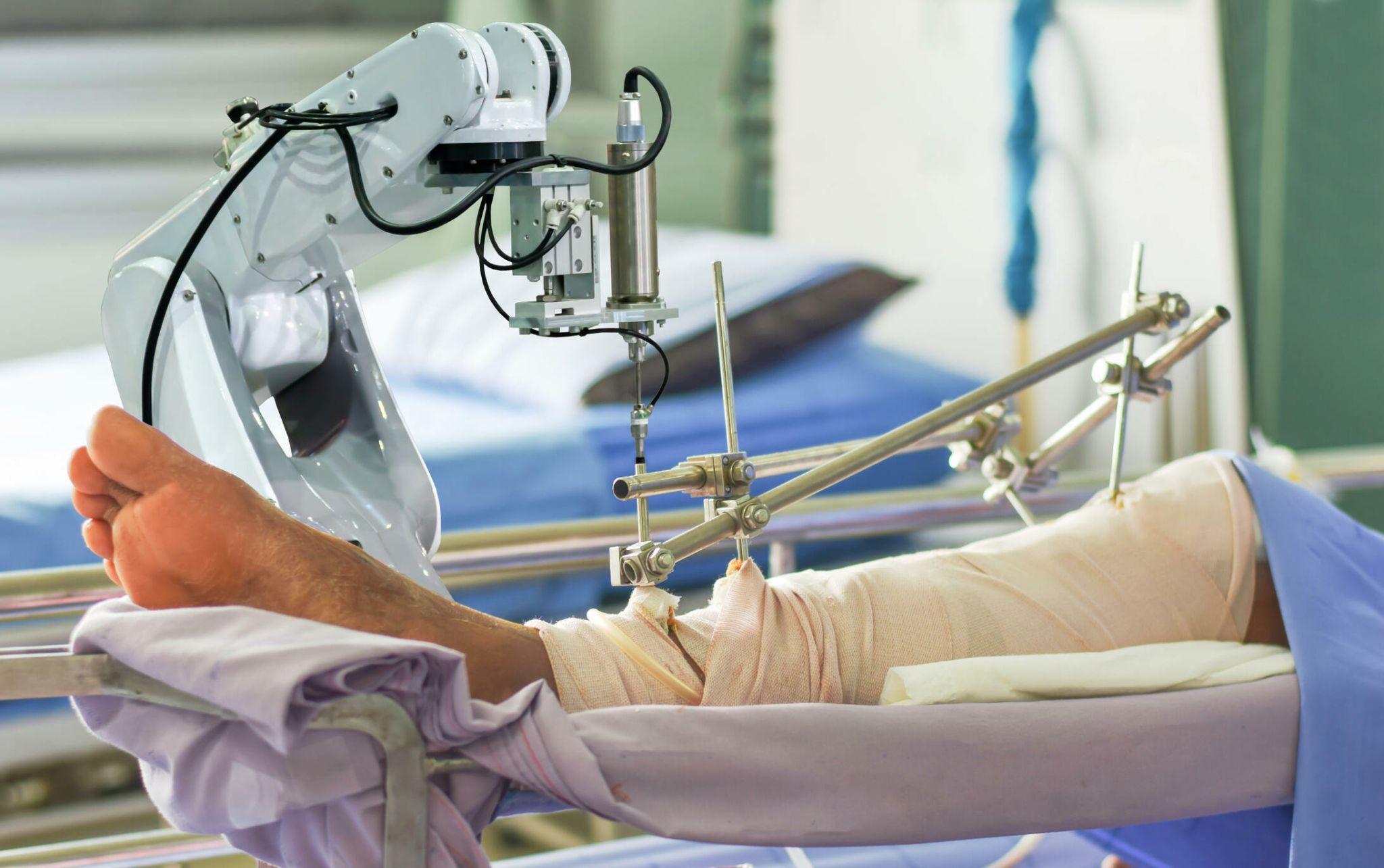
Dr. Ankur Singh performs both traditional and robotic-assisted knee replacement surgery at KDSG Superspeciality Hospital in Greater Noida. His team supports patients through the entire journey from the initial consultation and pre-operative preparation, through surgery and hospitalisation, to post-operative rehabilitation and follow-up.
The preparation you do before surgery is as important as the surgery itself. Patients who follow this process recover more completely and more quickly than those who arrive unprepared. To book a pre-operative consultation with Dr. Ankur Singh for knee replacement in Noida or Greater Noida, call the number listed on this website.
Frequently Asked Questions
1. How many days before surgery should I stop taking blood thinners?
This depends on the specific medication. Some are stopped seven days before; others only need two to three days. Your surgical team will give specific instructions based on your medication list.
2. Can I eat Indian food normally before surgery restrictions start?
Yes, there are no dietary restrictions in the weeks before surgery, just the fasting requirement starting the night before. If your doctor has recommended dietary changes for weight management or blood sugar control, follow those guidelines.
3. Do I need to buy a walker before knee replacement surgery?
Yes. A walker (or crutches, as advised by your surgeon) should be ready at home before you arrive back from the hospital. Your surgical team can advise on the appropriate type.
4. Is knee replacement surgery done in Noida or Greater Noida?
Yes. Dr. Ankur Singh performs knee replacement at KDSG Superspeciality Hospital in Greater Noida, giving patients across the Noida–Greater Noida–Delhi NCR region access to specialist care without travelling to central Delhi.
Dr. Ankur Singh | Best Orthopedic Surgeon in Noida | Knee Replacement Surgery Preparation | Traditional and Robotic Knee Replacement | KDSG Superspeciality Hospital, Greater Noida
Medical Disclaimer
The information provided on this website is for educational purposes only and should not be considered as medical advice. Please consult Dr. Ankur Singh or a qualified healthcare professional for personalized medical guidance.
Share this blog:
 Copy
Copy