Basketball Injuries: Common Problems, Treatment, and Prevention

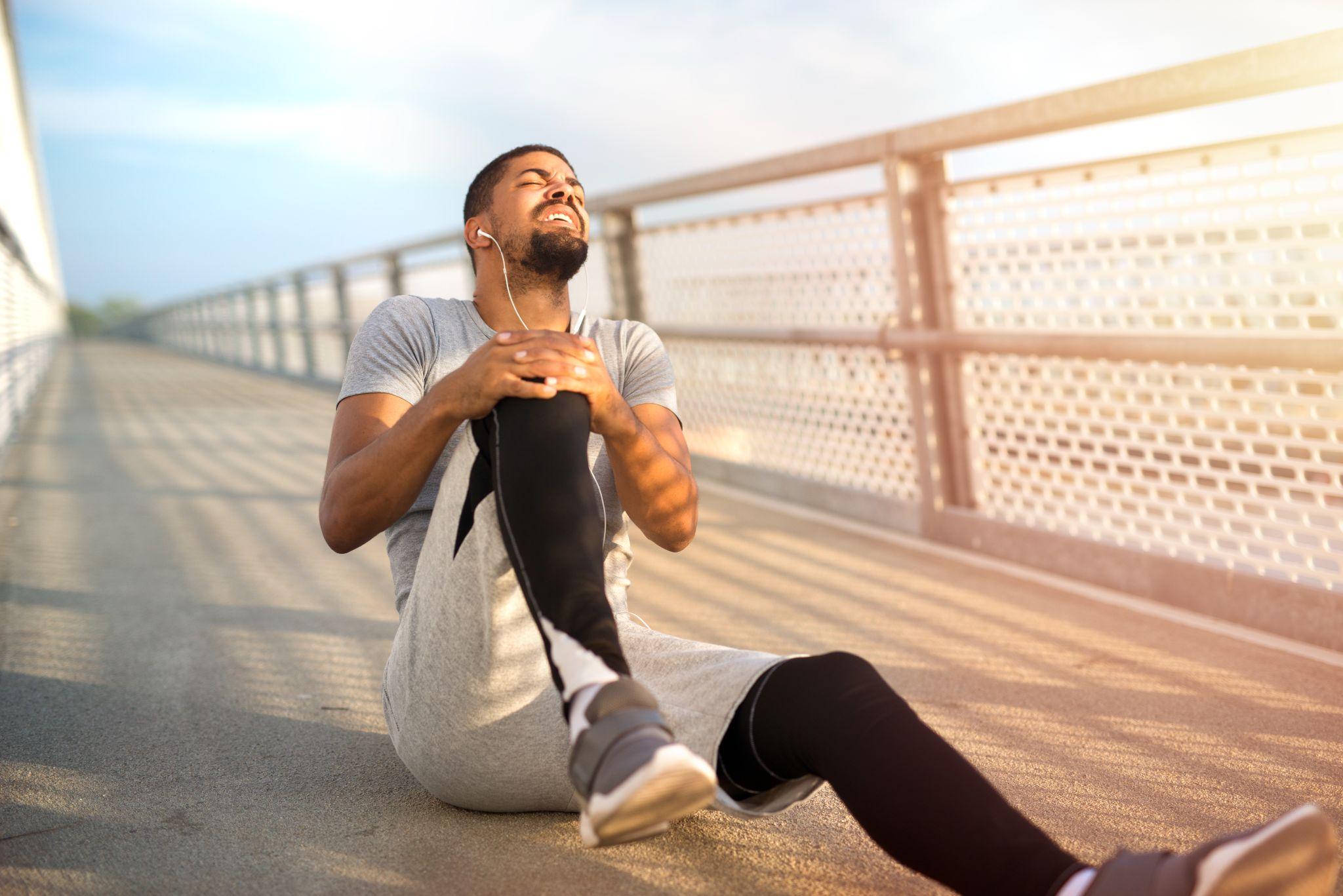
Basketball player sitting on court holding an injured knee
Basketball is a fact-paced game. It requires speed, agility, jumping, sudden stops and frequent quick movements in different directions. This makes the sport carry a high risk of injuries incase something is done or goes wrong. School-level players to professionals, injuries while playing basketball can affect players of all ages. Understanding the cause of the injuries can help players stay safe and perform much better in the court.
Why Are Basketball Injuries So Common?
Due to the repetitive jumping, landing, pivoting and physical contact with opponent players involved in basketball causes a continuous stress on joints, muscles and ligaments. The risk of injury increases when factors such as hard court surfaces, improper footwear and lack of warm up get involved. Sometimes not taking enough rest between practice and games also leads to injuries due over exhaustion.
Common Basketball Injuries
Ankle Sprains
Ankle sprains is the most common basketball injury. It usually occurs when a player lands awkwardly after a jump or accidentally falls down due to another player’s foot. This may even cause the ligaments around the ankle to stretch or tear causing pain, swelling and difficulty walking.

Basketball player experiencing ankle pain on outdoor court
Knee Injuries
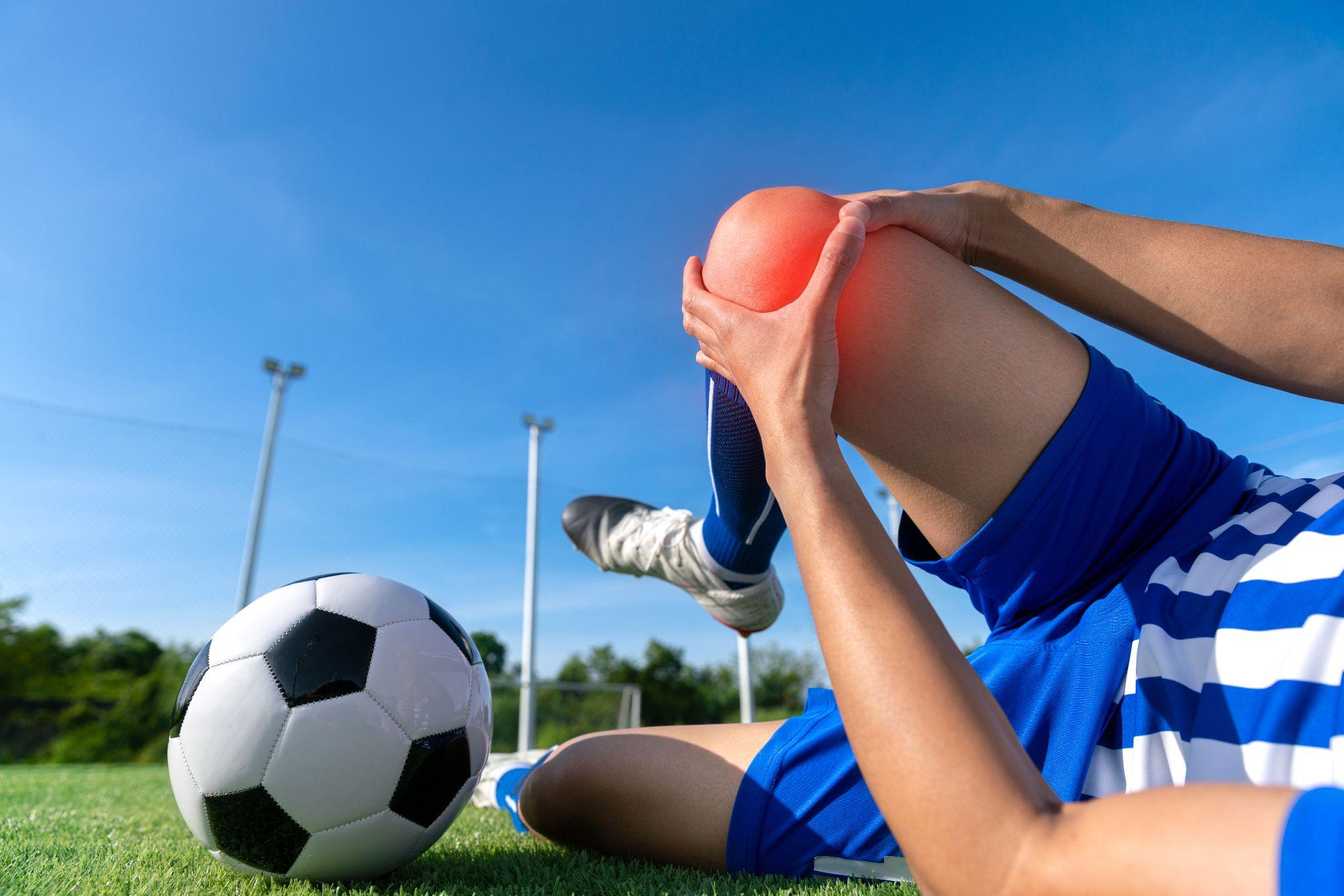
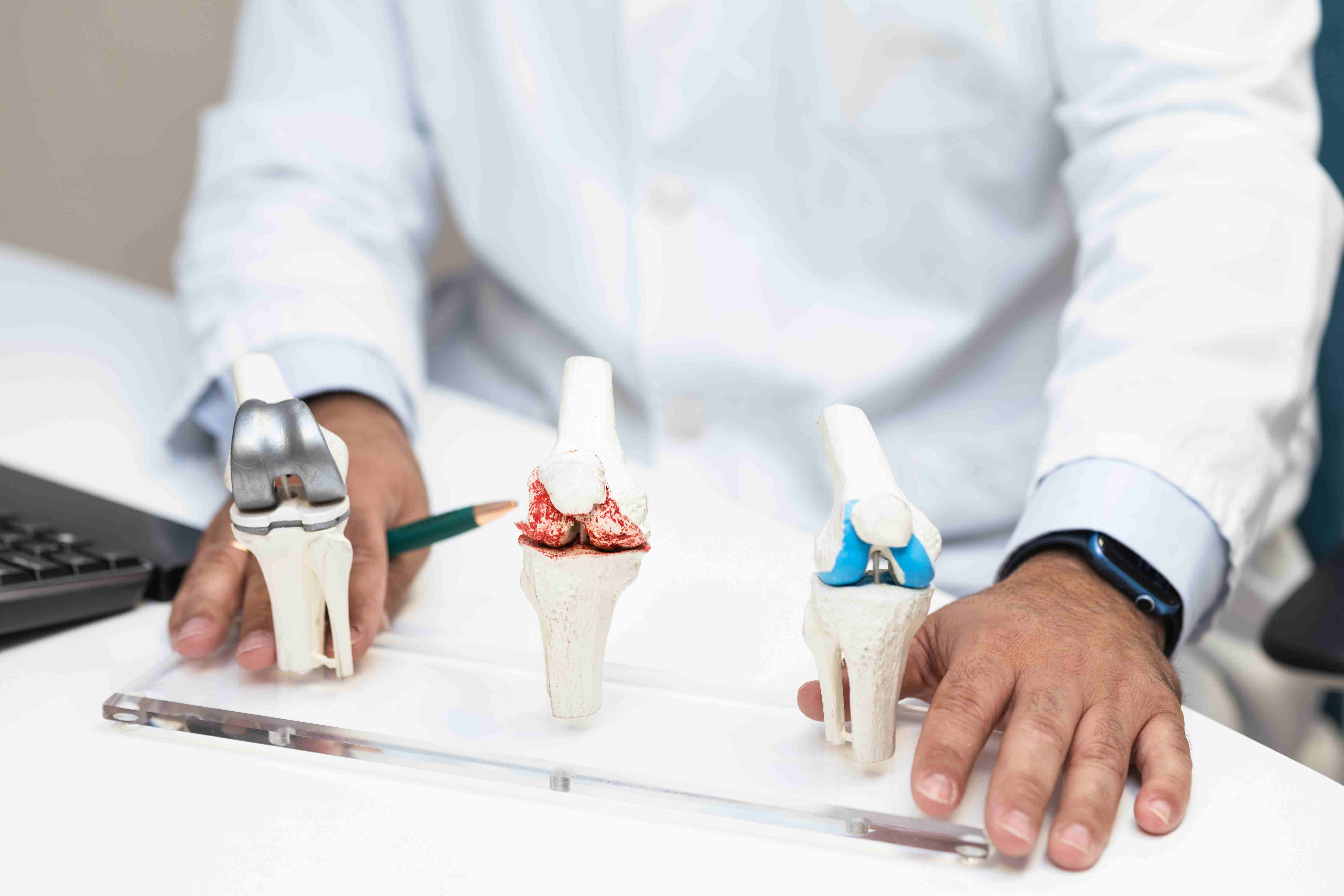
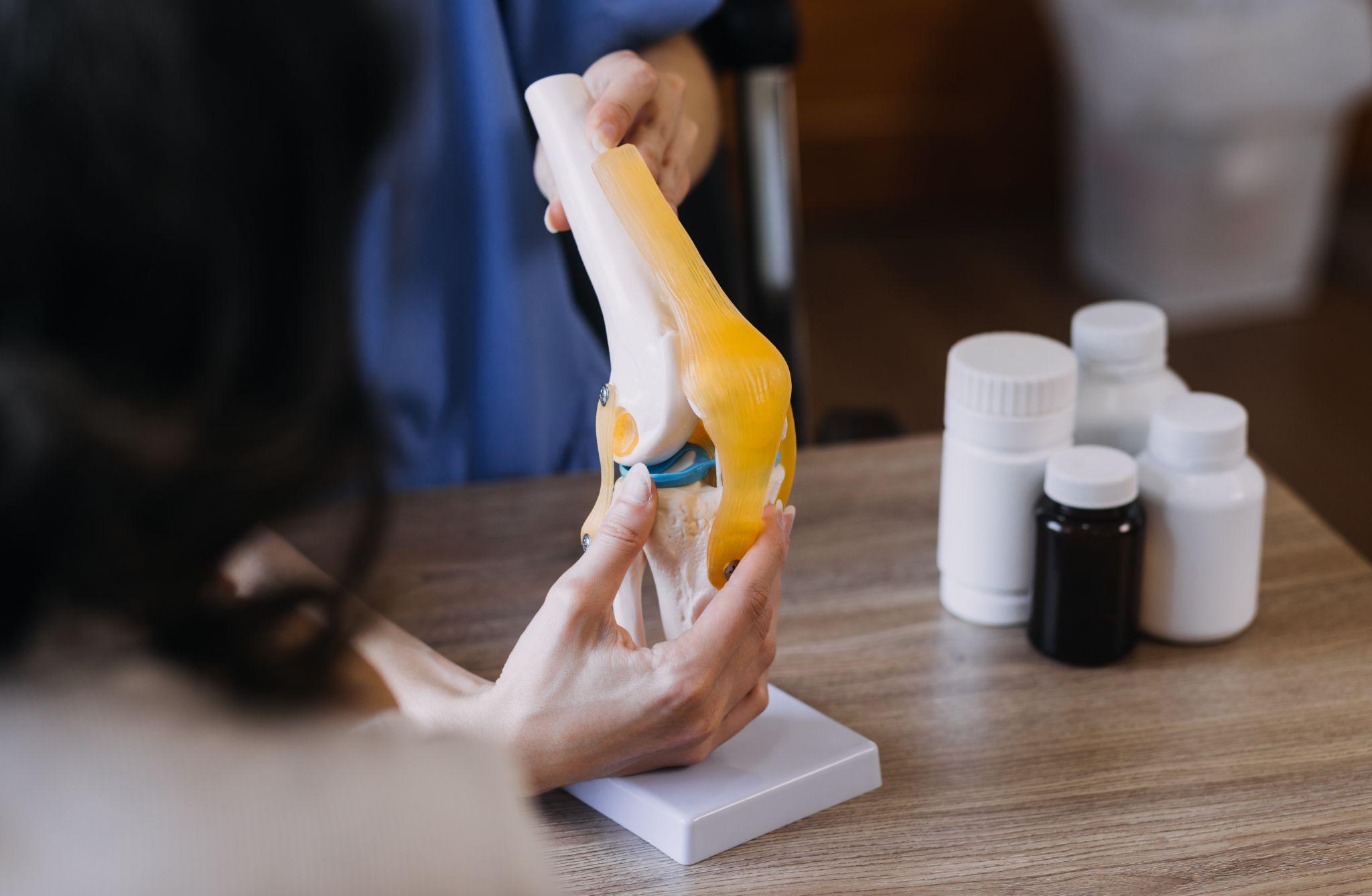
Knee injuries are way more serious as they can end careers if they aren’t treated properly. Some of the common knee injuries include ligament injuries such as ACL tears, meniscus injur and patellar tendonitis. These injuries happen due to repeated jumping and quick pivoting done awkwardly without warm-up or when done without rest over and over again.
Jumper’s Knee (Patellar Tendinitis)
This injury causes pain right below the kneecap and is common in players who jump frequently. It develops gradually without no pain and little symptoms and worsens with continued play if ignored.
Muscle Strains
Muscle strains commonly affect areas like the hamstrings, quadriceps and calf muscles. Sudden acceleration or sprinting without adequate warm-up can cause the muscles to overstretch and tear. The importance of warm up cannot be emphasized enough.
Finger and Wrist Injuries
As basketball involves constant control of ball with the hands, injuries to wrist and fingers are also common. Incorrect handling or passing of the ball can cause finger sprains, dislocations and wrist injuries. Sometimes colliding with a player at high impact can also cause one of these injuries.
Stress Fractures
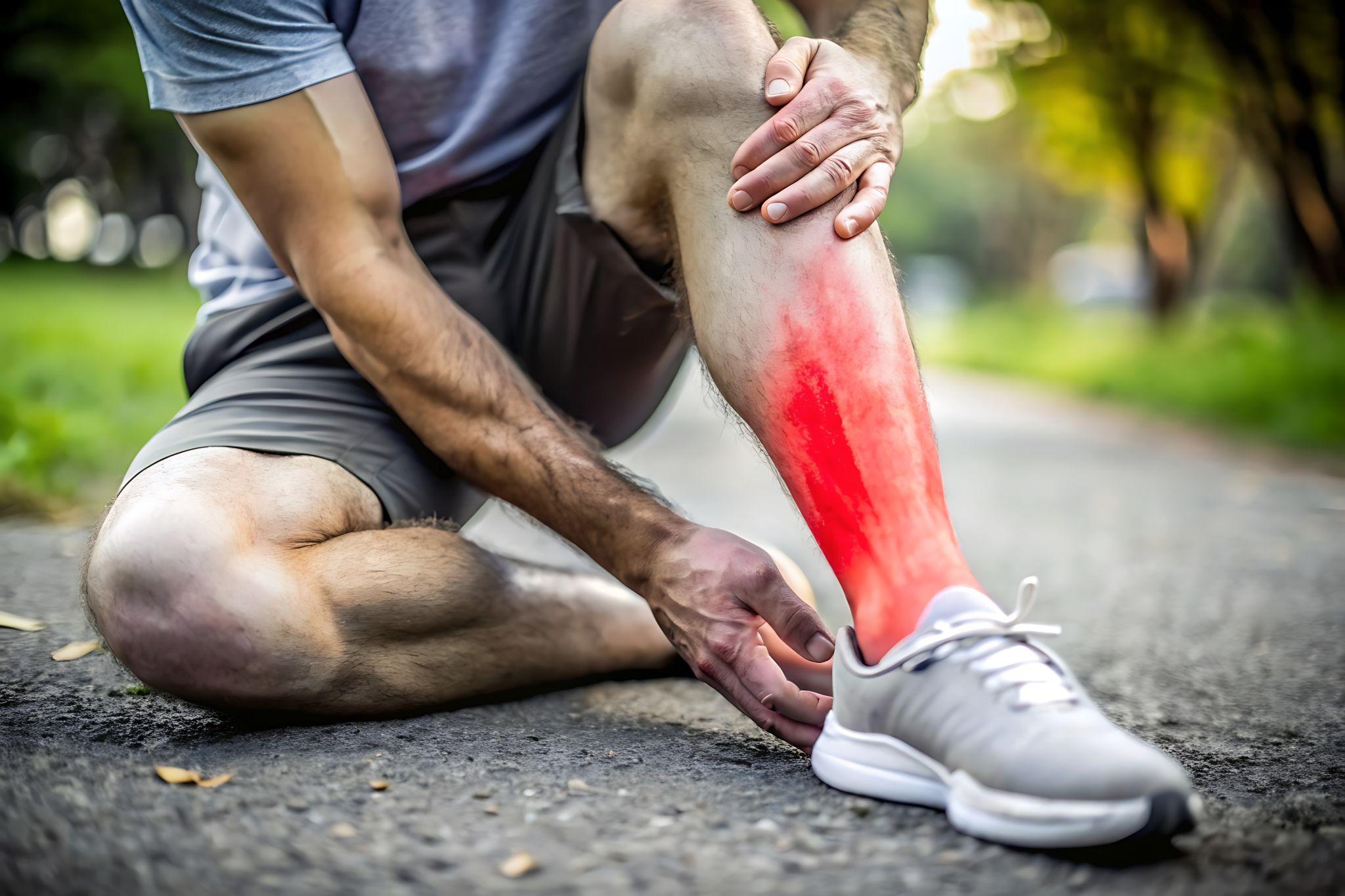
Stress fractures are small cracks in the bone which are caused by repetitive stress rather than a single traumatic event. They commonly affect the feet and lower legs. They are seen in players with intense training schedules who don’t rest enough.
Symptoms That Should Not Be Ignored
- Persistent pain during or after play
- Swelling or stiffness in joints
- Reduced range of motion
- Instability or giving way of the knee or ankle
- Pain that worsens with activity
Ignoring these symptoms may lead to chronic injuries and long-term joint damage.
Diagnosis of Basketball Injuries
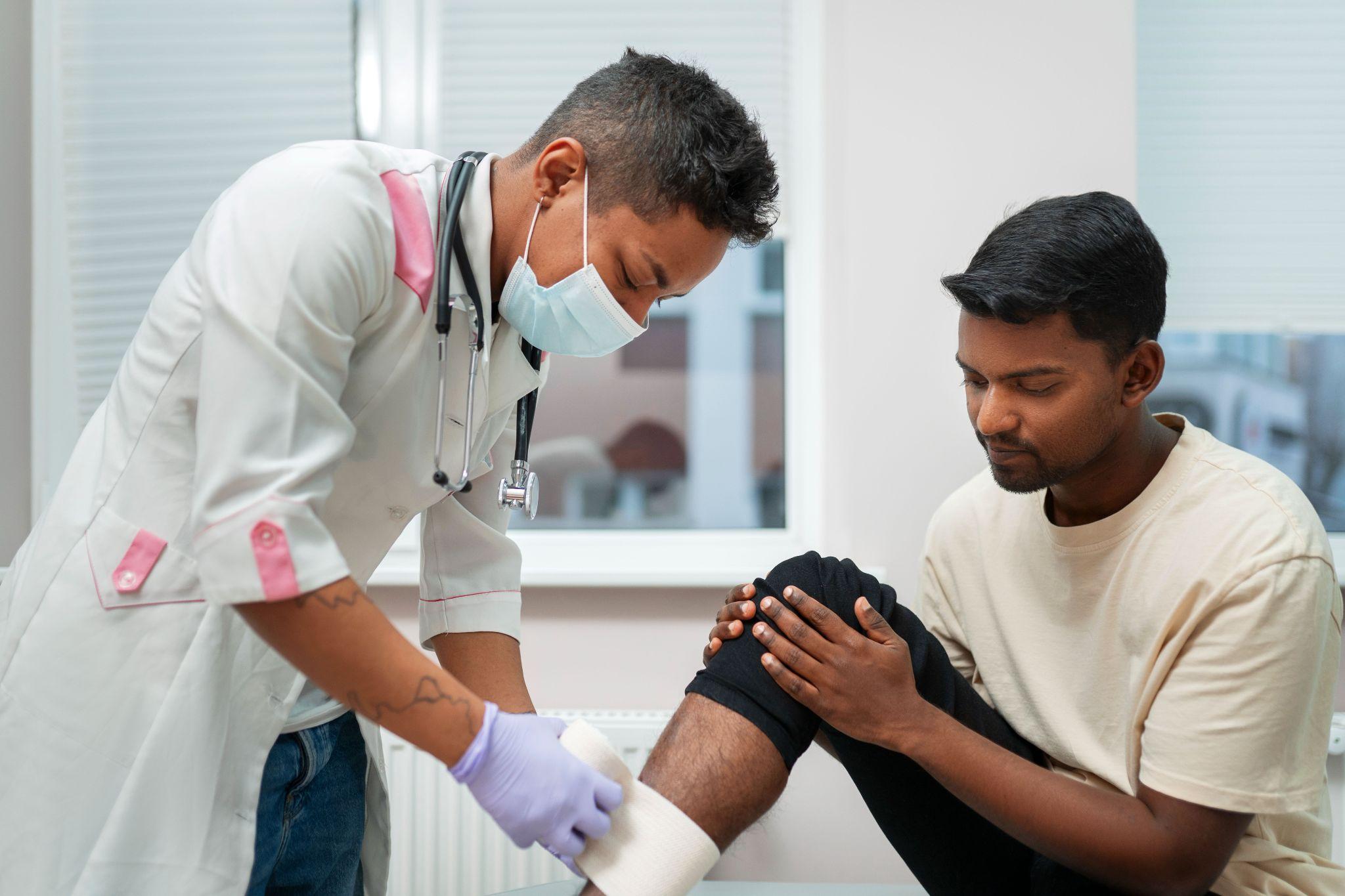
Diagnosis needs to be accurate for proper treatment. An orthopedic specialist evaluates and diagnoses the joint physically and may even recommend image tests like X-ray or MRI scans to understand the damage caused by the injury. On time diagnosis helps prevent further damage and speeds up the recovery process.
Treatment Options for Basketball Injuries
Rest and Activity Modification
The initial recovery period requires rest to support healing. Athletes who play while injured should stop their activities because their condition will become worse and their healing process will take more time.
Physiotherapy and Rehabilitation
Physiotherapy serves as an essential treatment method because it helps patients achieve better outcomes through increased strength, flexibility and joint stability. The players use a rehabilitation program that follows structured guidelines to achieve safe return to their sports activities.
Medications
Depending on the category and severity of the injury anti-inflammatory medications may be prescribed to reduce pain and swelling.
Supportive Braces and Taping
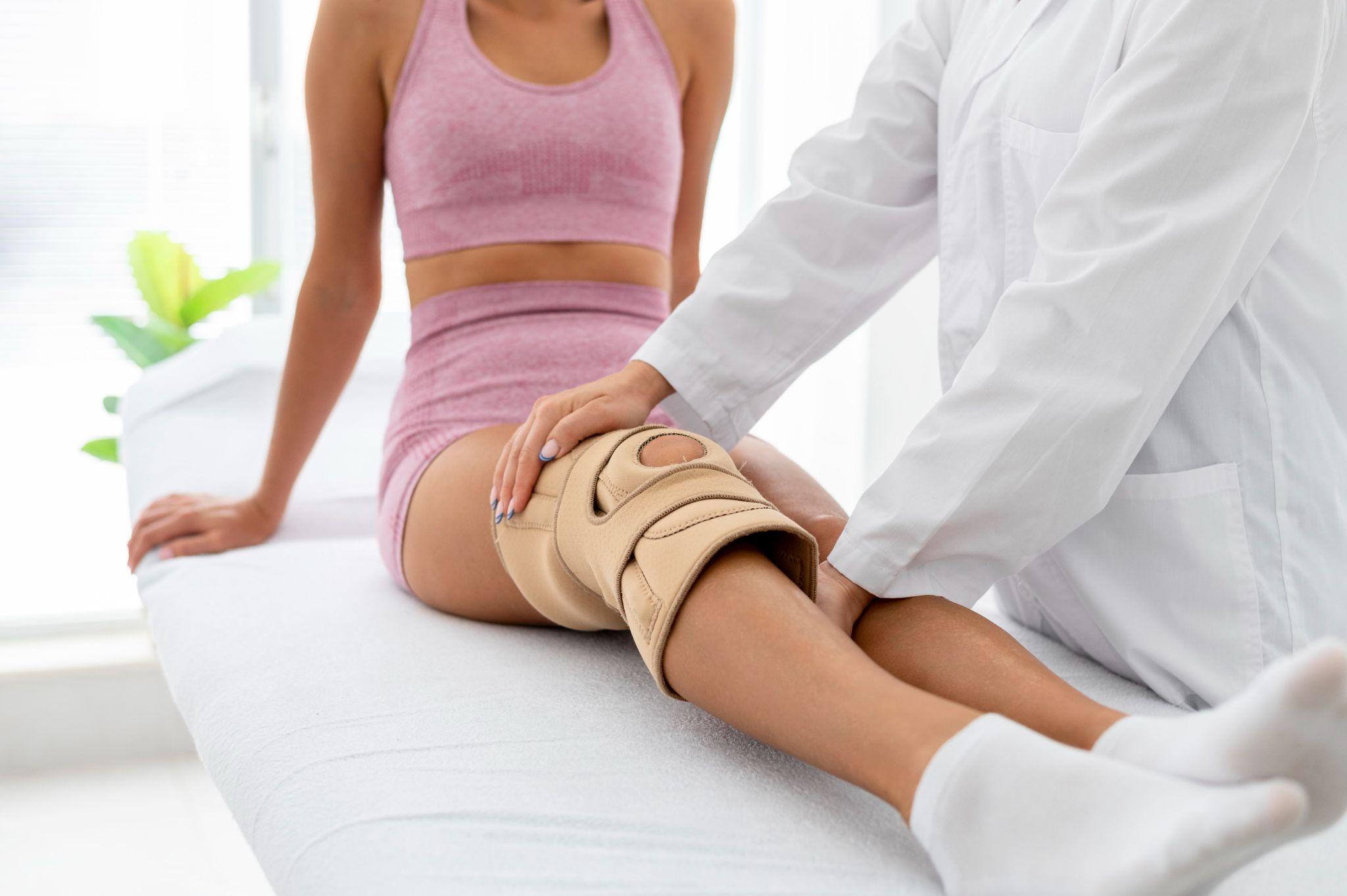
Ankle braces, knee supports and taping techniques offer joint stabilization while decreasing the force applied to injured joints during the healing process.

Athlete recovering from leg injury using crutches and wearing knee brace
Advanced Treatment and Surgery
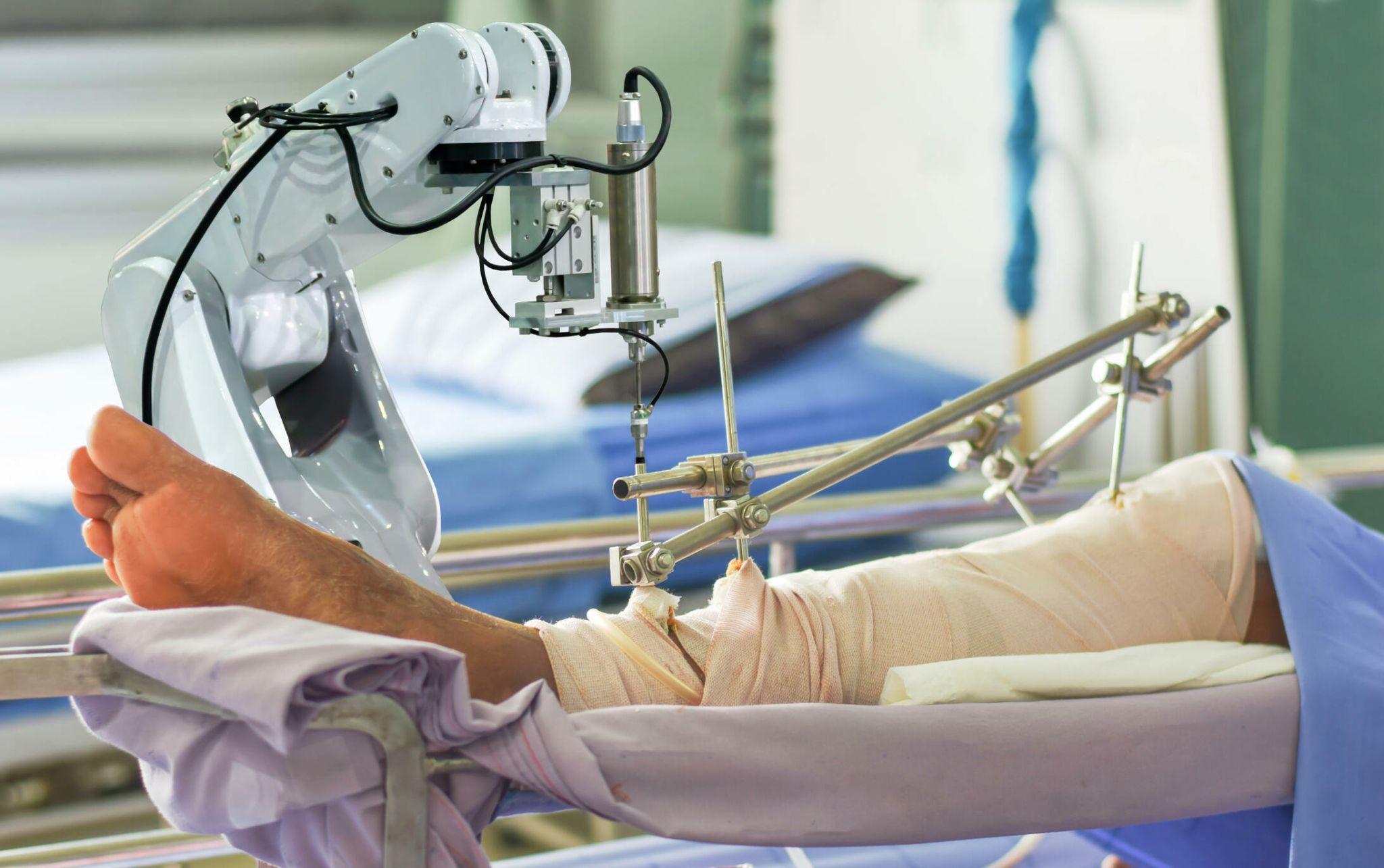
The treatment of ligament tears and fractures requires advanced medical procedures that involve surgical methods followed by monitored rehabilitation.
Preventing Basketball Injuries
Proper Warm-Up and Cool-Down
Proper warm-up prepares muscles and joints for intense activity. Cool down helps in reducing muscle stiffness and soreness after the activity.
Strength and Conditioning
The body requires joint support which strong muscles provide because strong muscles create better joint stability. The combination of leg strength, core development and upper body training establishes a system which protects against injuries and improves the game.
Correct Footwear
Wearing basketball shoes with good ankle support and shock absorption is essential for injury prevention.
Focus on Technique
Proper jumping, landing and cutting techniques reduce stress on knees and ankles. Understand and learn them for a better longevity in the sport.
Adequate Rest and Recovery
Overtraining leads to injuries because it increases the risk of getting injured. The body needs sufficient rest periods together with quality sleep for its recovery and repair processes.
When to See an Orthopedic Specialist
If pain lasts beyond three days, swelling continues to persist, or a person has difficulties with their movements, they need to schedule an appointment with an orthopedic specialist. Early medical attention can prevent minor injuries from becoming serious problems.
Long-Term Impact of Untreated Injuries
Untreated basketball injuries result in chronic pain, mobility limitations, early arthritis and repeat injuries. Joint health needs proper treatment and rehabilitation because these two elements are essential for recovery. The expert guidance of Dr. Ankur Singh, an orthopedic specialist, provides accurate diagnosis and personalized treatment for basketball injuries and recovery needs. If you are a basket ball player suffering from any of the injuries in Noida or around Noida. Consult with Dr. Ankur Singh now.
Medical Disclaimer
The information provided on this website is for educational purposes only and should not be considered as medical advice. Please consult Dr. Ankur Singh or a qualified healthcare professional for personalized medical guidance.
Share this blog:
 Copy
Copy