ठंड में पुराने फ्रैक्चर में दर्द क्यों बढ़ता है?

ठंड के मौसम में महिला को पुराने फ्रैक्चर वाली जगह पर दर्द महसूस होता हुआ
हर सर्दी में मेरे क्लिनिक में कुछ मरीज ऐसे आते हैं जो कहते हैं, "डॉक्टर साहब, 5-6 साल पहले हाथ टूटा था, वो जगह अब फिर दर्द कर रही है।" कुछ लोगों को पैर के पुराने fracture वाली जगह पर हल्की टीस उठती है, कुछ को टखने या घुटने में जकड़न। और ये शिकायत ठंड शुरू होते ही बढ़ जाती है।
क्या ये सिर्फ मन का वहम है?
बिलकुल नहीं। इसके पीछे ठोस medical कारण हैं, और इन्हें समझना जरूरी है, ताकि आप सही समय पर सही कदम उठा सकें।
मौसम बदलने से पुराने फ्रैक्चर में दर्द — क्या कहती है medical science?
ये बात कई clinical studies में सामने आई है कि barometric pressure (वायुमंडलीय दबाव) में बदलाव का सीधा असर joints और पुराने fracture sites पर पड़ता है। ठंड का मौसम आने पर barometric pressure गिरता है, जिससे शरीर के अंदर tissues हल्के-से फैलते हैं। ये फैलाव बहुत मामूली होता है, लेकिन जहाँ पहले fracture हुआ था, वहाँ की nerve endings ज्यादा sensitive होती हैं। इसलिए वो हिस्सा दर्द या असहजता महसूस करता है।
हर व्यक्ति में ऐसा नहीं होता। लेकिन जिन लोगों की हड्डी में पहले कभी गंभीर चोट लगी हो, surgery हुई हो, या fracture healing में कोई complication रहा हो, उनमें ये दिक्कत ज्यादा देखने को मिलती है।
ठंड में पुराने फ्रैक्चर का दर्द बढ़ने के 5 मुख्य कारण
1. मांसपेशियों और ligaments का सिकुड़ना
ठंड में शरीर का natural response होता है कि muscles और ligaments contract हो जाते हैं। ये एक protective mechanism है — शरीर गर्मी बचाने की कोशिश करता है। लेकिन जहाँ पहले fracture हुआ था, वहाँ scar tissue बना होता है जो normal tissue जितना flexible नहीं होता। जब surrounding muscles सिकुड़ती हैं, तो इस scar tissue पर extra tension पड़ता है, और दर्द शुरू हो जाता है।
2. Blood circulation में कमी
सर्दियों में peripheral blood vessels constrict हो जाती हैं, इसे vasoconstriction कहते हैं। इसकी वजह से हाथ-पैरों में blood flow कम हो जाता है। पुराने fracture वाली जगह पर पहले से ही blood supply थोड़ी compromised होती है (खासकर अगर surgery हुई हो)। ठंड में ये और कम हो जाती है, जिससे stiffness और dull aching pain होती है।
3. Barometric pressure में गिरावट
जैसा मैंने ऊपर बताया, atmospheric pressure कम होने से tissues में subtle expansion होता है। एक healthy joint इसे आसानी से handle कर लेता है। लेकिन जहाँ पहले trauma हुआ है, वहाँ nerve endings sensitized होती हैं — और ये minor pressure changes भी उन्हें irritate कर देते हैं।
4. Physical activity में कमी
ठंड में लोग कम चलते-फिरते हैं। सुबह की सैर बंद, exercise skip, दिनभर रजाई में। इससे joints stiff हो जाते हैं, muscles weak पड़ती हैं, और पुराने fracture site पर support कम हो जाता है। ये inactivity अपने आप में दर्द का बड़ा कारण बन जाती है।
5. Vitamin D की कमी
सर्दियों में धूप कम मिलती है। Delhi-NCR जैसे इलाकों में fog की वजह से हफ्तों तक ठीक से धूप नहीं निकलती। इससे Vitamin D levels गिरते हैं, जो bone health के लिए बेहद जरूरी है। मेरे clinical experience में, जिन मरीजों का Vitamin D level low होता है, उनमें पुराने fracture site का दर्द ठंड में काफी ज्यादा बढ़ता है।
क्या ये दर्द इस बात का संकेत है कि हड्डी ठीक से नहीं जुड़ी?
ये सवाल बहुत से मरीज पूछते हैं, और चिंता स्वाभाविक है।
अगर fracture सही तरीके से heal हो चुका है, X-ray में bone union दिख रहा है, और आपने proper rehabilitation किया है, तो मौसम की वजह से होने वाला हल्का दर्द generally चिंता की बात नहीं है। ये discomfort ज्यादातर temporary होता है और ठंड कम होने पर अपने आप ठीक हो जाता है।
लेकिन कुछ situations में ये दर्द serious underlying problem की तरफ इशारा कर सकता है:
किन स्थितियों में दर्द ज्यादा होता है?
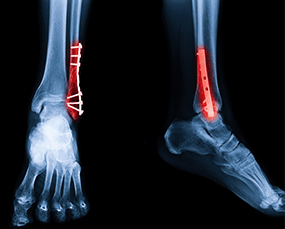
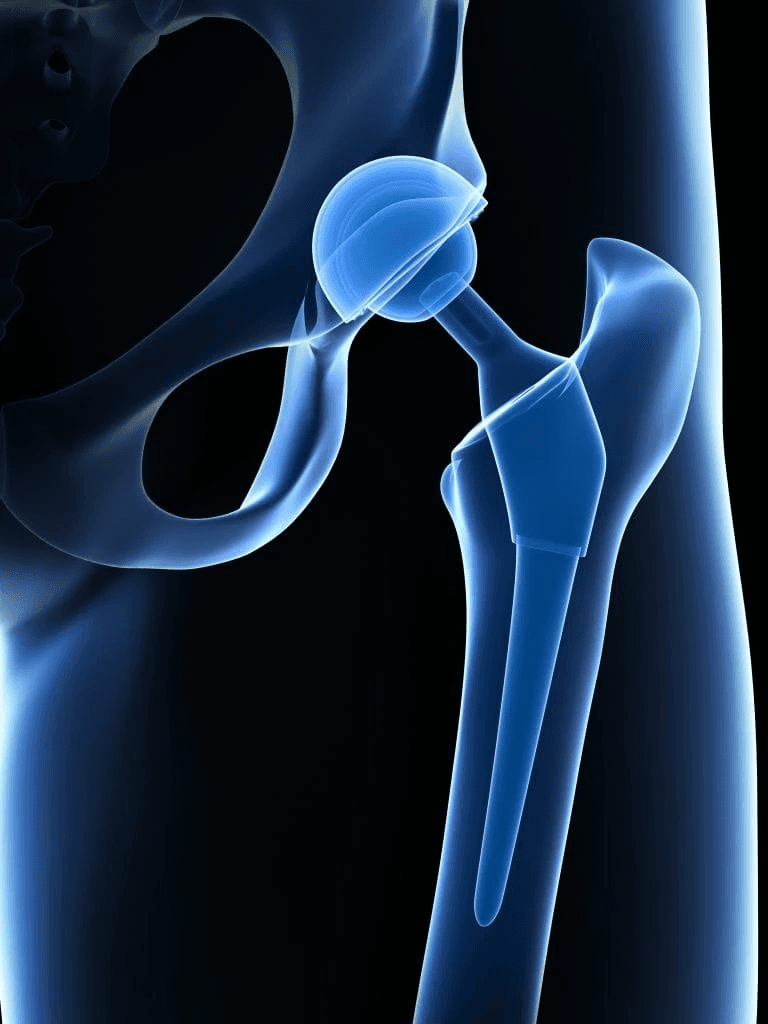
- Implants लगे हों — अगर fracture fix करने के लिए plate, screws या rod लगाई गई हो
- Malunion हो, यानी हड्डी गलत alignment में जुड़ी हो
- Post-traumatic arthritis, fracture के बाद उस joint में arthritis develop हो गया हो
- Inadequate rehabilitation — fracture के बाद proper physiotherapy न हुई हो
- Non-union या delayed union, कुछ rare cases में हड्डी पूरी तरह जुड़ी ही नहीं होती
अगर इनमें से कोई भी condition है, तो ठंड का असर ज्यादा महसूस होगा।

घुटने में दर्द और सूजन, पुराने फ्रैक्चर या जोड़ की समस्या का संकेत
Metal implants और ठंड, क्या connection है?
मेरे पास अक्सर ऐसे मरीज आते हैं जिनकी surgery में stainless steel या titanium की plate-screw लगी होती है। वो कहते हैं कि ठंड में "अंदर तक ठंडक चुभती है।"
Technically, metal body temperature पर ही रहता है — ये अंदर से ठंडा नहीं होता। लेकिन metal और surrounding bone/tissue का thermal conductivity अलग-अलग होता है। इसकी वजह से temperature changes पर दोनों अलग rate से react करते हैं, जो micro-level irritation पैदा कर सकता है।
इसके अलावा, implant के आसपास के tissues में sensitivity बढ़ी हुई होती है। Cold weather में ये sensitivity और amplify हो जाती है। यही कारण है कि कुछ patients को implant removal के बाद ठंड में दर्द कम होता है, हालांकि implant removal हर case में जरूरी नहीं होता और ये decision surgeon को लेना चाहिए।
क्या ये post-traumatic arthritis की शुरुआत हो सकती है?
हाँ, ये possibility हमेशा ध्यान में रखनी चाहिए।
अगर fracture किसी joint के करीब या joint surface पर हुआ था, जैसे घुटना, टखना, कलाई, या कंधा — तो उस joint में articular cartilage damaged हो सकती है। ये damage तुरंत symptoms नहीं देता, लेकिन 3-5 साल बाद post-traumatic osteoarthritis के रूप में सामने आ सकता है।
Post-traumatic arthritis के warning signs:
- सुबह उठने पर 15-20 मिनट से ज्यादा stiffness
- Joint में recurring swelling, खासकर activity के बाद
- Joint हिलाने पर crepitus (कड़कड़ाहट या रगड़ने जैसी आवाज)
- धीरे-धीरे बढ़ती हुई चलने-फिरने में तकलीफ
- Joint का shape बदलना या deformity आना
- ठंड में दर्द का काफी बढ़ जाना
अगर ये लक्षण दिखें, तो X-ray और clinical examination करवाना जरूरी है। Early stage में पकड़ लिया जाए तो physiotherapy, weight management और targeted exercises से काफी control किया जा सकता है।
Red-flag symptoms, कब तुरंत डॉक्टर के पास जाएं?
हर मौसमी दर्द normal नहीं होता। नीचे दिए गए लक्षण दिखें तो बिना देर किए orthopedic specialist से मिलें:
- लगातार बढ़ता दर्द जो rest करने पर भी कम न हो
- सूजन या लालिमा पुराने fracture वाली जगह पर — ये infection का sign हो सकता है
- बुखार के साथ दर्द, osteomyelitis (bone infection) की possibility
- Weight bear करने में असमर्थता, re-fracture या implant failure हो सकता है
- अचानक तीव्र दर्द बिना किसी injury के — stress fracture या pathological fracture का संकेत
- Numbness या tingling fracture site के नीचे, nerve involvement
ये symptoms किसी serious condition की तरफ point कर सकते हैं जैसे infection, implant loosening, stress fracture, या nerve compression। इनमें से कोई भी हो तो imaging और thorough evaluation जरूरी है।
ठंड में पुराने फ्रैक्चर के दर्द से राहत, practical tips
मैं अपने मरीजों को कुछ simple लेकिन effective उपाय बताता हूँ:
1. प्रभावित हिस्से को गर्म रखें
Woolen wraps, knee caps, elbow sleeves — जो भी applicable हो, इस्तेमाल करें। रात को सोते समय भी affected area को covered रखें। Electric heating pad या hot water bottle से 15-20 मिनट सिकाई करें, दिन में 2-3 बार। लेकिन ध्यान रहे, directly skin पर गर्म चीज न रखें, burns हो सकता है। एक कपड़े की layer जरूर रखें बीच में।
2. रोज हल्की exercise करें — बंद मत करें
ठंड में exercise छोड़ना सबसे बड़ी गलती है। Indoor exercises करें, gentle stretching, range-of-motion exercises, और अपने doctor या physiotherapist की बताई हुई specific exercises। दिन में 20-30 मिनट काफी है। इससे blood circulation बनी रहती है और stiffness नहीं होती।

ठंड में दर्द से बचाव के लिए पैरों की स्ट्रेचिंग करते हुए व्यक्ति
3. Vitamin D और Calcium का ध्यान रखें
Noida-Delhi NCR में सर्दियों में Vitamin D deficiency बहुत common है। अपना Vitamin D level check करवाएं, ideally 30-50 ng/mL होना चाहिए। अगर low है तो doctor की सलाह से supplement लें। Calcium-rich foods — दूध, दही, पनीर, रागी, बादाम, diet में शामिल करें। Daily requirement करीब 1000-1200 mg calcium है adults के लिए।
4. वजन control में रखें
सर्दियों में खाना ज्यादा खाते हैं, activity कम होती है, वजन बढ़ता है। Extra weight directly joints पर load डालता है। हर 1 kg extra weight घुटने पर करीब 4 kg extra pressure डालता है। अगर पुराना fracture lower limb में था, तो weight management और भी critical हो जाता है।
5. Physiotherapy — अगर दर्द ज्यादा हो
अगर दर्द regular pain killers से control नहीं हो रहा, तो physiotherapy बहुत effective है। Modalities जैसे ultrasound therapy, TENS (Transcutaneous Electrical Nerve Stimulation), और targeted muscle strengthening से काफी relief मिलता है। 10-15 sessions में significant improvement देखने को मिलती है।
6. pain management
Mild दर्द के लिए paracetamol ले सकते हैं। Anti-inflammatory medicines जैसे ibuprofen या diclofenac short-term use के लिए helpful हैं, लेकिन बिना doctor की सलाह के लंबे समय तक न लें। Topical gels और pain-relief sprays भी temporary relief के लिए अच्छे हैं।
क्या पुराने fracture का दर्द हमेशा रहेगा?
ज्यादातर cases में, नहीं।
अगर fracture properly heal हुआ है, सही rehabilitation हुई है, और आप active lifestyle maintain कर रहे हैं — तो ये मौसमी दर्द साल-दर-साल कम होता जाता है। कई मरीज 2-3 साल बाद बताते हैं कि अब ठंड में भी कोई तकलीफ नहीं होती।
लेकिन अगर दर्द हर साल बढ़ रहा है, या daily life affect हो रही है, तो ये normal weather change नहीं है। ऐसे में proper evaluation जरूरी है।
डॉ. अंकुर सिंह की सलाह
मैं अपने 15+ साल के clinical experience से ये बात कह सकता हूँ कि पुराने fracture का मौसमी दर्द अक्सर manageable होता है, बशर्ते आप इसे ignore न करें।
जो मरीज timely evaluation करवाते हैं, recommended exercises follow करते हैं, और अपने bone health का ध्यान रखते हैं — उन्हें ठंड में भी ज्यादा तकलीफ नहीं होती। लेकिन जो सालों तक दर्द सहते रहते हैं और डॉक्टर के पास तभी आते हैं जब चलना-फिरना मुश्किल हो जाए, उनमें complications ज्यादा देखने को मिलते हैं।
अगर आप Noida या Greater Noida में हैं और पुराने fracture की जगह पर बार-बार दर्द हो रहा है, तो एक बार ठीक से जांच करवा लें। सही diagnosis मिल जाए तो treatment straightforward होता है।
आखिरी बात
ठंड में पुराने fracture वाली जगह पर दर्द होना काफी common है। इसके पीछे muscle contraction, reduced blood flow, barometric pressure changes, और Vitamin D deficiency जैसे scientific कारण हैं।
लेकिन हर दर्द को "बस ठंड की वजह से है" कहकर टालना ठीक नहीं। अगर दर्द persistent है, बढ़ रहा है, या किसी red-flag symptom के साथ है, तो orthopedic evaluation जरूर करवाएं। पुरानी चोट की सही देखभाल करने से आप ठंड के मौसम में भी comfortable और active रह सकते हैं।
Medical Disclaimer
The information provided on this website is for educational purposes only and should not be considered as medical advice. Please consult Dr. Ankur Singh or a qualified healthcare professional for personalized medical guidance.
Share this blog:
 Copy
Copy



/1.jpg)
.jpg)