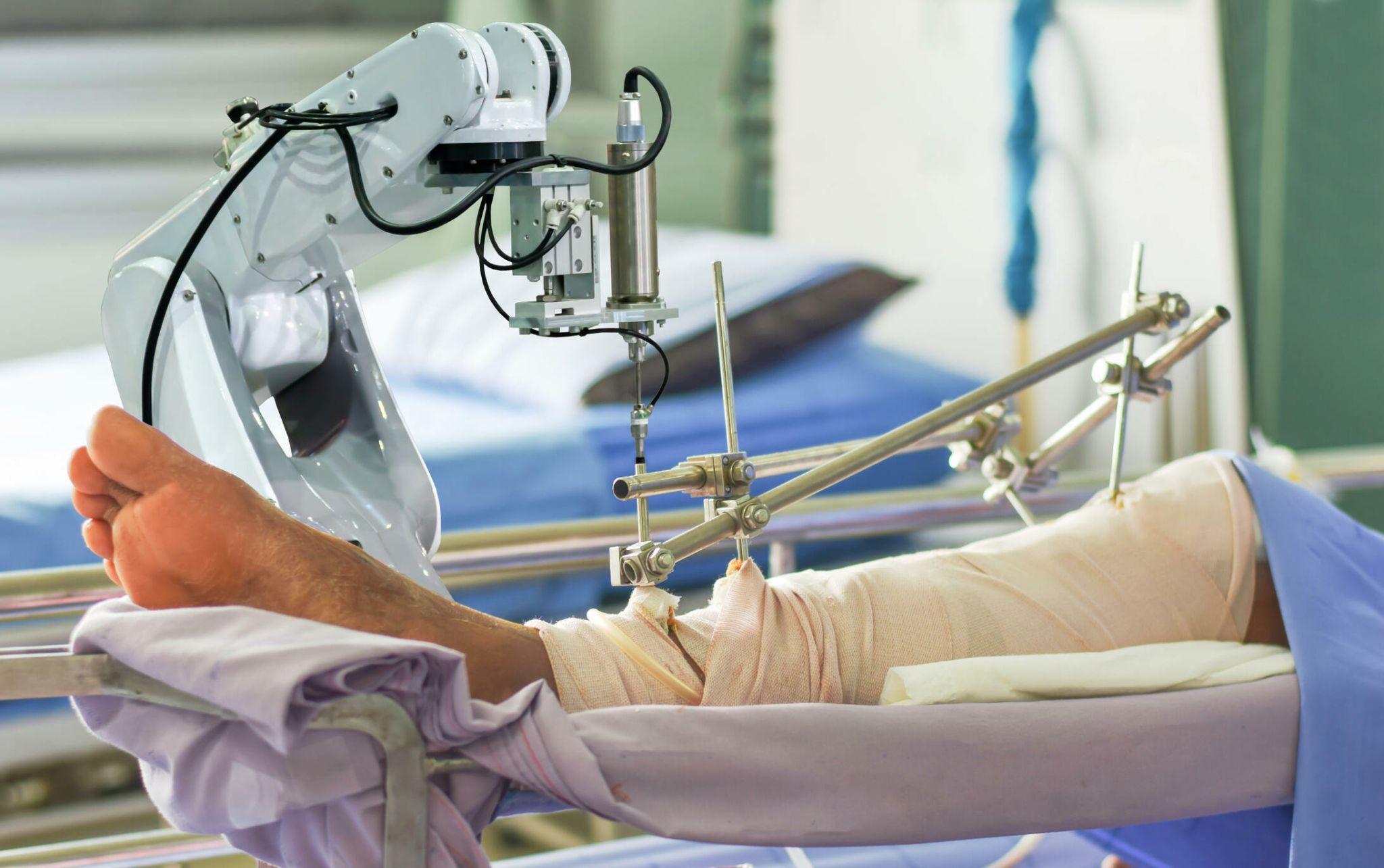
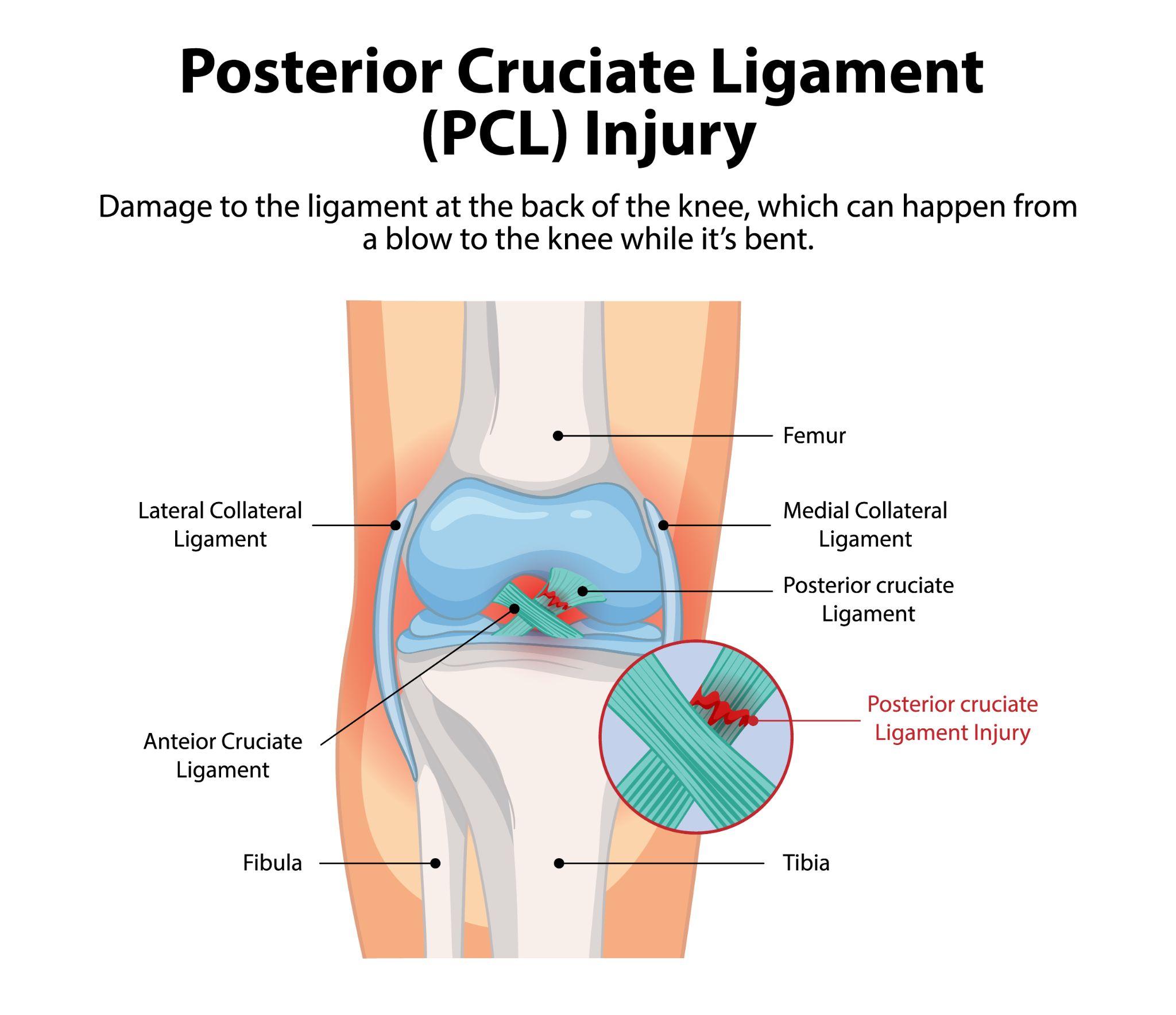
Robotic Hip Replacement In Greater Noida: Is It Right For You?
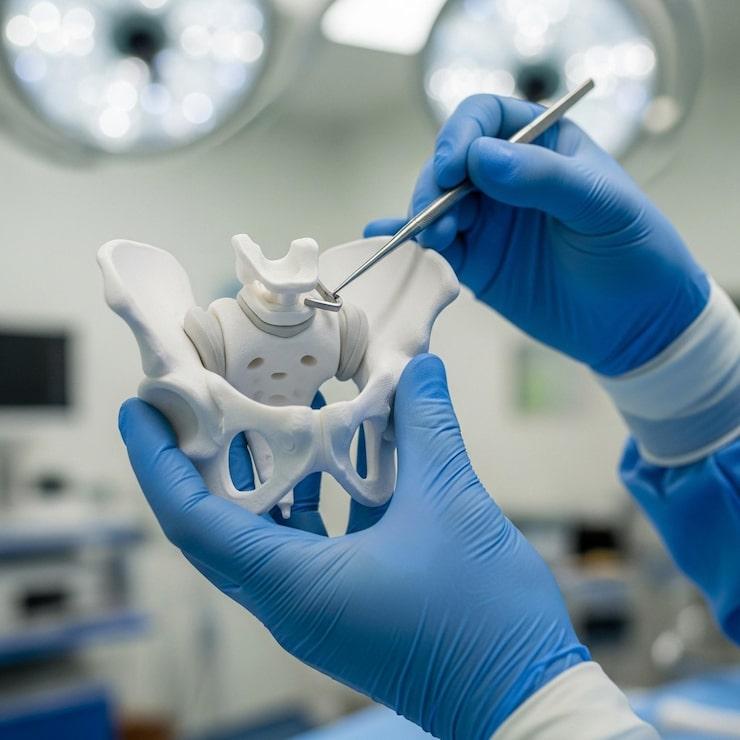
anatomical model of a hip bone.
When hip pain reaches the stage where it controls your life, where it limits every walk, disrupts every night of sleep, and eliminates activities you once took for granted, hip replacement surgery becomes a serious consideration. For many patients in Noida and Greater Noida, it is not just a consideration; it is the most reliable path back to normal function. The decision to have a hip replacement is one thing. Understanding which type of hip replacement is best for you is another.
Robotic hip replacement has been available at Dr. Ankur Singh's practice for patients in Greater Noida, and while it builds on the same proven concept of joint replacement, it introduces a level of precision and personalisation that traditional surgery cannot match. This guide explains what robotic hip replacement is, how it works, who benefits most, and what recovery looks like.
What Is Robotic Hip Replacement?
To understand robotic hip replacement, it helps to understand what the biggest challenge in traditional hip replacement is.
In a total hip replacement, the surgeon removes the damaged femoral head (the ball) and lines the hip socket (acetabulum) with a metal cup. The position of that cup, its angle, depth, and orientation, is critical. If the cup is too vertical, the hip is at risk of dislocation. If it is too horizontal, the hip may impinge during certain movements. The sweet spot is precise: the cup needs to sit within a specific "safe zone" of orientation, and it needs to be matched to the individual patient's anatomy.
In traditional hip replacement, achieving this is based on the surgeon's experience, intraoperative visual estimation, and mechanical guides. Skilled surgeons achieve excellent cup positioning in most cases. But even with experience, there is variability, and even small deviations from the ideal position can affect how naturally the new joint functions over the years of use.
Robotic hip replacement changes this by using preoperative CT scan data to create a precise 3D model of the patient's individual hip anatomy. Before the patient enters the operating room, the surgeon plans the surgery in virtual space, selecting the exact implant size, positioning the components optimally for that patient's specific geometry, and calculating the exact angles needed.
During surgery, the robotic system provides real-time feedback. If the surgeon's movements deviate from the pre-planned position, the system alerts them. The result is implant placement that matches the pre-operative plan with millimetre-level accuracy. The surgeon remains fully in control throughout. The robot does not perform the surgery independently; it supports the surgeon's execution of a precisely planned procedure.
How Robotic Hip Replacement Differs From Traditional Surgery?
Robotic hip replacement differs from traditional surgery by using advanced technology and real-time precision to improve implant placement, accuracy, and overall surgical outcomes.
1. Personalisation
Traditional hip replacement uses standard mechanical guides and generalised measurements. Robotic hip replacement is planned specifically for your anatomy, the shape of your pelvis, the angle of your femur, and the degree of your arthritis. Two patients of the same height and weight may have significantly different optimal cup positions.
2. Precision In Cup Placement
Acetabular cup placement, positioning of the hip socket component, is the single factor most strongly associated with hip dislocation risk and long-term joint function. Studies consistently show that robotic-assisted placement achieves target positioning more reliably than the manual technique. This is not a minor statistical difference. For a joint that will be in use for decades, better initial placement means less wear, lower dislocation risk, and more natural movement.
3. Soft Tissue Preservation
Because the surgical plan is pre-defined and the robotic system provides real-time guidance, the surgeon can be more precise in limiting tissue disruption around the hip. Less soft tissue trauma generally means less post-operative swelling, less discomfort in the early recovery phase, and a faster return to walking naturally.
4. Femoral Stem Positioning
In addition to the cup, the stem that fits into the thigh bone also needs precise positioning for optimal hip mechanics. Robotic planning allows the stem and cup positions to be optimised together, something that is difficult to achieve with manual technique alone.
Who Is Robotic Hip Replacement Best Suited For?
Robotic hip replacement is well-suited for:
Younger, more active patients - If you are in your 40s or 50s and want the hip replacement to last as long as possible with maximum functional performance, precision matters more than it does for an elderly, sedentary patient. Better implant positioning means more even wear distribution, which translates to longer implant life.
Patients with complex anatomy - Patients who have had previous pelvic surgery, fractures that have altered the normal anatomy, or significant acetabular deformity benefit from the personalised pre-surgical planning that robotic technology enables.
Patients who had a previous hip replacement - Revision surgery, where an old implant needs to be removed and replaced, involves altered anatomy that makes manual implant positioning more challenging. Robotic planning helps navigate this complexity.
Patients with higher activity expectations - If your goal after hip replacement includes returning to hiking, swimming, cycling, or sustained physical activity, precise cup positioning reduces impingement during the range of motion these activities demand.
Patients who want the most accurate outcome possible - Some patients, after understanding the difference, simply want the technology that offers the highest level of precision. This is a reasonable basis for preference.
Traditional hip replacement remains excellent for straightforward cases in older patients with lower activity demands. The decision about which approach is right for you is made after a proper clinical evaluation and discussion of your goals, not based on age or a single factor alone.
The Procedure: What Happens During Robotic Hip Replacement?

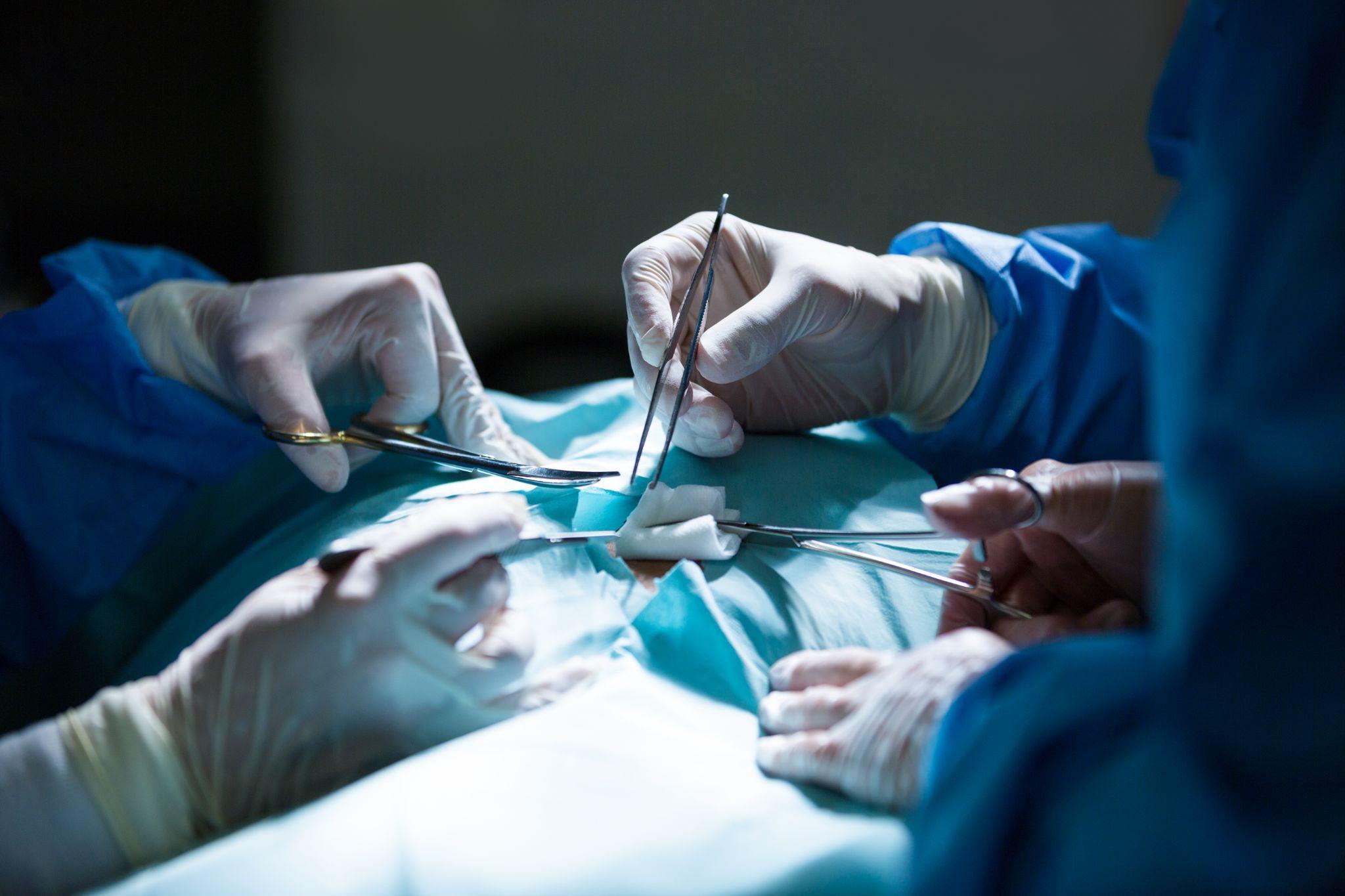
Orthopedic surgeons performing a hip replacement procedure in a sterile operating room.
The process begins before you enter the operating room. A pre-operative CT scan of your hip and pelvis is acquired. This data is processed to generate a 3D anatomical model of your specific joint geometry. Dr. Ankur Singh uses this virtual model to plan the surgery, selecting implant sizes, positioning the components, and defining the exact angles for cup placement.
In the operating room, the robotic system registers your anatomy intraoperatively, confirming that the virtual model matches your actual anatomy on the table. As the surgery proceeds, the system provides continuous feedback, alerting Dr. Singh if any movement deviates from the planned position.
The implants are then inserted according to the plan. The incision is closed. Post-operatively, a check is performed to verify that the implant position matches the pre-operative plan. Total operative time for robotic hip replacement is comparable to traditional surgery for experienced surgeons. The preoperative planning adds time upfront, but it reduces intraoperative uncertainty.
Recovery After Robotic Hip Replacement
The recovery timeline for robotic hip replacement is broadly similar to that of traditional hip replacement. Patients walk on the day of surgery, go home within two to three days, and follow a structured rehabilitation programme over several months.
Some patients report that early recovery discomfort is slightly less with robotic-assisted surgery, likely due to more precise soft-tissue handling. This is not universal, and individual variation in pain experience and recovery pace applies regardless of technique.
The milestones include independent walking by six weeks, return to light activities by three months, and continued strength improvement through six to twelve months, which apply to both robotic and traditional approaches.
Robotic Hip Replacement At KDSG Superspeciality Hospital, Greater Noida
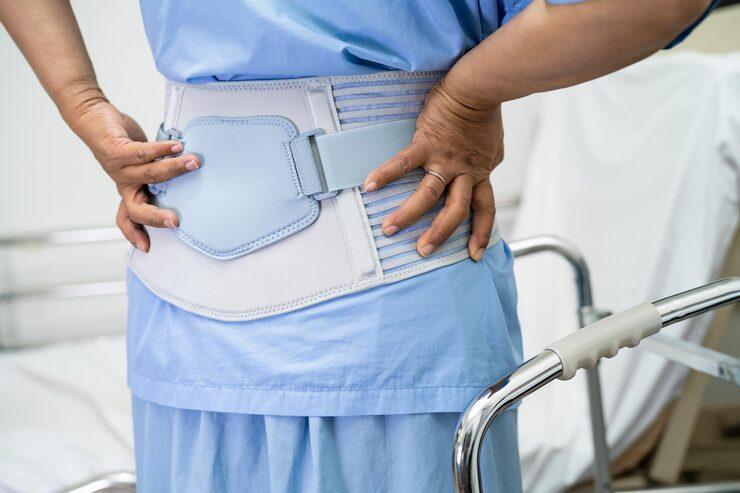
Patient wearing waist band post-surgery
Dr. Ankur Singh performs robotic hip replacement at KDSG Superspeciality Hospital in Greater Noida, making this advanced surgical technology accessible to patients across Noida, Greater Noida, and the Delhi-NCR region.
As Director of Orthopedics at KDSG Hospital and one of the Top 3 Orthopedic Surgeons in Noida by ThreeBestRated®, Dr. Ankur Singh brings over 15 years of surgical experience and a strong track record in both primary and complex hip replacement surgery.
If you have been living with hip pain in Noida or Greater Noida, the right starting point is a thorough evaluation, including clinical examination and imaging, to understand the extent of joint damage and identify the most appropriate surgical approach. To book a consultation for robotic hip replacement in Greater Noida, call the number listed on this website.
Frequently Asked Questions
1. Is robotic hip replacement safer than traditional hip replacement?
Both are safe procedures when performed by an experienced surgeon. Robotic-assisted surgery offers improved precision in implant positioning, which reduces specific risks like dislocation and implant malpositioning, but the overall safety profile of both techniques is excellent in experienced hands.
2. Does robotic hip replacement mean a faster recovery?
Some patients report slightly less early discomfort with robotic-assisted surgery, but the overall recovery timeline is similar. The primary advantage of robotic surgery is long-term better implant positioning for more natural function and potentially longer implant durability.
3. Is robotic hip replacement available in Greater Noida?
Yes. Dr. Ankur Singh performs robotic hip replacement at KDSG Superspeciality Hospital in Greater Noida. Patients across Noida, Greater Noida, Delhi, and the wider NCR region do not need to travel to a central city hospital for access to this technology.
4. How is robotic hip replacement different from robotic knee replacement?
The fundamental concept is the same pre-operative planning using 3D imaging, intraoperative robotic guidance for precise implant placement. The specific anatomy, implant design, and surgical approach are tailored to the hip joint rather than the knee.
Dr. Ankur Singh | Best Orthopedic Surgeon in Noida | Robotic Hip Replacement Greater Noida | Total Hip Replacement | KDSG Superspeciality Hospital, Greater Noida
Medical Disclaimer
The information provided on this website is for educational purposes only and should not be considered as medical advice. Please consult Dr. Ankur Singh or a qualified healthcare professional for personalized medical guidance.
Share this blog:
 Copy
Copy