PCL Injury Vs ACL Injury: Key Differences, Symptoms, And Treatment In Noida

A diagram is shown, illustrating ACL injury on the knee.

A diagram is shown, illustrating PCL injury on the knee.
Most people who follow cricket, football, or kabaddi have heard of an ACL tear. It is the knee injury that takes players off the field for months, that shows up in sports headlines, and that many recreational athletes dread. What fewer people know is that the knee has another critical ligament, the PCL, and that injuries to it are often misdiagnosed or mismanaged because they behave differently.
Understanding the difference between an ACL (anterior cruciate ligament) and a PCL (posterior cruciate ligament) injury matters because the two conditions have different causes, different clinical presentations, different approaches to treatment, and very different rates of surgical intervention. Treating a PCL injury the same way as an ACL injury or vice versa leads to poor outcomes.
Anatomy: Where Are These Ligaments?
Both ligaments sit inside the knee joint and together form an "X" shape, which is why they are called cruciate (cross-shaped) ligaments.
The ACL runs from the front of the tibia (shin bone) to the back of the femur (thigh bone). It primarily controls anterior tibial translation, preventing the shin bone from sliding too far forward, and provides rotational stability to the knee.
The PCL runs from the back of the tibia to the front of the femur. It is the primary restraint against posterior tibial translation, preventing the shin bone from sliding too far backward. The PCL is the larger and stronger of the two ligaments by a meaningful margin.
Together, they work in coordination to keep the knee stable during virtually every movement, walking, running, squatting, pivoting, and landing from a jump.
How Does Each Injury Happen?
This is one of the most important distinguishing features.
1. ACL Injuries
ACL tears are classically non-contact injuries. The most common mechanism is a sudden change of direction, deceleration, or awkward landing from a jump, with the foot planted and the knee twisting. Think of a footballer planting to change direction, a cricketer diving to stop a ball, or a badminton player lunging. Contact injuries, direct tackles, or collisions can also cause ACL tears, but non-contact mechanisms are more common.
In India, a significant proportion of ACL injuries are sports-related, occurring across football, cricket, kabaddi, basketball, and wrestling.
2. PCL Injuries
PCL tears have very different injury mechanisms. The most common is a direct blow to the front of a bent knee, the classic "dashboard injury" from a car accident, where the knee strikes the car's dashboard with the knee bent and the tibia being driven backward. Falls that directly onto a flexed knee, where the tibia hits the ground first, are another common cause. Contact sports that involve direct knee collisions can also cause PCL tears.
PCL injuries from road traffic accidents are common in India, and this is worth keeping in mind when assessing any patient who presents with knee pain following a collision.
Symptoms: How Do They Feel Different?
Both injuries cause pain, swelling, and a sense of instability. But the character of the symptoms differs.
1. ACL Injury Symptoms
- A loud, audible "pop" at the time of injury (heard or felt by the patient).
- Immediate, often severe pain.
- Rapid swelling of the knee can swell visibly within two to four hours as blood accumulates in the joint.
- Rotational instability is the hallmark of the knee collapsing when trying to pivot, change direction, or descend stairs. The patient may be able to walk in a straight line, but feels the knee give way with any twisting movement.
2. PCL Injury Symptoms
- Pain behind the knee (rather than the generalised joint pain of ACL tears).
- Swelling that may develop more gradually and be less dramatic.
- In patients with instability that is generally less pronounced than ACL tears, many patients with isolated PCL tears can actually function reasonably well with activity modification.
- Difficulty walking downhill or on stairs, where the PCL provides important stability.
- Some patients have very subtle symptoms, particularly in the early period after a lower-grade PCL injury.
This subtlety is why PCL injuries are more frequently missed or underdiagnosed. A patient who presents to a general physician after a car accident with knee pain that is manageable may have a PCL injury that goes unrecognised.
Grading PCL And ACL Injuries
Both ligaments are graded by severity:
Grade I - A stretch or minor partial tear. The ligament is damaged, but the knee is stable. Most Grade I injuries are managed conservatively.
Grade II - A more significant partial tear with some looseness in the joint. Management depends on symptoms and functional demands.
Grade III - A complete tear with significant joint instability. This is the most severe grade.
ACL tears that present for clinical evaluation are predominantly Grade III complete, because Grade I and II ACL injuries often do not cause the dramatic symptom onset (the pop, the immediate haemarthrosis) that brings patients to a doctor.
PCL tears more frequently include Grades I and II in the clinical population, because the PCL's inherent strength means it often sustains partial rather than complete rupture.
Diagnosis: How Are They Confirmed?
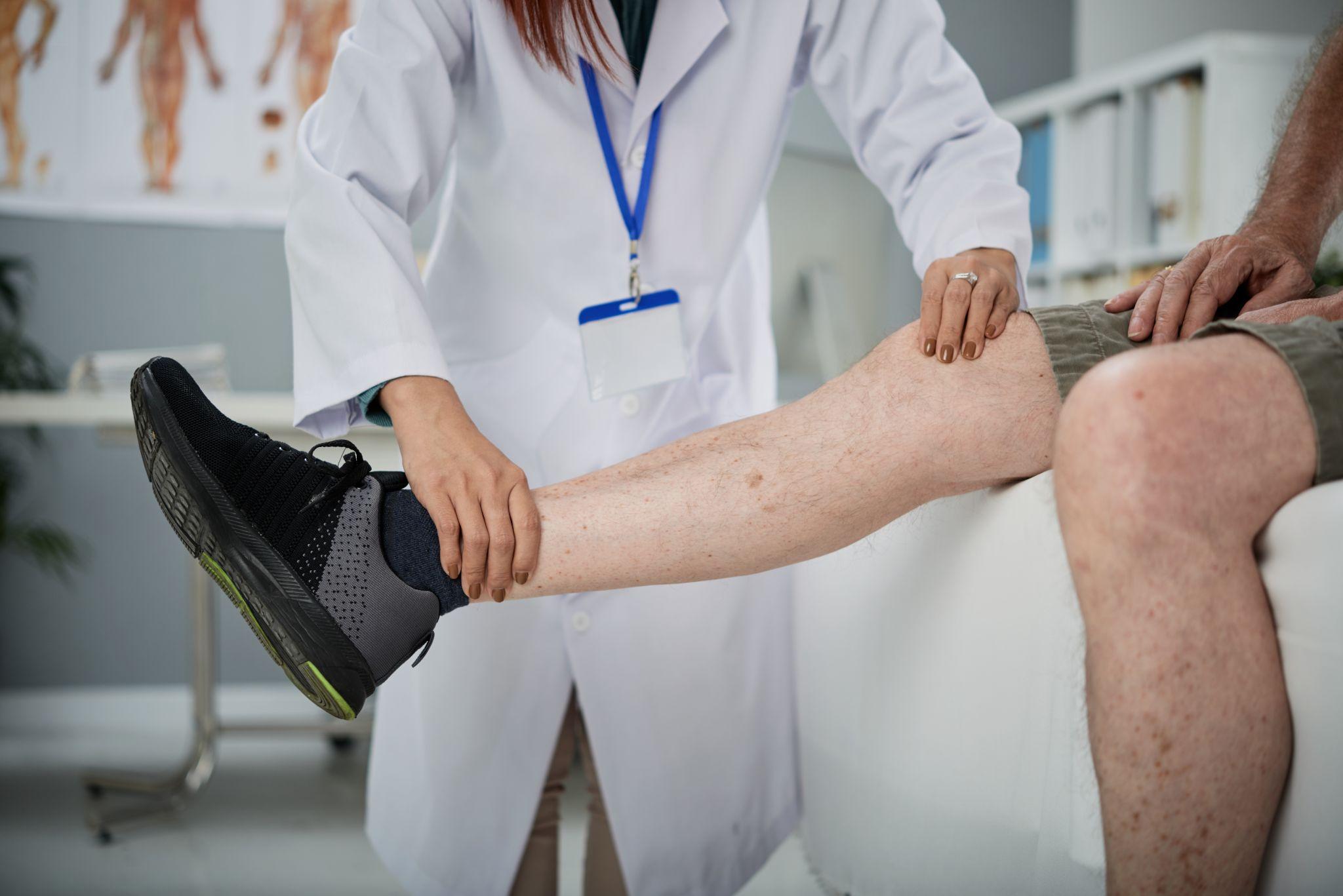
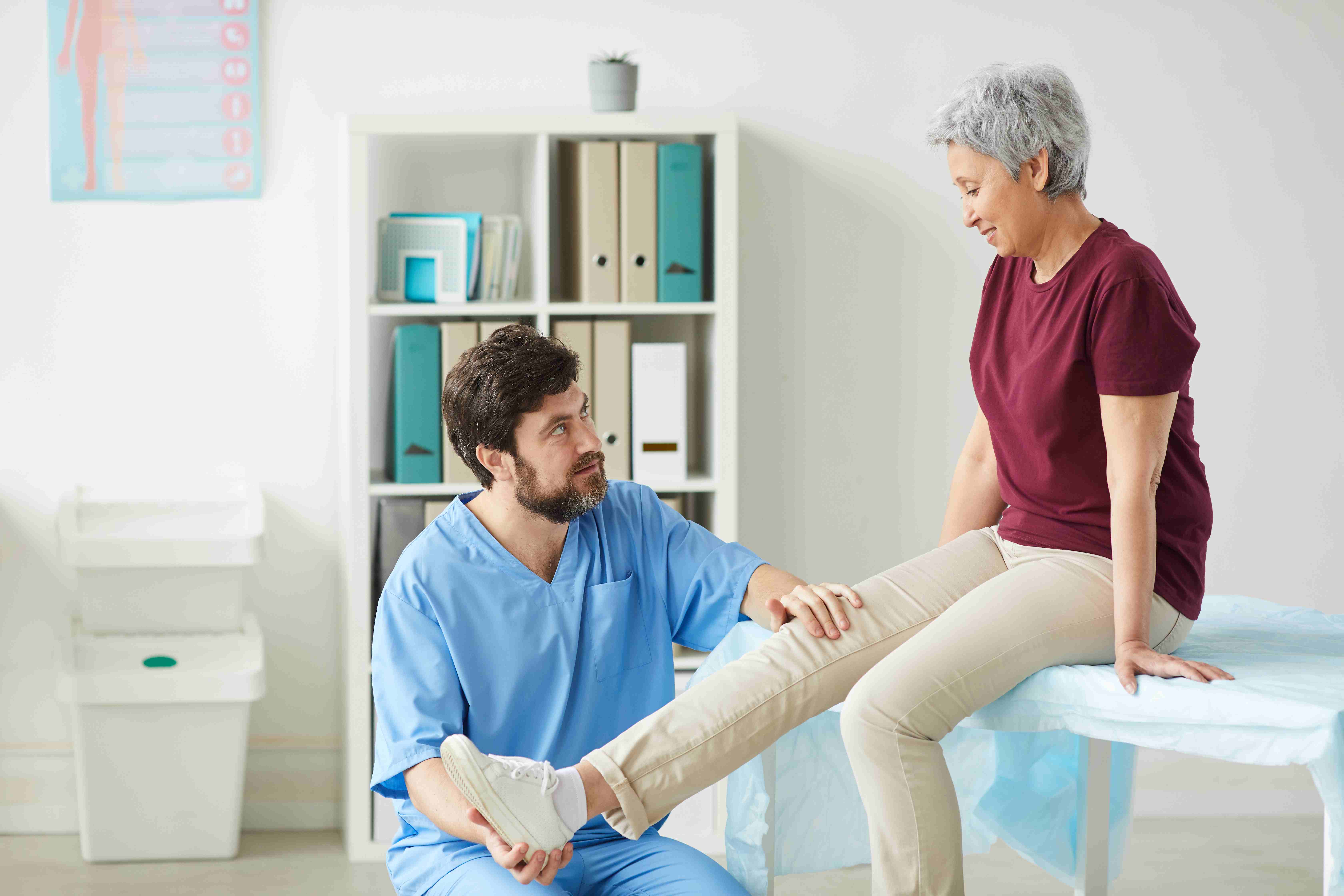
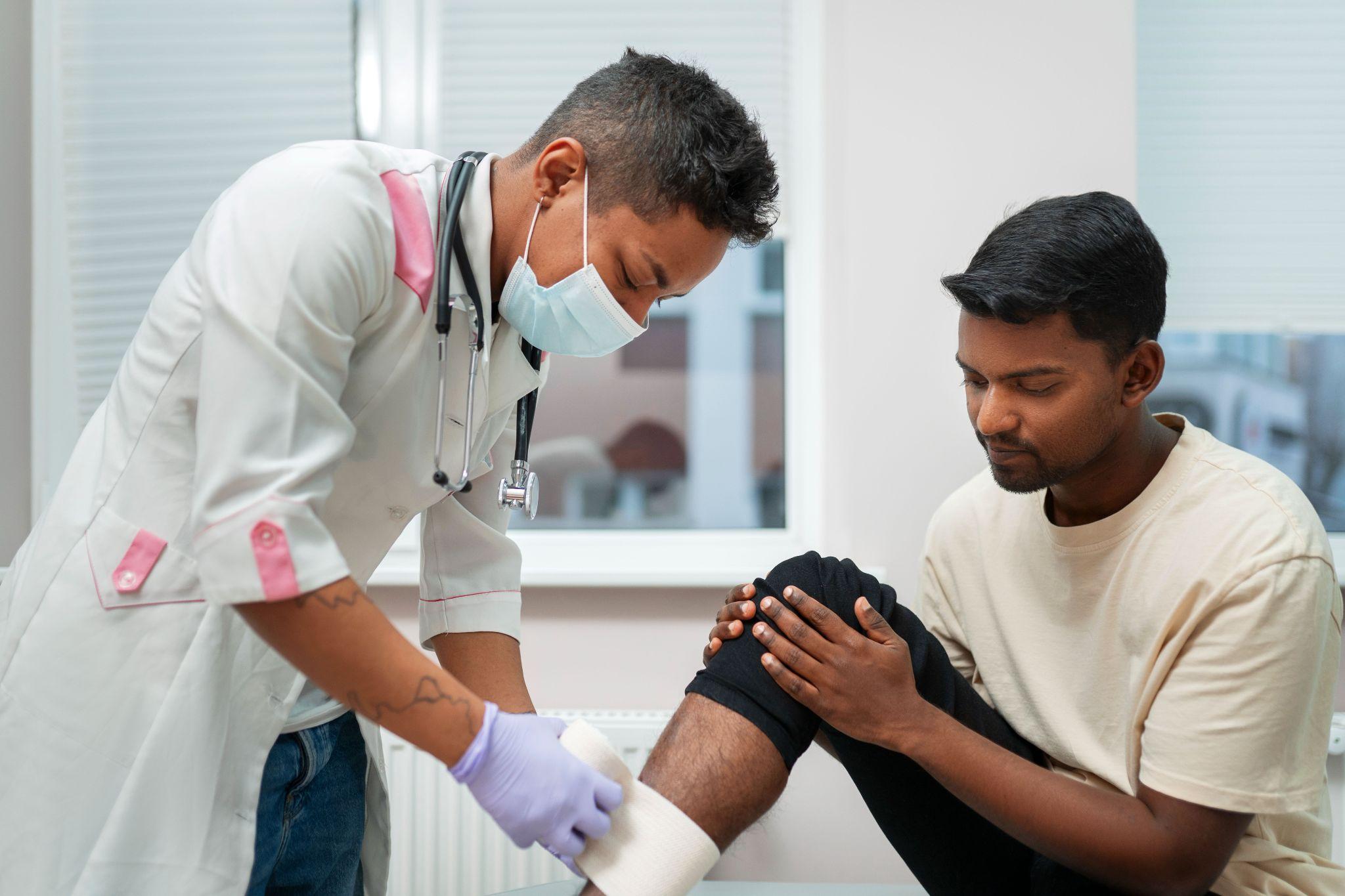
An orthopedic doctor knee examining the knee of a patient.
Clinical examination by an experienced orthopedic surgeon is the starting point. Specific tests, such as the Lachman test and anterior drawer test for the ACL, the posterior drawer test and posterior sag sign for the PCL, help distinguish between the two. However, significant swelling in the acute phase can make examination difficult.
MRI is the gold-standard investigation for both. It identifies the specific ligament involved, the grade of the tear, and any associated injuries, such as meniscal tears, bone bruising, or cartilage damage, that commonly accompany ligament injuries.
Associated injuries matter because combined ACL and PCL tears (or a PCL injury combined with a collateral ligament injury) are significantly more complex to manage and often require surgical intervention even in patients who might otherwise be managed conservatively.
Treatment: Where Do ACL And PCL Management Diverge?
This is where the clinical approach differs most significantly.
1. ACL Treatment
For active individuals with a complete ACL tear who want to return to sport and for younger patients who have many decades of demanding activity ahead, ACL reconstruction surgery is almost always recommended. The reconstructed ligament restores rotational stability that physiotherapy alone cannot replicate in an anatomically deficient knee.
Non-surgical management of ACL injuries is considered in older, sedentary patients, those with partial tears, or patients who are willing to modify their activity level significantly to accommodate the instability.
Surgical reconstruction involves replacing the torn ligament with a tendon graft (from the patient's own hamstring, patellar tendon, or quadriceps tendon), typically performed arthroscopically. Recovery takes nine to twelve months.
2. PCL Treatment
PCL management is more frequently conservative, even in Grade II and some Grade III injuries, because:
- The PCL is the larger, stronger ligament; it has more intrinsic healing potential than the ACL.
- Isolated PCL tears (without other ligament involvement) often result in a stable knee that responds well to strengthening.
- PCL reconstruction is technically more complex and demanding than ACL reconstruction.
- Many patients with isolated PCL tears, even complete ones, function well over the long term with intensive physiotherapy focused on quadriceps strengthening.
Surgery for PCL injuries is recommended when:
- The tear is Grade III with significant instability.
- There are associated ligament injuries (combined PCL + collateral ligament tear, or PCL + ACL tear).
- Conservative management has failed after three to six months of proper physiotherapy.
- The patient is a high-level athlete who requires complete ligamentous stability for their sport.
When PCL reconstruction is required, Dr. Ankur Singh performs it arthroscopically, tailoring the surgical technique to the specific pattern of injury and the associated damage present.
Why Accurate Diagnosis Matters In Noida?

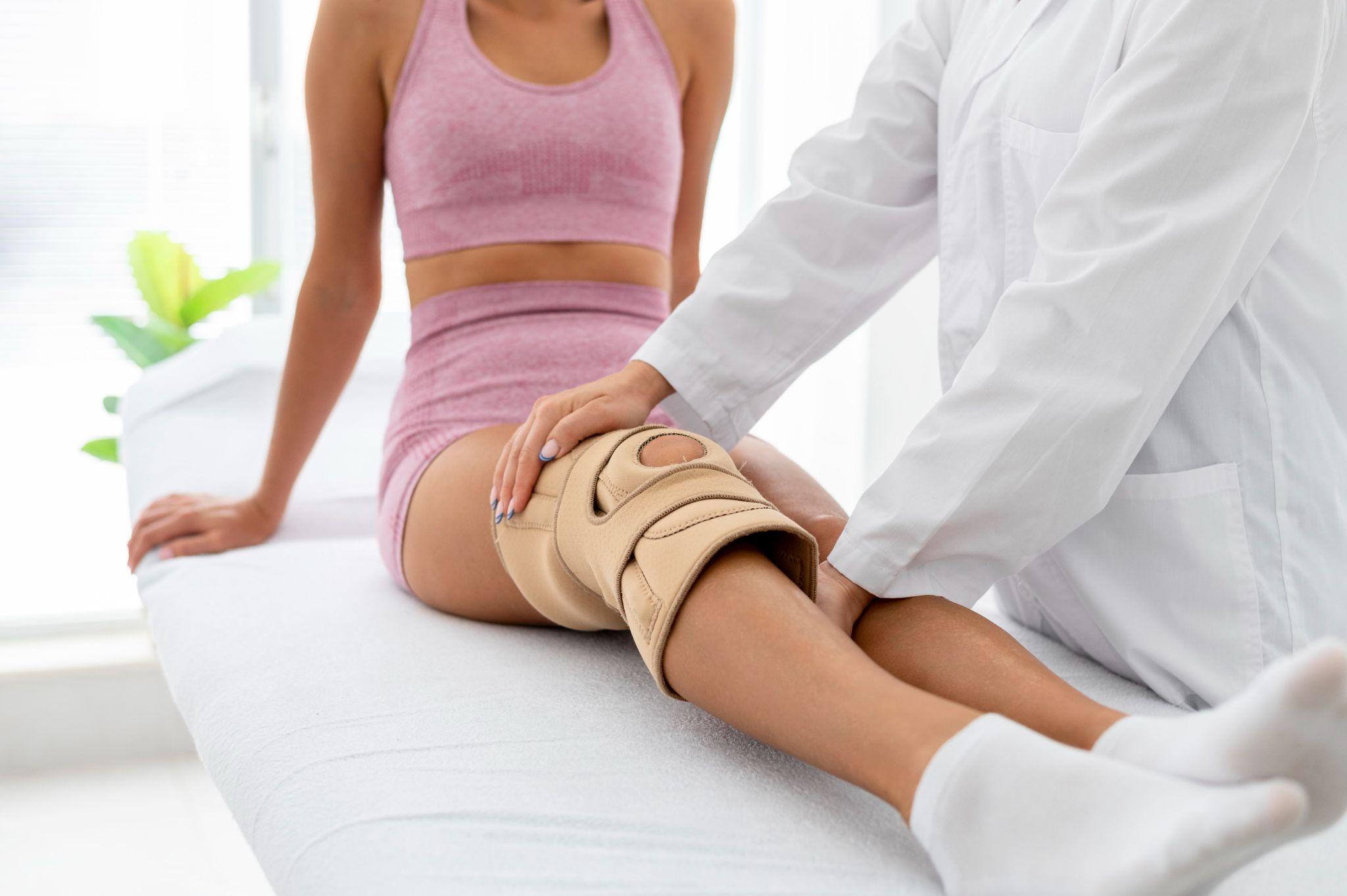
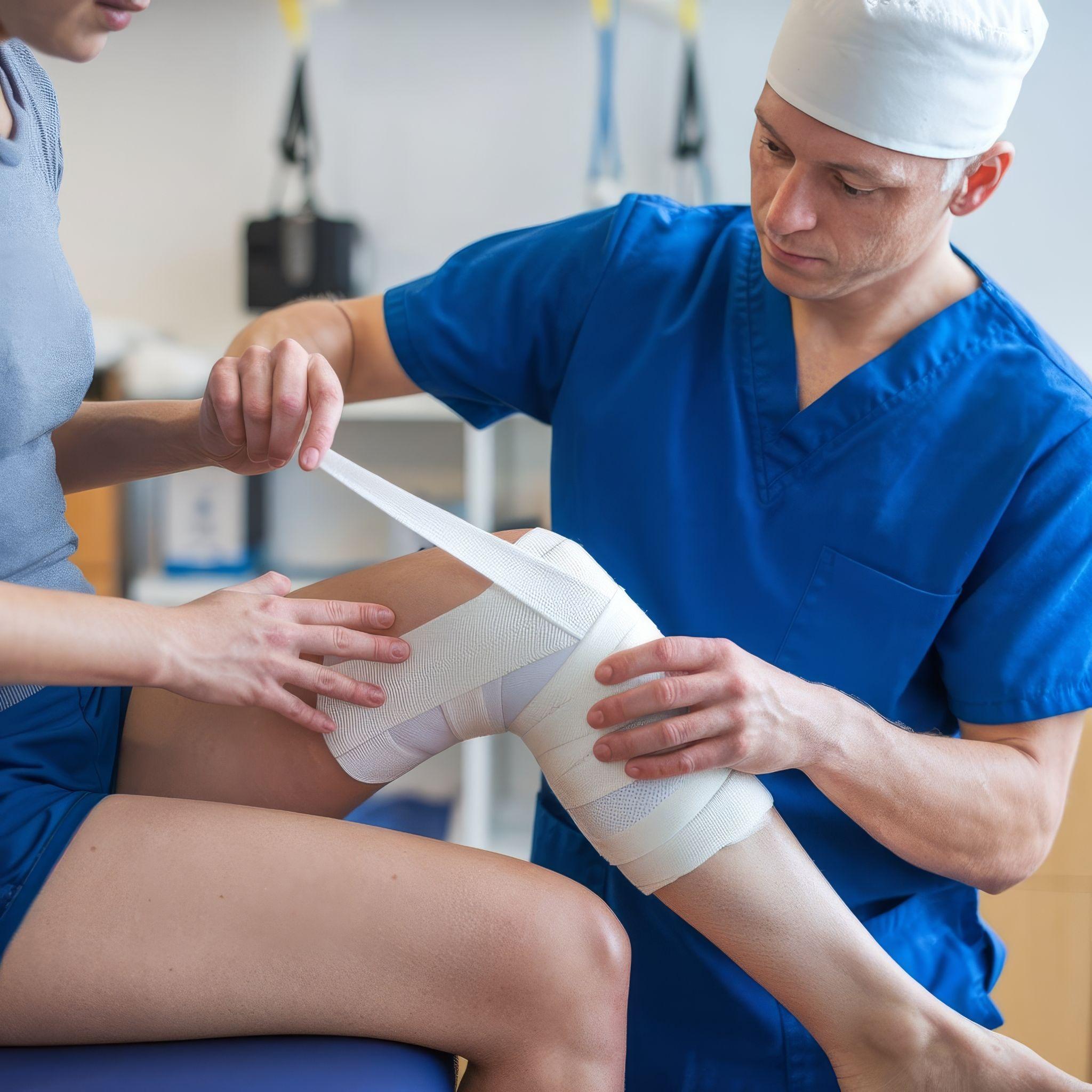
A doctor is helping a female patient wearing a knee brace in physiotherapy after surgery in the clinic.
Both ACL and PCL injuries are common in the sporting population of Noida and Greater Noida, from school-level athletes in academy programmes to recreational players and working adults who sustain road traffic injury. The key is not to guess at the diagnosis based on the mechanism alone.
A clinical evaluation with a specialist supported by MRI is the only reliable basis for a treatment decision. Getting this right early prevents months of inappropriate management, the development of secondary joint damage, and the complications that arise when an unstable knee is left unmanaged.
If you have sustained a knee injury in Noida or Greater Noida with persistent pain, swelling, or instability, whether from sport, a fall, or a road accident, book a specialist evaluation as soon as the acute phase has settled. To book a consultation with Dr. Ankur Singh, a specialist in ACL and PCL injuries across Noida and Greater Noida, call the number listed on this website.
Frequently Asked Questions
1. Can a PCL injury heal without surgery?
Many isolated PCL injuries, including complete Grade III tears, heal functionally with conservative management and intensive physiotherapy. Surgery is not always necessary for PCL injuries, which distinguishes them from ACL tears, where surgery is more often required in active patients.
2. How is PCL surgery different from ACL surgery?
Both involve graft reconstruction performed arthroscopically, but the PCL reconstruction is technically more complex because of the ligament's anatomical position and the proximity of important neurovascular structures at the back of the knee. Surgeon experience with PCL reconstruction specifically matters.
3. Can I have both ACL and PCL injuries simultaneously?
Yes, combined ACL and PCL injuries occur, often in high-energy trauma (road accidents, severe sports collisions). These are among the most complex knee injuries to manage and almost always require surgical intervention.
4. Is specialist knee ligament surgery available in Noida and Greater Noida?
Yes. Dr. Ankur Singh performs ACL and PCL reconstruction as part of his arthroscopic surgery and sports medicine practice at KDSG Superspeciality Hospital in Greater Noida.
Dr. Ankur Singh | Best Orthopedic Surgeon in Noida | ACL & PCL Ligament Injuries | Knee Arthroscopy | Sports Injury Noida | KDSG Superspeciality Hospital, Greater Noida
Medical Disclaimer
The information provided on this website is for educational purposes only and should not be considered as medical advice. Please consult Dr. Ankur Singh or a qualified healthcare professional for personalized medical guidance.
Share this blog:
 Copy
Copy