Robotic shoulder replacement surgery: A modern solution for chronic shoulder pain
Shoulder replacement surgery has been around for decades, but the precision and outcomes have improved dramatically with robotic-assisted technology. For patients living with severe shoulder arthritis, the kind where every overhead reach, every attempt to comb their hair, every night's sleep becomes painful, robotic shoulder replacement offers a level of accuracy that traditional surgery struggles to match consistently.
I've performed shoulder replacements using both conventional and robotic-assisted techniques. The difference in implant positioning accuracy is measurable and significant. And for patients, that translates into better range of motion, longer implant life, and more predictable outcomes.
When does a shoulder need replacement?
The shoulder joint is a ball-and-socket joint — the humeral head (ball) fits into the glenoid (socket) of the shoulder blade. A layer of smooth cartilage covers both surfaces, allowing frictionless movement.
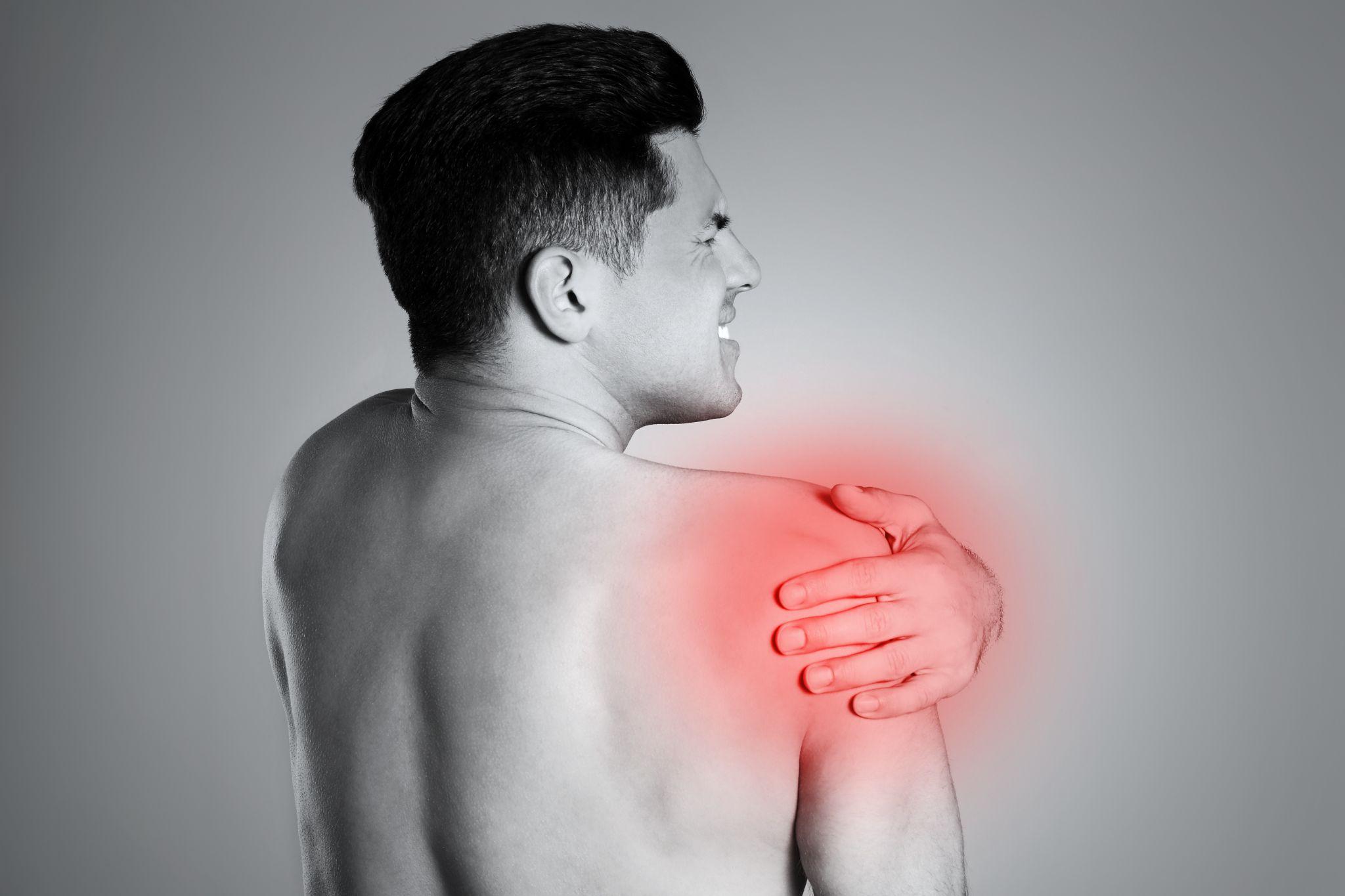
When that cartilage wears away, from osteoarthritis, rheumatoid arthritis, avascular necrosis, or a severe fracture, the bones grind against each other. The pain becomes constant. Stiffness limits even basic activities. Anti-inflammatory medications, steroid injections, and physiotherapy provide diminishing relief.
Shoulder replacement is considered when:
- Pain persists despite 3-6 months of conservative treatment
- Night pain regularly disrupts sleep
- Range of motion is severely limited (can't reach behind the back, overhead, or across the body)
- X-rays show advanced cartilage loss with bone-on-bone contact
- Quality of life is significantly affected
Types of shoulder replacement
Anatomic (Total) shoulder replacement
The damaged humeral head is replaced with a metal ball, and the glenoid socket is resurfaced with a plastic component. This mimics the normal anatomy and is ideal when the rotator cuff muscles are intact.
Reverse total shoulder replacement
The ball and socket positions are reversed — the metal ball is placed on the socket side, and the cup is placed on the humerus side. This design allows the deltoid muscle to power the shoulder when the rotator cuff is torn or non-functional. It's increasingly the preferred option for patients with arthritis combined with rotator cuff damage (cuff tear arthropathy), which is common in patients over 70.
Hemiarthroplasty
Only the ball side (humeral head) is replaced, leaving the socket intact. Used mainly for certain fracture patterns where the socket is healthy.
What robotic assistance adds
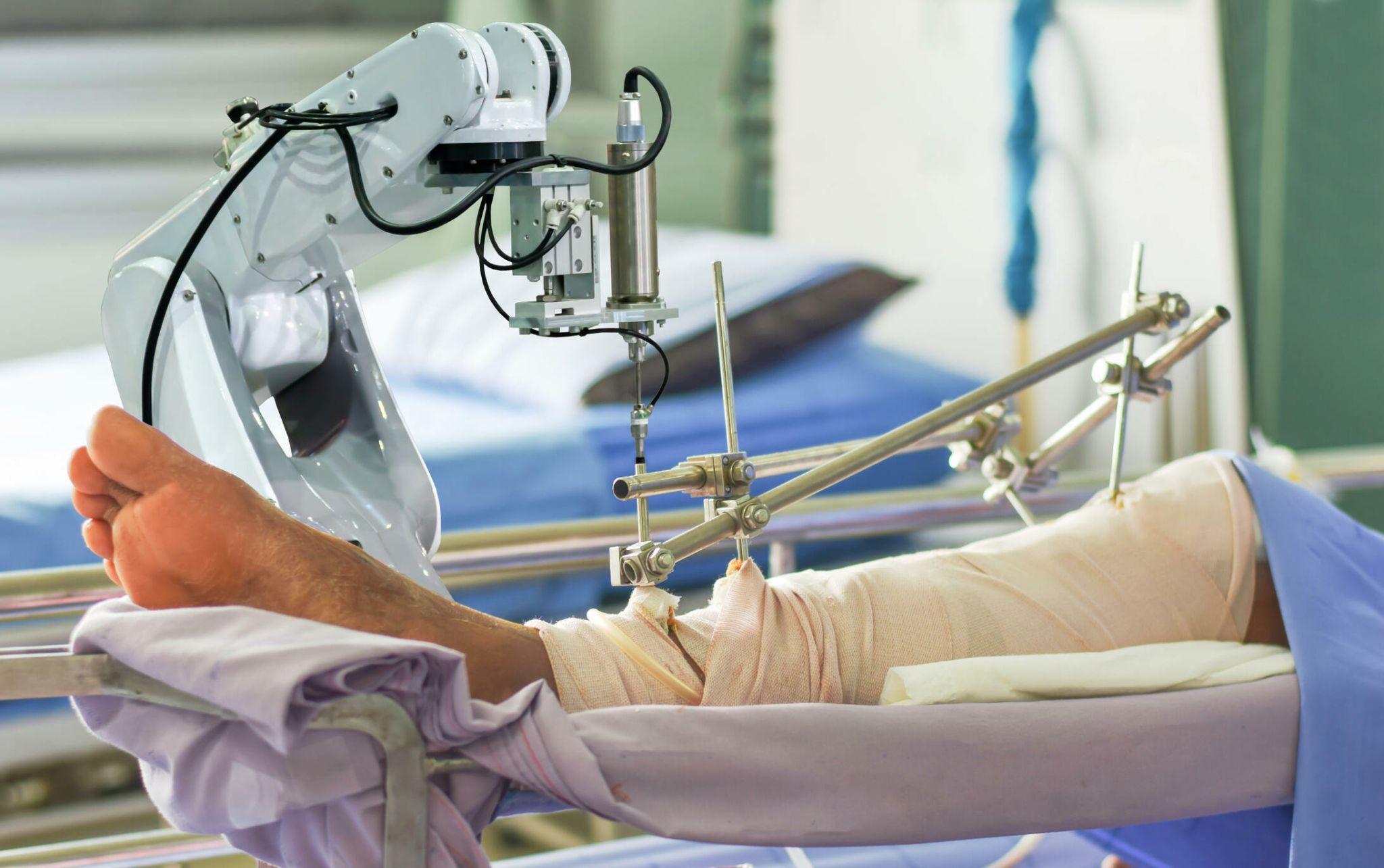
In conventional shoulder replacement, the surgeon uses manual instruments and visual estimation to position the implant components. The glenoid (socket) component is the most challenging, it sits on a small, curved, often eroded bone surface. Even small errors in positioning (5-10 degrees off) can lead to early loosening, limited motion, or instability.
Robotic-assisted systems address this by providing:
Pre-operative 3D planning: A CT scan of the patient's shoulder is loaded into the robotic planning software. The surgeon can virtually position the implant components before the actual surgery, optimizing for each patient's unique anatomy, bone quality, erosion pattern, glenoid version (the angle of the socket).
Intraoperative guidance: During surgery, the robotic arm guides the surgeon's instruments to execute the pre-operative plan with sub-millimeter accuracy. The system provides real-time feedback on drill angles, depths, and positioning.
Error prevention: If the instrument strays beyond the planned boundary, the system alerts the surgeon or physically limits the movement. This built-in safety net reduces the risk of misplacement.
Consistent outcomes: The biggest advantage isn't in the best-case scenario — a skilled surgeon can achieve excellent positioning without a robot. The advantage is in consistency. Robotic assistance reduces the variability between cases, meaning more patients get optimal implant positioning.
The procedure: what patients experience
Before surgery
A CT scan is taken 2-4 weeks before the procedure. The surgical team uses this to create a 3D model of the shoulder and plan the implant positioning digitally. By the time the patient arrives for surgery, the entire operation has been virtually rehearsed.
During surgery
The procedure is performed under general anesthesia, typically with an additional nerve block for post-operative pain control. The surgeon makes an incision at the front of the shoulder, accesses the joint, and removes the damaged cartilage and bone.
The robotic system guides the precise preparation of the glenoid surface, this is where its value is greatest. The humeral component placement follows, and the joint is tested for stability and range of motion before closure.
Operating time is comparable to conventional surgery, typically 90-120 minutes. Some initial cases may take slightly longer as the team adapts to the technology, but this levels out quickly.
After surgery
- Hospital stay: 1-2 days
- Sling use: 4-6 weeks (to protect the healing tissues)
- Passive range-of-motion exercises: Start within the first week
- Active exercises and strengthening: Begin at 6 weeks
- Driving: 6-8 weeks
- Return to most daily activities: 3 months
- Full recovery: 6-12 months
The rehabilitation protocol is similar to conventional shoulder replacement. The key difference is that with more accurate implant positioning, patients often achieve better range of motion and report the shoulder feeling more natural.
Who benefits most from robotic shoulder replacement?
- Patients with significant glenoid erosion: When the socket bone is severely worn or asymmetrically eroded, manual positioning becomes very challenging. Robotic guidance is most valuable here.
- Revision cases: When a previous shoulder replacement has failed and needs redo surgery, the anatomy is distorted. Robotic planning helps navigate this complexity.
- Younger, active patients: Implant longevity matters more in younger patients. Better positioning = less early loosening = fewer revision surgeries over a lifetime.
- Patients with unusual anatomy: Some patients have congenital variations in shoulder anatomy that make standard surgical planning difficult.
Realistic expectations
Robotic shoulder replacement isn't magic — it's precision engineering applied to surgery. The technology improves the accuracy of what the surgeon does, but it doesn't replace surgical skill, judgment, or rehabilitation effort.
Patients should expect:
- Significant pain relief, typically 80-90% improvement in pain
- Improved range of motion, most patients regain enough motion for daily activities, though overhead reach and behind-the-back movement may remain somewhat limited compared to a healthy shoulder
- Implant longevity — modern shoulder implants last 15-20+ years with proper positioning
- Rehabilitation is essential, no surgery succeeds without committed post-operative exercises. Skipping rehab after a perfectly positioned implant still leads to a stiff shoulder.
Availability in india
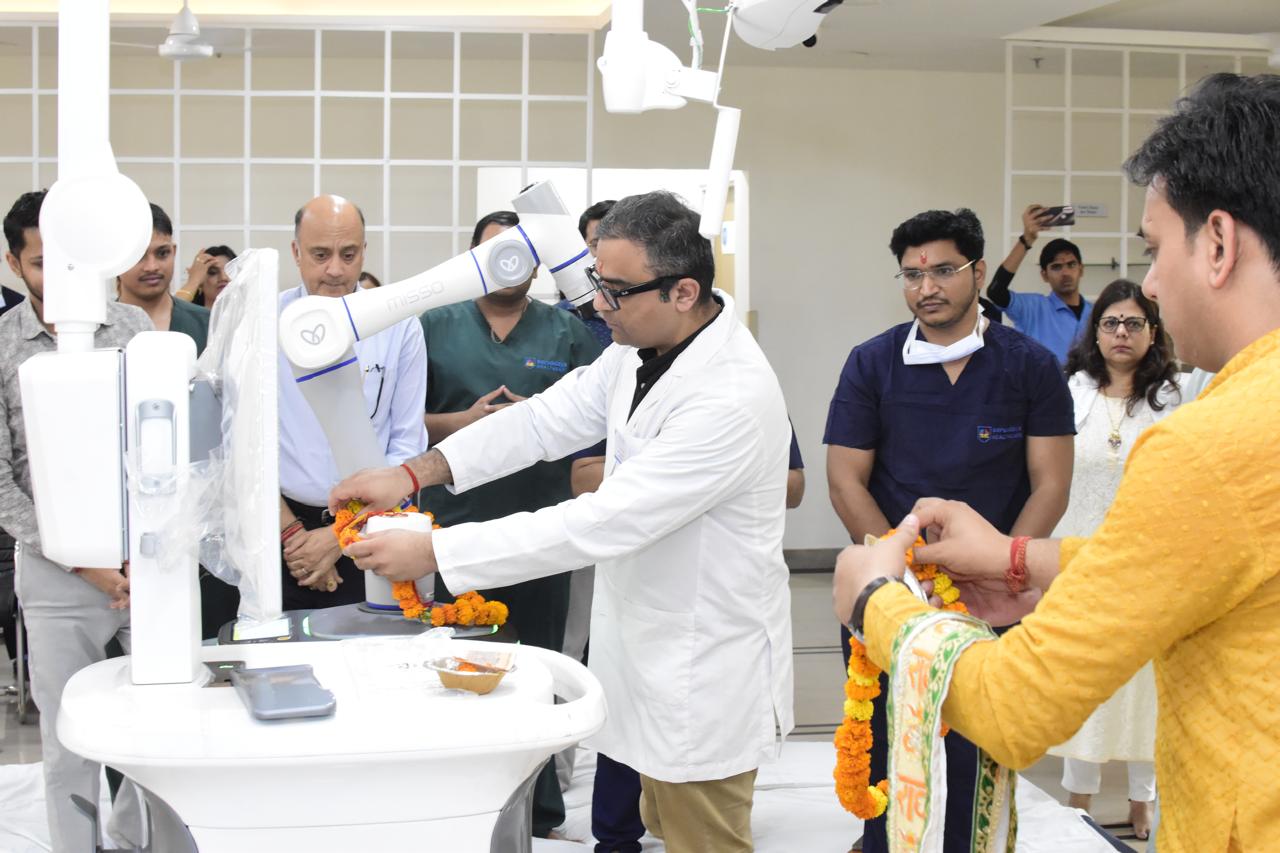
Robotic-assisted shoulder replacement is available at select centers across major Indian cities, including Delhi-NCR, Mumbai, Bangalore, and Chennai. The technology requires significant investment in equipment and surgeon training, so it's concentrated in larger orthopedic centers and specialty hospitals.
The cost is modestly higher than conventional shoulder replacement, typically 10-20% more — but the improvement in accuracy and outcomes justifies the investment for most patients, particularly younger ones where long-term implant survival is critical.
When to See a doctor
- Shoulder pain that persists despite 3+ months of conservative treatment
- Progressive loss of range of motion, can't reach overhead or behind your back
- Night pain that disrupts sleep regularly
- Grinding or catching sensation in the shoulder
- Previous shoulder surgery that's starting to fail
Chronic shoulder pain doesn't have to be your daily reality. If conservative treatments have run their course, shoulder replacement, particularly with robotic assistance for optimal precision — can restore comfort and function that makes a genuine difference in daily life.
Medical Disclaimer
The information provided on this website is for educational purposes only and should not be considered as medical advice. Please consult Dr. Ankur Singh or a qualified healthcare professional for personalized medical guidance.
Share this blog:
 Copy
Copy