By Dr. Ankur SinghUpdated:

Robotic-Assisted Joint Replacement: Is It Worth It?

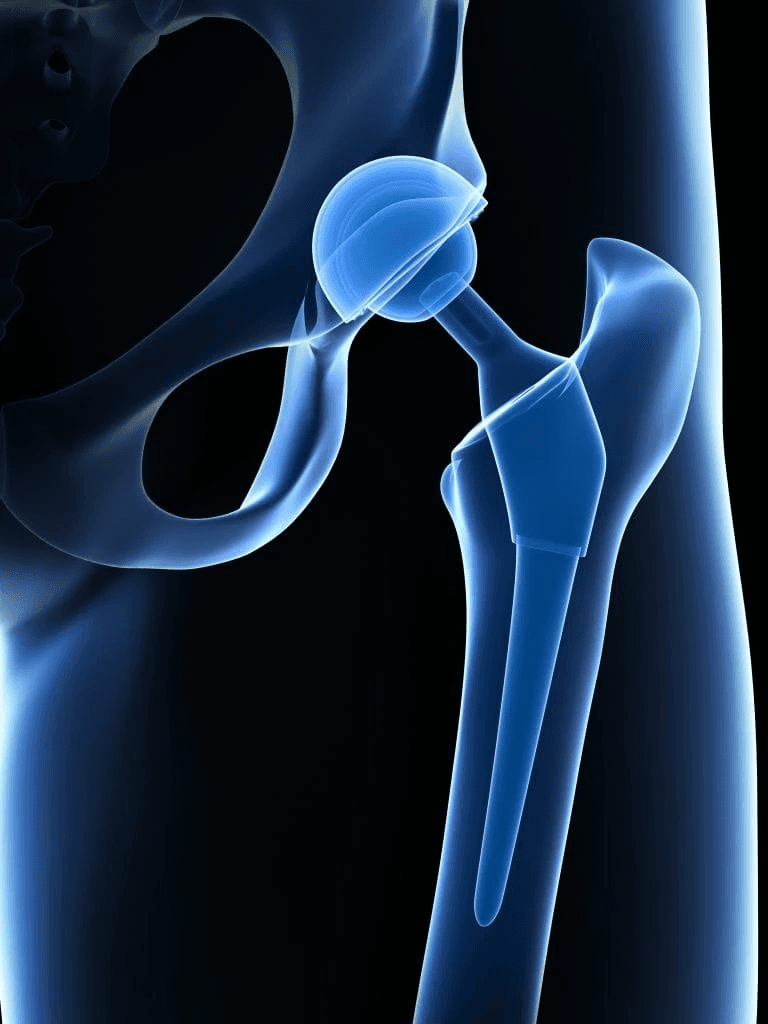
Joint replacement surgery has changed the lives of millions of people living with arthritis or traumatic joint injury. For decades, surgeons relied mainly on their technique and mechanical instruments to perform these procedures. Robotic technology now plays a growing role, offering the promise of higher accuracy, less pain, and quicker recovery. The real question is whether robotic-assisted joint replacement is worth it for you.

What Is Robotic-Assisted Joint Replacement?

Robotic-assisted joint replacement is a type of surgery in which a surgeon uses a robotic system to help replace a joint. The robot does not replace the surgeon. It works more like an intelligent assistant that supports the surgeon throughout the procedure.

The main difference from traditional surgery is accuracy. Conventional surgery depends largely on the surgeon's hand and judgment, while robotic surgery adds advanced imaging, computer planning, and a robotic arm to help place the implant in the right position. This gives the surgeon more support and real-time feedback, which can make the procedure more precise and specific to each patient.

How Robotic-Assisted Surgery Works

The process begins before the operation. The patient usually undergoes enhanced imaging, such as a CT scan, to create a 3D picture of the joint. From this model, the surgeon plans the exact size, position, and alignment of the implant.

On the day of surgery, the robot is brought into the operating room. The surgeon guides the robotic arm along the planned path. The system helps make accurate cuts in the bone while protecting the surrounding tissue.

One common myth is that the robot performs the surgery on its own. That is not true. The surgeon stays fully in control at all times. The robot only assists by guiding the work and helping prevent errors.

Benefits of Robotic-Assisted Joint Replacement

Robotic-assisted surgery offers several potential benefits:

  • More precision and accuracy: The implant can be placed more accurately, which may lead to better joint function.
  • Personalized treatment: Because the procedure is pre-planned on a 3D model, the implant tends to fit the patient's unique anatomy more closely.
  • Less tissue and bone damage: The robotic guidance allows for smaller, more accurate cuts, causing less harm to healthy tissue.
  • Less post-operative pain and swelling: With minimal tissue trauma, many patients report less discomfort in the first few weeks.
  • Faster early recovery: Patients may walk sooner, go home earlier, and return to daily activities more quickly.
  • Better long-term function: Accurate placement may reduce wear on the implant and could help extend its lifespan.

Potential Disadvantages and Risks

Despite its advantages, robotic surgery also has drawbacks to consider:

  • Higher cost: Robotic surgery usually costs more than traditional surgery because of the expense of the computerized equipment and specialized instruments.
  • Limited availability: Not every hospital has a robotic unit, and not every surgeon is trained to use one.
  • Longer operating time: In some cases the surgery takes longer due to extra planning and preparation.
  • Standard surgical risks remain: Infection, blood clots, and other complications can still occur, just as with conventional surgery.
  • Robot-specific risks: Problems such as pin-site infection or a technical fault in the equipment are possible.

Cost Comparison: Traditional vs Robotic Surgery

Another key distinction between traditional and robotic joint replacement is cost. Robotic surgery typically costs more due to several factors:

  • The high cost of the robotic system itself.
  • Disposable instruments that are used during surgery and not reused.
  • The cost of advanced scans, such as CT imaging.
  • Additional time spent in the operating room.

The upfront cost is higher, but some patients feel it can save money over time if it reduces complications or the need for revision surgery. This benefit is not guaranteed for everyone, so it should be weighed case by case.

Who Should Undergo Robotic-Assisted Joint Replacement?

Robotic-assisted joint replacement is not the right choice for every patient. It is often more helpful for:

  • Patients with severe arthritis or complex joint deformities.
  • Younger patients who want the implant to last as long as possible.
  • Patients with atypical bone shape or alignment issues that require very precise placement.
  • Patients who prefer a faster early recovery with minimal pain.

For most straightforward cases, conventional joint replacement performed by an experienced surgeon can deliver equally good results.

Patient Recovery and Experience

Many patients describe an easier recovery in the immediate period after robotic joint replacement. They often notice:

  • Less pain and swelling in the first few weeks.
  • Earlier walking and a quicker return to basic activity.
  • Shorter hospital stays in some cases.

Long-term recovery, however, is usually similar to conventional surgery. Full recovery still takes a few months and involves regular physiotherapy. The final outcome depends heavily on following the rehabilitation program closely, whether the surgery was robotic or traditional.

When to See a Doctor: Warning Signs After Surgery

Recovery should steadily improve week by week. Contact your orthopedic surgeon promptly if you notice any of the following after a joint replacement:

  • Fever, chills, or increasing warmth and redness around the surgical site.
  • Drainage, pus, or a wound that will not close or starts reopening.
  • Sudden or worsening pain that is not controlled by your prescribed medication.
  • Swelling, tenderness, or pain in the calf, which can signal a blood clot.
  • Chest pain or shortness of breath, which need emergency care right away.
  • The joint feeling unstable, locking, or giving way during normal movement.

These signs do not always mean something is seriously wrong, but they should be checked quickly so any problem can be treated early.

The Future of Robotic Surgery in Orthopedics

Orthopedic robotic technology is advancing rapidly. In the years ahead, we may see:

  • Wider use of robotic systems as costs come down.
  • Integration with artificial intelligence to make surgical planning smarter.
  • Implants that can report on their performance inside the body.
  • Shorter recovery times as more surgeons gain experience with the technology.

In short, robotic joint replacement could become more available and more affordable in the near future.

Conclusion

Robotic-assisted joint replacement offers greater accuracy, customized implant placement, and a potentially faster early recovery. At the same time, it can cost more, take longer in some cases, and is not available everywhere.

So is it worth it? For patients with complex conditions, or for those who want the most advanced option, it may be a strong choice. For others with simpler needs, traditional surgery remains a safe and highly effective option. The best way to decide is to discuss your specific case with your orthopedic surgeon.

If you are considering joint replacement and want to know whether robotic assistance is right for you, consult Dr. Ankur Singh, a senior orthopedic surgeon in Noida. A personalized evaluation can help you understand your options and choose the approach best suited to your joint, your goals, and your lifestyle.

Frequently Asked Questions

What is robotic-assisted joint replacement surgery?

It is a form of joint replacement in which a surgeon uses a robotic system to plan and guide the procedure. The robot improves accuracy and provides live feedback, while the surgeon stays in command at all times.

Is robotic joint replacement safer than traditional surgery?

Robotic surgery is more precise and may reduce certain risks, such as misplacement of the implant. However, both robotic and traditional surgery carry the same general risks, including infection and blood clots.

How much does a robotic knee or hip replacement cost?

Robotic joint replacement generally costs more than traditional surgery. The extra expense comes from the robotic system, specialized instruments, and advanced imaging. The exact price depends on the hospital, the facility, and your insurance.

How fast is recovery after robotic joint replacement?

Recovery is broadly similar to traditional surgery, though it may feel faster in the early weeks. Patients often get up and moving sooner, are discharged earlier, and report less pain. Full recovery still takes a few months with proper physiotherapy.

Does insurance cover robotic-assisted joint replacement?

Insurance coverage varies by provider and location. Some plans cover robotic surgery, while others do not cover the additional cost. It is best to confirm with your insurance provider before making a decision.

Medical Disclaimer

The information provided on this website is for educational purposes only and should not be considered as medical advice. Please consult Dr. Ankur Singh or a qualified healthcare professional for personalized medical guidance.

Share this blog:

copy iconCopy

Continue Reading

Hand-picked reads closely related to this article.

Robotic Shoulder Replacement Surgery: A Modern Solution for Chronic Shoulder Pain
RecoveryRobotic Surgery

Robotic Shoulder Replacement Surgery: A Modern Solution for Chronic Shoulder Pain

Learn about robotic shoulder replacement surgery, its benefits, recovery, and who needs it. Expert shoulder operation in Noida by Dr Ankur Singh.

04 Feb 2026

Dr. Ankur Team

Robotic Knee Replacement Surgery: Benefits & Recovery
KneeKnee Replacement

Robotic Knee Replacement Surgery: Benefits & Recovery

Learn about robotic knee replacement surgery, its benefits, step-by-step procedure, and knee surgery recovery. Expert insights from an orthopedic surgeon in Noida.

19 Dec 2025

Dr. Ankur Team

Rheumatoid Arthritis: The Hidden Cause Of Joint Pain And Stiffness
ArthritisHip

Rheumatoid Arthritis: The Hidden Cause Of Joint Pain And Stiffness

Rheumatoid arthritis causes joint pain, swelling, and stiffness. Learn its symptoms, causes, and treatment options. Get expert care from Dr. Ankur Singh in Noida.

22 Apr 2026

Dr. Ankur Team

Advanced Treatments for Arthritis: From Medication to Surgery
ArthritisHip

Advanced Treatments for Arthritis: From Medication to Surgery

Discover advanced arthritis treatments with Dr. Ankur Singh from medications and injections to modern surgery for lasting pain relief and improved joint mobility.

07 Apr 2026

Dr. Ankur Team

क्या हर स्लिप डिस्क में ऑपरेशन जरूरी होता है?
Surgery

क्या हर स्लिप डिस्क में ऑपरेशन जरूरी होता है?

स्लिप डिस्क के हर मामले में सर्जरी जरूरी नहीं होती। जानिए इसके लक्षण, कारण, बिना ऑपरेशन के इलाज और कब सर्जरी की जरूरत पड़ती है।

23 Mar 2026

Dr. Ankur Team

Arthroscopy For Sports Injuries: When Is It Required?
ArthroscopyHip

Arthroscopy For Sports Injuries: When Is It Required?

Learn when arthroscopy is required, how it helps athletes recover faster, its signs, benefits, and when to see an orthopedic specialist.

23 Mar 2026

Dr. Ankur Team

More on Surgery

Explore other articles tagged Surgery.

फ्रैक्चर में सर्जरी कब ज़रूरी होती है? जानिए सही समय और कारण
FractureSurgery

फ्रैक्चर में सर्जरी कब ज़रूरी होती है? जानिए सही समय और कारण

जानें किन स्थितियों में फ्रैक्चर का ऑपरेशन आवश्यक होता है, कौन-से लक्षण गंभीर हैं और सही इलाज कैसे तय होता है।

23 Feb 2026

Dr. Ankur Team

Difference Between Rheumatoid Arthritis and Osteoarthritis
ArthritisHip

Difference Between Rheumatoid Arthritis and Osteoarthritis

Understand the difference between rheumatoid arthritis and osteoarthritis, their causes, symptoms, and treatment options. Expert guidance by Dr. Ankur Singh.

19 Feb 2026

Dr. Ankur Team

नोएडा में बेस्ट हिप रिप्लेसमेंट सर्जरी – पूरी जानकारी आसान भाषा में
ArthritisFracture

नोएडा में बेस्ट हिप रिप्लेसमेंट सर्जरी – पूरी जानकारी आसान भाषा में

हिप दर्द, गठिया या फ्रैक्चर से परेशान हैं? जानिए नोएडा में बेस्ट हिप रिप्लेसमेंट सर्जरी क्या है, कब जरूरी होती है और रिकवरी कैसी रहती है।

06 Feb 2026

Dr. Ankur Team

Knee Replacement vs Knee Arthroscopy: क्या अंतर है?
ArthroscopyHip

Knee Replacement vs Knee Arthroscopy: क्या अंतर है?

Knee replacement और knee arthroscopy में क्या अंतर है? जानिए दोनों सर्जरी के फायदे, प्रक्रिया, रिकवरी और किस दर्द में कौन-सा इलाज सही है।

05 Feb 2026

Dr. Ankur Team

Noida में घुटने के दर्द का भरोसेमंद इलाज
KneeSurgery

Noida में घुटने के दर्द का भरोसेमंद इलाज

Noida में घुटने के दर्द के कारण, लक्षण और आधुनिक इलाज के विकल्प जानिए। सही समय पर उपचार से सर्जरी से बचा जा सकता है।

03 Feb 2026

Dr. Ankur Team

घुटने की सर्जरी के बाद कितने दिन में चलना शुरू किया जा सकता है
KneeKnee Replacement

घुटने की सर्जरी के बाद कितने दिन में चलना शुरू किया जा सकता है

घुटने की सर्जरी के बाद चलने-फिरने की सही टाइमलाइन क्या होती है? जानिए रिकवरी के स्टेप्स और जरूरी सावधानियां।

29 Jan 2026

Dr. Ankur Team

Latest from the Blog

Recently published articles by Dr. Ankur Singh.

Rotator Cuff Surgery Recovery: The Realistic Guide for Indian Patients

Rotator Cuff Surgery Recovery: The Realistic Guide for Indian Patients

Rotator cuff repair has one of the longest recoveries in orthopedic surgery — and most patients are not prepared. Dr. Ankur Singh, shoulder specialist in Noida, explains why the sling period matters, what each phase involves, and when to expect full function.

14 Jul 2026

Dr. Ankur Team

AI and Robotic Surgery: How Technology Is Transforming Joint Replacement in India

AI and Robotic Surgery: How Technology Is Transforming Joint Replacement in India

Robotic joint replacement, AI-assisted surgical planning, and computer navigation are transforming outcomes in India. Dr. Ankur Singh at KDSG Hospital in Greater Noida explains how the technology works and who benefits most.

13 Jul 2026

Dr. Ankur Team

Arthrofibrosis: When the Knee Stiffens After Surgery — and Why Prevention Is Everything

Arthrofibrosis: When the Knee Stiffens After Surgery — and Why Prevention Is Everything

Arthrofibrosis — excessive scar tissue after knee surgery — is the complication most patients don't know to prevent. Dr. Ankur Singh, knee surgeon in Noida, explains how to recognise it early and why prevention is far easier than treatment.

09 Jul 2026

Dr. Ankur Team

Housemaid's Knee: The Condition Affecting Millions of Indian Women — and Almost Never Properly Treated

Housemaid's Knee: The Condition Affecting Millions of Indian Women — and Almost Never Properly Treated

Prepatellar bursitis — "housemaid's knee" — is extremely common among Indian women who work on the floor but is rarely properly diagnosed or treated. Dr. Ankur Singh, orthopedic specialist in Noida, explains what it is and how to treat it.

08 Jul 2026

Dr. Ankur Team

Sitting on the Floor While Eating: Good or Bad for Your Joints?

Sitting on the Floor While Eating: Good or Bad for Your Joints?

Millions of Indians sit on the floor for meals, prayer, and daily life. Dr. Ankur Singh, orthopedic specialist in Noida, gives the evidence-based verdict on floor sitting — and specific guidance for different joint conditions.

07 Jul 2026

Dr. Ankur Team

Boron: The Trace Mineral That Makes Vitamin D Twice as Effective for Your Bones

Boron: The Trace Mineral That Makes Vitamin D Twice as Effective for Your Bones

Boron enhances Vitamin D activity and calcium retention — yet almost no Indian patient has heard of it. Dr. Ankur Singh, orthopedic specialist in Noida, explains boron's role in bone health and the best Indian food sources.

06 Jul 2026

Dr. Ankur Team

You Might Also Like

A random selection from across the blog.

Meniscus Tear: Surgery Or Physiotherapy? How To Know What You Actually Need

Meniscus Tear: Surgery Or Physiotherapy? How To Know What You Actually Need

Confused about whether your meniscus tear needs surgery or physiotherapy? Dr. Ankur Singh, an orthopedic specialist in Noida and Greater Noida, explains the difference, and how the right decision is made.

06 May 2026

Dr. Ankur Team

रूमेटॉइड आर्थराइटिस और ऑस्टियोपोरोसिस में क्या अंतर है?
ArthritisBone Health

रूमेटॉइड आर्थराइटिस और ऑस्टियोपोरोसिस में क्या अंतर है?

रूमेटॉइड आर्थराइटिस और ऑस्टियोपोरोसिस क्या हैं, इनमें क्या अंतर है, लक्षण, कारण और इलाज। हड्डियों से जुड़ी सही जानकारी हिंदी में।

04 Feb 2026

Dr. Ankur Team

Overtraining And Stress Fractures: When Too Much Gym Training Breaks Your Bones
Fractures

Overtraining And Stress Fractures: When Too Much Gym Training Breaks Your Bones

Training hard is good. Training without recovery breaks bones. Dr. Ankur Singh, orthopedic specialist in Noida and Greater Noida, explains stress fractures, overtraining syndrome, and the warning signs you must not ignore.

18 May 2026

Dr. Ankur Team

लंबे समय तक बैठने या ड्राइविंग से घुटनों में दर्द होना क्या सामान्य है?
KneeLifestyle

लंबे समय तक बैठने या ड्राइविंग से घुटनों में दर्द होना क्या सामान्य है?

ऑफिस या ड्राइविंग के दौरान घुटनों में दर्द क्यों होता है? जानिए इसके कारण, बचाव और सही इलाज Dr Ankur Singh से, Noida.

30 Dec 2025

Dr. Ankur Team

Morning Stretch Routine to Keep Your Joints Flexible
Joint CareLifestyle

Morning Stretch Routine to Keep Your Joints Flexible

Start your day with simple morning stretches to improve flexibility, posture, and joint mobility naturally best orthopedic speacialist in Noida.

10 Nov 2025

Dr. Ankur Team

PRP Therapy for Joint Pain: What You Need to Know
Joint Pain

PRP Therapy for Joint Pain: What You Need to Know

Learn how PRP (Platelet-Rich Plasma) therapy can help relieve joint pain and for better orthopedic outcomes.

26 Jun 2025

Dr. Ankur Team

Explore More on Orthopedic Care

Quick links to in-depth resources Dr. Ankur Singh has prepared on common conditions, treatments, and care tips.

Transforming Lives Through Hip Replacement SurgeryRehabilitation After Surgery: How to Speed Up Your RecoverySports Injury Clinic in Noida | Dr. Ankur Singh – Best Orthopedic in NoidaNon-Surgical Knee Pain Treatment in Noida | Dr. Ankur Singh – Best Orthopedic in NoidaFoot and Ankle Surgery: Treatment for Sprains, Fractures, and DeformitiesArthroscopic Surgery for Sports Shoulder Injuries in Noida – Dr. Ankur Singh, Best Orthopedic in NoidaEarly Mobility Programs After Hip Surgery by Dr. Ankur Singh – Best Orthopedic in NoidaOrthopedic Care for Senior Citizens in Noida | Best Orthopedic in Noida – Dr. Ankur SinghRoad Accident Orthopedic Emergency Care in Noida | Dr. Ankur Singh – Best Orthopedic in NoidaNon-Surgical Hip Pain Treatment in Noida | Best Orthopedic in Noida – Dr. Ankur SinghCartilage Regeneration: Advanced Treatments for Knee Cartilage RepairPRP Therapy for Joint & Sports Injuries | Dr. Ankur Singh – Best Orthopedic in NoidaBone Fracture Surgery in Noida: 24/7 Emergency CareHip Replacement Surgery in Noida Sector 46– Minimally Invasive & AffordableBack Pain Treatment in Noida – Spine Specialist for Long-Term ReliefKnee Replacement Surgery: Choosing Between Partial and TotalWrist & Hand Fracture Treatment in Noida | Dr. Ankur SinghMeniscus Repair vs Meniscus Removal in Noida – Dr. Ankur Singh, Best Orthopedic in Noida Sports Physiotherapy & Injury Prevention Programs in Noida Joint Replacement Surgery: The Best Solutions for Hip, Knee, and Shoulder Pain Post-Surgery Rehabilitation & Physiotherapy ServicesOsteoporosis & Bone Weakness – Expert Care for Stronger Bones in NoidaFracture Healing: How to Recover Faster from Broken BonesInnovative Surgical and Non-Surgical Solutions for Treating ACL Tears