Twisted Your Leg? Immediate Care, Recovery Steps, and When to Worry

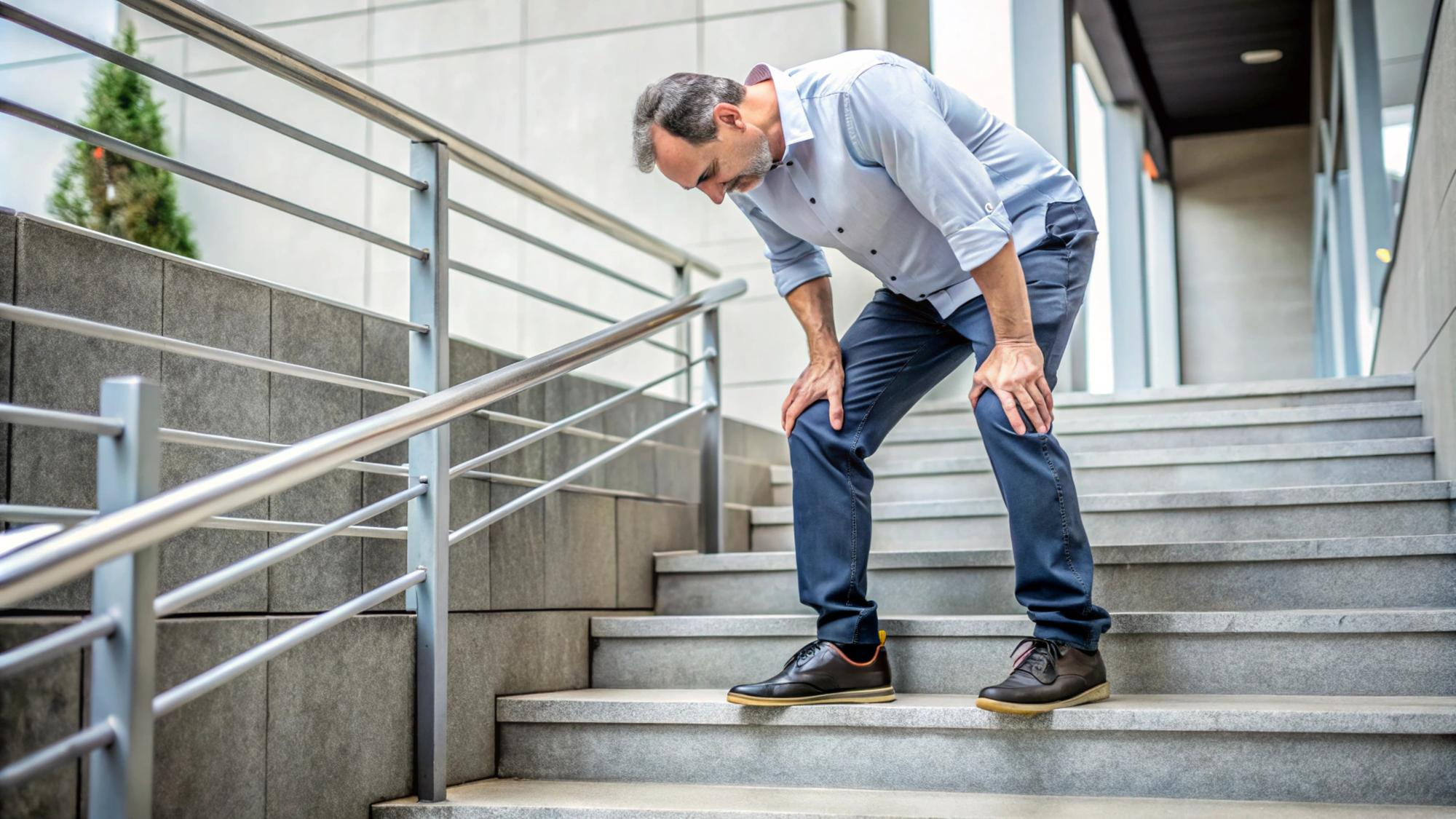
Man sitting on the ground holding his knee after twisting his leg.
The medical condition of a twisted leg occurs frequently because it can develop during walking, running, sports activities, and stairway falls. The condition produces mild discomfort for some people while others experience ligament tears, muscle injuries, and bone fractures. Immediate response knowledge for a twisted leg brings benefits of pain relief, injury prevention, and faster recovery process.
The guide provides instructions for treating leg twists through home treatment and establishes criteria for when to seek medical assistance.
Understanding a Twisted Leg Injury
A leg twist happens when a person keeps their foot on the ground while their body turns in a different direction. The body experiences damage because of this forceful motion which affects the body's muscles and ligaments and joints particularly at the ankle, knee and thigh regions.
Common Areas Affected
- Ankle (most common)
- Knee ligaments
- Calf muscles
- Thigh muscles or hip joint
The severity can range from a mild sprain to serious ligament injuries.
Immediate Steps to Take After a Leg Is Twisted
1. Stop Activity Immediately
Do not try to walk immediately. Continuing motion can worsen the injury, increase swelling or cause internal damage like ligament tears.
2. Check the Pain and Movement
Try to move your toes, ankle, or knee gently. If you are facing severe pain or are unable to move, consider it as an indicator of a serious injury.
First Aid: The RICE Method
The RICE method is the standard first aid approach for twisted leg injuries.
Rest
Don't put your weight on the weak leg; use the support of a seat, crutches, or wall as necessary.
Ice
Icing for 15-20 minutes everyday after 2-3 hours interval during the first two days will significantly reduce the pain and swelling. Remember to wrap ice in a cloth as the it can damage the skin with direct contact over prolonged period.

Woman applying ice pack to a swollen knee
Compression
Provide gentle compression with an elastic bandage. This helps to control the swelling. Ensure the bandage is snug but not too tight, as excessive tightness can restrict blood flow.
Elevation
Keep the injured leg elevated above heart level when resting. Elevation helps reduce swelling and improves blood circulation. One way of doing it is by keeping pillows under your leg.
What You Should Avoid After a Leg Twist
1. Avoid Heat Initially
Heat can increase swelling and inflammation. Don’t apply heat within the first 48 hours.
.2. Avoid Massage Early On
Massaging too soon can worsen internal bleeding or tissue damage because of the already existing injury.
3. Avoid Alcohol
Consuming alcohol would lead to increase in swelling. It will also affect the recovery time negatively.
Pain Management and Medication
The use of over-the-counter pain relief medication which includes paracetamol and ibuprofen provides effective treatment for both pain and inflammation. The medication should not be used excessively and patients must see a doctor when their pain lasts more than three days.
Signs That Need Medical Attention
When to See a Doctor Immediately
- Severe or increasing pain
- Inability to stand or bear weight
- Visible swelling or bruising that worsens
- Numbness or tingling
- Knee locking or giving way
- Deformity or abnormal leg alignment
These symptoms maybe an indicator of ligament tears, fractures, or cartilage injuries.

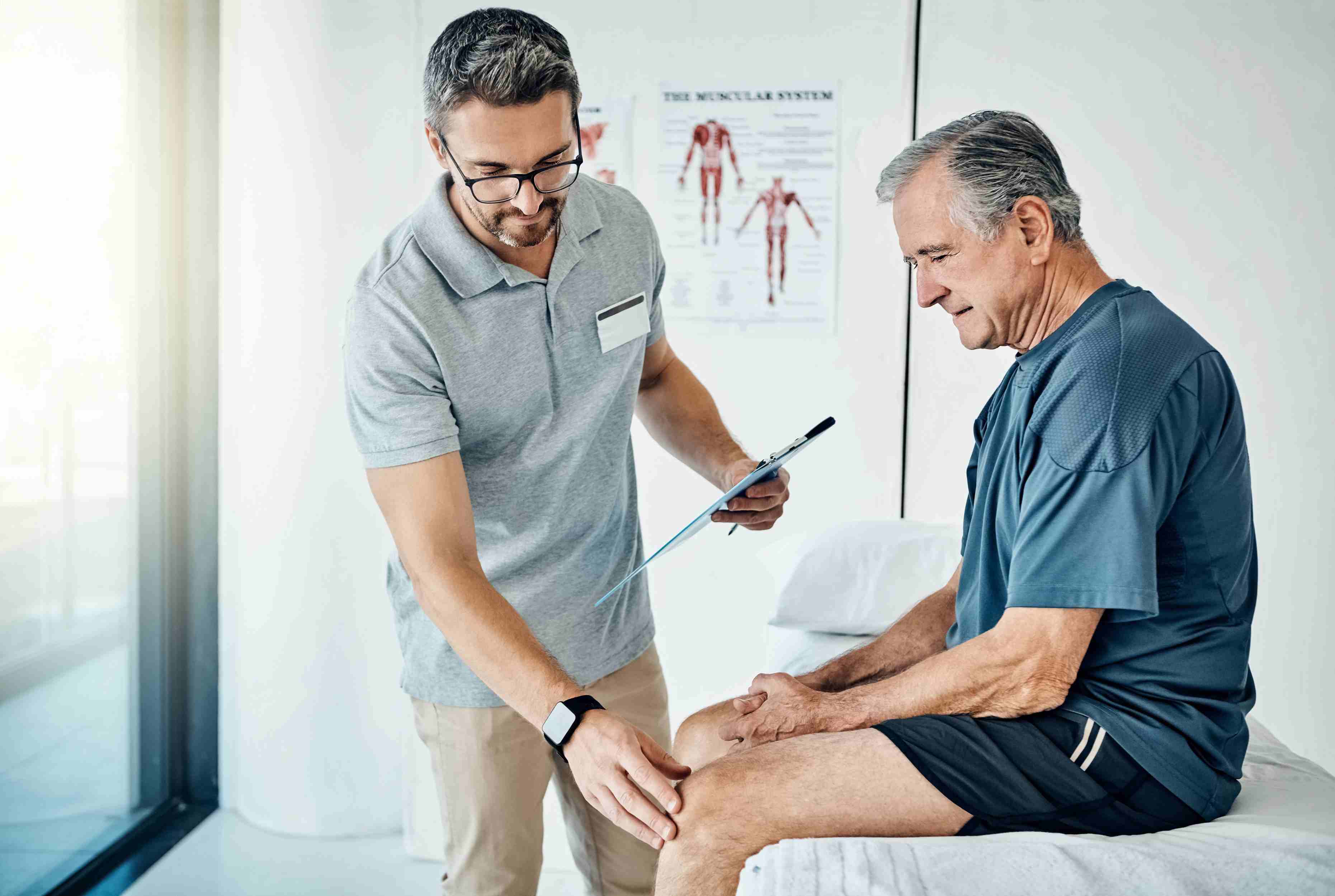
Doctor examining a patient’s knee in a clinic after twisting.
Recovery Phase: What to Do After Initial Pain Reduces
Once pain and swelling start decreasing, gentle movement becomes important.
1. Gentle Range of Motion Exercises
Start with slow and pain-free movements of the ankle or knee to prevent stiffness.
2. Gradual Weight Bearing
Resume weight-bearing gradually and only if pain allows. Use supportive footwear to protect the joint.
Resume bearing weight only if the pain is manageable. Remember to wear supportive footwear or a knee brace to protect the joint.
3. Physiotherapy Support
A physiotherapist can help you by designing specific exercises to restore strength, balance, and flexibility.
Exercises to Avoid Initially
Avoid high-impact activities such as:
- Running
- Jumping
- Squatting
- Sudden twisting movements
Returning to sports too early increases the risk of re-injury.
Long-Term Care and Prevention
1. Strengthening Exercises
After complete recovery, start strengthening the leg muscles reduces as they reduce the risk of future injury.
2. Balance Training
Balance exercises help in improving joint stability, especially after ankle or knee injuries.
3. Proper Footwear
While playing sports wear shoes which protect and support your ankles.
4. Warm-Up Before Activity
Proper warm-up prepares muscles and joints for sudden movements and exercising properly.
Twisted Leg in Elderly or Children
In Older Adults
Medical evaluation is strongly advised because a twisted leg can sometimes hide fractures that occur in patients who have osteoporosis.
In Children
Children may refuse to express the pain out of fear. A parent needs to examine any child who shows swelling and limping while walking and take the child to a doctor immediately.
Healing Time After a Twisted Leg
- Mild sprain: 1–2 weeks
- Moderate ligament injury: 3–6 weeks
- Severe ligament tear: 8–12 weeks or more
Recovery time depends on injury severity, age, and overall health.
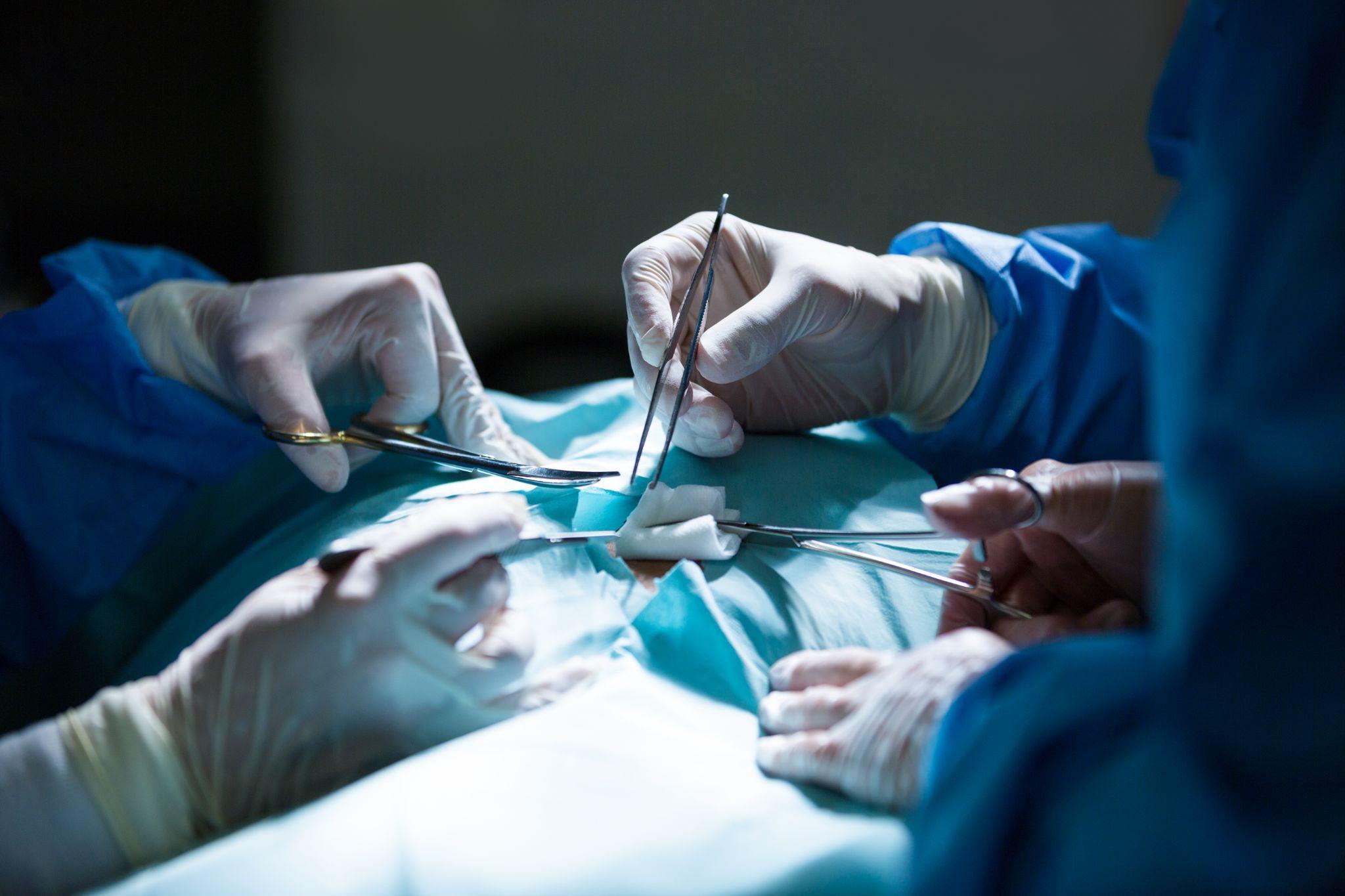
When Is Surgery Needed?
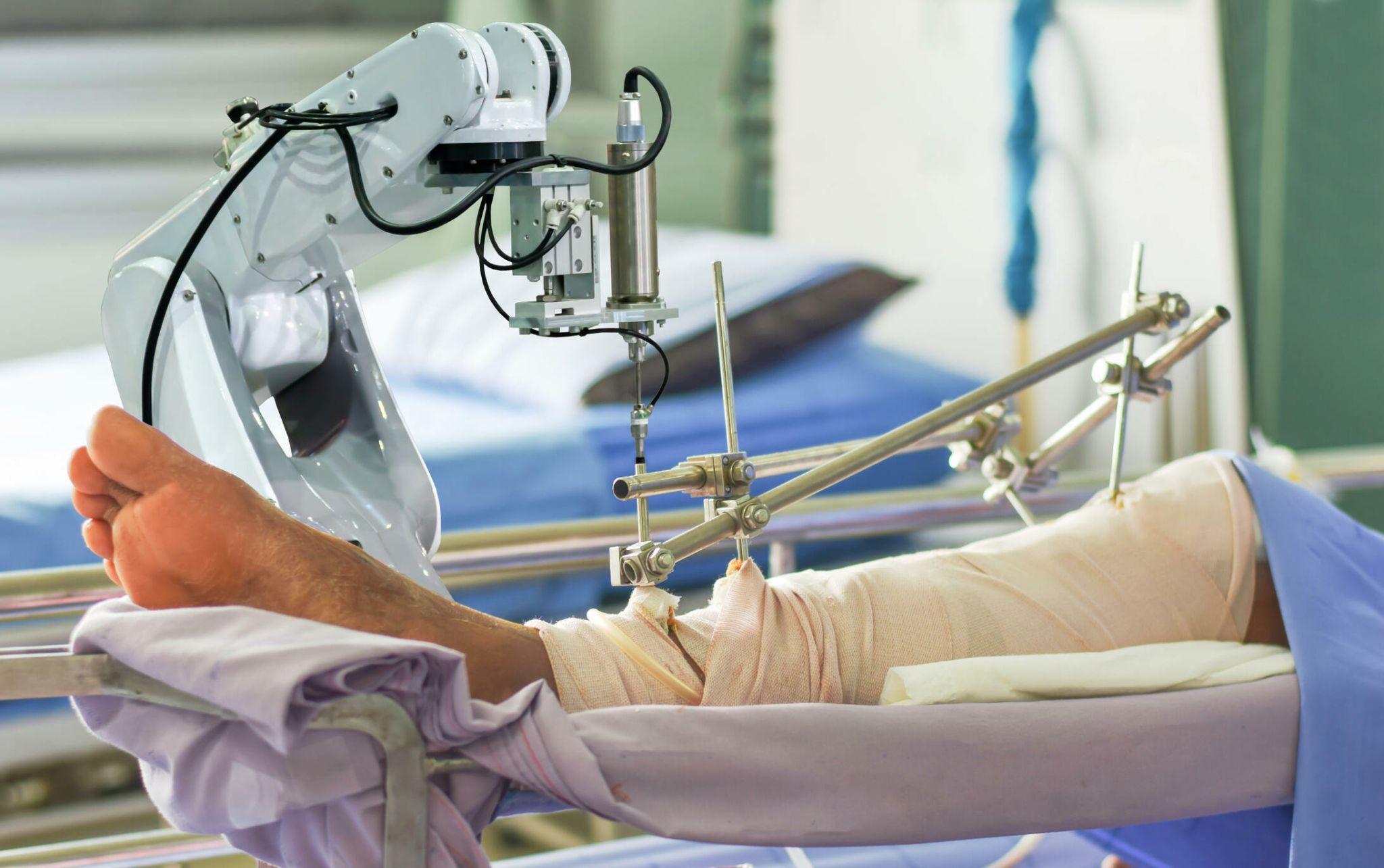
Most twisted leg injuries heal without surgery. Surgery is considered only if there is:
- Complete ligament tear
- Fracture involving the joint
- Repeated instability despite treatment
An orthopedic evaluation and imaging tests like X-ray or MRI help determine the right treatment.
Final Thoughts
The twisted leg should receive immediate attention because it requires medical evaluation as well as proper treatment. The combination of early treatment and sufficient rest together with scheduled medical assessments will help people avoid developing permanent health issues while they resume normal activities. Complete recovery depends on listening to your body and taking time to heal instead of pushing yourself.
Dr. Ankur Singh, an orthopedic specialist with extensive experience, provides personalized care to patients who need treatment for sports injuries and joint issues after they experience persistent leg pain or swelling or instability following their leg twist.
Medical Disclaimer
The information provided on this website is for educational purposes only and should not be considered as medical advice. Please consult Dr. Ankur Singh or a qualified healthcare professional for personalized medical guidance.
Share this blog:
 Copy
Copy