Difference Between Muscle Strain and Ligament Injury

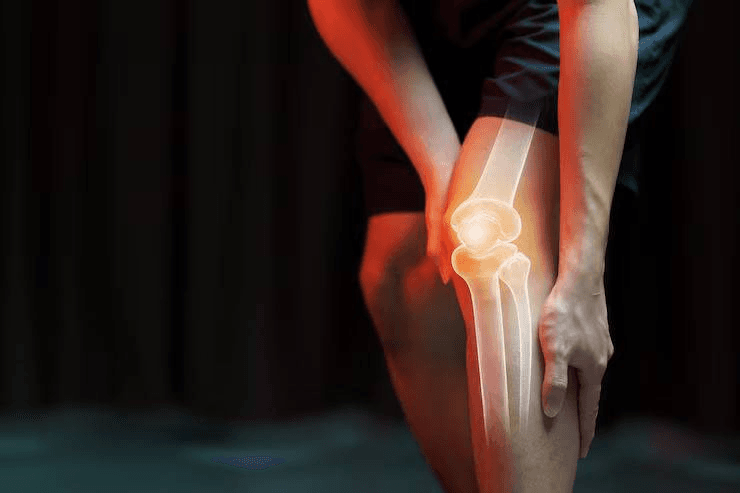
A man wondering whether his pain is a ligament injury or a muscle strain.
Experiencing pain after falling, moving suddenly, or exercising is a frequent occurrence, though not every kind of pain is alike. People often confuse muscle strain with ligament injury, using these phrases as synonymous with one another, which results in misunderstandings and possibly treatment being delayed. It is very critical to know the difference between muscle strain and ligament injury since the cause, recovery time, and treatment method might be quite different.
The blog outlines the distinction between muscle strain and ligament injury in uncomplicated terms thus assisting you to locate the possible source of your pain and when to consult a doctor.
Understanding Muscles and Ligaments
Before one comprehends the injury, it is vital to learn the functions of the muscles and ligaments in the body.
What Is a Muscle?
Muscles are the body's movers and shakers, as they are soft tissues that facilitate bodily movements. Their contracting and relaxing are the main actions behind walking, lifting, bending, and stretching. Muscles have a rich blood supply that plays a significant role in their quick recovery from injury.
What Is a Ligament?
On the other hand, ligaments are tough and flexible connective tissues linking the bones at the joints. They support the joint anatomy and limit movement to a certain degree. With their poor blood circulation, ligament injuries usually take a long healing period as well.
What Is a Muscle Strain?
A muscle strain is characterized by the overstretching or tearing of muscle fibers. It is commonly a result of sudden force, overuse, or improper movements.
Common Causes of Muscle Strain
- Sudden lifting of heavy weight
- Overstretching during exercise
- Poor posture or repetitive movements
- Inadequate warm-up before physical activity
Muscle strains typically occur in the neck, lower back, thighs, shoulders, and calves.

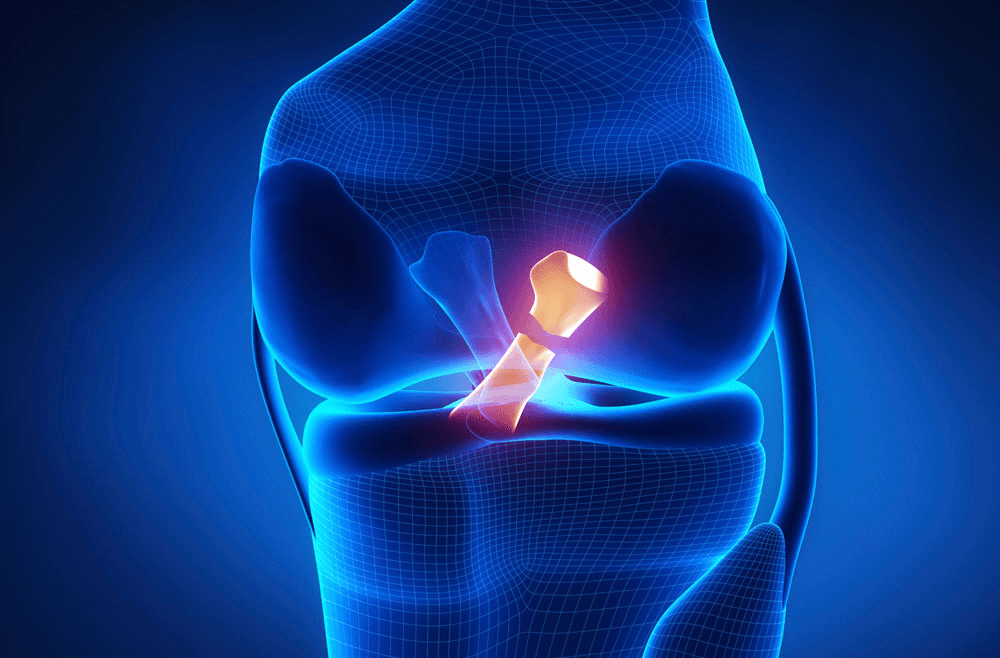
A physiotherapist guiding recovery for a ligament injury.
Image Descripiton - Man suffering from muscle strain.
Symptoms of Muscle Strain
- Localized pain in the muscle
- Muscle tightness or stiffness
- Mild swelling
- Pain that increases with movement
- Muscle weakness in severe cases
Generally, pain from a muscle strain slowly diminishes with rest and light movement.
What Is a Ligament Injury?
A ligament injury is defined as the stretching of a ligament beyond its normal range or tearing of the ligament. It can result from twisting movements, falls, or direct impact to a joint.
Common Causes of Ligament Injury
- Sudden twisting of the joint
- Sports injuries involving quick direction changes
- Falls or accidents
- Joint instability or previous injuries
Ligament injuries are often observed in the knee, ankle, wrist, and shoulder.
Symptoms of Ligament Injury
- Pain around a joint rather than a muscle
- Swelling appearing soon after injury
- Joint instability or feeling of giving way
- Difficulty bearing weight or using the joint
- Reduced range of motion
Ligament injuries frequently cause deeper, more persistent pain as compared to muscle strain.

Key Differences Between Muscle Strain and Ligament Injury
Location of Pain
Muscle strain pain is typically felt in the muscle belly or at the point of attachment to the bone. Ligament injury pain is localized to the vicinity of the joint.
Type of Pain
Muscle strain pain is often associated with soreness, tightness, or cramping. Ligament injury pain is of a sharper nature and is often accompanied by joint instability.
Swelling Pattern
IIn muscle strain condition, the swelling is mild and develops slowly most of the time. In ligament injury, however, swelling can be rapid and, in some cases, more pronounced than the other.
Movement Limitation
Pain and stiffness are the main reasons why muscle strain limits movement. Ligament injury limits movement due to fear of further damage and joint instability.
Healing Time
Muscle strains are generally faster to heal because of good blood supply to muscles. Ligament injuries take longer to heal due to limited blood flow and the need for joint stability restoration.
How Doctors Diagnose the Injury
Correct diagnosis is crucial to ensuring the right treatment.
Clinical Examination
The physicians determine pain location, the extent of swelling, whose cavity of the joint is stable, and how the patient moves. Sometimes, even the simplest physical tests reveal a lot of information.
Imaging Tests
- X-ray through fracture exclusion
- Ultrasound for muscle tear detection.
- MRI for soft tissue and ligament inspection, blood flow, and perfusion evaluation.
- MRI is particularly invaluable when there is a suspicion of ligament injury or when patient discomfort continues through treatment.
Treatment Approaches
Treatment for Muscle Strain
- Reduction of strain and change in activity
- Cold therapy during the initial stage
- Soft stretching and physical therapy
- Analgesic medications if required
The majority of muscle tears are healed through conservative treatment.
Treatment for Ligament Injury
- The use of immobilization or the application of external joint support
- Physiotherapy aimed at developing stability
- Slowly increasing the intensity of the strengthening exercises
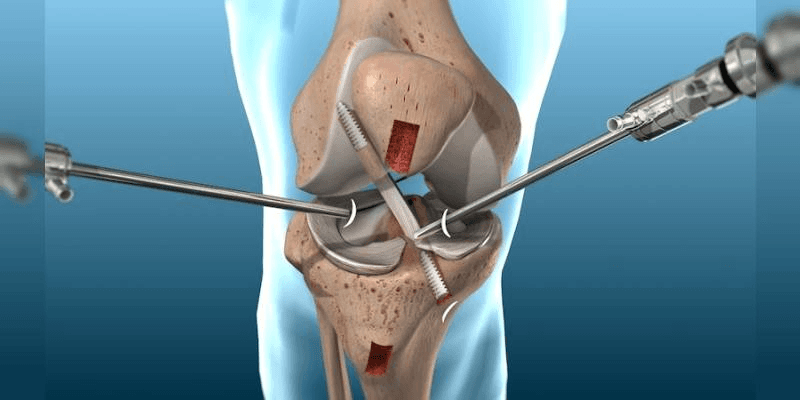
- Surgical intervention in case of complete ligament tears
Timely and appropriate treatment can make the difference between having and not having joint problems for life.
Why Correct Identification Matters
If you mistake a ligament injury for a mere muscle strain, it can result in persistent instability, frequent reap trauma, and quick damage to the joint. However, the other way around—being overly cautious about a muscle strain and treating it with constant hospitalization—might slow healing down and weaken the muscles involved.
Being aware of the distinction between muscle strain and ligament injury can provide not only faster recovery and better results but also prevention of long-term complications.
When to See a Doctor
You should seek advice from a professional if:
- Pain is more than 7 to 10 days lasting
- Swelling goes up rather than down
- The joint is still or feels weak
- Pain makes it hard for you to carry out your daily activities
- There is a pattern of injuries occurring repeatedly
Prompt inspection is a good way to eliminate the possibility of a minor problem becoming a chronic one.
Conclusion
Initially, muscle strain and ligament injury may feel alike; however, they are vastly different at the same time as healing timelines and therapy needs. The pain's position, swelling, and joint stability are indicators to consider for diagnosing. The correct diagnosis, together with treatments administered in good time, is very vital in ensuring full recovery and healthy joints in the long run.
In case of muscle or joint pain that does not go away, a medical examination is necessary instead of just rest or taking pain medications.
For the opportune diagnosis and individualized treatment pertaining to muscles, ligaments, and joints, make an appointment with Dr. Ankur Singh, a skilled orthopedic specialist, who is famous for his evidence-based practice and patient-centered approach.
Your pain is symptomatic of something. Grasping it is the first step towards your recovery.
Medical Disclaimer
The information provided on this website is for educational purposes only and should not be considered as medical advice. Please consult Dr. Ankur Singh or a qualified healthcare professional for personalized medical guidance.
Share this blog:
 Copy
Copy


.jpg)

