.jpg)
Fracture Healing: How to Recover Faster from Broken Bones
A bone fracture occurs when a bone breaks due to trauma, impact, or stress. Whether it’s a simple fracture, where the bone cracks but stays aligned, or a compound fracture, where the bone breaks into multiple pieces, the healing process is crucial for restoring strength and function to the affected area.
Introduction to Fracture Healing
Factors that Affect Fracture Healing
- Age: Younger individuals tend to heal faster due to more robust bone regeneration capabilities.
- Health Status: Conditions such as diabetes, osteoporosis, or smoking can slow down the healing process.
- Type of Fracture: Simple fractures heal faster than complex or comminuted fractures, which require more extensive treatment and rehabilitation.
- Treatment Method: Whether you’re using a cast, surgery, or non-surgical methods will affect the healing time.
Tips for Faster Fracture Healing
- Dr. Singh uses advanced imaging techniques to accurately assess the fracture and determine the best immobilization method. If surgery is required, he utilizes minimally invasive techniques to reduce recovery time and minimize scarring.
- Calcium: Essential for bone strength and repair. Foods like dairy products, leafy greens, and fortified plant-based milks are great sources.
- Vitamin D: Helps with calcium absorption. Sun exposure and foods like fatty fish, eggs, and fortified products can provide adequate vitamin D.
- Protein: Supports tissue repair and muscle rebuilding. Include lean meats, beans, lentils, and eggs in your diet.
- Vitamin C: Essential for collagen formation, which is necessary for bone healing. Citrus fruits, strawberries, and bell peppers are rich in vitamin C.
- Magnesium: Vital for bone health and repair. Include nuts, seeds, and leafy greens in your diet. Supplements such as calcium, vitamin D, and collagen peptides can be taken after consulting with your healthcare provider to further boost the healing process.
- Restore range of motion: Helps you regain movement and flexibility in the affected joint or limb.
- Strengthen muscles: After immobilization, muscles tend to weaken, and physical therapy helps rebuild muscle strength.
- Reduce stiffness: Regular stretching and movement can reduce stiffness and prevent long-term joint issues. Dr. Ankur Singh’s Rehabilitation Plan:
- Dr. Singh designs customized rehabilitation programs based on the type of fracture, age, and recovery goals. He works closely with physical therapists to ensure that patients regain full mobility and strength.
Good nutrition plays a vital role in supporting the body’s healing processes, especially when it comes to bone health. Some key nutrients that support fracture healing include:
Once the bone is stable, rehabilitation exercises are crucial to regain strength, mobility, and function. A gradual physical therapy program is designed to:
Rest is essential during the healing process, as the body requires energy to repair itself. Sleep is especially important because this is when the body performs much of its repair and regeneration work. Aim for at least 7-9 hours of sleep per night.
Smoking slows bone healing by reducing blood flow to the injured area, which decreases oxygen and nutrient delivery to the bones. Similarly, excessive alcohol consumption can interfere with bone regeneration and increase the risk of complications.Quitting smoking and limiting alcohol intake during the recovery period can significantly improve your healing time and overall bone health.
Surgical Options for Fracture Healing
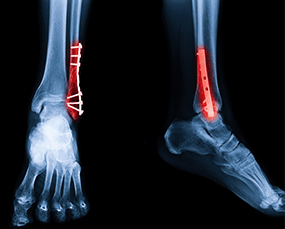
Internal fixation involves the use of plates, screws, or rods to stabilize the broken bone. This method is used for fractures that cannot be realigned with a cast or splint alone.
For more complex fractures, an external fixation device may be used to hold the bone in place during healing. This device is attached to the bone through pins or screws and helps maintain stability while the bone heals.
In cases where there is significant bone loss or the bone is not healing well, bone grafting can be used. In this procedure, bone tissue is taken from another part of the body or a donor and used to stimulate healing in the fractured area.
Dr. Ankur Singh’s Approach to Fracture Healing
Dr. Singh uses state-of-the-art imaging technology, including X-rays and MRI scans, to assess the extent of the fracture and determine the best treatment plan.
Whether your fracture requires surgical intervention or can be managed with conservative treatment, Dr. Singh tailors a personalized care plan to optimize your recovery.
Dr. Singh ensures that every patient receives proper follow-up care to monitor the healing progress and make any necessary adjustments to the treatment plan.
Book Your Consultation Today !
- Phone: \+91-XXXXXXXXXX
- Email: info@drankursingh.com
- Website: [www.drankursingh.com](https://www.drankursingh.com/)
FAQs
Yes, proper nutrition, rest, physical therapy, and avoiding smoking and alcohol can significantly speed up the healing process.
Not all fractures require surgery. Simple fractures can often heal with immobilization (e.g., cast or splint). However, more complex fractures may require surgical intervention to realign and stabilize the bone.
Maintaining bone health through a balanced diet rich in calcium and vitamin D, regular weight-bearing exercises, and fall prevention strategies can help reduce the risk of fractures.
Keywords for Interlinking
- Fracture healing Noida
- Bone fracture treatment Noida
- Orthopedic surgeon Noida
- Bone health Noida
- Bone healing tips
- Physical therapy for fractures
- Fracture rehabilitation Noida
- Knee fracture treatment
- Bone grafting Noida
- Bone regeneration treatments
Book a Consultation with Dr. Ankur Singh
We use advanced medical technology and compassionate care to ensure each patient receives the most accurate diagnosis and effective treatment. Whether you're dealing with joint pain, fractures, or post-surgical rehab — you're in expert hands. Book your consultation today and start your journey toward strength and mobility.
Related Pages
Explore more health and orthopedic resources from Dr. Ankur Singh.
/1.jpg)
Complex Trauma Surgery in Accident Cases
27 Apr 2026

Non-Union Fracture Treatment & Bone Healing Solutions
27 Apr 2026
/male-bandaged-hand-holds-xray-image-closeup-compressed.jpg)
Bone Fracture Surgery in Noida: 24/7 Emergency Care
19 Oct 2026

Leg Fracture Surgery with Advanced Fixation Techniques
19 Oct 2026
Spine Surgery & Back Pain/front-view-doctor-explaining-anatomy-compressed.jpg)
Spine Fracture Surgery & Advanced Fixation Techniques in Noida – Dr. Ankur Singh, Best Orthopedic in Noida
27 Apr 2026
/bone-fracture-foot-leg-male-patient-being-examined-by-woman-doctor-hospital-compressed.jpg)
Complex Fracture Management in Noida
27 Apr 2026


Bone Fracture Recovery at Home: The Complete Indian Family Guide
Managing a fracture at home in India has unique challenges — cast care in summer heat, floor-based sleeping, Indian food for bone healing. Dr. Ankur Singh, orthopedic surgeon in Noida, gives you the complete guide.
21 Aug 2026
Dr. Ankur Team

Boxer’s Fracture: Understanding This Common Hand Injury
Boxer’s fracture causes pain, swelling, and difficulty moving the hand after impact or trauma. Learn its symptoms, causes, treatment options, and recovery with expert orthopedic care in Noida.
11 Jun 2026
Dr. Ankur Team

Trauma And Fracture Care In Noida: What To Do, When To Go, And What Happens Next
From road accidents to sports injuries and falls, fracture care in Noida and Greater Noida requires prompt, expert management. Dr. Ankur Singh explains what to expect at every stage of trauma and fracture treatment.
22 May 2026
Dr. Ankur Team

Difference Between Rheumatoid Arthritis and Osteoarthritis
Understand the difference between rheumatoid arthritis and osteoarthritis, their causes, symptoms, and treatment options. Expert guidance by Dr. Ankur Singh.
19 Feb 2026
Dr. Ankur Team

आर्थराइटिस मतलब क्या होता है? (Arthritis Meaning in Hindi)
आर्थराइटिस meaning in Hindi सरल भाषा में समझें। घुटने दर्द के कारण, लक्षण, प्रकार, उपचार और बचाव के तरीके जानें।
10 Dec 2025
Dr. Ankur Team

How Osteoarthritis Affects Your Knees and What You Can Do About It
Learn how osteoarthritis affects the knee joints, its symptoms, risk factors, effective treatments to manage pain and improve mobility.
11 Jul 2025
Dr. Ankur Team

Fracture Healing: Faster Recovery Tips | Dr. Ankur Singh
Learn how long fracture healing takes, stages of bone healing, factors affecting recovery, and when to see a doctor. Simple, patient-friendly guide.
06 Jan 2026
Dr. Ankur Team

How to Keep Your Bones Healthy Naturally After 40 Years?
Learn how after age 40, bone density gradually decreases, increasing the risk of weakness and fractures.
10 Nov 2025
Dr. Ankur Team

नोएडा में बेस्ट हिप रिप्लेसमेंट सर्जरी – पूरी जानकारी आसान भाषा में
हिप दर्द, गठिया या फ्रैक्चर से परेशान हैं? जानिए नोएडा में बेस्ट हिप रिप्लेसमेंट सर्जरी क्या है, कब जरूरी होती है और रिकवरी कैसी रहती है।
06 Feb 2026
Dr. Ankur Team