Steroid Injections for Joint Pain: The Complete Honest Guide for Indian Patients

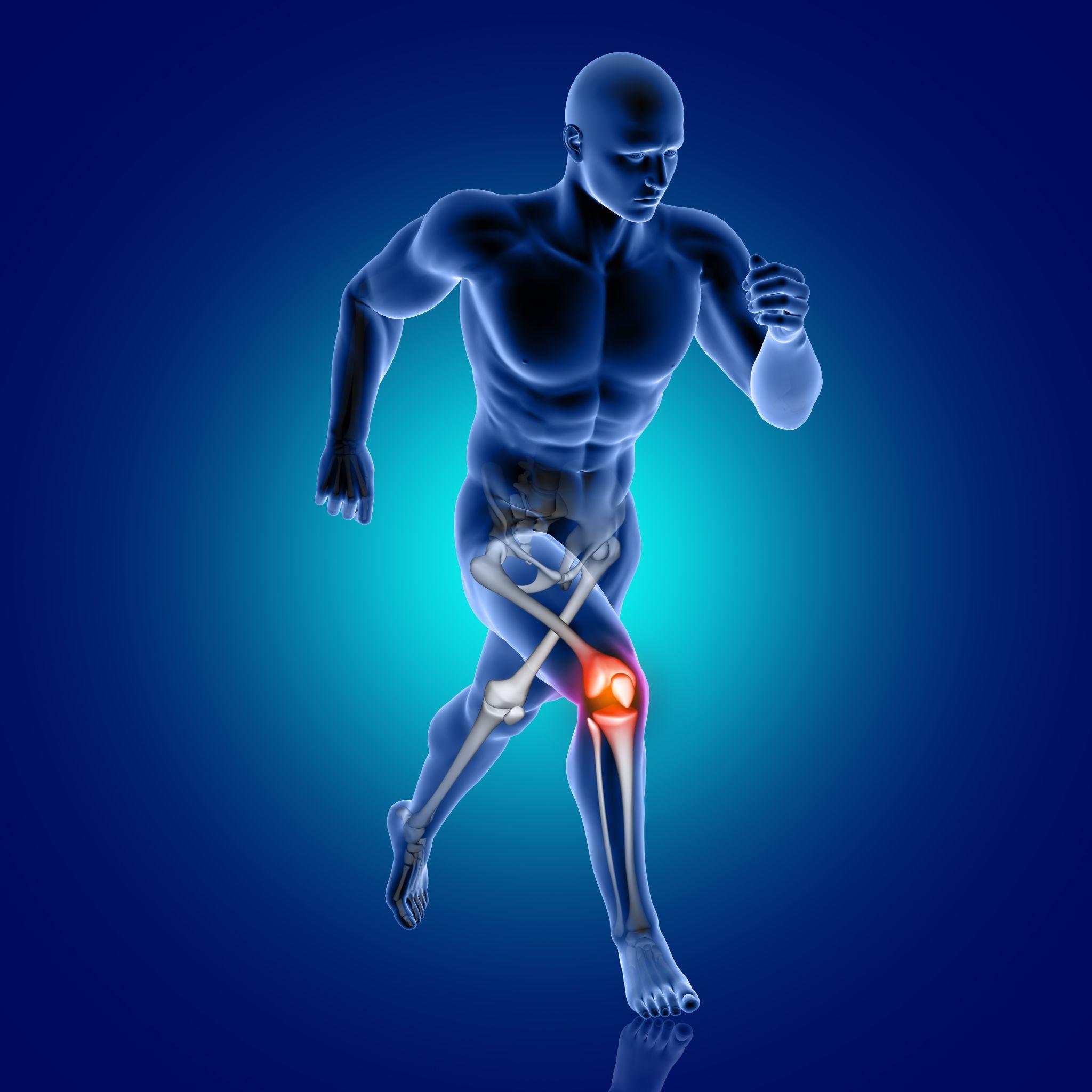
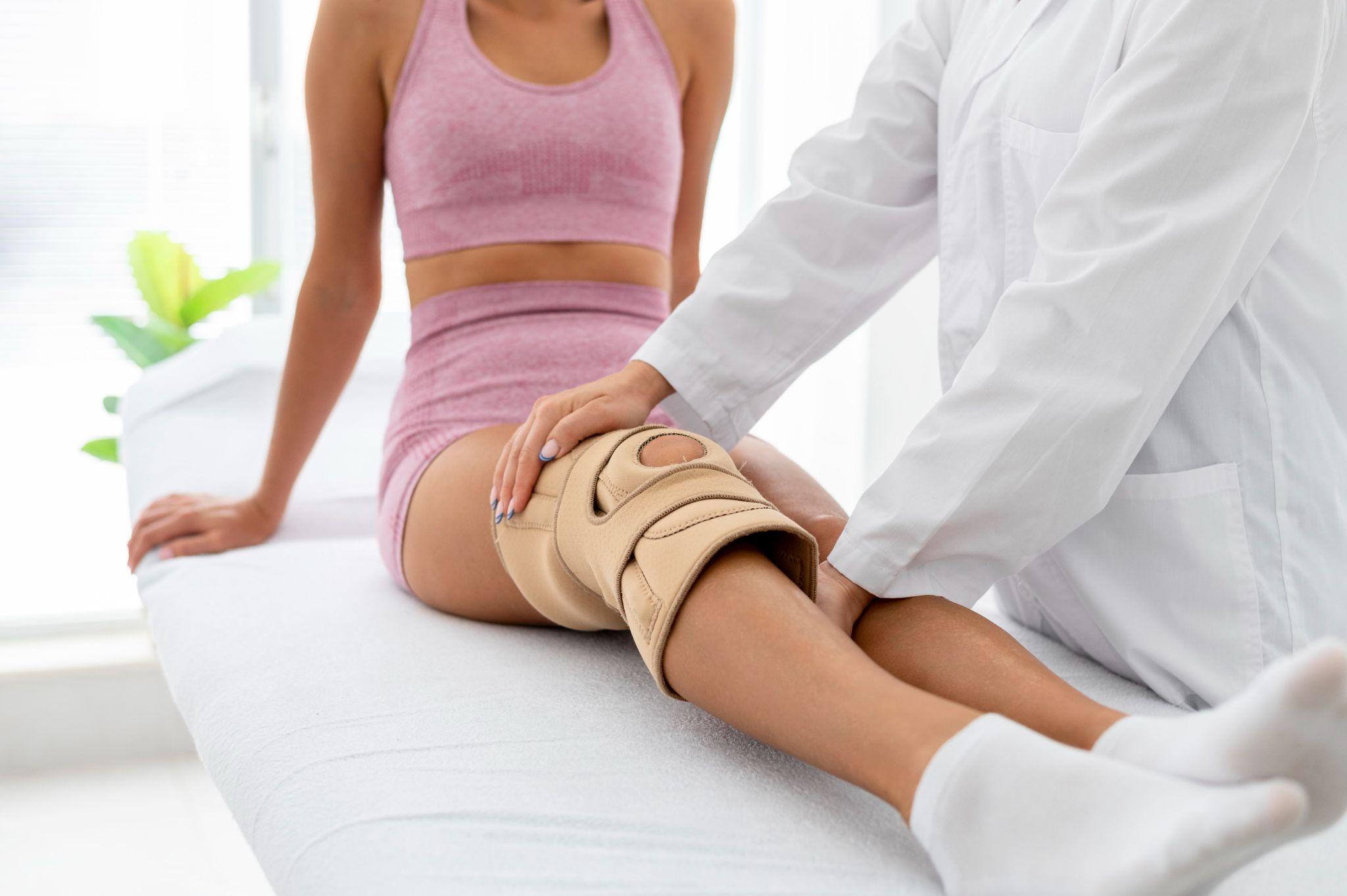
Orthopedic doctor explaining a knee joint model to a patient in clinic
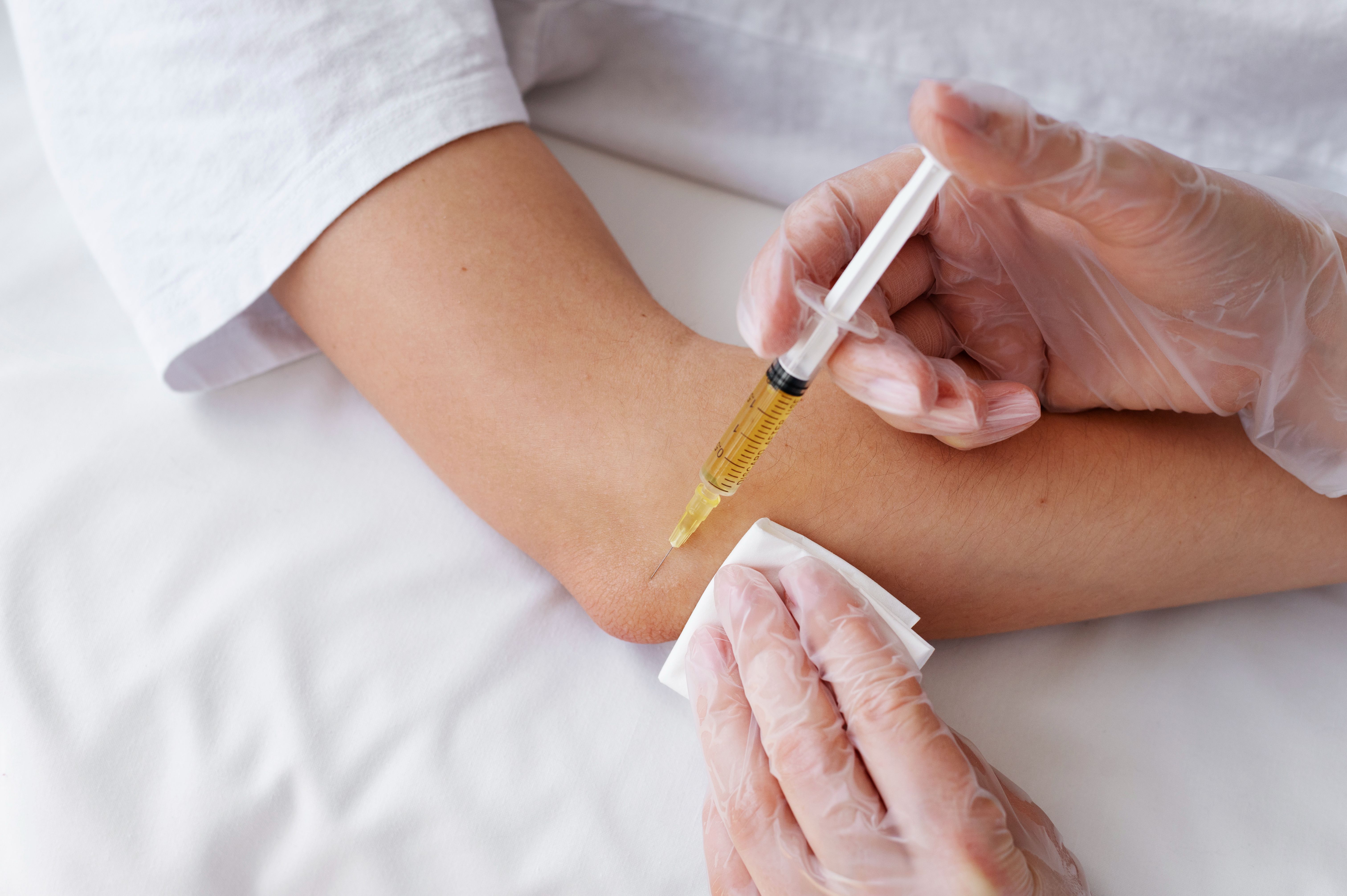
Steroid injections — specifically corticosteroid injections — are one of the most widely administered treatments for joint pain in India. They are given in orthopaedic clinics, GP practices, and physiotherapy centres across Noida and Greater Noida on a daily basis. They provide real, meaningful relief. And they are, simultaneously, one of the most misused interventions in Indian orthopedic practice.
The problem is not that they are given. It is that they are too often given repeatedly, without adequate explanation of the limits, without a concurrent treatment plan that addresses the underlying condition, and without patients understanding what is actually happening inside the joint when the needle goes in.
This guide gives you the honest picture — what steroid injections actually do, how long they work, how many is too many, what the real risks are, and how they fit into a rational treatment plan for joint pain in Noida.
What Is a Corticosteroid Injection?
Corticosteroids are synthetic versions of cortisol, the body's natural anti-inflammatory hormone. When injected directly into a joint, they reduce local inflammation — calming the synovial lining, reducing the production of inflammatory mediators, and decreasing pain.
The most commonly used agents for intra-articular injection in India are triamcinolone acetonide and methylprednisolone acetate. Both are depot preparations — they release slowly over days to weeks rather than all at once.
They do not repair cartilage. They do not slow the progression of arthritis. They do not change the underlying anatomy of the joint in any beneficial way. They reduce inflammation and pain — which is valuable and clinically meaningful — but the arthritis itself continues.
What Steroid Injections Are Good For
1. Acute Flares of Osteoarthritis
Osteoarthritis can flare — periods of significantly worse pain and swelling driven by an inflammatory episode within the joint (often called a "hot" phase of OA). During a flare, a corticosteroid injection can provide rapid, significant relief that allows the patient to resume physiotherapy and normal activity while the flare settles. This is a genuinely good use of the treatment.
2. Inflammatory Arthritis (Rheumatoid, Psoriatic)
In inflammatory arthritis, corticosteroids are more fundamentally relevant — the condition is driven by immune-mediated inflammation, and local or systemic steroids are an important part of management. Intra-articular injection into an acutely inflamed joint provides rapid local relief while systemic disease-modifying medication takes effect.
3. Prepatellar and Pes Anserine Bursitis
Bursitis (inflammation of the fluid sac around a joint) responds well to corticosteroid injection — often with near-complete resolution of pain after a single well-placed injection.
4. Frozen Shoulder (Adhesive Capsulitis)
The early "freezing" phase of frozen shoulder, dominated by pain and inflammation, responds well to subacromial corticosteroid injection — reducing pain sufficiently for physiotherapy to be more effective.
5. Acute Gout
An injection of corticosteroid directly into a gouty joint (when colchicine or NSAIDs are not suitable or fast enough) can abort an acute attack effectively.
How Long Does the Effect Last?
This is where honesty matters. Patient expectations about steroid injection duration are often unrealistic.
The relief from a corticosteroid injection in a knee with osteoarthritis typically lasts:
- 4 to 8 weeks in many patients
- 3 to 6 months in a smaller proportion of patients with less severe disease
- Less than 2 weeks in some patients with advanced arthritis
The literature on this is consistent: the more severe the arthritis, the shorter the duration of relief. For a patient with bone-on-bone knee arthritis (Grade 4), injections tend to provide diminishing returns — each successive injection producing less relief for a shorter period than the previous one.
This does not mean injections are useless in severe arthritis — a 4-week window of reduced pain can allow meaningful physiotherapy or facilitate a decision about surgery. But it should be understood clearly rather than hoped to be a permanent solution.
How Many Is Too Many? The Three-to-Four Rule
This is the most important and most frequently misunderstood aspect of corticosteroid injections for joint pain in India.
The standard clinical guidance: no more than three to four corticosteroid injections per joint per year, and a minimum of six weeks between injections.
This limit exists because of a specific biological concern: high cumulative doses of corticosteroids in a joint accelerate cartilage degradation. This is counterintuitive — a treatment for joint pain that damages the joint — but it is well-documented. The mechanism involves corticosteroid-induced inhibition of proteoglycan synthesis in chondrocytes (the cartilage cells), reducing the cartilage's ability to repair itself and maintain its matrix.
A landmark study published in JAMA in 2017 demonstrated that patients receiving corticosteroid injections every 12 weeks for 2 years showed significantly greater cartilage loss on MRI than those receiving placebo injections — despite having similar or better pain scores during the treatment period. The joint was being damaged while the pain was masked.
In practice for Indian patients, this means: if you have been receiving steroid injections more frequently than three to four times per year — or have been receiving them for more than two years — this needs to stop or be seriously reconsidered, and an alternative treatment plan needs to be established.
What Indian Patients Are Often Not Told
1. The Infection Risk
Any injection into a joint carries a small but real risk of introducing infection. For a corticosteroid injection specifically, this risk is estimated at approximately 1 in 3,000 to 1 in 10,000 procedures when performed with proper sterile technique. In India's variable healthcare settings, this risk may be higher in some facilities.
Joint infection (septic arthritis) is a serious complication requiring hospitalisation, intravenous antibiotics, and sometimes surgical washout of the joint. The sign to watch for: a joint that becomes significantly more painful, swollen, and hot in the 24 to 48 hours after an injection — this warrants immediate assessment.
2. The Blood Sugar Warning for Diabetics
Corticosteroid injections can significantly raise blood glucose for several days after the injection — even with intra-articular (into the joint) administration, some systemic absorption occurs. Diabetic patients should monitor blood glucose more frequently in the 3 to 5 days after a joint injection and be prepared to adjust insulin or medications if needed. This is almost never mentioned at the time of injection.
3. It Is Not a Solution — It Is a Bridge
The framing of steroid injections as a long-term management strategy for joint arthritis is clinically inappropriate. An injection is a bridge — it provides a window of reduced pain that should be used to pursue the actual treatment:
- Physiotherapy to strengthen the muscles around the joint
- Weight management to reduce joint loading
- Activity modification
- And when appropriate — surgical consideration
Patients who receive repeated injections without concurrent physiotherapy and lifestyle modification are using the bridge without moving across it.
Alternatives to Repeated Steroid Injections
When steroid injections are no longer producing adequate relief, or when the limit has been reached, there are alternatives:
1. Hyaluronic Acid Injections (Viscosupplementation)
Hyaluronic acid is a component of normal synovial fluid that decreases in arthritis. Hyaluronate injections attempt to restore viscosity to the joint fluid. Evidence is mixed — some patients get good relief for 3 to 6 months, others get little benefit. Importantly, hyaluronic acid does not carry the cartilage-damaging risk of repeated steroids, making it a reasonable alternative when steroid cycles are exhausted.
2. PRP (Platelet-Rich Plasma) Injections
PRP involves concentrating the patient's own growth factors from blood and injecting them into the joint. Evidence for osteoarthritis is growing — several meta-analyses show meaningful pain reduction and functional improvement, particularly in earlier-stage arthritis. Dr. Ankur Singh performs PRP injections for appropriate patients as part of his practice.
3. Physiotherapy and Exercise Therapy
The evidence for targeted exercise (particularly quadriceps and hip strengthening) in knee arthritis is as strong or stronger than for steroid injection for long-term outcomes. This is consistently underemphasised in Indian practice because exercise requires effort and time; injections require neither from the patient.

Physiotherapist helping with back pain recovery by rubbing on the back of the patient.
4. Joint Replacement
For patients with severe arthritis who have exhausted other options, the honest conversation is about surgery. Repeated injections in severe arthritis are not just ineffective — they may be making the situation worse and delaying a decision that would genuinely change the patient's quality of life.
How to Have an Honest Conversation with Your Doctor
If you have been receiving steroid injections regularly for knee or hip arthritis, consider asking:
- How many injections have I had total in this joint?
- Are these injections addressing the underlying problem or managing the symptoms?
- What is happening to my joint in the meantime?
- At what point should I be considering other options?
- Is physiotherapy being recommended alongside these injections?
These are not confrontational questions. They are the questions that lead to better treatment plans.
Steroid Injections and Consultation at Dr. Ankur Singh's Practice in Noida
Dr. Ankur Singh assesses joint injection requirements as part of a comprehensive treatment plan — not as a standalone prescription. The specific assessment includes the stage of arthritis, how many injections have been received previously, and what the realistic trajectory of the condition is. Injections are recommended where they are genuinely indicated as part of a broader management pathway.
To book a consultation at Renew Orthopedic Clinic, Sector 47 Noida, call the number listed on this website.
Frequently Asked Questions
1. Is the steroid injection painful?
Most patients find the injection itself briefly uncomfortable rather than severely painful — particularly when the injection is guided by ultrasound (which ensures accurate placement) and when local anaesthetic is combined with the steroid. The joint may be sore for 24 to 48 hours after the injection before the relief begins.
2. Can I exercise immediately after a steroid injection?
Rest the joint for 24 to 48 hours after the injection. Then gradually return to normal activity. Avoid vigorous exercise in the first week to allow the medication to act on the local tissue without being immediately redistributed by heavy joint loading.
3. Can a steroid injection cure arthritis?
No. Corticosteroid injections reduce inflammation and pain — they do not repair cartilage, halt arthritis progression, or cure the underlying condition. They are one component of a management plan, not a treatment in themselves.
Dr. Ankur Singh | Best Orthopedic Surgeon in Noida | Joint Injection Guide India | Knee Hip Shoulder Injections Noida | KDSG Superspeciality Hospital Greater Noida
Medical Disclaimer
The information provided on this website is for educational purposes only and should not be considered as medical advice. Please consult Dr. Ankur Singh or a qualified healthcare professional for personalized medical guidance.
Share this blog:
 Copy
Copy