Post-COVID Joint Pain in India: Why Millions Are Still Suffering — And What Can Actually Help

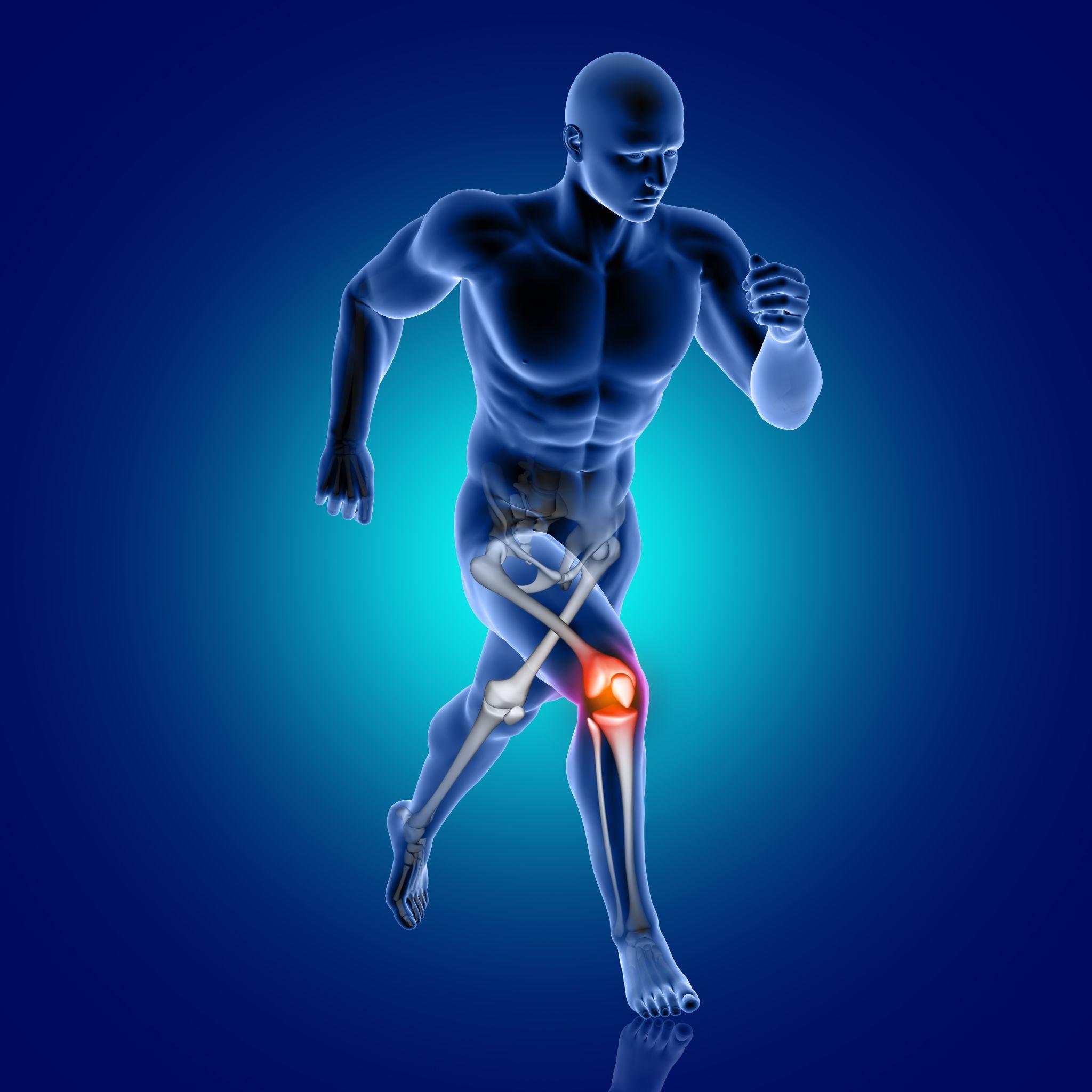
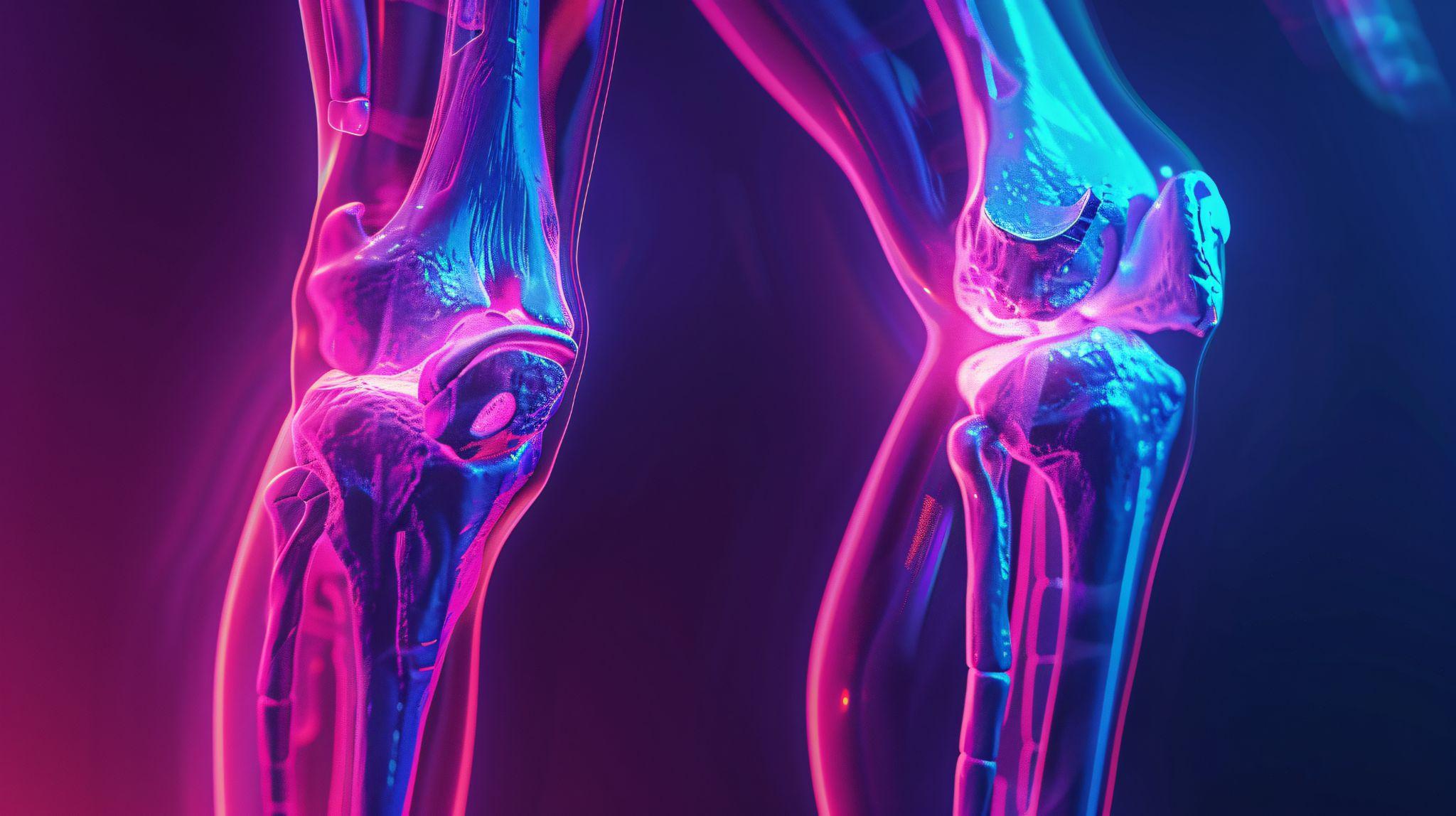
An X-ray of the knee joint is taken and kept against a white background.
Three years after the acute crisis of the COVID-19 pandemic subsided, a significant portion of India's adult population is living with musculoskeletal symptoms that began during or after their COVID infection and have never fully resolved. Joint pain, muscle aches, bone fatigue, tendon soreness, and generalised stiffness that appears disproportionate to any identifiable structural cause — the constellation that has come to be called long COVID musculoskeletal syndrome.
In Dr. Ankur Singh's practice in Noida, this patient profile is familiar. Adults in their 30s, 40s, and 50s who were physically active before COVID, recovered from the acute infection, and then found that their joints and muscles never quite returned to what they were. Some were told it would pass. Some have been managing with painkillers for eighteen months. Many are now wondering whether something permanent has happened to their bones and joints.
The honest answer is complex. For many patients, the condition does resolve — but it takes longer than most people expect and responds poorly to the standard approach of rest-and-wait. For a smaller proportion, it transitions into something more persistent that requires specialist assessment and structured management.
This is what the evidence shows about what is happening, why it is happening, and what the most effective management pathway looks like for Indian patients.
What Long COVID Musculoskeletal Syndrome Actually Is
Long COVID (formally called post-acute sequelae of SARS-CoV-2 infection, or PASC) refers to symptoms that persist beyond four weeks after acute COVID infection and cannot be explained by an alternative diagnosis. Musculoskeletal symptoms — joint pain, muscle pain, and fatigue — are among the most consistently reported long COVID symptoms across large cohort studies worldwide.
A meta-analysis published in 2023 estimated that approximately 30 to 40 percent of COVID survivors experience some degree of musculoskeletal symptoms at three months. At twelve months, studies from India (including data from AIIMS and a large south Indian cohort) found that 15 to 25 percent of patients still had significant musculoskeletal complaints.
In India's epidemiological context, this represents tens of millions of people.
The symptoms vary considerably in character and severity:
Arthralgia (joint pain): Pain in the joints without objective signs of inflammation — no significant swelling, warmth, or redness in most cases. The joints most commonly affected are the large joints: knees, hips, shoulders, and wrists. The pain is often bilateral, frequently migratory (moving between joints), and tends to be worse in the morning.
Myalgia (muscle pain and fatigue): Deep muscle aching and unusual fatigue with physical activity. Patients describe a disproportionate soreness after activities they previously performed easily — climbing one flight of stairs, a short walk, a basic workout — that takes days to resolve.
Tendinopathy: Tendon pain — at the Achilles, patellar tendon, shoulder tendons, or wrist extensors — without a clear precipitating injury. Post-COVID tendinopathy appears to affect previously asymptomatic tendons and may reflect a change in tendon biology related to the systemic inflammatory state during infection.
Bone pain: A diffuse, poorly localised bone aching — sometimes described as similar to the bone pain of severe influenza, but persisting long after other symptoms resolve.
Why COVID Causes Musculoskeletal Symptoms: The Mechanisms
1. Systemic Inflammation
SARS-CoV-2 triggers a systemic inflammatory response that, in some patients, persists long after viral clearance. Elevated inflammatory markers — CRP, IL-6, TNF-alpha — have been documented in long COVID patients months after the acute infection. These circulating inflammatory mediators directly sensitise joint pain receptors (nociceptors) and contribute to the generalised aching and joint sensitivity characteristic of the condition.
2. ACE2 Receptor Expression in Musculoskeletal Tissue
The SARS-CoV-2 virus enters cells via the ACE2 receptor. ACE2 is expressed in multiple musculoskeletal tissues — skeletal muscle, bone, and synovial tissue. Direct viral effects on these tissues during infection, or the immune response triggered by viral presence in them, may contribute to persistent symptoms.
3. Immune-Mediated Mechanisms
Long COVID shares several features with autoimmune inflammatory conditions — the bilateral, migratory joint pain pattern, the morning stiffness, the disproportionate fatigue. Research is ongoing into whether COVID triggers an aberrant immune response that targets musculoskeletal tissues, similar to the mechanism of reactive arthritis triggered by other infections.
4. Mitochondrial Dysfunction
Emerging evidence suggests that COVID infection disrupts mitochondrial function in muscle cells — impairing energy production at the cellular level. This mechanism explains the characteristic "post-exertional malaise" of long COVID: the disproportionate and prolonged muscle fatigue after physical activity that makes exercise feel much harder than it should.
5. Vitamin D and Micronutrient Depletion
Severe COVID infection depletes Vitamin D, zinc, magnesium, and selenium — all micronutrients that are important for musculoskeletal health. Indian patients were already deficient in many of these before COVID. The additional depletion from illness exacerbates musculoskeletal vulnerability.

Foods rich in vitamin D for bone and immune health.
6. Deconditioning
A frequently underappreciated contributor. Patients who had significant illness, hospitalisation, or simply weeks of reduced activity during COVID infection emerge with measurable loss of muscle mass and cardiovascular fitness. Joints that were previously protected by good surrounding muscle strength become more symptomatic when that protection is reduced.
What Is NOT Causing Your Symptoms (Important Distinction)
Post-COVID musculoskeletal symptoms are not arthritis in the structural sense — they are not caused by cartilage damage, joint space narrowing, or bone erosion. X-rays and MRIs in most long COVID musculoskeletal patients are normal.
This is important for two reasons: first, it means the prognosis for most patients is good — the structural joint is intact and will not deteriorate as a consequence of these symptoms. Second, it means that treatments aimed at structural joint problems (intra-articular injections, physiotherapy for mechanical dysfunction) are only partially effective and need to be combined with approaches that address the systemic drivers.
However, a subset of patients do develop genuine post-COVID inflammatory arthritis — an immune-mediated condition more similar to reactive arthritis or early rheumatoid arthritis. These patients have objective signs of joint inflammation (swelling, warmth, elevated ESR and CRP), and this group benefits from rheumatological assessment and disease-modifying treatment.
How to Tell the Difference: Functional vs Inflammatory
This distinction determines the management pathway:
Functional post-COVID musculoskeletal syndrome:
- Joint pain without significant swelling or warmth
- Pain is variable and migratory
- Morning stiffness under 30 minutes
- Blood inflammatory markers (CRP, ESR) normal or mildly elevated
- X-rays and MRI normal
- Responds to graded exercise and activity management
Post-COVID inflammatory arthritis:
- Definite joint swelling (effusion) and warmth
- Morning stiffness lasting more than 30 to 60 minutes
- Significant elevation of inflammatory markers
- Possible positive autoimmune markers (rheumatoid factor, anti-CCP)
- Needs rheumatological assessment
If you have persistent joint swelling and elevated blood tests, a rheumatology referral is appropriate alongside orthopaedic evaluation.
Management: What Actually Works
1. Graded Physical Activity — Not Rest
The instinct to rest is strong and understandable. The evidence against extended rest for long COVID musculoskeletal symptoms is equally strong. Prolonged rest accelerates deconditioning, worsens fatigue, and paradoxically sensitises the pain system.
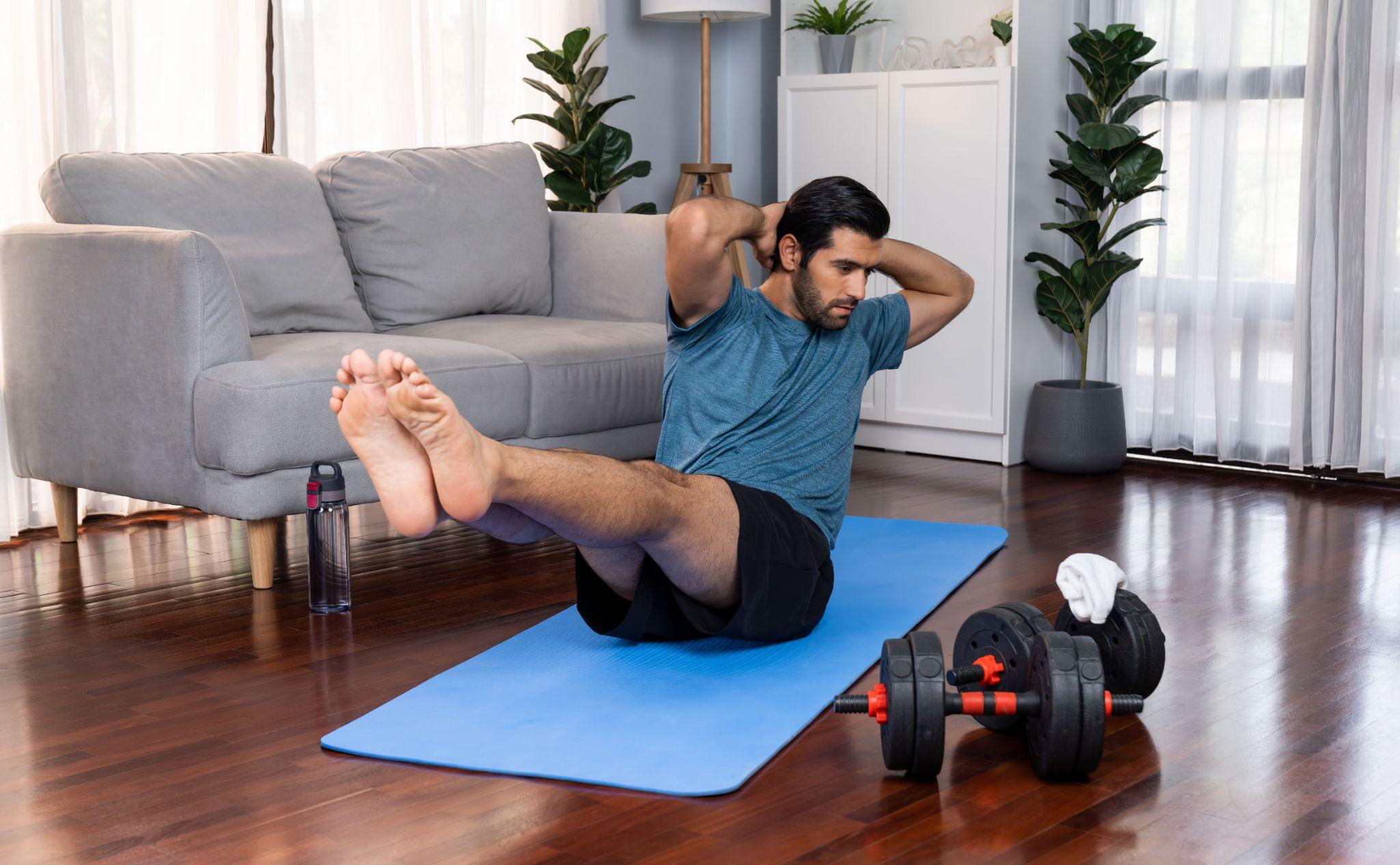
The correct approach is graded exercise — progressive physical activity, carefully titrated to stay within the threshold that triggers post-exertional malaise. Start very low (a five-minute walk) and increase by no more than 10 to 15 percent per week. Aquatic exercise is particularly useful because water supports body weight, reducing the load on sensitive joints while allowing movement.
The cardinal rule: activity should be manageable on the day and not cause a two-day crash of fatigue and pain. This threshold — rather than a fixed exercise prescription — guides progression.
2. Vitamin D and Micronutrient Correction
Have blood levels of Vitamin D, ferritin (iron stores), and a full blood count checked. Deficiencies are near-universal in Indian post-COVID patients and directly contribute to musculoskeletal symptoms. Correcting Vitamin D deficiency (supplementation to achieve levels above 30 ng/mL) produces measurable improvement in pain and fatigue in patients where deficiency is driving the symptoms.
3. Anti-Inflammatory Diet
Reducing the dietary inflammatory load helps modulate the chronic low-grade inflammation driving symptoms. Practical changes: reduce ultra-processed foods, refined sugar, and seed oils high in omega-6 (sunflower, refined soybean). Increase oily fish, walnuts, flaxseed, turmeric, and colourful vegetables. These are dietary changes achievable within an Indian kitchen without exotic ingredients.
4. Sleep Optimisation
Sleep disruption both results from and perpetuates musculoskeletal pain sensitisation. Poor sleep lowers pain thresholds — making the same joint feel more painful after a bad night than a good one. Sleep hygiene, management of COVID-related anxiety (also common in long COVID), and where necessary, low-dose medication for sleep support should be addressed as part of the overall programme.
5. Pain Management
For most patients, NSAIDs provide useful symptom relief during flares. They should be used judiciously — for symptomatic management during activity or bad days — rather than as a daily baseline medication indefinitely. Discuss appropriate pain management strategy with Dr. Ankur Singh or your physician.
When to Seek Orthopedic Assessment in Noida
Most patients with post-COVID musculoskeletal symptoms do not need orthopaedic surgery. What they need is accurate diagnosis (to distinguish functional syndrome from structural pathology), appropriate investigation, and a structured management plan.
See Dr. Ankur Singh if:
- Joint pain has persisted for more than six months after COVID recovery
- There is objective joint swelling or warmth (not just pain)
- Pain is localised to a specific joint and accompanied by mechanical symptoms (locking, giving way)
- An MRI or X-ray has been ordered and shows findings that need specialist interpretation
- You are an active person whose post-COVID symptoms are significantly preventing return to sport or physical work
To book a consultation at Renew Orthopedic Clinic, Sector 47 Noida, call the number listed on this website.
Frequently Asked Questions
1. Will post-COVID joint pain eventually go away on its own?
For most patients with functional post-COVID musculoskeletal syndrome, symptoms do improve over time — but this often takes 12 to 24 months rather than the weeks patients expect. Active management (graded exercise, micronutrient correction, anti-inflammatory diet) consistently produces faster and more complete recovery than passive waiting.
2. Can COVID cause permanent joint damage?
In patients with functional syndrome (no structural pathology), the answer is no — the joints are structurally intact. In the small proportion who develop post-COVID inflammatory arthritis, there is a potential for structural joint damage if the inflammation is not adequately controlled with disease-modifying medication — similar to other forms of inflammatory arthritis.
3. Does COVID make pre-existing arthritis worse?
Yes, frequently. Patients with pre-existing osteoarthritis often describe a clear worsening of their joint symptoms during and after COVID. The systemic inflammatory response superimposed on pre-existing joint disease amplifies the pain signal considerably. These patients typically return toward their pre-COVID baseline over six to twelve months with appropriate management.
Dr. Ankur Singh | Best Orthopedic Surgeon in Noida | Post-COVID Joint Pain | Long COVID Musculoskeletal Treatment Noida | KDSG Superspeciality Hospital Greater Noida
Medical Disclaimer
The information provided on this website is for educational purposes only and should not be considered as medical advice. Please consult Dr. Ankur Singh or a qualified healthcare professional for personalized medical guidance.
Share this blog:
 Copy
Copy