Chauffeur’s Fracture: Understanding This Wrist Injury

Person with a bandaged wrist after a wrist injury or fracture.
Wrist injuries are common after falls, sports accidents, or road mishaps, but some fractures are more serious than they first appear. One such injury is Chauffeur’s fracture. It affects the radial styloid, which is the outer portion of the radius bone near the wrist joint. Even though the injury sounds uncommon, it can cause significant pain, swelling, and difficulty moving the hand if not treated properly.
A Chauffeur’s fracture usually happens because of direct impact or pressure on the wrist. The condition was originally seen in chauffeurs who hand-cranked cars, in which the crank could suddenly kick back and strike the wrist. Today, the injury is most often linked to falls, sports injuries, or accidents involving sudden force on the hand.
Since the wrist plays an important role in almost every daily activity, even a small fracture can affect movement, grip strength, and comfort. Proper diagnosis and timely orthopedic care are important to avoid long-term stiffness or weakness.
In this guide, let’s understand what Chauffeur’s fracture is, its causes, symptoms, treatment options, and when to seek orthopedic care from Dr. Ankur Singh in Noida.
What Is A Chauffeur’s Fracture
A Chauffeur’s fracture is a break in the radial styloid process, which is the pointed section of the radius bone located near the thumb side of the wrist. It is considered a type of distal radius fracture.
The injury usually occurs when a strong force travels through the wrist joint during a fall or direct trauma. In many cases, the fracture may also involve nearby ligaments or soft tissues, making movement painful and unstable.
This type of fracture can vary from a simple crack to a displaced break where the bone fragments shift out of place. Proper evaluation is necessary to determine the severity of the injury and the best treatment approach.
Common Causes Of Chauffeur’s Fracture
Several situations can place sudden pressure on the wrist and lead to this fracture.
1. Falls On An Outstretched Hand
One of the most common causes is falling forward and trying to break the fall using the hand. The impact force travels through the wrist and can fracture the radial styloid.
2. Sports Injuries
High-impact sports like cricket, football, basketball, cycling, or skating can result in wrist trauma during collisions or falls.
3. Road Traffic Accidents
Motorbike or car accidents often place direct pressure on the wrist during impact, increasing the risk of fractures.
4. Direct Blow To The Wrist
A sudden hit or force directly over the thumb side of the wrist can crack the radial styloid bone.
5. Workplace Injuries
Heavy lifting accidents or machinery-related injuries may also lead to wrist fractures in some individuals.
Symptoms Of Chauffeur’s Fracture
The symptoms can appear immediately after the injury and may worsen with movement.
- Wrist Pain: Pain is usually felt on the thumb side of the wrist and becomes more intense while moving or gripping objects.
- Swelling Around the Wrist: Inflammation and swelling commonly develop within a few hours after injury.
- Bruising or Tenderness: The injured area may appear bruised and feel sensitive to touch.
- Difficulty Moving the Wrist: Simple activities like rotating the wrist, lifting items, or holding objects may become painful.
- Weak Grip Strength: The patient may notice reduced hand strength due to pain and instability.
- Visible Deformity In Severe Cases: If the fracture is displaced, the wrist may appear misaligned or uneven.
How Chauffeur’s Fracture Is Diagnosed
Orthopedic evaluation is important to confirm the fracture and identify associated injuries.
- Physical Examination: The doctor checks for swelling, tenderness, range of motion, and wrist stability.
- X-Ray Imaging: X-rays help identify the location and severity of the fracture. They also show whether the bone fragments have shifted.
- CT Scan In Complex Cases: In complicated injuries, a CT scan may be recommended to assess joint involvement or multiple fracture fragments.
For proper diagnosis and effective orthopedic care, patients can consult Dr. Ankur Singh in Noida for detailed evaluation and treatment planning.
Treatment Options For Chauffeur’s Fracture
The treatment depends on the severity and alignment of the fracture.
1. Wrist Immobilization
A cast or splint is used to keep the wrist stable and prevent further movement during healing.
2. Pain Management
Medications may help reduce pain and swelling during the recovery phase.
3. Rest And Activity Restriction
Avoiding heavy lifting or wrist strain helps the bone heal properly.
4. Physiotherapy After Healing
Once the bone starts healing, physiotherapy helps restore flexibility, movement, and strength.
5. Internal Fixation Surgery
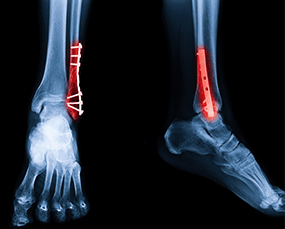
Metal plates, screws, or pins are used to hold the broken bone fragments in proper alignment.
6. Joint Stabilization
If ligaments or surrounding structures are affected, additional stabilization procedures may be required.
7. Post-Surgical Rehabilitation
Rehabilitation exercises help regain wrist mobility and reduce stiffness after surgery.
Recovery After Chauffeur’s Fracture
Recovery time depends on the severity of the injury and the treatment method.
- Healing Duration: Most fractures heal within 6-8 weeks, though complete recovery may take longer in severe cases.
- Importance of Rehabilitation: Regular exercises and guided physiotherapy improve wrist flexibility and strength during recovery.
- Avoiding Early Strain: Returning to heavy physical activities too soon may delay healing or cause reinjury.
- Follow-Up Orthopedic Care: Routine follow-ups help monitor bone healing and ensure proper wrist function.
Possible Complications If Left Untreated
Ignoring a wrist fracture can lead to long-term problems.
- Chronic Wrist Pain: Improper healing may result in ongoing discomfort during movement.
- Reduced Wrist Mobility: Untreated fractures can cause stiffness and limited motion.
- Weak Grip Strength: The hand may lose strength and stability over time.
- Arthritis Risk: Damage involving the wrist joint may increase the chance of developing arthritis later.
- Improper Bone Alignment: Poorly healed fractures can affect wrist structure and functionality.
Tips To Prevent Wrist Fractures
While accidents cannot always be avoided, certain precautions may reduce injury risk.
- Wear protective wrist guards during sports or cycling.
- Maintain balance and strength through regular exercise.
- Use proper safety equipment at the workplace.
- Avoid slippery surfaces and unsafe walking conditions.
- Strengthen bones with a healthy diet rich in calcium and vitamin D.
When To See An Orthopedic Specialist
Medical attention should be taken immediately if:
- Severe wrist pain develops after a fall or accident.
- Swelling and bruising continue to increase.
- Wrist movement becomes difficult.
- The hand feels weak or numb.
- A visible deformity appears around the wrist.
Early treatment improves healing and helps restore proper hand function faster.
Final Thoughts
A Chauffeur’s fracture may seem like a small wrist injury initially, but without timely treatment, it can affect movement, grip strength, and daily activities for a long time. Proper orthopedic care helps the bone heal correctly and reduces the risk of future complications.
Dr. Ankur Singh in Noida provides comprehensive evaluation and treatment for wrist fractures and orthopedic injuries. With proper diagnosis, personalized treatment plans, and rehabilitation guidance, patients can recover safely and regain comfortable wrist movement for everyday life.
Medical Disclaimer
The information provided on this website is for educational purposes only and should not be considered as medical advice. Please consult Dr. Ankur Singh or a qualified healthcare professional for personalized medical guidance.
Share this blog:
 Copy
Copy


/13.jpg)

