Bone health in women after menopause

Senior woman experiencing knee pain after menopause
Most women don't think about their bones until something breaks. That's the uncomfortable truth I see in my practice at KDSG Superspeciality Hospitals, Noida. A woman in her late 50s comes in after a minor fall -- maybe she slipped on a wet floor or tripped on a step -- and the X-ray shows a wrist fracture. The fall wasn't hard enough to break a healthy bone. But her bones aren't healthy anymore, and she had no idea.
After menopause, the decline in estrogen triggers rapid bone loss that most women simply aren't prepared for. The bone density you've built over decades can erode significantly within just 5-7 years of menopause. Understanding why this happens and what you can do about it makes the difference between an active, independent life and one limited by fractures and chronic pain.
Understanding the link between menopause and bone health
How menopause affects bones
Estrogen does far more than regulate your menstrual cycle. It acts as a protector for your skeleton. Throughout your reproductive years, estrogen helps maintain the balance between bone-building cells (osteoblasts) and bone-resorbing cells (osteoclasts). When estrogen levels drop during menopause, this balance tips sharply toward bone breakdown.
The numbers tell a stark story. Women can lose up to 20% of their bone density in the first 5-7 years after menopause. That's not a gradual decline -- it's a steep drop. The fastest bone loss happens in the first 2-3 years after periods stop, which is exactly when most women aren't paying attention because they're dealing with hot flashes, mood changes, and sleep disruption.
I tell my patients: your bones are silently weakening while you're focused on the symptoms you can feel. The areas most affected are the hip, spine, and wrist -- the three places where osteoporotic fractures most commonly occur.
Why bone density matters
Bone density is a measurement of the mineral content packed into your bones. Think of it like the difference between a solid wooden door and a hollow-core interior door. From the outside, they look similar. But apply force, and the hollow one gives way.
Low bone density means your bones have become more porous, more brittle, and more likely to fracture under stress that a healthy bone would handle without trouble. A DEXA scan (Dual-Energy X-ray Absorptiometry) measures this density and assigns you a T-score:
- T-score above -1.0: Normal bone density
- T-score between -1.0 and -2.5: Osteopenia (early bone loss)
- T-score below -2.5: Osteoporosis
I recommend that every woman get her first DEXA scan within a year of menopause, or at age 50, whichever comes first. If you have risk factors (family history, low body weight, smoking, steroid use), screening should start even earlier.
Common bone problems after menopause
1. osteoporosis
Osteoporosis is the most serious bone condition women face after menopause. It's often called a "silent disease" because there are no symptoms until a fracture happens. No pain, no warning signs, no hint that your skeleton is weakening from the inside.
By the time osteoporosis causes a fracture, significant bone loss has already occurred. Hip fractures are particularly devastating -- about 20% of older adults who sustain a hip fracture die within a year, and many who survive never regain full independence. These aren't statistics meant to frighten you. They're the reason early detection and prevention matter so much.
2. osteopenia
Osteopenia sits between normal bone density and osteoporosis. It's not a disease in itself -- it's a warning. About half of all women over 50 have osteopenia. If caught at this stage, you can take steps to slow or even reverse bone loss before it progresses to osteoporosis.
In my practice, I consider an osteopenia diagnosis a window of opportunity. The interventions that work at this stage -- diet changes, exercise, supplements, lifestyle modifications -- are simpler and less aggressive than what's needed once osteoporosis has set in.
3. increased risk of fractures
Post-menopausal women are significantly more prone to fractures, especially in three areas:
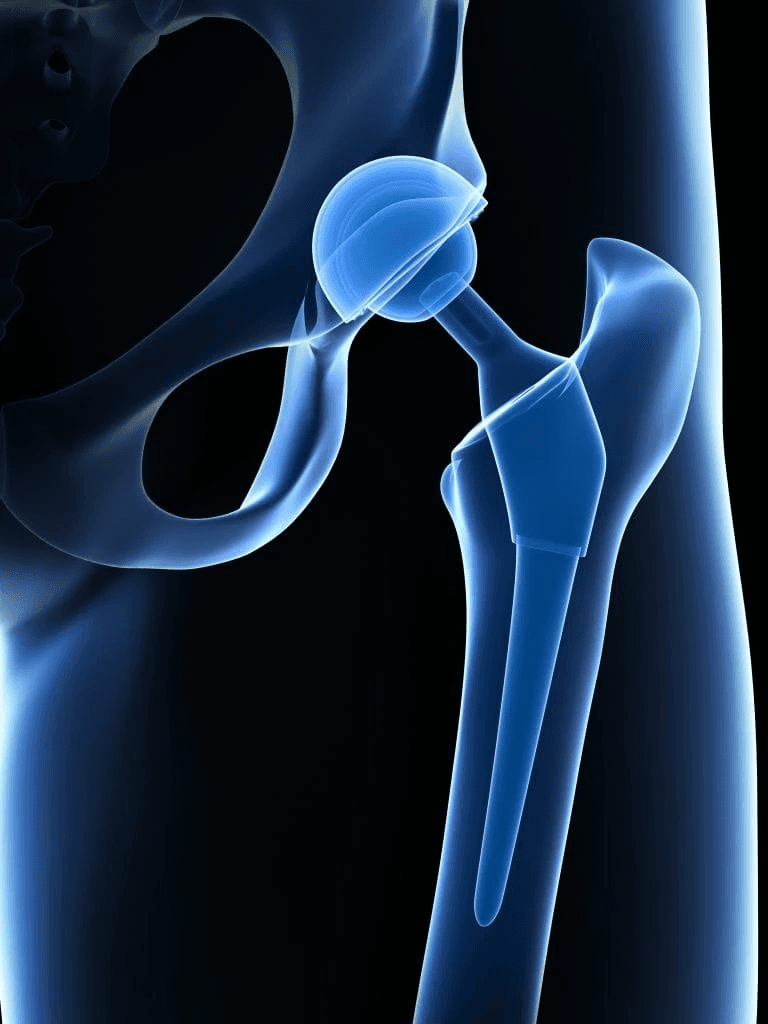
- Hip: The most dangerous. Recovery requires surgery and months of rehabilitation. Many patients need walking aids permanently.
- Spine (vertebral compression fractures): These often happen without a specific injury. You might notice you're getting shorter or developing a rounded upper back. Some women lose 2-3 inches of height over a decade from repeated spinal compression fractures.
- Wrist: The most common osteoporotic fracture. Typically happens when you catch yourself during a fall.
Risk factors that affect bone health in women
Some factors are within your control. Others aren't. Knowing which is which helps you focus your efforts where they'll make a difference.
Factors you can't change:
- Early menopause (before age 45) or surgical menopause
- Family history of osteoporosis or hip fracture
- Small, thin body frame
- Ethnicity (South Asian and Caucasian women are at higher risk)
Factors you can control:
- Low calcium and vitamin D intake
- Sedentary lifestyle with little weight-bearing exercise
- Smoking (reduces estrogen levels and impairs calcium absorption)
- Excessive alcohol consumption (more than 2 drinks daily)
- Long-term use of corticosteroids or certain other medications
- Very low body weight
If you have two or more risk factors from either list, bone density screening should be a priority.
How to improve bone health after menopause
1. calcium-Rich diet for strong bones
Your body needs about 1,200 mg of calcium daily after menopause -- roughly 200 mg more than what was sufficient before. Your intestines also become less efficient at absorbing calcium as you age, so dietary intake needs to increase.
Good calcium sources (with approximate calcium content):
- 1 cup milk or yogurt: 300 mg
- 50g paneer: 250 mg
- 1 cup cooked ragi (finger millet): 350 mg
- 2 tablespoons sesame seeds (til): 180 mg
- 1 cup cooked spinach or amaranth leaves: 200 mg
- 30g almonds: 75 mg
- Fortified orange juice (1 cup): 300 mg
A practical approach: have a glass of milk or a bowl of yogurt with both lunch and dinner, snack on almonds, and include ragi in your diet 3-4 times a week. If your diet consistently falls short, a calcium supplement can bridge the gap -- but food sources are always preferable because the calcium is better absorbed.
One mistake I see frequently: taking the entire day's calcium supplement in one dose. Your body can only absorb about 500 mg of calcium at a time. Split your supplement into two doses, taken with meals.
2. vitamin D for better calcium absorption
Without adequate vitamin D, your body absorbs only 10-15% of dietary calcium. With sufficient vitamin D, absorption jumps to 30-40%. That's a massive difference.
Despite living in a sunny country, vitamin D deficiency is remarkably common in Indian women. Many of my patients test below 20 ng/mL (normal is 30-50 ng/mL). The reasons are familiar: limited sun exposure, excessive use of sunscreen, and staying indoors during peak sunlight hours.
How to get enough vitamin D:
- 15-20 minutes of direct sunlight on arms and face, ideally between 10 AM and 2 PM, at least 4-5 days a week
- Vitamin D-rich foods: egg yolks, fatty fish (salmon, mackerel), fortified milk
- Supplements: 1000-2000 IU daily for most women; higher doses if your levels are severely low (your doctor should test and advise)
I recommend getting your vitamin D levels checked at least once a year. It's a simple blood test, and correcting a deficiency can make a measurable difference in bone density.
3. weight-Bearing exercises
When you put stress on your bones through weight-bearing activity, your body responds by strengthening those bones. Bones adapt to the forces placed on them -- this is called Wolff's Law, and it works at every age.
Exercises that build bone density:
- Brisk walking (30-40 minutes, 5 days a week)
- Stair climbing
- Light jogging (if your joints allow it)
- Yoga -- particularly weight-bearing poses like Warrior, Tree, and Chair pose
- Strength training with light weights or resistance bands (2-3 times per week)
- Dancing
What doesn't help as much: Swimming and cycling. Both are excellent for cardiovascular health, but because the water or bicycle supports your body weight, they don't load your bones enough to stimulate bone growth.
Consistency matters more than intensity. A 30-minute walk five days a week does more for your bones than an intense 2-hour gym session once a week.

Woman performing weight-bearing exercise to improve bone health after menopause
4. maintain a healthy body weight
Being underweight (BMI below 18.5) is a clear risk factor for osteoporosis. Less body mass means less mechanical stress on bones, which means less stimulus for bones to maintain their density. Underweight women also tend to have lower estrogen levels, compounding the problem.
On the other end, obesity creates its own set of issues. Excess weight stresses the joints -- particularly the knees and hips -- and can lead to reduced physical activity, which in turn accelerates bone loss. Some studies also suggest that visceral fat (fat around the organs) may actually harm bone health.
The target: maintain a healthy BMI between 20 and 25 through balanced nutrition and regular exercise.
5. regular bone density screening
DEXA scans are painless, quick (about 10-15 minutes), and use very low radiation. I recommend the following screening schedule:
- First scan: At menopause or age 50 (earlier if you have risk factors)
- Follow-up scans: Every 2 years if your initial results are normal; annually if osteopenia or osteoporosis is detected
- After starting treatment: A repeat scan at 1-2 years to assess whether treatment is working
These scans give us concrete numbers to work with. Without them, we're guessing.
Medical management for bone health in women
When lifestyle measures alone aren't enough, several medical options can help preserve or rebuild bone density.
Medications your doctor may consider:
- Bisphosphonates (like alendronate or risedronate): The most commonly prescribed osteoporosis medications. They slow bone breakdown. Available as weekly or monthly tablets, or yearly intravenous infusions.
- Selective Estrogen Receptor Modulators (SERMs): Mimic estrogen's protective effect on bones without some of the risks of hormone therapy.
- Calcitonin: A hormone that helps regulate calcium levels and slow bone loss. Usually reserved for women who can't take other medications.
- Denosumab: An injectable medication given every 6 months. Effective for women with high fracture risk.
Hormone Replacement Therapy (HRT): Estrogen therapy can slow bone loss and reduce fracture risk. But it carries other health considerations that need careful discussion with your doctor. HRT is typically considered for women in early menopause (within 10 years of menopause onset) who also need relief from menopausal symptoms.
Every treatment decision should be individualized. What works for your neighbor or your sister may not be appropriate for you. A detailed evaluation -- including your DEXA results, blood tests, medical history, and personal risk factors -- should guide the plan.

Woman exercising in park to support bone health in women after menopause
Signs that You should Not ignore
Bone loss itself is painless. But there are warning signs that suggest your bones may already be weakening:
- Gradual loss of height: If you're shorter than you were at age 40, vertebral compression fractures may be the cause. Losing even 1-2 cm warrants investigation.
- Developing a stooped posture: A rounded upper back (kyphosis) often results from multiple small spinal fractures.
- Unexplained back pain: Especially in the mid or lower back, which may indicate a vertebral fracture.
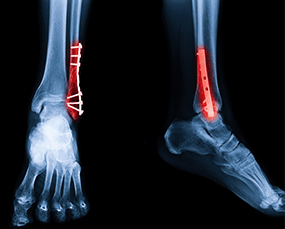
- A fracture from a minor fall: Breaking a bone from a fall from standing height or less is not normal. It suggests significantly weakened bones.
- Receding gums and loose teeth: Jaw bone loss can be an early indicator of systemic bone loss.
If any of these apply to you, a bone density evaluation should be your next step.
Preventive care Is the Key
The best time to build bone density is before age 30 -- that's when your skeleton reaches its peak strength. The second-best time is right now. Every year of active bone care after menopause reduces your fracture risk.
A practical prevention plan includes:
- Adequate calcium (1,200 mg daily from food and supplements combined)
- Sufficient vitamin D (tested and supplemented as needed)
- Regular weight-bearing exercise (30+ minutes, most days)
- Avoiding smoking and limiting alcohol
- Fall-proofing your home (removing loose rugs, improving lighting, installing grab bars in bathrooms)
- Getting your bone density tested on schedule
Fall prevention deserves special attention. Most osteoporotic fractures happen because of falls, not because bones spontaneously break. Good lighting, non-slip footwear, cleared walkways, and exercises that improve balance (tai chi, single-leg stands) can reduce your fall risk substantially.
When to consult a specialist
Schedule an appointment with an orthopedic specialist if:
- You're post-menopausal and haven't had a bone density test
- Your DEXA scan shows osteopenia or osteoporosis
- You've had a fracture from a minor injury
- You're losing height or developing a stooped posture
- You have chronic back pain without a clear cause
- You've been on corticosteroids for more than 3 months
- You have a strong family history of osteoporosis
At KDSG Superspeciality Hospitals in Noida, I see women at every stage of bone health -- from early screening to managing established osteoporosis. A thorough evaluation includes a DEXA scan, blood tests for calcium, vitamin D, thyroid function, and other relevant markers, followed by a personalized treatment plan that fits your life.
Bone loss after menopause is inevitable to some degree. But the rate and severity of that loss -- and whether it leads to fractures and disability -- is largely within your control. The women who do best are the ones who take action early, stay consistent with their prevention plan, and seek expert guidance when they need it.
If you're in Noida or the surrounding NCR area and concerned about your bone health, Dr. Ankur Singh at KDSG Superspeciality Hospitals provides thorough bone health evaluations and individualized care plans for women at every stage of menopause.
Medical Disclaimer
The information provided on this website is for educational purposes only and should not be considered as medical advice. Please consult Dr. Ankur Singh or a qualified healthcare professional for personalized medical guidance.
Share this blog:
 Copy
Copy



/male-bandaged-hand-holds-xray-image-closeup-compressed.jpg)