Does Chai Tea Cause Joint Inflammation? The Honest Answer
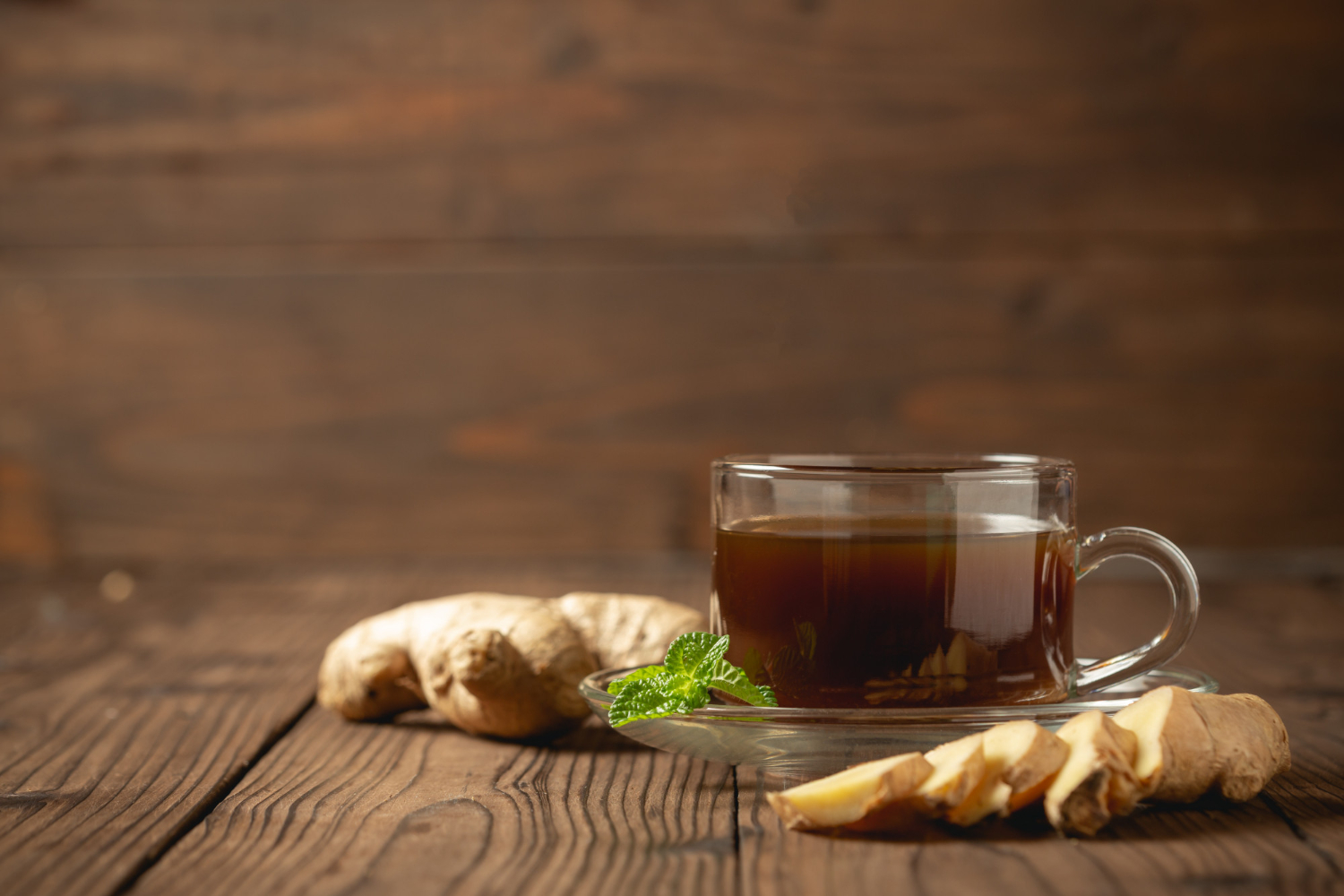
A cup of ginger tea with fresh ginger slices.
There are two camps in the chai-and-arthritis conversation in India. The first says chai is inflammatory — the milk, the sugar, the spices — and should be reduced if your joints hurt. The second says chai is anti-inflammatory because of the polyphenols in tea. Both camps often state their positions with more confidence than the evidence supports.
The honest answer, which is also the most useful one, is significantly more nuanced: the effect of chai on joint health depends on how it is made, how much is consumed, what else is in the diet, and which specific aspect of chai we are analysing. The tea component, the milk component, the sugar component, and the spice component all have different and sometimes opposing effects.
Here is the breakdown that most Indian patients and most Indian health influencers have not actually done carefully.
The Tea Component: Genuinely Anti-Inflammatory
Black tea — the base of all masala chai — contains a family of plant polyphenols called theaflavins and thearubigins (formed during the oxidation of green tea to black tea). These have documented anti-inflammatory properties:
-
Inhibition of COX-2: The same enzyme pathway that NSAIDs (like ibuprofen) inhibit. Tea polyphenols suppress this pathway, reducing the production of prostaglandins that sensitise pain receptors in joints.
-
Antioxidant activity: Tea polyphenols are among the most potent naturally occurring antioxidants, scavenging the reactive oxygen species (free radicals) that contribute to joint tissue damage in inflammatory arthritis.
-
Epigallocatechin gallate (EGCG): Most abundant in green tea but present in smaller amounts in black tea. EGCG specifically inhibits MMP-13, an enzyme that degrades cartilage collagen. Multiple in vitro and animal studies show EGCG suppresses articular cartilage degradation.
Population-level data: A large UK Biobank study (over 500,000 participants) found that moderate tea drinkers (2 to 4 cups daily) had lower levels of circulating inflammatory markers than non-tea drinkers. Epidemiological data from South Asian populations — including Indian studies — consistently shows that moderate tea consumption is not associated with higher arthritis risk; in some analyses, the opposite association is found.
The conclusion on the tea component: The black tea in chai has genuine anti-inflammatory properties that are relevant to joint health. This component of chai is beneficial, not harmful.
The Milk Component: Context-Dependent
Dairy milk contains:
- Protein: Complete protein with essential amino acids — beneficial for bone and muscle health
- Calcium: Directly relevant to bone mineralisation
- Saturated fat: The component that drove "milk is inflammatory" claims
The saturated fat concern comes from the claim that saturated fat increases systemic inflammation. This was more confidently stated in nutritional epidemiology 20 years ago than it is today. Current evidence is considerably more nuanced:
Full-fat dairy consumption, in multiple large prospective cohort studies, has not been consistently associated with elevated inflammatory markers or increased arthritis progression. A systematic review of dairy and inflammation (2019, Advances in Nutrition) found that dairy consumption, including full-fat dairy, had either neutral or anti-inflammatory effects in the majority of studies examined.
The specific context of masala chai: most Indians add 50 to 100 ml of full-fat milk per cup of chai. This is a relatively modest amount. The inflammatory concern about dairy is primarily relevant at very high consumption levels or in individuals with dairy sensitivity.
For patients with rheumatoid arthritis: There is some evidence that casein (a milk protein) can trigger immune responses in a subset of RA patients — particularly those with casein-specific IgG antibodies. If you have RA and notice symptom worsening with dairy, eliminating dairy for 4 weeks as a trial is worth attempting. For osteoarthritis patients, dairy is not a meaningful concern.
The conclusion on the milk component: For most Indian adults with osteoarthritis, moderate milk in chai is not contributing to joint inflammation. For RA patients with dairy sensitivity, it may be worth testing elimination.
The Sugar Component: The Most Legitimate Concern
This is where the chai conversation deserves more honesty than it usually receives.
The average Indian cup of masala chai contains 2 to 3 teaspoons of sugar (8 to 12 grams). Three to four cups daily — the typical Indian chai consumption — delivers 24 to 48 grams of added sugar from chai alone.
The recommended daily limit for added sugar (WHO guidelines) is 25 grams for adults. The average Indian chai drinker may be exceeding this limit from chai alone before accounting for any other dietary sugar sources.
Why added sugar matters for joint health:
- High sugar intake promotes advanced glycation end products (AGEs) — compounds formed when sugar reacts with proteins that drive oxidative stress and inflammation throughout the body, including in joint tissue
- Excess sugar drives weight gain and obesity — each kilogram of additional body weight adds 4 kilograms of load to the knee per step. The indirect joint effect of chronic sugar-driven weight gain is larger than any direct inflammatory effect of the tea.
- High sugar intake is associated with elevated CRP (C-reactive protein) — a key marker of systemic inflammation — in population studies
The conclusion on sugar: The sugar added to Indian chai is the most legitimate concern for joint health — not the tea, not the milk. The way to make chai genuinely joint-friendly is to reduce the sugar, not to eliminate the tea.
The Spice Component: Actively Beneficial
Traditional masala chai spices — ginger, cardamom, cinnamon, cloves — are a pharmacological gift for joint health.
Ginger (adrak): Contains gingerols and shogaols with well-documented anti-inflammatory effects. Ginger inhibits both COX and LOX inflammatory pathways — a broader anti-inflammatory action than most NSAIDs. A 2015 RCT in Arthritis & Rheumatology found that daily ginger supplementation reduced knee osteoarthritis pain and stiffness scores significantly compared to placebo. The amount of ginger in masala chai varies, but any inclusion contributes meaningfully.
Cardamom (elaichi): Contains cineole and other terpenes with antioxidant properties. Anti-inflammatory in animal models.
Cinnamon (dalchini): Contains cinnamaldehyde and procyanidins with moderate anti-inflammatory activity. Also has demonstrated effects on blood glucose regulation.
Cloves (laung): Contains eugenol — one of the most potent anti-inflammatory and analgesic plant compounds. Eugenol is the active ingredient in clove oil used in dentistry for pain relief.
The conclusion on spices: Masala chai's spice blend is an anti-inflammatory mix. The more spice-forward the chai, the greater the potential anti-inflammatory contribution.
Green Tea vs Black Tea for Joint Health
If you are specifically interested in maximising the joint health benefit of tea, green tea is superior to black tea:
- Green tea retains higher levels of EGCG (which is partially degraded during black tea's oxidation process)
- Green tea's anti-inflammatory and cartilage-protective evidence base is more robust than black tea's
However, green tea is not Indian chai — the cultural and practical question of whether to replace masala chai with green tea is not purely a joint health decision. What the evidence supports is: if you drink chai, the tea component itself is not hurting your joints. If you add green tea to your day as an additional beverage, it provides additional anti-inflammatory compounds.
The Bottom Line for Indian Chai Drinkers with Joint Pain
| Component | Effect on Joints | Recommendation |
| Black tea | Anti-inflammatory (polyphenols) | Keep it — beneficial |
| Milk (moderate) | Neutral to mildly beneficial | No concern for OA patients |
| Sugar (high) | Pro-inflammatory + weight gain | Reduce significantly |
| Masala spices (ginger, cardamom, cinnamon) | Anti-inflammatory | Use generously |
The practical recommendation: Reduce the sugar in your chai to half a teaspoon or less per cup, add more ginger and other spices, and continue drinking chai. The tea with its spices is not the joint problem. The sugar may be.
The patients in Dr. Ankur Singh's practice in Noida who report that "chai makes my joints worse" are often describing an effect of the sugar and a very high consumption rate — 6 to 8 cups daily — rather than any harm from tea polyphenols or moderate dairy.
Frequently Asked Questions
Should I switch from chai to green tea for joint health?
Green tea contains higher levels of anti-inflammatory catechins (particularly EGCG) than black tea. Adding 1 to 2 cups of unsweetened green tea to your day provides additional joint-protective compounds. Completely replacing chai with green tea is a lifestyle choice beyond just joint health.
What about instant "ready-mix" chai powder with milk powder?
Many commercial chai mixes contain high levels of added sugar and artificial flavourings, with lower spice content than freshly brewed chai. From a joint health perspective, freshly brewed masala chai with minimal sugar is significantly better than commercial chai mixes.
I have heard turmeric milk (golden milk) is better than chai for joints. Is this true?
Turmeric contains curcumin with demonstrated anti-inflammatory properties — though the bioavailability of curcumin from turmeric milk is limited without piperine (black pepper). Turmeric milk and chai serve different purposes; they are not directly comparable. Adding a pinch of turmeric and black pepper to chai is a practical way to increase the anti-inflammatory content of the drink.
Dr. Ankur Singh | Best Orthopedic Surgeon in Noida | Anti-Inflammatory Diet India | Joint Pain Diet India | Arthritis Nutrition Noida | KDSG Superspeciality Hospital Greater Noida
Medical Disclaimer
The information provided on this website is for educational purposes only and should not be considered as medical advice. Please consult Dr. Ankur Singh or a qualified healthcare professional for personalized medical guidance.
Share this blog:
 Copy
Copy