How Many Years Does Knee Replacement Last? The Complete Answer
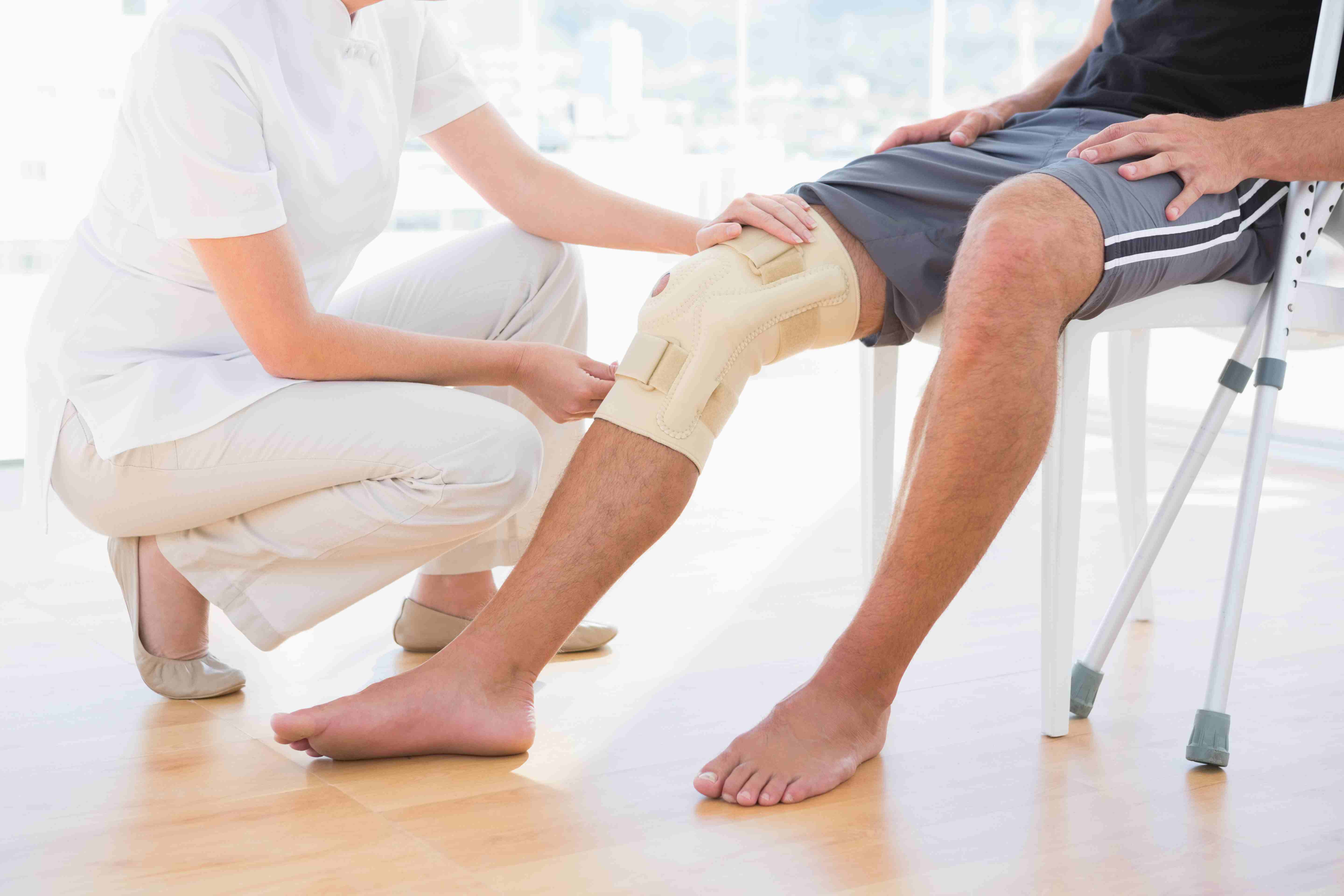
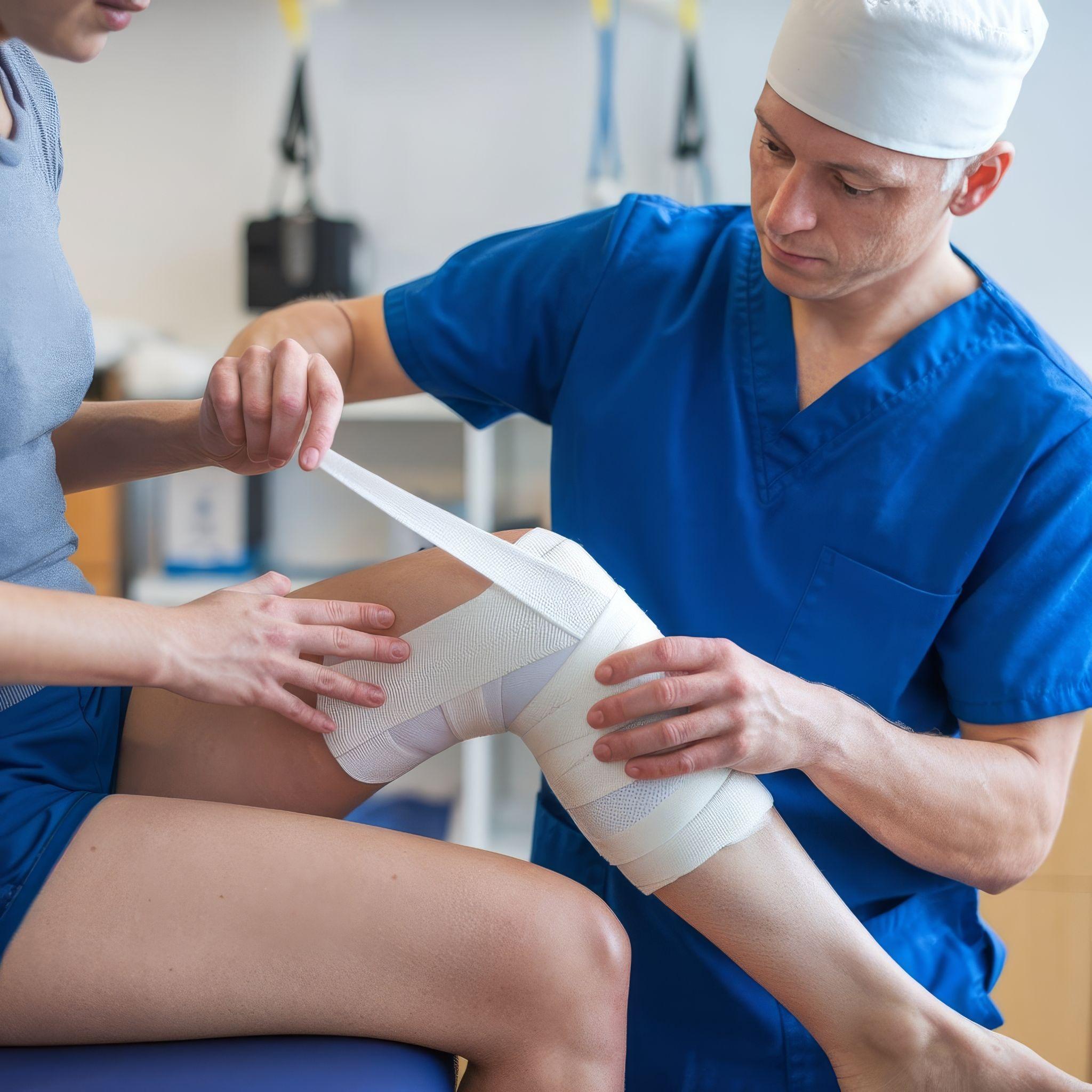
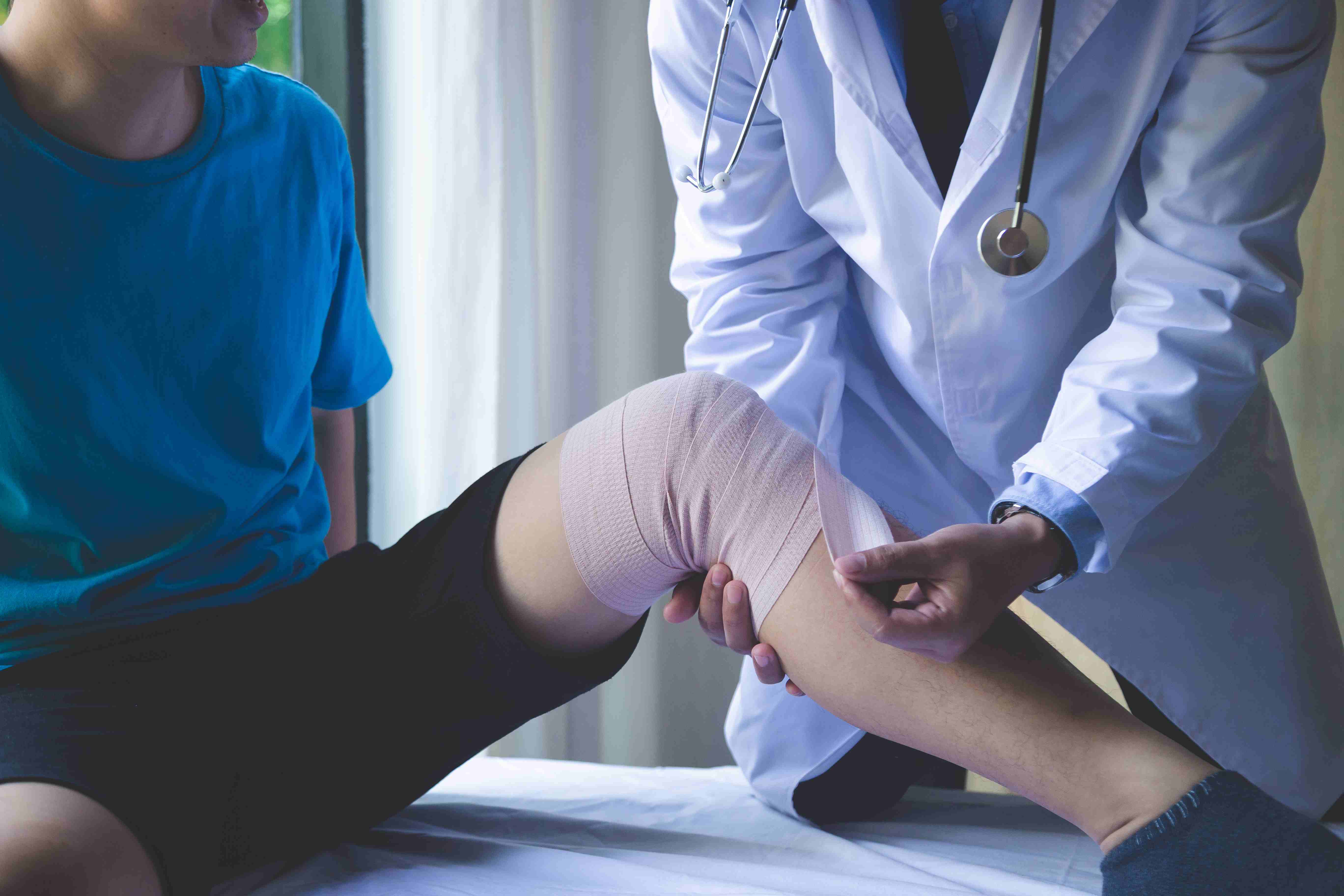
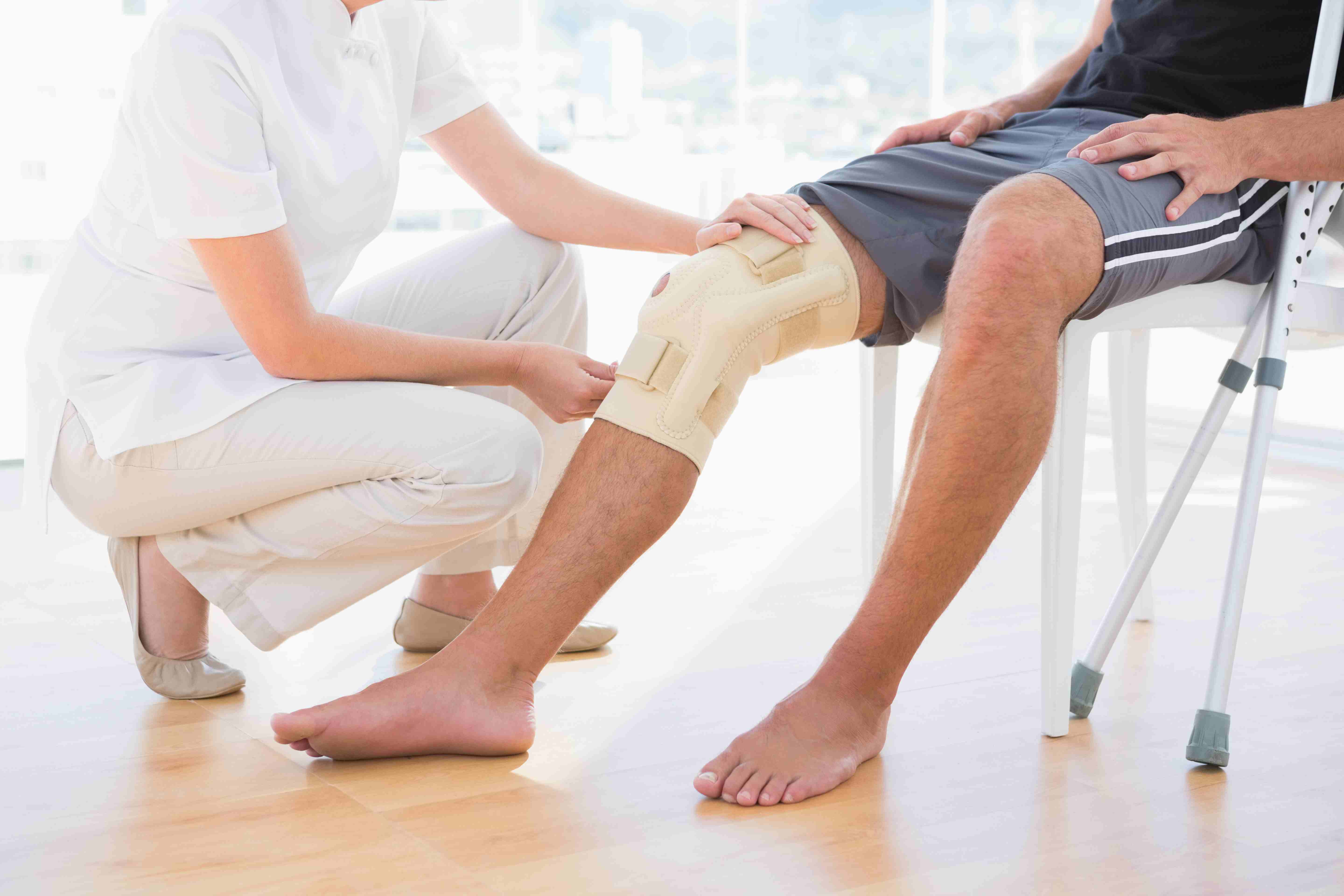
A patient is sitting with a knee brace and a doctor is examining it.
This is the question almost every knee replacement patient asks — and the answer they typically receive is either frustratingly vague ("it depends") or suspiciously optimistic ("it lasts a lifetime"). Neither is accurate.
The honest, data-backed answer is more specific, more nuanced, and ultimately more useful for patients making an informed decision.
The Population Data: What the Numbers Actually Show
Knee replacement longevity is tracked through national joint replacement registries — large databases that follow thousands or hundreds of thousands of patients over many years and record which implants are still functioning versus which have been revised (surgically removed and replaced).
The most comprehensive data comes from the Australian, Swedish, UK, and New Zealand registries — all of which have been collecting data for 20 to 30 years and represent hundreds of thousands of patients.
The summary data:
| Timepoint | Implant Survival Rate | |-----------|----------------------| | 5 years | 97 to 98% | | 10 years | 94 to 96% | | 15 years | 88 to 92% | | 20 years | 78 to 85% | | 25 years | 70 to 78% |
These figures mean: at 10 years, 94 to 96 percent of patients still have their original knee replacement without needing revision surgery. At 20 years, 78 to 85 percent still do.
What this means practically: For a 70-year-old who undergoes knee replacement with a life expectancy to 85, the 10 to 15 year survival data is the relevant figure — and it is excellent. For a 55-year-old with a 30+ year implant horizon, the 20 to 25-year data is more relevant — and indicates a meaningful proportion will need revision at some point.
The Most Important Factor: Why Some Implants Fail Earlier
Understanding what causes knee replacement failure is more useful than knowing the average survival figures, because many of the failure factors are modifiable.
1. Implant Malpositioning — The Most Preventable Cause
The most common reason for knee replacement failure that requires revision in the first 10 years is aseptic loosening — the implant gradually losing its bond to the bone. The primary driver of premature loosening is implant malpositioning: when the components are not placed at the correct mechanical alignment, they experience uneven loading that progressively loosens one side of the fixation.
A study in the Journal of Arthroplasty found that a 3-degree error in coronal alignment increases the revision risk at 5 years by approximately 1.8 times. The cumulative effect over 15 to 20 years is substantially larger.
This is where robotic guidance makes its most significant contribution. Robotic-assisted knee replacement achieves mechanical alignment within 3 degrees of the planned target in over 95 percent of cases, compared to 70 to 80 percent in conventional surgery. The projected long-term survival benefit from this accuracy is the core argument for robotic surgery in younger patients.
2. Body Weight — A Directly Modifiable Factor
Each kilogram of body weight generates approximately 4 kg of load on the knee joint per step. At 8,000 steps daily, a 5 kg weight increase generates an additional 160,000 kg of cumulative daily load on the polyethylene bearing surface of the implant.
Polyethylene wear — the gradual wearing away of the plastic component — is one of the main mechanisms of long-term implant failure. The higher the load, the faster the wear, and the shorter the implant life.
The data is clear: BMI above 35 at the time of surgery is significantly associated with reduced implant survival, higher revision rates, and shorter time to revision. This is one of the most compelling reasons for weight management before and after knee replacement.
For Indian patients specifically, where obesity rates are rising rapidly and pre-operative BMIs above 30 are common, this factor is clinically very relevant.
3. High-Impact Activity After Replacement
Running, jumping, and high-impact sports after knee replacement generate peak loads that exceed the design parameters of most implants and accelerate bearing surface wear. The restriction against these activities is not conservative overcaution — it is directly related to implant survival data.
Activities that are compatible with long implant life: walking, cycling, swimming, golf, social doubles tennis, light hiking. Activities that reduce implant life: running, basketball, football, kabaddi, martial arts, repetitive deep squatting under load.
4. Polyethylene Quality and Implant Design
The plastic component (polyethylene tibial insert) is the wearing surface of the implant. Highly cross-linked polyethylene (HXLPE), introduced in the 2000s, demonstrates dramatically lower wear rates in laboratory testing and early clinical data compared to conventional polyethylene. Most modern premium implants use HXLPE, and implants placed since 2005 are expected to show better 20 to 25-year survival than older cohorts.
5. Infection — Potentially Fatal to an Implant at Any Age
A joint infection (periprosthetic joint infection, PJI) can occur at any time after knee replacement — early (within weeks of surgery) or late (years later, from bacteraemia originating from dental procedures, urinary infections, or skin infections). Late PJI can occur a decade or more after surgery.
PJI typically requires surgical management — sometimes removal of the implant, a period without an implant while the infection is treated, then reimplantation. This is a serious complication. Patients with knee replacements should:
- Report any signs of wound infection immediately
- Inform dentists and other treating doctors that they have a joint replacement
- Consider prophylactic antibiotics before major dental procedures (as per rheumatological guidelines)
- Ensure any significant systemic infection (dental abscess, urinary infection, pneumonia) is promptly and completely treated
What Changes the Individual Patient's Outcome
The population statistics are useful context, but what matters for any individual patient is their specific combination of risk factors. The factors that most affect your specific implant's longevity:
Factors favouring longer implant life:
- Normal or near-normal BMI
- Well-controlled or absent medical comorbidities
- Robotic-guided surgery with verified optimal alignment
- Premium implant components (HXLPE bearing)
- Consistent avoidance of high-impact activities
- Good bone density at the time of surgery
Factors that reduce implant life:
- BMI above 35
- Continued high-impact activity after surgery
- Poorly controlled diabetes (which impairs bone-implant integration and increases infection risk)
- Malpositioning of the implant (reduced by robotic surgery)
- Smoker at the time of surgery (impairs bone healing around the implant)
The Revision Surgery Question: What Happens If It Fails
If a knee replacement does eventually fail — whether from loosening, wear, or infection — revision surgery is the treatment. Revision knee replacement is significantly more complex than primary surgery:
- More bone has often been lost around the loose implant
- Revision implants are larger and require more bone removal
- Recovery is longer and less predictable
- Complication rates are higher than for primary surgery
This is one of the most compelling reasons to maximise primary implant longevity. Every year of delay in revision is worthwhile — and every step taken to protect the original implant (weight management, avoiding high-impact activity, preventing infection) is directly protecting the patient from the significantly greater challenge of revision surgery.
The Indian Context: What Indian Patients Should Specifically Know
Age at surgery matters differently in India: Indian patients tend to develop symptomatic knee arthritis 10 to 15 years earlier than Western counterparts, with similar structural severity. A 55-year-old Indian patient requiring knee replacement may have a 30-year implant horizon — which makes robotic precision and weight management particularly relevant.
Indian activity pattern implications: The cultural and practical activities that Indian patients want to return to after knee replacement — floor sitting, temple visits, squatting, using Indian toilets, riding two-wheelers — each has specific biomechanical implications for the implant. The pre-operative discussion with Dr. Ankur Singh specifically covers which activities are compatible with long implant life and which should be modified.
Follow-up: Knee replacements should be followed up clinically and with X-rays at regular intervals — typically at 6 weeks, 3 months, 1 year, and then every 2 to 5 years thereafter. This surveillance detects early problems (subtle loosening, polyethylene wear progression) when they are much easier to address than when they become symptomatic.
Frequently Asked Questions
Will I need revision surgery?
Most patients whose primary knee replacement is performed in their 60s or later will not need revision — the implant will outlast them. Patients in their 50s at the time of surgery have a meaningful chance (15 to 20 percent) of needing revision at some point in their lifetime, particularly if high-impact activity or significant weight are factors.
Does the brand of implant affect how long it lasts?
Premium implant systems from established manufacturers — using modern highly cross-linked polyethylene and cementless or cemented fixation as appropriate — all perform comparably in registry data. Implant brand is less important than surgical technique, alignment, and patient factors.
Is there an age limit for knee replacement?
No. Age alone is not a contraindication. The relevant factors are medical fitness for surgery and the anticipated benefit of the procedure. Patients in their 80s with good general health and severe knee arthritis benefit from knee replacement — the surgery relieves pain and improves function even at advanced age, and implant longevity is not a primary concern at this stage of life.
Dr. Ankur Singh | Knee Replacement Specialist Noida | Knee Replacement Longevity India | Robotic Knee Replacement Sarvodaya healthcare Noida | Renew Orthopedic Clinic Sector 47 Noida
Medical Disclaimer
The information provided on this website is for educational purposes only and should not be considered as medical advice. Please consult Dr. Ankur Singh or a qualified healthcare professional for personalized medical guidance.
Share this blog:
 Copy
Copy