Pain Is Not the problem: Why modern bodies Are failing at recovery

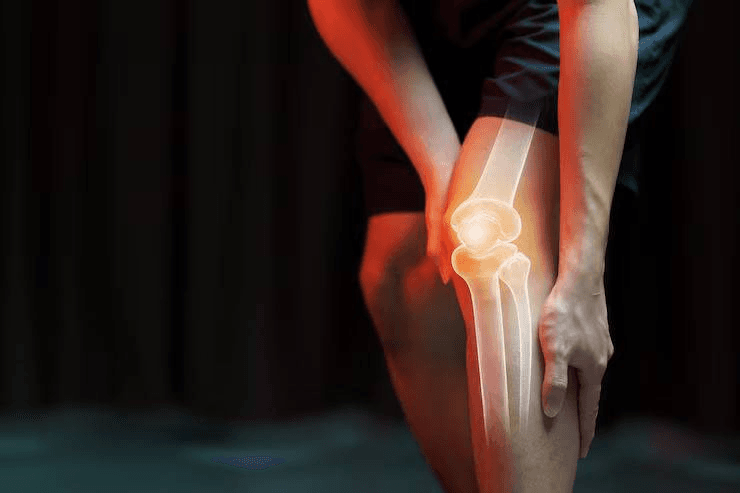
Runner holding knee due to pain or injury during recovery
A 35-year-old IT professional came to see me last month. He'd had lower back pain for two years. MRI was normal. He'd taken every painkiller, tried hot packs, cold packs, even a short course of physiotherapy. Each time, the pain would settle for a few weeks, then return.
When I asked about his daily routine, the picture became clear. He sat for 10-12 hours a day, slept 5 hours, ate irregularly, and exercised maybe once a month when guilt hit. His body wasn't broken. It just couldn't recover anymore.
This is a pattern I'm seeing more and more in my practice, especially in patients under 45. The pain isn't coming from a structural injury. It's coming from a body that has lost the ability to repair the everyday micro-damage that normal living produces. And no painkiller in the world can fix that.
Why pain keeps coming back
Your body is designed to handle stress, physical, mechanical, even emotional. Muscles get micro-tears during use, joints experience friction, discs absorb compression. Under normal circumstances, the body repairs all of this overnight. You wake up refreshed, and the cycle continues.
But that repair process depends on specific conditions: adequate deep sleep, proper nutrition, regular movement, and manageable stress levels. When those conditions aren't met — consistently, over months and years, the repair falls behind the damage. The backlog accumulates. And eventually, pain shows up as a signal that the body can't keep up.
This is why your MRI might look fine while your back screams at you every evening. The imaging shows structural damage, herniated discs, torn ligaments, broken bones. But chronic recovery failure doesn't show up on any scan. It shows up in how you feel.
What recovery actually requires
Recovery Is active, Not passive
Most patients equate recovery with rest. Lie down. Take a day off. Sleep more. And while rest is part of it, recovery is an active biological process that needs specific inputs.
During deep sleep (stages 3 and 4), your body releases growth hormone — the primary driver of tissue repair. Your muscles rebuild, joint cartilage receives nourishment, and inflammatory chemicals get cleared out. But this only happens during quality deep sleep, not just any sleep. Scrolling your phone until midnight and sleeping 6 fragmented hours doesn't cut it.
During movement, particularly low-impact activity like walking, swimming, or gentle stretching, blood flow to the joints increases, delivering oxygen and nutrients to cartilage that has no direct blood supply. Cartilage relies on a "sponge effect" — it absorbs nutrients from joint fluid when compressed and released during movement. Sitting still for hours starves it.
The recovery checklist your body needs
Sleep: 7-8 hours, in a dark room, with consistent timing. Poor sleep is probably the single biggest recovery killer I see in practice. Patients are shocked when their knee pain improves after simply fixing their sleep schedule.
Movement: 30-40 minutes of low-to-moderate activity daily. Not intense gym workouts, just walking, cycling, or swimming. Your joints need motion to stay healthy. The phrase "motion is lotion" exists for a reason.
Nutrition: Adequate protein (your muscles can't rebuild without it), vitamin D and calcium (bones and joints), omega-3 fatty acids (anti-inflammatory), and enough water. Most Indian diets are protein-deficient, and I see the effects in slow healing and persistent pain.
Stress management: Chronic mental stress keeps cortisol elevated, which directly impairs tissue repair and increases pain sensitivity. You can exercise perfectly and eat well, but if you're mentally stressed 16 hours a day, your body stays in "fight" mode instead of "repair" mode.
Why modern lifestyles break the recovery system
Prolonged sitting
The average office worker sits 8-10 hours a day. For the musculoskeletal system, this is catastrophic. Hip flexors shorten, glutes weaken, the spine stays in a flexed position, and intervertebral discs get compressed without the movement breaks they need to re-hydrate.
I tell my patients: your body doesn't care that you're working on something important. After 45 minutes of sitting, it starts to stiffen. After 2 hours, the damage accelerates. Set a timer. Stand up. Walk for 2 minutes. It sounds trivial, but doing this consistently makes a measurable difference.
Screen exposure and posture
Your head weighs about 5 kg. When it's balanced directly over your spine, the load on your neck muscles is manageable. But for every inch your head tilts forward (looking at a phone or laptop), the effective weight on your cervical spine doubles. At a typical "phone-scrolling" angle, your neck muscles are supporting 15-20 kg of effective load.
Do that for hours every day, and you get what I've started calling "modern neck syndrome", chronic pain and stiffness in the neck and upper back that doesn't respond to medication because the cause never stops.
Sleep debt
Most adults need 7-8 hours of sleep. Studies show the average Indian urban professional gets 6 hours or less. That 1-2 hour deficit might seem small, but over weeks and months, it accumulates. Your body falls further and further behind on repairs. Small aches become chronic pain. Minor injuries take weeks longer to heal.
Chronic stress
The stress response is designed for short-term emergencies. Your body floods with cortisol and adrenaline, you deal with the threat, and then the system resets. But modern stress doesn't reset — work deadlines, financial pressure, social media comparison, commuting, the cortisol stays elevated. And elevated cortisol directly suppresses the immune system's repair functions.
The real reason your scan Is normal But you're still in pain
This is the scenario I see 3-4 times a week: a patient with significant pain, but imaging that looks completely normal. No fracture. No disc herniation. No tumor. No arthritis. "Then why does it hurt, doctor?"
The answer, in many cases, is sensitization. When the body is chronically under-recovered, the nervous system becomes hyper-alert. Pain signals that would normally be filtered out start getting amplified. A normal stretch that shouldn't hurt, hurts. A position that should be comfortable becomes uncomfortable. The pain is real, absolutely real — but its source isn't tissue damage. It's a nervous system that has lost its calibration.
This is where treatment gets tricky. Painkillers address the signal, not the source. The solution isn't more medication, it's restoring the body's ability to recover and resetting the nervous system's sensitivity threshold. That requires lifestyle changes, not prescriptions.
How to restore your Body's recovery ability
Start with sleep
Fix your sleep before you fix anything else. Go to bed at the same time every night. Keep the room dark and cool. No screens for 30 minutes before bed. If you snore heavily or wake up unrefreshed despite adequate hours, get evaluated for sleep apnea, it's extremely common and completely treatable.
Build movement into your Day
You don't need an intense workout. Walk for 20-30 minutes after dinner. Take stairs instead of the elevator. Stand during phone calls. Do 5 minutes of stretching before bed. Consistency matters more than intensity. Your joints and muscles need daily movement to function — treating exercise as a weekend activity doesn't work.
Address nutrition gaps
Most of my patients with chronic pain are deficient in vitamin D (extremely common in India despite our sun), protein, and omega-3 fatty acids. A simple blood test can check vitamin D and B12 levels. Increasing protein intake, dal, eggs, paneer, chicken, fish, supports muscle repair directly.
Manage stress deliberately
Deep breathing for 5 minutes, a 10-minute walk without your phone, or simply sitting quietly — these aren't luxuries. They're biological necessities that switch your nervous system from "fight" mode to "repair" mode. Even small doses make a difference if done consistently.
Don't ignore early warning signs
When your body sends you mild pain, stiffness, or fatigue, listen. These are early signals that recovery is falling behind. Pushing through them with painkillers and willpower only deepens the deficit. Rest intelligently, address the contributing factors, and the body will catch up.
When to See a doctor
If you've had pain for more than 2-3 weeks without improvement, or if pain is affecting your sleep, work, or daily activities, get evaluated. Not every pain is a recovery problem, some conditions do need specific medical treatment. An orthopedic assessment can distinguish between structural issues and recovery-related pain, and guide you toward the right approach.
The goal isn't to eliminate all pain from your life — that's neither realistic nor desirable. Pain is information. The goal is to build a body that recovers efficiently, so that the normal stresses of daily life don't accumulate into chronic problems. That starts with how you sleep, move, eat, and manage stress, not with what pill you take.
Medical Disclaimer
The information provided on this website is for educational purposes only and should not be considered as medical advice. Please consult Dr. Ankur Singh or a qualified healthcare professional for personalized medical guidance.
Share this blog:
 Copy
Copy


/physiotherapist-helping-patient-her-clinic.jpg)
.jpg)
/13.jpg)