Knee Pain While Climbing Stairs: Causes, Symptoms & Treatment
Knee pain during stair climbing is one of the most common complaints among people of all age groups. Many feel perfectly fine walking on flat ground but notice a sharp, dull or pulling pain the moment they go up or down steps. This happens because climbing stairs places roughly 3 to 4 times more pressure on the knee joint than regular walking, so any structure inside the knee that is irritated, weak or damaged becomes far more noticeable. Knowing what causes the pain is the first step toward treating it effectively, and this guide explains why your knees hurt on stairs, the symptoms you should not ignore, and treatment options that actually work.
Why Knee Pain Gets Worse While Climbing Stairs
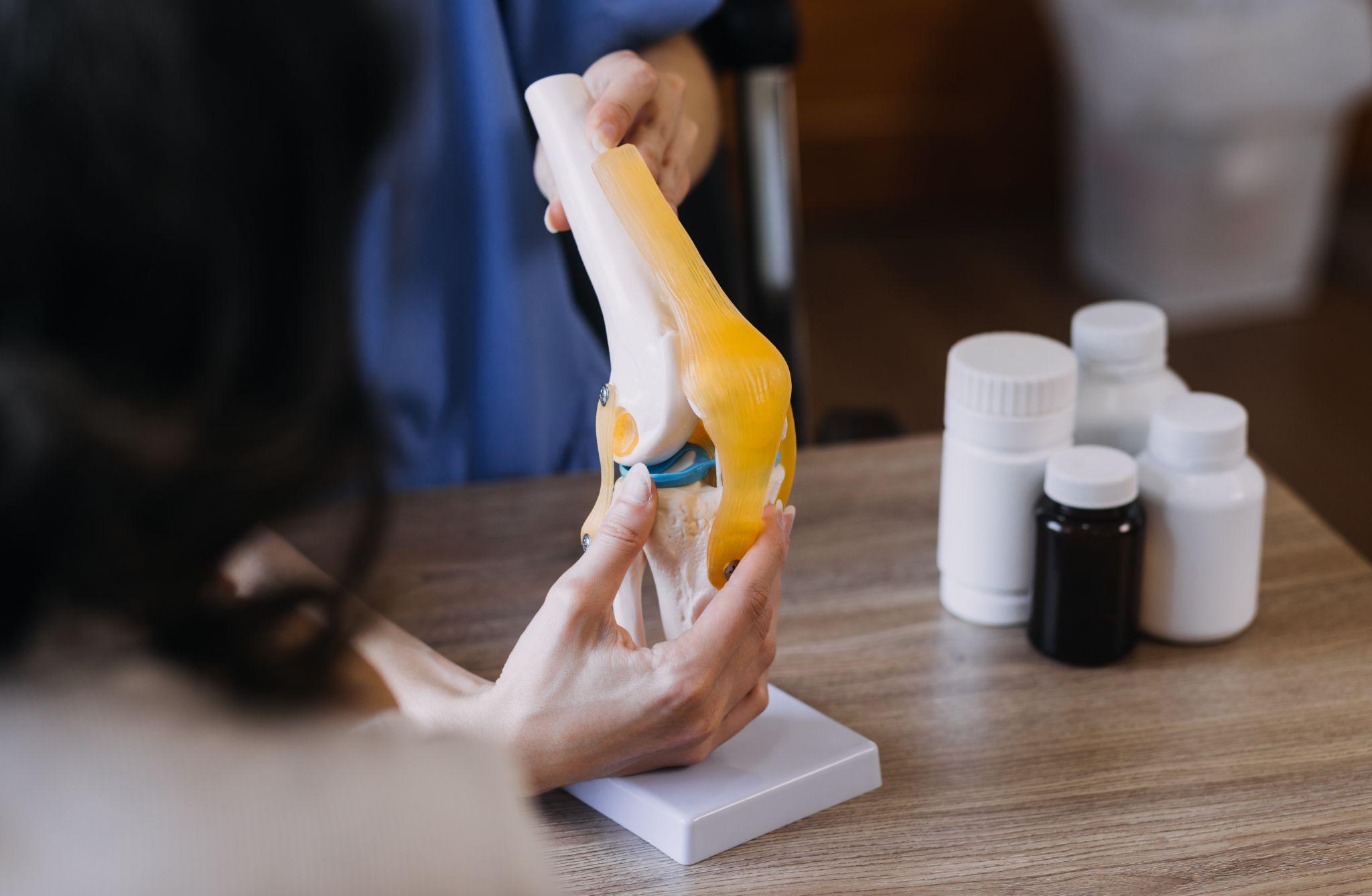
When you flex your knee to climb stairs, the joint bends deeply and the patella (kneecap) presses firmly against the thigh bone. If there is inflammation, cartilage damage, muscle weakness or misalignment, this movement becomes painful. Below are the major causes behind knee pain on stairs.
Patellofemoral Pain Syndrome (PFPS)
Sometimes called "runner's knee," PFPS is the most common cause of knee pain when going up and down stairs. It occurs when the kneecap does not glide smoothly in its groove. Climbing stairs increases the pressure between the kneecap and the thigh bone, which sharpens the pain.
Characteristic features include:
- Pain in the front of the knee
- Discomfort after sitting for long periods
- A grinding or clicking sensation under the kneecap
Chondromalacia Patella
This condition involves softening or wearing down of the cartilage under the kneecap. As the cushioning cartilage thins, the bones rub more during stair climbing, which triggers pain.
You may notice:
- Pain with deep knee bending
- A rubbing or cracking sensation
- Pain that is worse on stairs or while squatting
Osteoarthritis of the Knee
In adults over 40, joint degeneration is another major cause. Stair climbing becomes very difficult when the protective cartilage thins because the joint is then under maximum load.
Common symptoms include:
- Morning stiffness
- Swelling around the joint
- Pain that slightly improves with gentle movement
Weak Quadriceps or Glute Muscles
Weak thigh or hip muscles directly affect how the knee joint absorbs pressure. When these muscles are weak, the knee absorbs more shock during stair climbing, which causes discomfort or strain.
Meniscus Tears
The meniscus acts as a shock absorber within the knee. A tear can cause pain, especially going up or down stairs, because of the rotation and compression involved.
Other symptoms include:
- Knee locking or catching
- Sharp pain inside the knee
- Difficulty bearing weight
Tendonitis (Patellar or Quadriceps Tendonitis)
Overuse, sports injuries and poor training can inflame the knee tendons. The pain is usually:
- Felt just above or below the kneecap
- Sharp when climbing
- Tender when pressure is applied to the tendon
IT Band Syndrome
If the iliotibial band tightens, it can pull on the outer side of the knee and cause pain, especially while descending stairs.
Symptoms You Should Never Ignore
Mild soreness can be common, but the following symptoms may indicate a deeper problem:
- Pain that persists for more than 1 to 2 weeks
- Swelling around the knee
- Difficulty bearing weight
- Clicking or cracking sounds
- The knee giving way or feeling unstable
- Pain at night or while resting
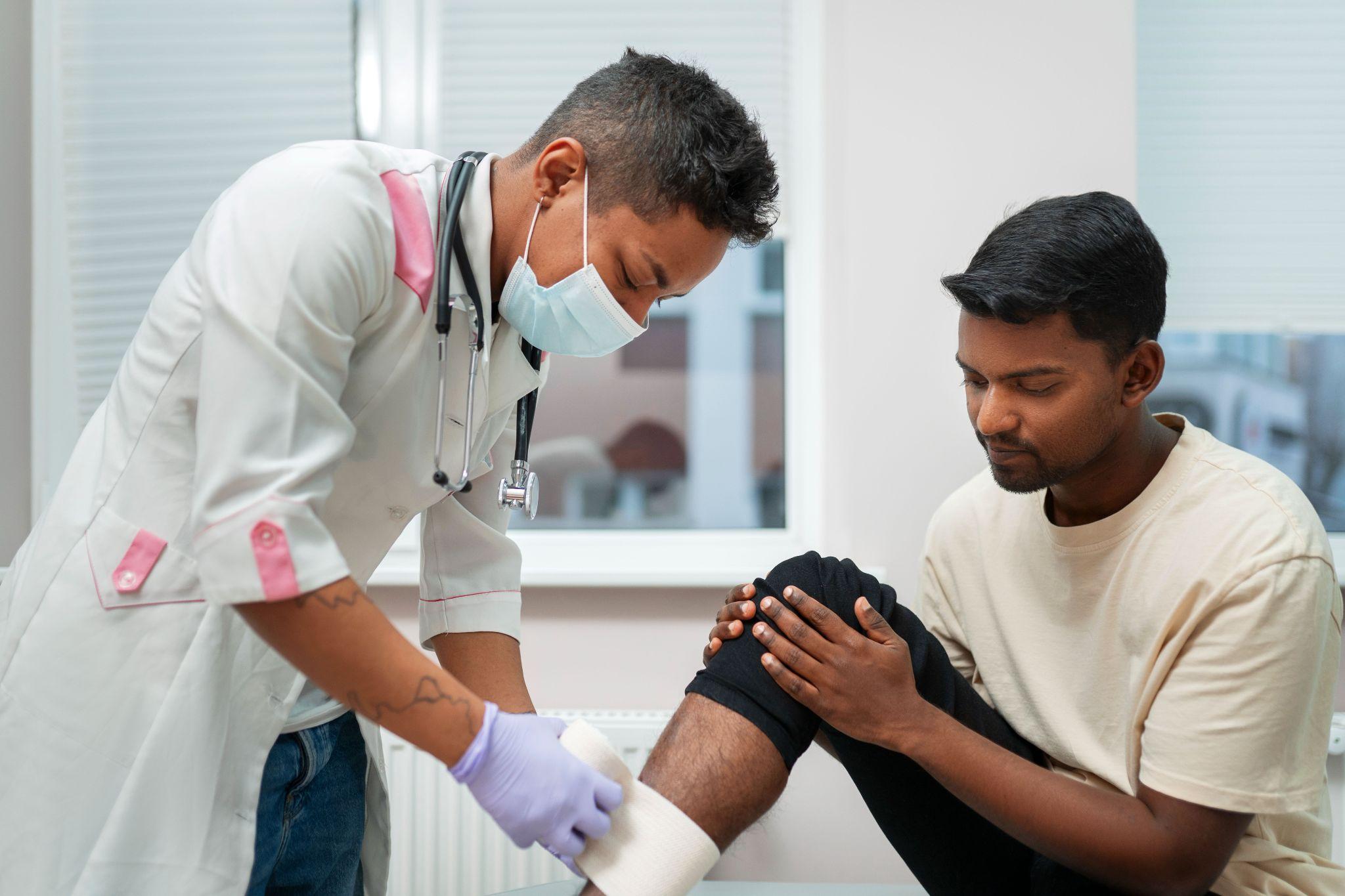
If you notice these signs, it is best to be seen by an orthopedic physician.
How to Treat Knee Pain While Climbing Stairs
Treatment is condition-specific, but the goals are consistent: reduce inflammation, improve strength and restore joint mobility.
Rest and Activity Modification
Avoid activities that strain the knee, such as:
- Running stairs
- Deep squats
- Jumping exercises
Where possible, use elevators or ramps instead of stairs until the pain settles.
Ice Therapy
Applying an ice pack for 15 to 20 minutes helps reduce swelling and pain, especially after physical activity.
Strengthening Exercises
Strengthening the muscles around the knee reduces joint pressure while climbing stairs. Helpful exercises include:
- Straight leg raises
- Quadriceps isometric holds
- Glute bridges
- Step-ups (once pain reduces)
- Hamstring stretches
Strong quadriceps and glutes provide better kneecap alignment and joint stability.
Physiotherapy
A physiotherapist can help with:
- Patellar tracking correction
- Manual therapy
- Taping techniques
- Strength and mobility training
- Posture and gait correction
This is one of the most effective long-term solutions.
Weight Management
Excess body weight adds load to the knees and makes climbing stairs more painful. Even a modest reduction in weight can meaningfully reduce symptoms.
Medications
Doctors may prescribe the following for short-term relief:
- Anti-inflammatory medications
- Pain relievers
- Topical gels
These reduce inflammation but do not cure the underlying cause.
Braces and Support
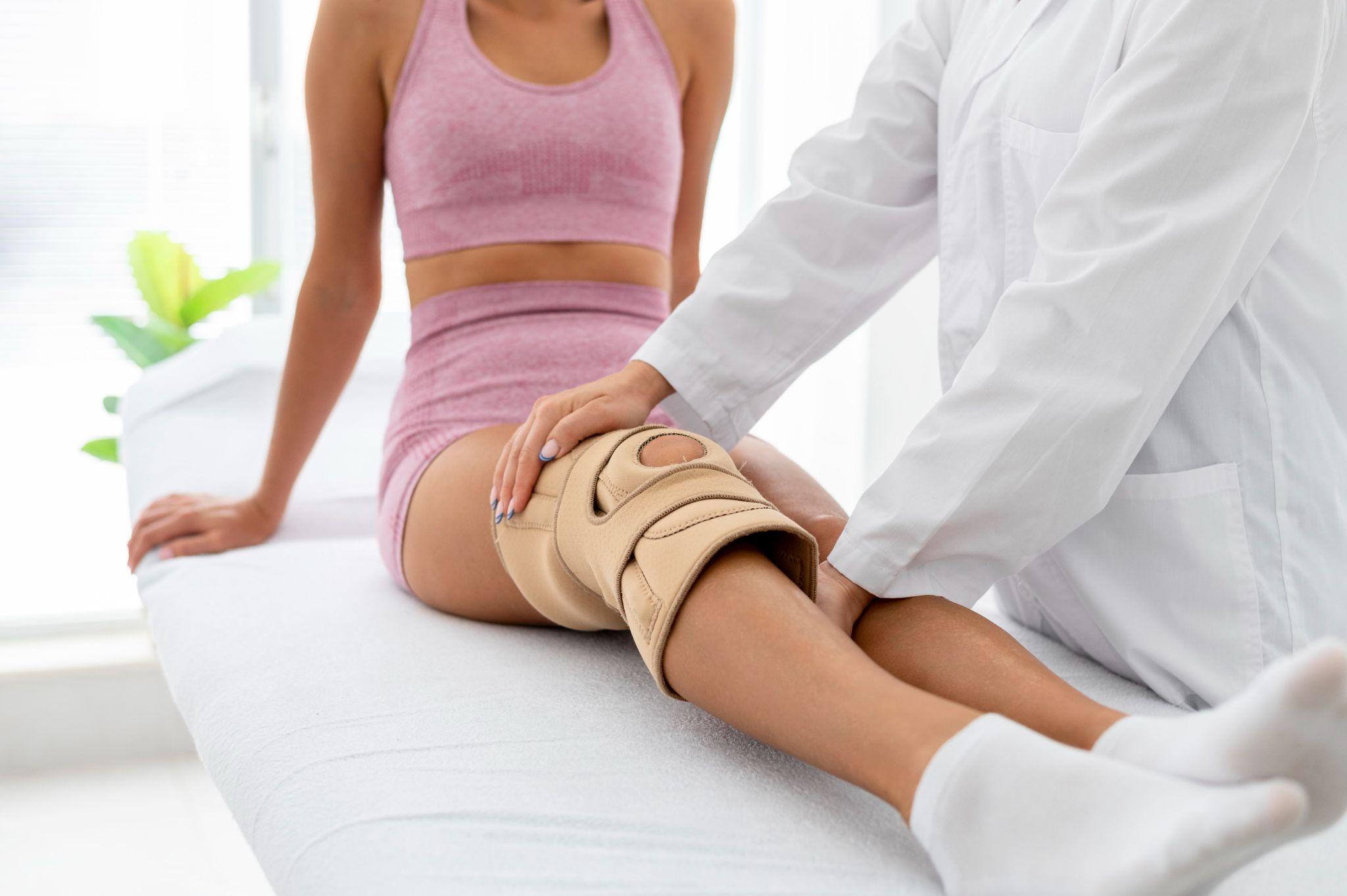
Knee braces can improve patellar alignment and reduce load on the joint in cases of PFPS or arthritis.
Injections
For chronic pain, a doctor may consider:
- Corticosteroid injections to reduce inflammation
- Hyaluronic acid injections to improve lubrication
- PRP therapy to support healing in certain conditions
These are recommended only after a proper medical evaluation.
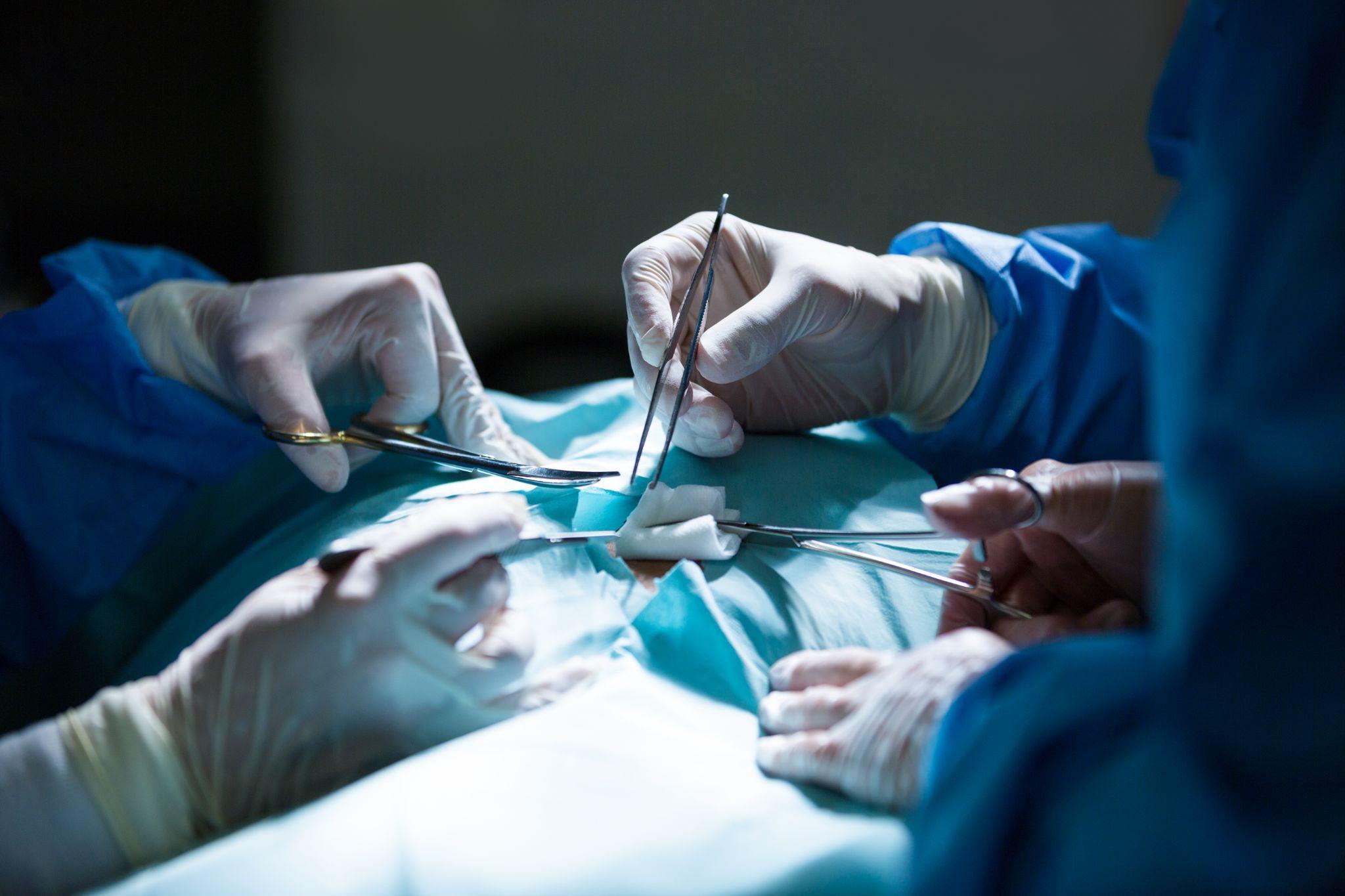
Surgical Options (For Severe Cases)
If conservative treatment fails, surgery may be indicated for:
- Meniscus tears
- Advanced arthritis
- Severe cartilage damage
- Patellar misalignment
Procedures may involve arthroscopy, cartilage repair or joint replacement, depending on the condition.
Prevention: How to Stop Knee Pain from Worsening
A few simple habits can protect your knees over time:
- Warm up before exercise
- Strengthen the thigh, hip and core muscles
- Avoid deep squats and lunges if they trigger pain
- Wear supportive footwear
- Quit smoking if you smoke
- Work toward a healthy body weight
- Do not jump straight into high-impact activities
Simple lifestyle changes can considerably improve knee function and lessen the pain of stair climbing.
When to See a Doctor
Seek medical help if you have any of the following:
- Severe or worsening pain
- Swelling that does not go down
- Locking or instability
- Pain that interferes with daily activities
- Difficulty climbing even a few steps
Early diagnosis helps prevent long-term joint damage.
Frequently Asked Questions
Why do my knees hurt only on stairs and not on flat ground?
Stairs load the knee far more heavily than flat walking, placing several times your body weight across the kneecap. If a structure inside the knee is irritated or weak, this extra pressure brings out pain that you may not feel during normal walking.
Is knee pain on stairs always a sign of arthritis?
No. While osteoarthritis is a common cause in older adults, stair-related knee pain often comes from kneecap tracking problems, muscle weakness, tendonitis or minor injuries. A proper examination is needed to identify the actual cause.
Can exercises really help knee pain while climbing stairs?
Yes, in many cases. Strengthening the quadriceps, glutes and surrounding muscles improves how the knee absorbs load and how the kneecap tracks. A guided physiotherapy program is often one of the most effective long-term treatments.
How long does knee pain on stairs usually take to improve?
It depends on the cause and severity. Mild cases often improve within a few weeks with rest, ice and exercises, while structural problems may take longer or need further treatment. Pain lasting more than 1 to 2 weeks should be assessed by a doctor.
Final Thoughts
Knee pain when climbing stairs is not only about age. It can affect anyone, whether the cause is weak muscles, worn cartilage, inflammation or injury. The good news is that most people improve significantly with early intervention, proper strengthening and the right treatment. The key is to listen to your body, avoid overexertion and act before the pain becomes chronic.
If knee pain is limiting your daily activities, Dr. Ankur Singh, an internationally trained orthopedic surgeon, offers accurate diagnosis and advanced treatment options. Visit his clinic in Noida for trusted, patient-focused orthopedic care.
Medical Disclaimer
The information provided on this website is for educational purposes only and should not be considered as medical advice. Please consult Dr. Ankur Singh or a qualified healthcare professional for personalized medical guidance.
Share this blog:
 Copy
Copy