What Happens in Knee Arthroscopy: Procedure, Benefits & Recovery
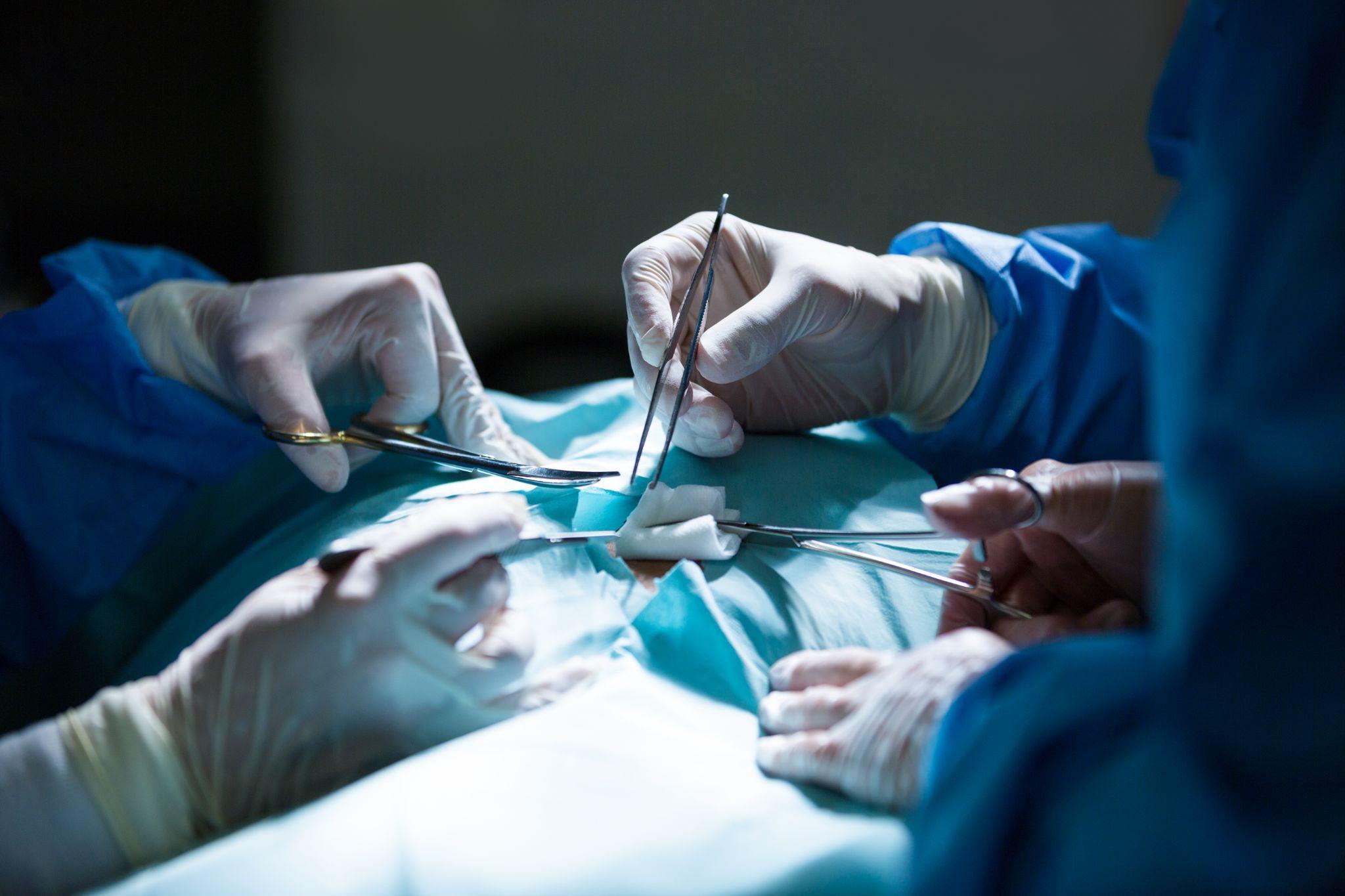
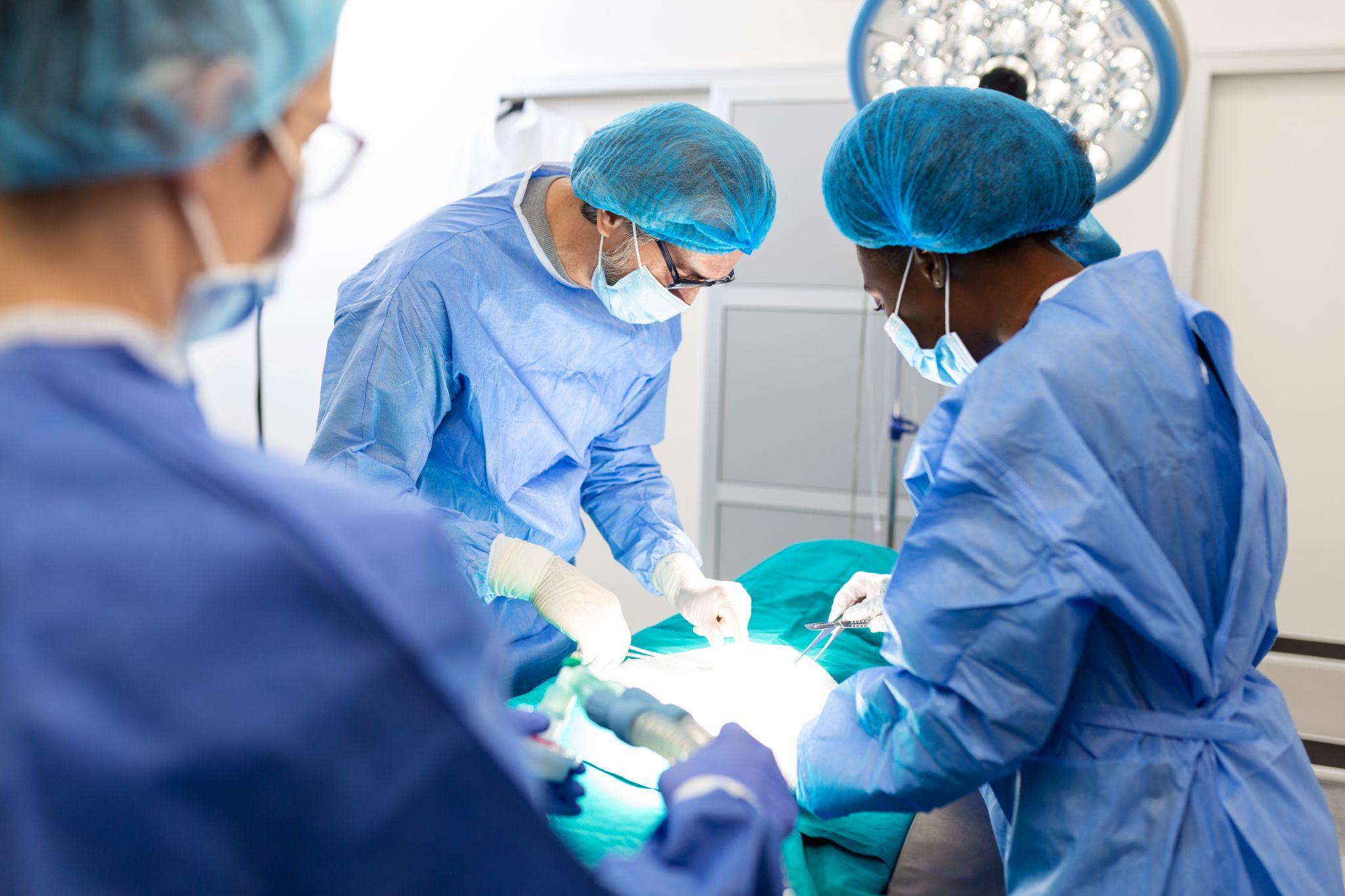
Knee surgery being performed by orthopedic surgeons in operation theatre.
Knee pain is one of the most common orthopedic complaints among adults, athletes and even older individuals. When medications, rest and physiotherapy don’t solve the problem, doctors often recommend knee arthroscopy, a minimally invasive procedure used to diagnose and treat a variety of knee conditions. It is considered one of the safest and most effective orthopedic surgeries with faster recovery and minimal scarring.
If you’ve been advised to undergo knee arthroscopy, you may be wondering: What exactly happens during the procedure? How long will recovery take? Is it painful?
This detailed guide will answer all your questions so you feel fully prepared and confident.
What Is Knee Arthroscopy?
Knee arthroscopy is a minimally invasive surgical procedure used to examine, diagnose and treat knee problems. Instead of making a large incision, the orthopedic surgeon creates two to three tiny cuts (each around 0.5-1 cm) and inserts a small camera called an arthroscope into the knee joint.
This camera projects real-time images on a screen, allowing the surgeon to see the inside of the knee with exceptional clarity. Special miniature instruments are then inserted through other small incisions to perform the required treatment.
Because of the small cuts, patients experience:
- Less pain
- Minimal tissue damage
- Reduced the risk of infection
- Faster recovery
- Smaller scars
Why Is Knee Arthroscopy Done?
Conditions your doctor may recommend knee arthroscopy for include the following:
1. Smaller and larger meniscus tears
One of the most common reasons. Torn cartilage can be repaired or trimmed during arthroscopy.
2. ACL or PCL Injuries
Ligament reconstruction or repair is often done via arthroscopy, especially for athletes.
3. Loose Bodies in the Knee
Fragments of bone or cartilage can float inside the joint, causing pain and locking.
4. Cartilage Damage
Arthroscopy helps smoothen, repair or even regenerate deteriorated cartilage.
5. Patellar (Knee Cap) Problems
Maltracking or instability can be corrected.
6. Synovitis
Inflammation of the lining of the knee that is resistant to medical treatment.
Arthroscopy is both diagnostic and therapeutic, meaning the surgeon can identify the problem and fix it in the same sitting.
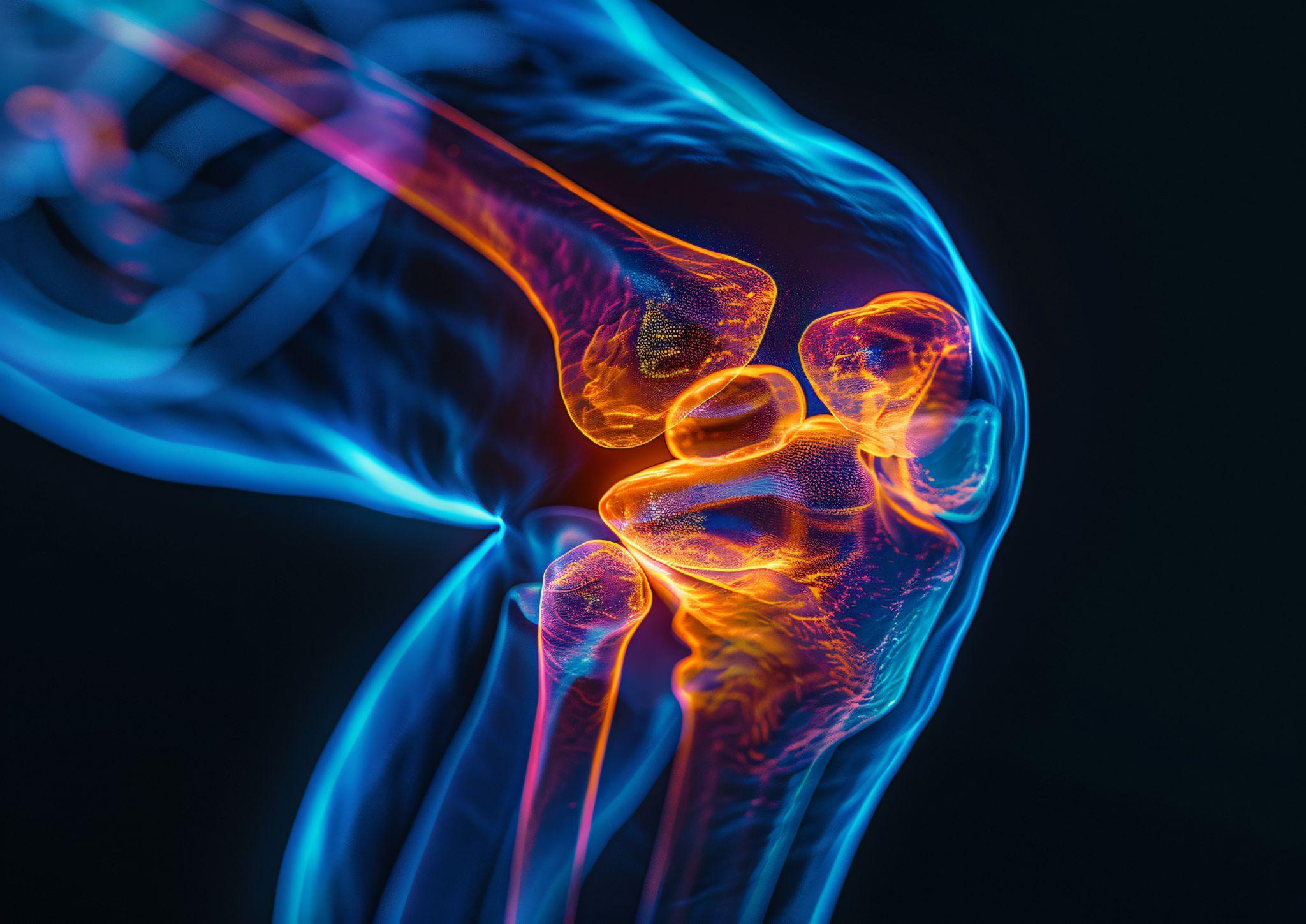
Knee joint X-ray showing bone structure and fracture highlights
Used by orthopedic doctors to diagnose knee injuries and plan accurate treatment.
How to Prepare for Knee Arthroscopy
Your orthopaedic physician may recommend:
- Blood work
- X-rays or MRI
- Withholding certain medications
- Avoid food/drinks 6-8 hours before surgery
- Booking someone to drive you home
- Comfortable, loose-fitting clothes are also suggested for comfort after the operation.
What Happens During Knee Arthroscopy? (Step-by-Step)
Here is exactly what that process looks like:
1. Administration of Anaesthesia
Depending on your condition and medical history, anesthesia may be given as:
- Local
- Spinal
- General
Your doctor will determine what is safest.
2. Cleaning & Positioning the Knee
The knee is cleaned thoroughly and positioned properly to allow free movement during surgery.
3. Making Small Incisions
Two or three small incisions are made around the knee.
4. Introduction of the Arthroscope
A pencil-thin camera is inserted into the knee joint. This gives the surgeon a high-definition view of:
- Cartilage
- Ligaments
- Meniscus
- Bone surfaces
- Synovial lining
5. Diagnosis of the Problem
Using the video feed, the surgeon identifies the exact issue causing the pain or instability.
6. Making the Repair
Based on the diagnosis, specialized instruments are inserted through the other incisions to:
- Torn meniscus, trimming the tear or repair
- Ligament reconstruction
- Smoothen injured cartilage
- Inflammation treatment
- Wash out the joint
7. Closure of Incisions
The instruments are withdrawn and the small incisions are closed with:
- Sterile strips
- One or two sutures
- Bandage dressing
The entire procedure usually takes 20 to 45 minutes, depending on the complexity.
What to Expect After the Procedure
1. Recovery Room - Post-Operative
You may feel mild discomfort or pressure, but severe pain is rare after arthroscopy.
2. Applying Cold Compresses & Elevation
To reduce swelling and pain.
3. Crutches or Walker
Some patients may require them for a few days.
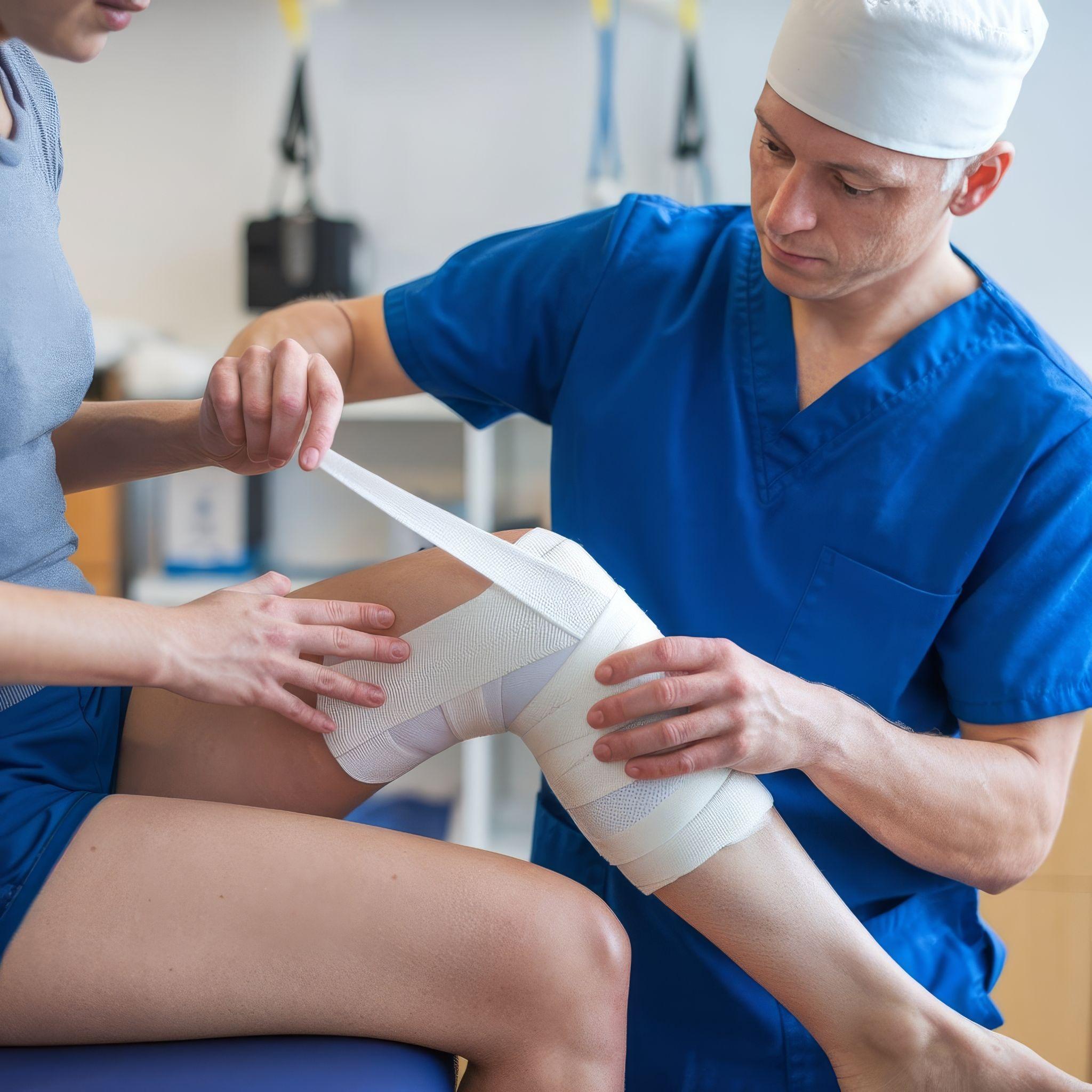
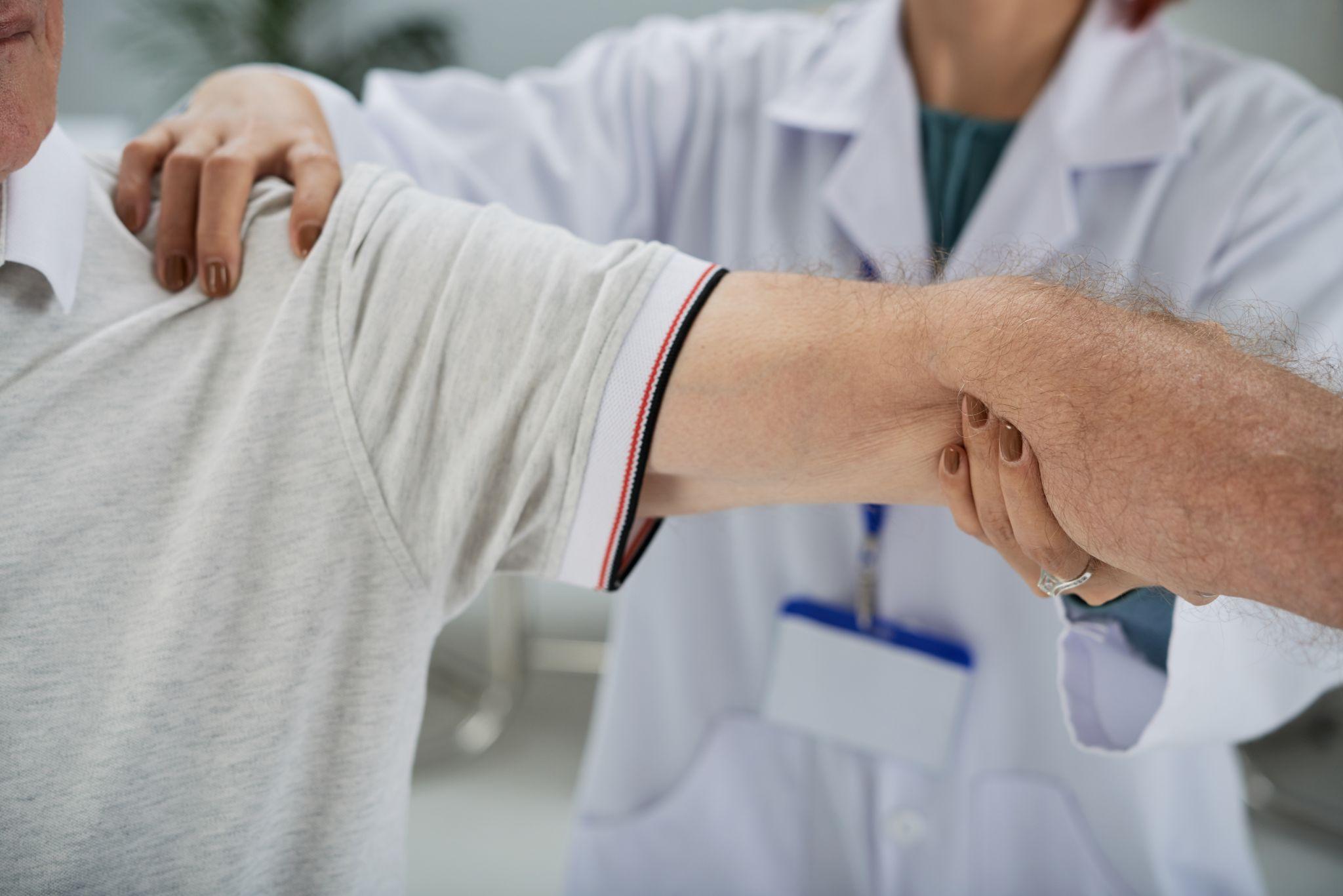
Knee physiotherapy with bandage support during rehabilitation session
Recovery Timeline After Knee Arthroscopy
The recovery depends on what was treated, but usually:
Day 1-3
- Ice therapy
- Minimal walking
- Pain medications
Week 1-2
- Swelling reduces
- Passive physiotherapy is instituted
Week 3-6
- Most daily activities become easy
- Strength training begins
3-6 Months
- Full recovery for ligament repairs or complex procedures
Benefits of Knee Arthroscopy
- Minimally invasive
- Tiny scars
- Less post-op pain
- Low risk of infection
- High accuracy due to visualization
- Fast return to daily activities
- Excellent long-term results
It is one of the most reliable orthopedic procedures worldwide due to its safety and effectiveness.
Risks (Rare but Possible)
Like any surgery, knee arthroscopy has minimal risks:
- Infection
- Blood clot
- Joint stiffness
- Swelling that persists
- Any reaction to anesthesia
When performed by an experienced orthopedic surgeon, like Dr. Ankur Singh, the risk is extremely low.
When Should You Consult an Orthopedic Doctor?
Consult a specialist if you experience:
- Persistent knee pain
- Locking or catching
- Swelling that won’t go away
- Instability or weakness
- Pain during walking or climbing of stairs
Early diagnosis prevents worsening of the condition.
Dr. Ankur Singh, Noida
If you’re considering knee arthroscopy or dealing with chronic knee pain, Dr. Ankur Singh is one of Noida’s most trusted orthopedic surgeons for minimally invasive knee treatments. With advanced expertise in arthroscopy, ligament reconstruction, cartilage repair and sports injuries, Dr. Ankur provides precise diagnosis, modern surgical techniques and personalized recovery plans. His patient-first approach and proven outcomes make him a highly recommended orthopedic doctor in Noida.
Medical Disclaimer
The information provided on this website is for educational purposes only and should not be considered as medical advice. Please consult Dr. Ankur Singh or a qualified healthcare professional for personalized medical guidance.
Share this blog:
 Copy
Copy