Meniscus Tear: Surgery Or Physiotherapy? How To Know What You Actually Need

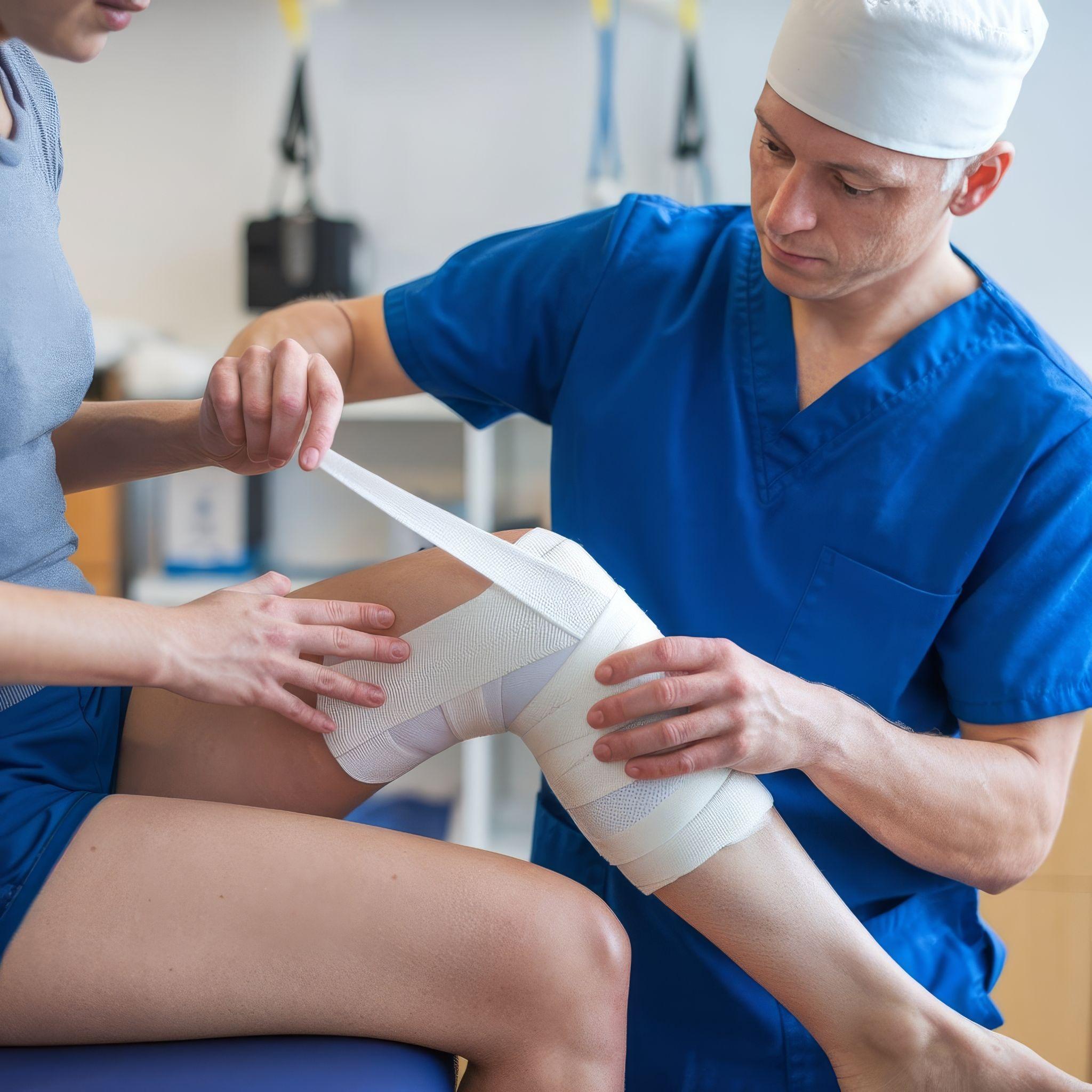
A nurse is helping a patient with a knee brace and a clutch with walking in a physiotherapy room.
Not every meniscus tear needs surgery. That is worth saying upfront, because a lot of patients who get an MRI showing a meniscal tear assume they are headed straight to the operating theatre. Sometimes they are right. Often, they are not.
The meniscus is a pair of crescent-shaped cartilage pads inside the knee joint. You have a medial meniscus (on the inner side of the knee) and a lateral meniscus (on the outer side). Together, they act as shock absorbers, distribute load across the joint, and help stabilise the knee during movement. When they tear through sudden twisting during sport, or through gradual wear over time, the knee can hurt, swell, lock, or feel unstable.
But the tear itself is only part of the picture. The type of tear, its location, the patient's age and activity level, and how the knee is actually behaving are factors that determine whether surgery is necessary or whether physiotherapy and time are enough.
Types Of Meniscus Tears And Why They Matter
Understanding the tear type is the first step toward the right treatment decision.
1. Location: Red Zone Vs. White Zone
The meniscus has a limited blood supply. The outer third, called the "red zone," is relatively well vascularised. Tears in this area have genuine healing potential without surgery, because the blood supply brings the nutrients and cells necessary for repair. The inner two-thirds, the "white zone," have almost no direct blood supply. Tears here cannot heal on their own. Whether or not they cause symptoms that warrant treatment depends on the individual situation.
2. Tear Pattern
Different tears behave differently:
- Radial tears cut across the fibres of the meniscus and tend not to heal conservatively.
- Horizontal tears run parallel to the tibial plateau and are common in older patients with degenerative knees. Many of these do not cause mechanical symptoms and can be managed without surgery.
- Bucket-handle tears are the dramatic ones, as a large fragment of the meniscus flips over into the joint, causing the knee to lock in a partially bent position. This is a surgical emergency; locking of the knee requires urgent intervention.
- Degenerative tears in older patients (over 50) are typically related to the general wear process of the knee rather than a specific injury. Research, including several large randomised controlled trials, consistently shows that for degenerative meniscal tears, physiotherapy produces outcomes as good as surgery in most patients over 40 to 50 years of age.
When Physiotherapy Is The Right Choice
Conservative management with physiotherapy is appropriate when:
- The tear is in the red zone with healing potential.
- The tear is degenerative (related to age-related wear) and does not cause mechanical symptoms like locking.
- There is no true mechanical locking or giving way.
- The patient is older and less physically demanding of the knee.
- Symptoms are manageable and functional; the knee is painful and swollen, but usable.
- There is no associated ACL injury requiring simultaneous attention.
Non-surgical recovery from a meniscal tear with structured physiotherapy typically takes six to twelve weeks. The focus is on reducing swelling, restoring the full range of motion, and strengthening the muscles around the knee (particularly the quadriceps and hamstrings) to offload the damaged cartilage. Most patients walk comfortably within one to two weeks. Return to recreational sport typically happens around weeks six to ten.
In patients over 40 with degenerative tears and early knee arthritis, physiotherapy that focuses on muscle strengthening, weight management, and activity modification often provides very satisfactory long-term outcomes; outcomes comparable to what surgery achieves, without the risks of the procedure.
When Surgery Is The Right Choice

A close-up shot of a healthcare professional examining a knee after surgery during recovery.
Meniscal surgery becomes necessary when:
- The knee is locking - A locked knee, one that cannot be fully extended, almost always indicates a bucket-handle tear or a displaced fragment that has physically blocked joint movement. This needs urgent arthroscopic treatment.
- The knee is giving way repetitively - Persistent instability that physiotherapy has not resolved suggests the mechanical support the meniscus provides has been too severely compromised.
- Conservative management has failed - If a patient has genuinely committed to three to four months of physiotherapy without meaningful improvement, and there is a repairable structural tear on MRI, surgery becomes a reasonable next step.
- The patient is young and active - For a 20-year-old athlete with a red-zone tear, early surgical repair preserves as much of the meniscus as possible and reduces the long-term risk of early knee arthritis. Removing or ignoring the meniscus in a young person accelerates joint degeneration significantly over the decades.
- There is an associated ACL tear - When the ACL and meniscus are both injured, they are often addressed together surgically. Repairing the meniscus at the time of ACL reconstruction provides the optimal environment for meniscal healing.
Types Of Meniscal Surgery
There are two main surgical approaches, and the choice between them matters enormously:
1. Meniscal Repair (Preserve)
The surgeon sutures the torn edges of the meniscus back together using small anchors or sutures. This is the preferred option when the tear is in a reparable location, and the patient is young enough that the cartilage has good biological healing potential. Repair preserves the meniscus. This is important. Every millimetre of meniscus that can be saved reduces the load placed directly on the articular cartilage and reduces the risk of future osteoarthritis.
Recovery from meniscal repair takes longer, typically three to four months, because the repaired tissue needs protected weight-bearing time to heal. But the long-term outcome is worth the extended rehabilitation.
2. Partial Meniscectomy (Trim)
When the tear cannot be repaired due to the wrong location, wrong pattern, or insufficient biological healing potential, the surgeon removes only the torn or damaged portion and smooths the remaining edges. This is called a partial meniscectomy. Recovery is significantly faster for most patients, who are weight-bearing within days and return to activity in six to ten weeks. However, a partial meniscectomy does remove some functional meniscal tissue, which is why it is reserved for situations where repair is not viable.
3. Total Meniscectomy
Removal of the entire meniscus is rarely performed today. The consequences for long-term joint health are too significant.
All meniscal surgery at Dr. Ankur Singh's practice in Noida and Greater Noida is performed arthroscopically through small keyhole incisions, which means less tissue trauma, shorter hospital stays, and faster rehabilitation compared to open surgery.
The Surgery: What Actually Happens
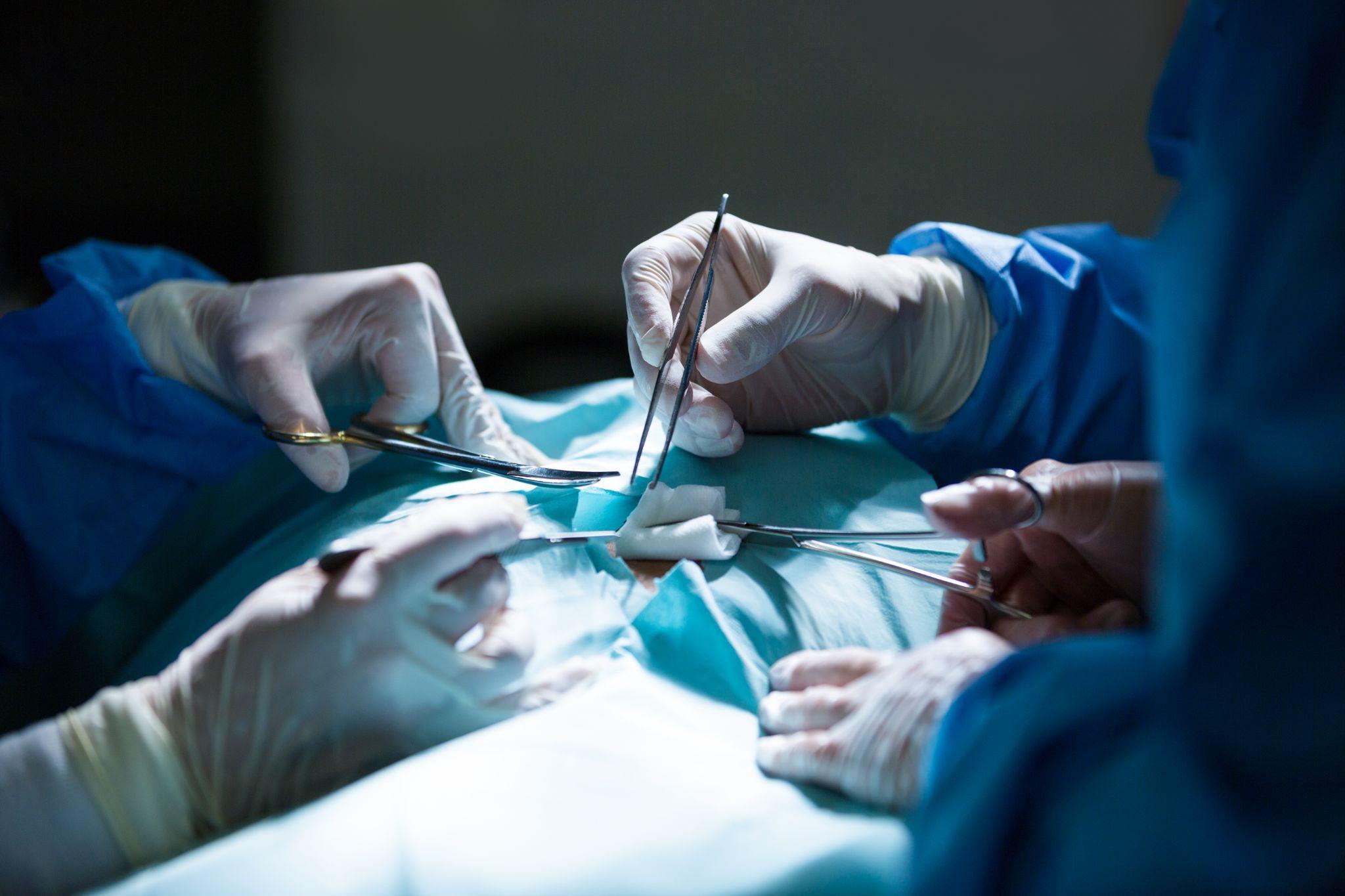
Meniscal arthroscopy is performed under general or regional anaesthesia. Two small incisions are made around the knee; one for the camera, one for the instruments. The surgeon examines the entire joint systematically: cartilage surfaces, both menisci, ligaments, and the patella. The meniscal tear is then addressed and repaired with sutures and anchors if possible, trimmed if not. The procedure typically takes 30 to 60 minutes. Most patients return home the same day.
Recovery Timeline After Meniscal Surgery

A male physiotherapist is helping his female patient with her knee who is lying down in a bright room.
Recovery after meniscal surgery varies based on the procedure, but most patients gradually regain mobility and return to normal activities within a few weeks to a few months.
1. After Partial Meniscectomy
- Days 1-3: Swelling, mild to moderate discomfort, crutches if needed.
- Week 1–2: Weight-bearing increases; walking without a significant limp becomes possible.
- Weeks 2–6: Physiotherapy focuses on strengthening and range of motion.
- 6–10 weeks: Return to recreational activity and most sports.
2. After Meniscal Repair
- Weeks 1–6: Protected weight-bearing, crutches for several weeks; the repair is healing and must be protected from full load.
- Weeks 6–12: Progressive weight-bearing, physiotherapy intensifies.
- 3–4 months: Return to non-contact sport.
- 4–6 months: Return to cutting, pivoting, and contact sport.
How Is The Decision Made At Dr. Ankur Singh's Clinic In Noida?
The decision between surgery and physiotherapy is never made purely based on an MRI report. An MRI shows anatomy; it does not tell the full story of how the knee is functioning or what the patient's life demands of it. At Dr. Ankur Singh's clinic in Noida and Greater Noida, the evaluation includes a detailed history (how the injury happened, what makes it worse, what has already been tried), a thorough clinical examination, and review of imaging. Only after understanding all of this does a management recommendation emerge.
Some patients come in expecting surgery and leave with a physiotherapy programme. Others come in hoping to avoid surgery and learn that repair is genuinely the right choice for their injury and long-term joint health. There is no single answer; only the right answer for each patient. If you have been diagnosed with a meniscus tear in Noida or Greater Noida and you are unsure whether you need surgery, a specialist consultation is the clearest path to an answer.
Common Questions About Meniscal Tears
1. Can a meniscus tear heal without surgery?
Some can. Red-zone tears in younger patients and degenerative tears in older patients often respond well to conservative management. The key is whether the tear type and location have healing potential, and whether the knee is mechanically symptomatic.
2. Is meniscal surgery available in Noida and Greater Noida?
Yes. Dr. Ankur Singh performs arthroscopic meniscal repair and partial meniscectomy at KDSG Superspeciality Hospital in Greater Noida.
3. How do I know if my knee is locked vs. just stiff?
True locking means the knee cannot be fully straightened; it is mechanically blocked. Stiffness from swelling or pain is different; the knee moves through its full range when the pain allows. If your knee genuinely cannot straighten, that requires urgent evaluation.
4. Will I develop arthritis after a meniscus tear?
Any loss of meniscal tissue increases the long-term risk of osteoarthritis because the joint loses some of its shock-absorbing protection. This is why preservation (repair) is always preferred over removal when possible, and why younger patients in particular should not delay getting a proper assessment.
Dr. Ankur Singh | Best Orthopedic Surgeon in Noida | Meniscus Repair | Knee Arthroscopy | ACL and Meniscus Injuries | KDSG Superspeciality Hospital, Greater Noida
Medical Disclaimer
The information provided on this website is for educational purposes only and should not be considered as medical advice. Please consult Dr. Ankur Singh or a qualified healthcare professional for personalized medical guidance.
Share this blog:
 Copy
Copy