Common Sports Injuries in Gym-Goers and How to Prevent Them
Working out in the gym is one of the best ways to stay fit and healthy, but it carries a risk of injury when exercises are done incorrectly or without proper guidance. Many people experience muscle strains, back pain, shoulder issues, or knee problems because of poor posture, overtraining, or lifting more than their capacity. Understanding why these injuries happen, and learning practical prevention methods, can help you train consistently and stay injury-free.
Why Gym Injuries Are So Common
Gym enthusiasts, especially those who spend long hours at office desks, often deal with extra challenges such as weak posture, tight muscles, and limited time to warm up. This makes injury prevention even more important than it already is. Early diagnosis and timely sports injury treatment can speed up recovery and prevent long-term problems.
Common Gym Injuries and Why They Happen
Muscle Strains
Muscle strains are the most common gym injury. They occur when a muscle is stretched beyond its limit while running, weightlifting, or doing high-intensity workouts. Beginners tend to push too hard too soon, while experienced lifters may strain muscles by handling heavy weights without proper form.
Shoulder Injuries
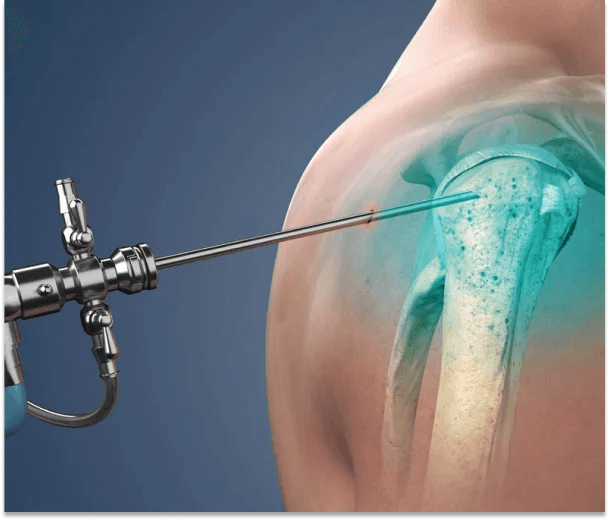
Shoulder injuries in the gym usually occur during the bench press, overhead press, or incorrect plank variations. The shoulder is a highly mobile joint, which makes it more prone to instability and inflammation. Poor posture, weak rotator cuff muscles, and overuse can further increase the risk.
Lower Back Pain and Slip Disc
Lower back injuries are common among gym-goers who deadlift, squat, or perform abdominal workouts without proper alignment. A rounded spine, tight hamstrings, or insufficient core strength can strain the lower back and even lead to slip disc symptoms. The deadlift in particular demands precise posture, which is why this remains such a frequent gym injury.
Knee Injuries
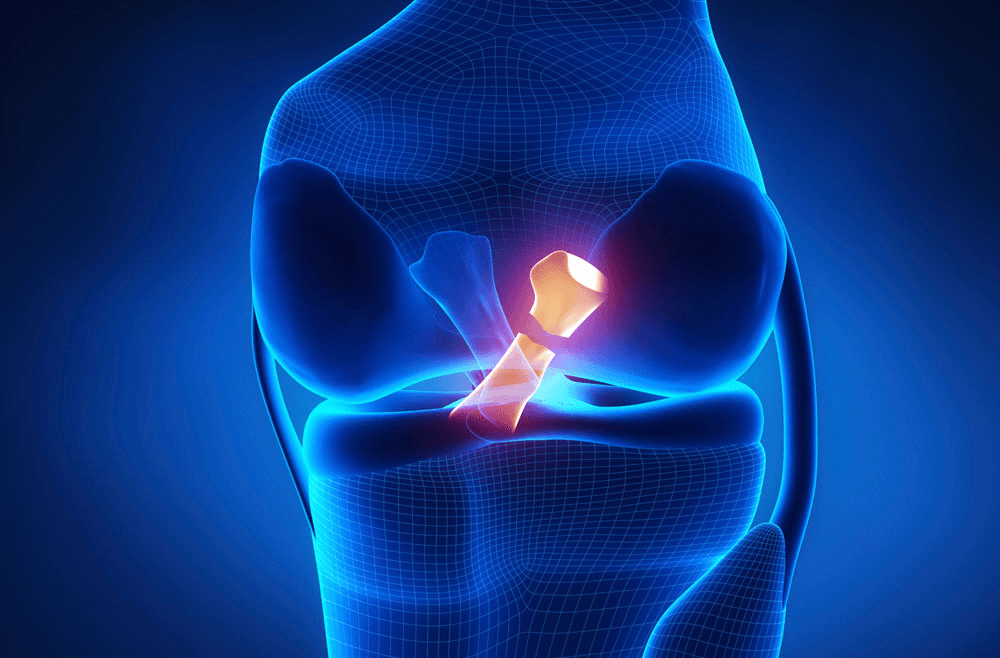
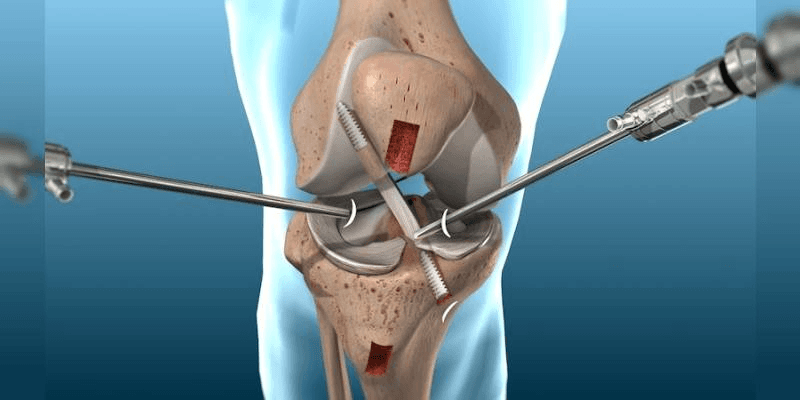
Knee pain may develop during squats, lunges, running, or step-up exercises. Incorrect knee tracking, weak quadriceps, and tight hips usually contribute to knee injuries. Without good prevention habits, knee issues can worsen over time.
Ankle Sprains
High-impact workouts such as jumping, sprinting, or HIIT sessions can cause ankle sprains. Uneven landing, poor footwear, or weak ligaments raise the risk. Even a mild sprain needs immediate rest, because continuing to exercise can make the injury worse.
Warning Signs You Should Not Ignore
Some symptoms point to an injury that needs proper attention rather than another set of repetitions. Watch for the following red flags:
- Sharp or sudden pain: Pain that appears instantly during a movement is a sign that something is wrong.
- Swelling or bruising: Swelling around a joint or muscle indicates inflammation or internal strain.
- Reduced range of motion: If you cannot move a joint the way you normally do, it may signal an injury.
- Persistent pain over several days: Pain that continues even after rest or stretching should be checked by an expert.
Early diagnosis and appropriate physiotherapy for gym injuries help prevent long-term damage and support a proper recovery.
How to Prevent Common Gym Injuries
Warm Up Before Every Workout
A proper warm-up improves blood flow, activates muscles, and prepares your body for movement. Five to ten minutes of dynamic stretching or light cardio significantly reduces the risk of gym injuries.
Learn Correct Form
Whether you are lifting weights or doing cardio, the right technique matters. Incorrect posture is the leading cause of gym injuries. Ask a trainer for guidance, or use lighter weights until you master the movement.
Avoid Lifting More Than Your Capacity
Many injuries happen when people attempt heavy lifts without enough strength or stability. Increase weights gradually and focus on control rather than ego.
Strengthen Supporting Muscles
Supporting muscles such as the core, glutes, and rotator cuff increase strain on larger joints when they are left weak. Adding strength training and mobility work to your routine improves stability and reduces the chance of injury.
Use Proper Footwear and Equipment
Worn-out shoes, slippery surfaces, or poorly adjusted machines can lead to sprains and impact injuries. Invest in good-quality sports shoes and set machines to suit your height and comfort.
Take Rest Days
Muscles need time to recover. Overtraining leads to fatigue, inflammation, and a higher risk of injury. Include at least one or two rest days each week.
Cool Down and Stretch
Cooling down helps your muscles relax and maintains flexibility. Stretching prevents stiffness and reduces the chance of injury during future workouts.
When to See an Orthopedic Specialist in Noida
If you experience frequent joint pain, swelling, reduced movement, or a recurring injury despite rest, it is best to consult an orthopedic expert. Early sports injury treatment in Noida can help identify the exact cause, provide personalised exercises, and prevent further complications. Physiotherapy for gym injuries is also effective for improving mobility and accelerating recovery.
Delaying treatment may worsen the condition and limit your ability to exercise comfortably. Dr. Ankur Singh can guide you on safe workout routines, posture correction, and long-term injury prevention strategies.
Frequently Asked Questions
How long should I rest after a gym injury?
Rest depends on the severity of the injury. A mild muscle strain may settle within a few days of relative rest, while a sprain or joint injury can take longer. If pain or swelling persists beyond a few days, have it assessed by a specialist before returning to training.
Can I keep exercising with a minor injury?
It is usually safer to pause the affected movement and avoid loading the injured area. You can often continue training other muscle groups, but pushing through pain risks turning a minor issue into a longer-lasting problem. When in doubt, get it checked.
Does physiotherapy help with gym injuries?
Yes. Physiotherapy can reduce pain, restore mobility, and strengthen the muscles around an injured joint. A structured program also corrects movement patterns and posture, which lowers the risk of the same injury returning.
How can I prevent gym injuries as a beginner?
Start with lighter weights, learn correct form, and warm up before every session. Increase intensity gradually, include rest days, and ask a trainer or specialist for guidance if a movement causes discomfort.
Conclusion
Most gym injuries are preventable with good form, sensible progression, and proper recovery. Listening to your body and acting early on warning signs makes the difference between a minor setback and a long-term problem. If pain, swelling, or limited movement is holding back your workouts, book a consultation with Dr. Ankur Singh, an orthopedic specialist in Noida, for an accurate diagnosis and a recovery plan tailored to you.
Medical Disclaimer
The information provided on this website is for educational purposes only and should not be considered as medical advice. Please consult Dr. Ankur Singh or a qualified healthcare professional for personalized medical guidance.
Share this blog:
 Copy
Copy



-compressed.jpg)
/group-doctors-reading-document-meeting-room-hospital-compressed.jpg)