Thigh Pain: Common Reasons Behind Leg Discomfort

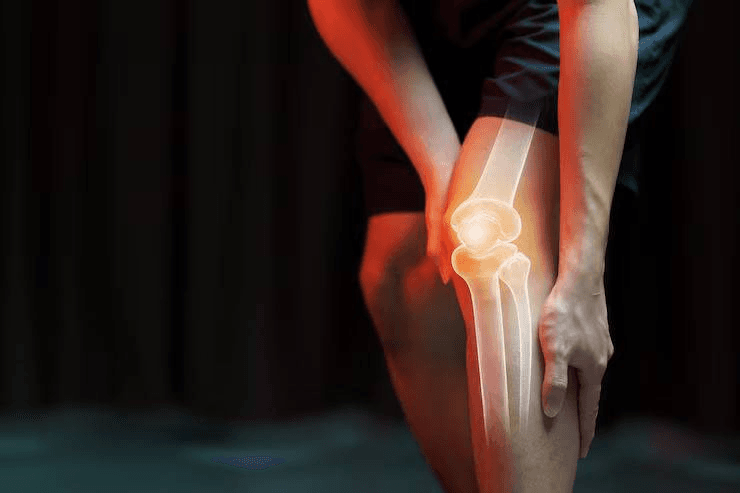
Man experiencing thigh muscle pain and discomfort.
Thigh pain is something many people experience at some point, whether after physical activity, prolonged sitting, injury, or even due to underlying joint or nerve problems. Sometimes it feels like a dull ache, while in other cases it can become sharp, burning, or difficult to ignore during movement. The discomfort may affect walking, climbing stairs, exercising, or even sitting comfortably for long periods.
People often assume thigh pain only happens because of muscle strain, but the reality is much broader. It may develop due to overuse, sports injuries, poor posture, nerve compression, arthritis, or circulation-related conditions. Ignoring persistent pain can sometimes make the condition worse and delay proper recovery.
Understanding the actual cause behind thigh discomfort is important because treatment depends on what is triggering the pain. Some cases improve with rest and physiotherapy, while others may require orthopedic evaluation and targeted treatment.
In this guide, let’s understand the common causes of thigh pain, its symptoms, available treatment options, and when it becomes important to consult an orthopedic specialist like Dr. Ankur Singh in Noida.
What Is Thigh Pain?
Thigh pain refers to discomfort felt in the upper part of the leg between the hip and knee. The pain may affect muscles, nerves, joints, tendons, ligaments, or surrounding soft tissues. It can appear suddenly after injury or gradually over time due to repetitive stress or underlying medical conditions.
The severity can vary from mild soreness to intense pain that limits movement. Depending on the cause, thigh pain may also be associated with swelling, stiffness, numbness, weakness, or difficulty walking.
Common Causes Of Thigh Pain
There are several reasons why thigh pain develops. Identifying the source helps in planning the right treatment and preventing future complications.
1. Muscle Strain
One of the most common causes of thigh pain is muscle strain. It usually happens due to overuse, sudden movement, intense workouts, or sports activities. The muscles may become stretched or torn, causing pain, swelling, and difficulty moving the leg comfortably.
2. Sciatica Or Nerve Compression
Compression or irritation of the sciatic nerve can cause pain that travels from the lower back into the thigh and leg. The pain may feel sharp, burning, or associated with tingling and numbness.
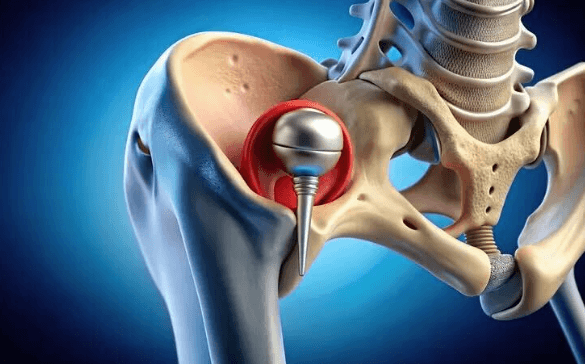
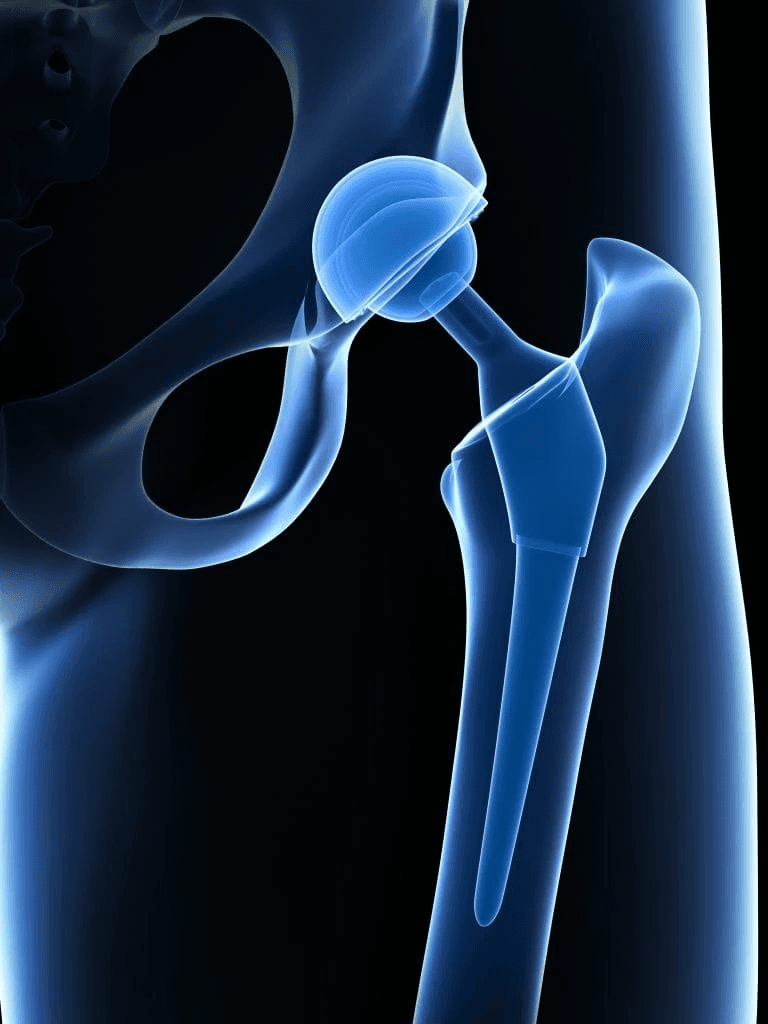
3. Hip Joint Problems
Conditions affecting the hip joint, such as arthritis or hip impingement, can cause pain that radiates into the thigh. The discomfort may worsen while walking, climbing stairs, or standing for long durations.
4. Tendonitis
Inflammation of tendons around the thigh or hip region can lead to pain during movement. Repetitive physical activity and overuse are common contributing factors.
5. Muscle Cramps
Muscle cramps can create sudden tightness and pain in the thigh. Dehydration, electrolyte imbalance, excessive exercise, or poor circulation may trigger these cramps.
.6. Injuries And Trauma
Falls, accidents, or sports injuries can damage muscles, ligaments, or bones in the thigh area. Severe injuries may even result in fractures or deep tissue bruising.
7. Poor Posture And Sedentary Lifestyle
Sitting for long hours, poor posture, and lack of physical activity can create muscle stiffness and weakness, leading to recurring thigh discomfort.
Symptoms Associated With Thigh Pain
The symptoms may differ depending on the underlying condition causing the pain.
- Dull or Sharp Pain: Some people experience a constant dull ache, while others may feel sharp pain during movement or physical activity.
- Swelling and Tenderness: Inflammation around muscles or injured tissues can lead to visible swelling and tenderness in the thigh region.
- Muscle Weakness: Weakness in the thigh muscles may make walking, standing, or climbing stairs difficult.
- Stiffness: The thigh may feel tight or stiff, especially after resting or sitting for long periods.
- Tingling or Numbness: If nerves are involved, sensations like tingling, burning, or numbness may occur in the thigh or leg.
- Difficulty Walking: Severe pain or weakness may affect balance and normal walking patterns.
How Thigh Pain Is Diagnosed
An orthopedic specialist carefully evaluates symptoms, movement patterns, and physical condition to identify the exact cause of thigh pain.
1. Physical Examination
The doctor checks muscle strength, joint movement, swelling, tenderness, and posture to understand the source of discomfort.
2. Medical History Review
Previous injuries, activity levels, medical conditions, and lifestyle habits are reviewed for accurate diagnosis.
3. Imaging Tests
X-rays, MRI scans, or ultrasound imaging may be recommended to detect muscle injuries, fractures, joint problems, or nerve compression.
Treatment Options For Thigh Pain
Treatment depends on the severity and cause of the pain. Early management often helps prevent complications and speeds up recovery.
1. Rest And Activity Modification
Reducing activities that worsen the pain allows the muscles and tissues to heal properly.
2. Physiotherapy
Physiotherapy helps improve flexibility, muscle strength, posture, and overall movement. Stretching and strengthening exercises are commonly used to reduce pain and prevent future injuries.
3. Pain Management
Medications may be advised temporarily to reduce pain and inflammation during recovery.
4. Hot And Cold Therapy
Cold packs help reduce swelling, while heat therapy improves blood circulation and relaxes tight muscles.
5. Lifestyle Adjustments
Maintaining proper posture, staying physically active, and avoiding prolonged sitting can significantly reduce recurring thigh pain.
6. Advanced Orthopedic Treatment
In severe cases involving fractures, joint damage, or nerve compression, advanced orthopedic care or surgical intervention may be necessary.
To ensure proper diagnosis and treatment, consulting Dr. Ankur Singh in Noida can help patients receive personalized orthopedic care focused on long-term recovery and improved mobility.
When To See An Orthopedic Specialist
Some symptoms should never be ignored, especially if the pain continues to interfere with daily life.
- Pain lasting more than a few days despite rest requires medical attention.
- If standing or walking becomes difficult, it may indicate a more serious condition.
- Significant swelling, bruising, or visible deformity should be evaluated immediately.
- Nerve-related symptoms like numbness, tingling, or muscle weakness may require urgent assessment.
- Any thigh pain following a fall, accident, or sports injury should be checked to rule out fractures or tissue damage.
Tips To Prevent Thigh Pain
Certain lifestyle habits can help reduce the chances of developing thigh discomfort.
- Warm up before exercise or sports activities
- Maintain proper posture during sitting and standing
- Avoid sudden excessive physical strain
- Stay hydrated to prevent muscle cramps
- Stretch regularly to improve flexibility
- Strengthen leg and hip muscles through guided exercises
- Take breaks during prolonged sitting
Final Thoughts
Thigh pain may seem like a minor issue at first, but ongoing discomfort can affect mobility, physical activity, and overall quality of life. Understanding the root cause is essential for getting the right treatment and preventing long-term complications.
Early diagnosis and timely orthopedic care can help manage pain effectively, restore movement, and support faster recovery. Whether the discomfort is caused by muscle strain, nerve issues, joint problems, or injury, proper treatment makes a significant difference.
Dr. Ankur Singh in Noida provides comprehensive orthopedic evaluation and treatment for thigh pain and related musculoskeletal conditions. With a focus on accurate diagnosis, personalized treatment plans, and long-term recovery, patients receive care aimed at helping them move comfortably and return to daily activities with confidence.
Medical Disclaimer
The information provided on this website is for educational purposes only and should not be considered as medical advice. Please consult Dr. Ankur Singh or a qualified healthcare professional for personalized medical guidance.
Share this blog:
 Copy
Copy


.jpg)
-compressed (2).jpg)
