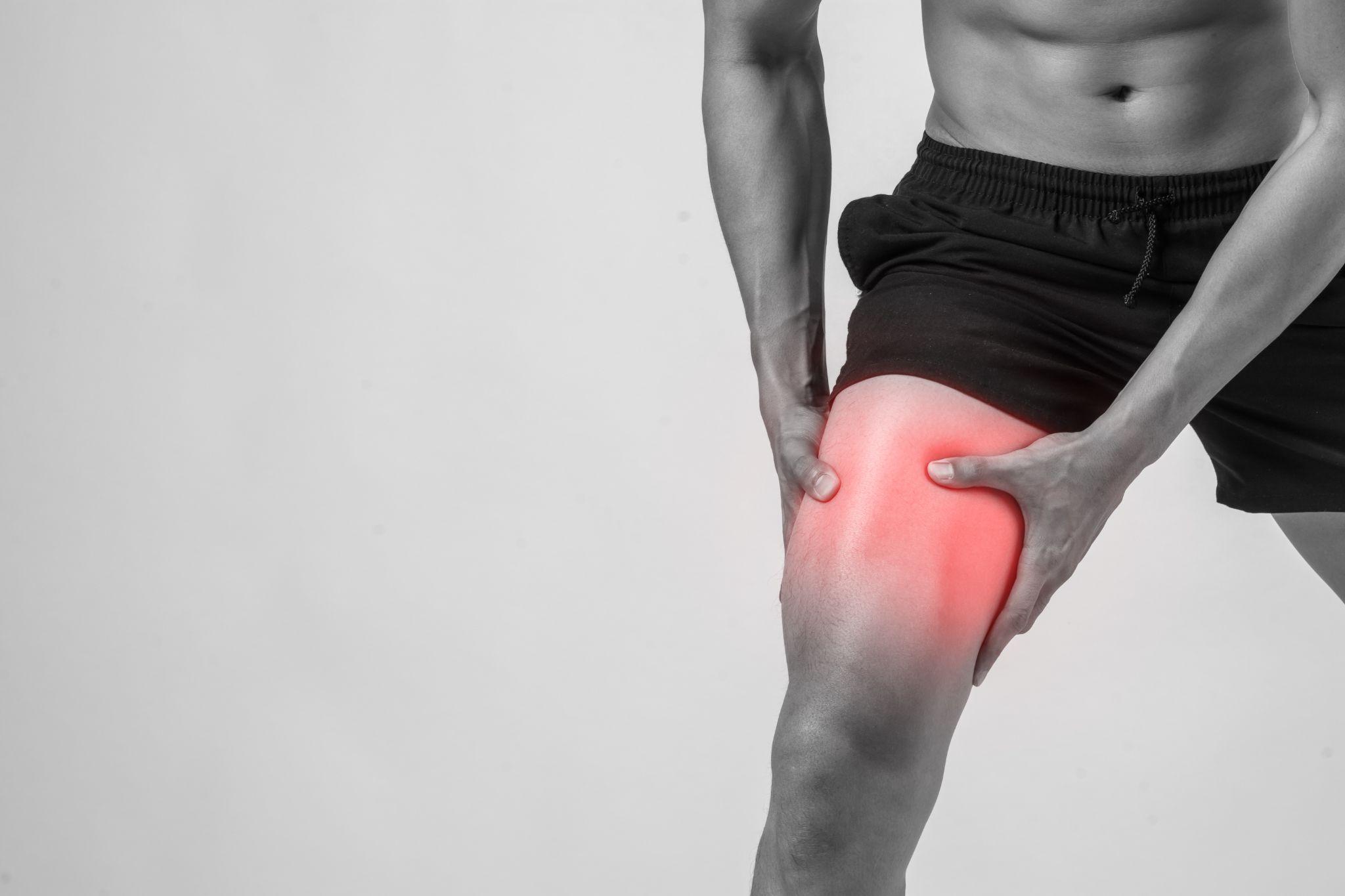
How physiotherapy helps You recover faster
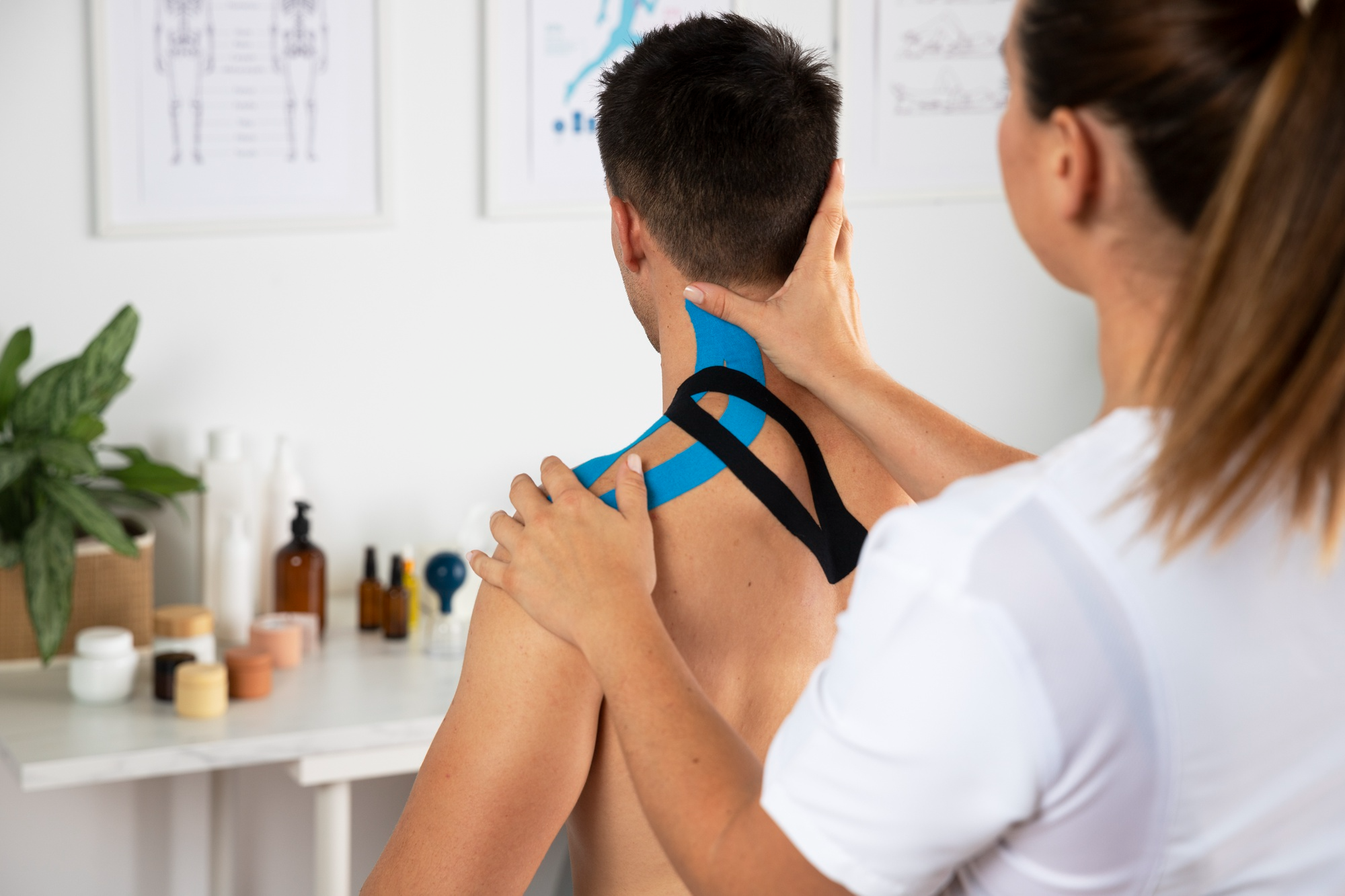
A therapist using hands-on techniques to release tension during a therapy session.
Injuries from sports, accidents, or daily wear and tear can bring your life to a standstill. When pain disrupts your routine, making it difficult to walk, climb stairs, or even sit comfortably, timely treatment isn't optional. It's necessary.
Physiotherapy is one of the most effective and research-backed approaches to recovering from injuries, restoring strength, improving mobility, and preventing long-term complications. I recommend it to the vast majority of my patients, whether they've had surgery, sustained a fracture, or are dealing with chronic joint pain. In many cases, a structured physiotherapy program is the difference between a full recovery and a lingering problem.
This article explains how physiotherapy speeds up recovery, what techniques are used, and why starting early produces significantly better outcomes.
What is physiotherapy?
Physiotherapy (also called physical therapy) is a specialized healthcare discipline focused on restoring movement, reducing pain, and improving physical function. It combines evidence-based exercises, manual techniques, and modality-based treatments to help patients recover from injuries, surgery, or chronic pain conditions.
A trained physiotherapist starts by assessing your condition — identifying the root cause of pain, not just the symptoms. Based on that assessment, they design a tailored treatment plan that targets your specific deficits. This could include anything from hands-on joint mobilization to progressive strengthening exercises to advanced technologies like shockwave therapy.
What sets physiotherapy apart from generic "rest and painkillers" advice is its active approach. You aren't just waiting to heal, you're actively participating in your recovery.
How physiotherapy speeds Up your injury recovery
Physiotherapy works as a complete rehabilitation approach. Here's how it accelerates healing at each stage:
1. reduces pain and inflammation quickly
Pain and swelling are your body's natural responses to injury. They serve a protective purpose initially, but if left unchecked, they delay healing by restricting blood flow and limiting movement. Physiotherapists use several techniques to bring these under control:
- Manual therapy, hands-on joint and soft tissue work
- Joint mobilization — restoring movement to stiff joints
- Soft tissue release, breaking up adhesions and muscle knots
- Ice/heat therapy, controlling swelling and improving circulation
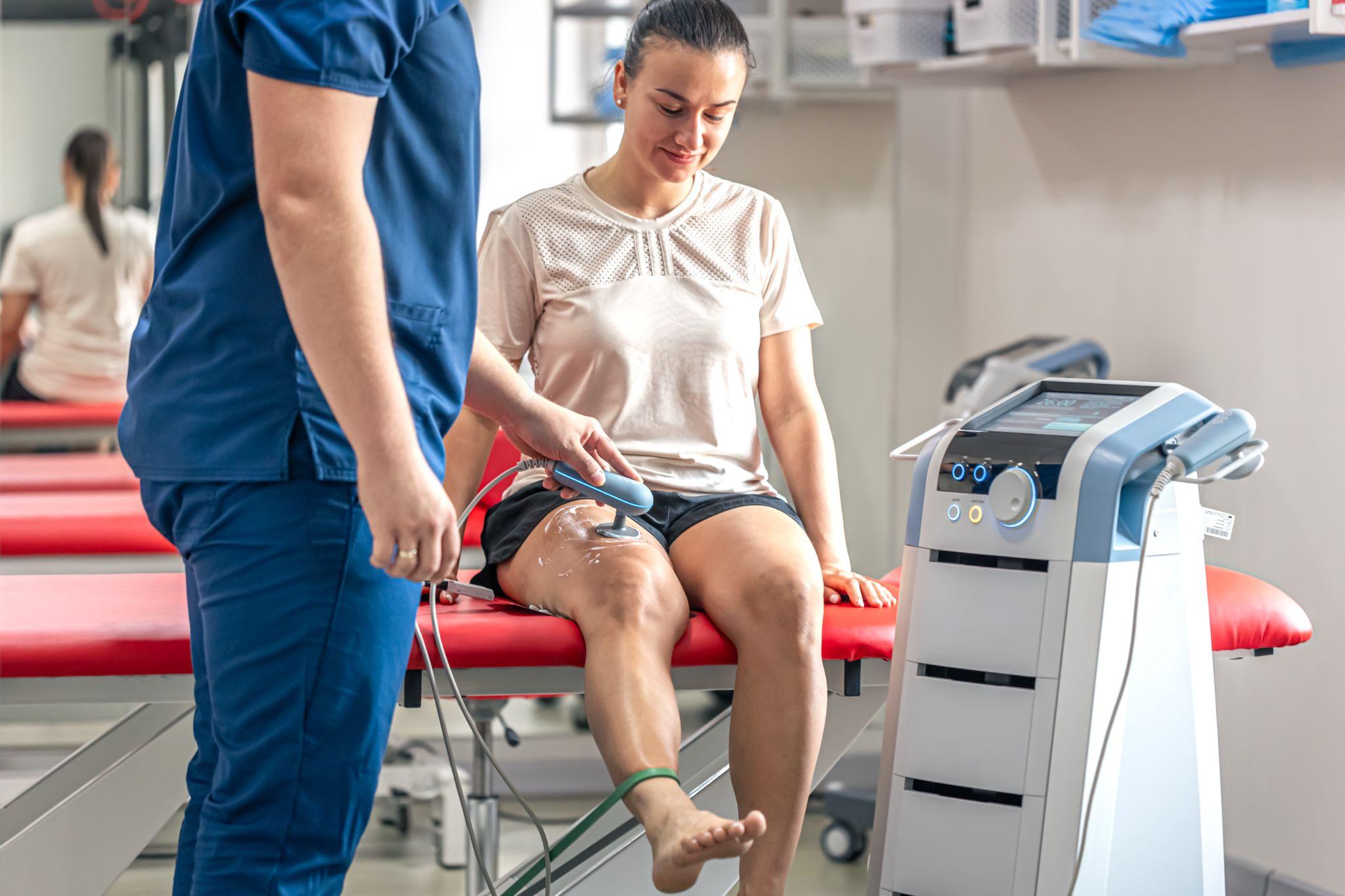
- Ultrasound therapy — using sound waves to reduce deep tissue inflammation
- TENS (transcutaneous electrical nerve stimulation), blocking pain signals
These techniques improve blood circulation, reduce stiffness, and provide measurable relief. I've seen patients who couldn't bend their knee walk into a physiotherapy session and leave with 20-30 degrees of improved range, in a single visit. Faster pain control means you can begin active rehabilitation sooner, and that's where real recovery happens.
2. restores mobility and flexibility
Injuries cause restricted motion — from swelling, muscle guarding, or scar tissue formation. If you don't address this early, you end up with permanent stiffness. I've treated patients with "frozen shoulders" who simply didn't move their arm for weeks after a minor injury, and the joint capsule tightened up completely.
Physiotherapy uses targeted stretching, mobilization, and corrective exercises to restore full range of motion. Early intervention here is critical, the longer stiffness persists, the harder it becomes to reverse.
3. strengthens the muscles around the injury
Weak muscles place additional stress on injured joints and tissues, slowing down the healing process and increasing the risk of re-injury. A structured strengthening program helps:
- Rebuild muscle fibers that atrophied during rest
- Improve joint stability and control
- Prevent compensatory injuries
- Restore functional movement patterns
For example:
- After a knee injury: quadriceps, hamstring, and hip abductor strengthening
- After a shoulder injury: rotator cuff and scapular stabilizer exercises
- After a back injury: core stabilization and lumbar extensor training
- After an ankle sprain: calf and peroneal muscle strengthening
By building muscular support around the injured area, physiotherapy creates a protective framework that speeds recovery and reduces the chance of the same injury recurring.
4. improves blood circulation to the injured area
Healing tissues need oxygen and nutrients, both delivered through blood flow. During injury, blood supply to the damaged area is often compromised. Physiotherapists use massage, heat therapy, and guided movement to improve circulation to the exact tissues that need it most.
This accelerates cellular repair and promotes faster tissue regeneration compared to rest alone. Studies have shown that early mobilization combined with physiotherapy produces faster bone and soft tissue healing than immobilization.
5. prevents compensation injuries
This is something patients rarely think about, but it's extremely common. When one body part hurts, you unconsciously alter your posture and movement patterns to avoid pain. You start limping. You shift weight to one side. You hunch your shoulders.
These compensation patterns create secondary problems:
- A knee injury leading to low back pain from altered gait
- A shoulder injury causing neck strain from changed arm mechanics
- A foot injury resulting in hip imbalance
- A wrist injury leading to elbow overload
Physiotherapy corrects these abnormal patterns early — retraining muscles, restoring proper biomechanics, and saving you from developing new injuries on top of the original one.

A man holding his lower back in discomfort and pain.
6. helps You regain balance and coordination
After injuries, especially to the ankle, knee, or hip, your body's proprioception (the internal sense of joint position and balance) becomes impaired. This is why people who've sprained an ankle are much more likely to sprain it again. The joint heals, but the balance system doesn't reset on its own.
Physiotherapists address this through:
- Balance board and single-leg stance training
- Core strengthening for overall stability
- Gait correction to normalize walking patterns
- Neuromuscular retraining to rebuild joint awareness
This restores coordination, improves stability, and substantially reduces the risk of falls or re-injury. For older adults recovering from hip fractures, balance training can be the most important part of the entire rehabilitation program.
7. enhances recovery after surgery
If you've undergone surgery — ACL reconstruction, joint replacement, fracture fixation, rotator cuff repair, physiotherapy isn't optional. It's the single most important factor determining your surgical outcome. I tell my patients: the surgery fixes the structure, but physiotherapy restores the function.
Post-surgical physiotherapy:
- Reduces post-operative stiffness and swelling
- Safely restores joint range of motion in a controlled manner
- Strengthens weakened muscles around the surgical site
- Prevents blood clots through early mobilization
- Speeds up return to daily activities and work
Without physiotherapy, post-surgery recovery is significantly slower and often incomplete. I've seen patients who had excellent surgical outcomes but poor functional results simply because they didn't follow through with rehabilitation.
8. uses advanced technology for faster healing
Modern physiotherapy goes well beyond basic exercises. Evidence-based technologies now available include:
- Laser therapy, reduces inflammation and stimulates cellular repair at the tissue level
- Dry needling — releases deep muscle trigger points and relieves chronic tension
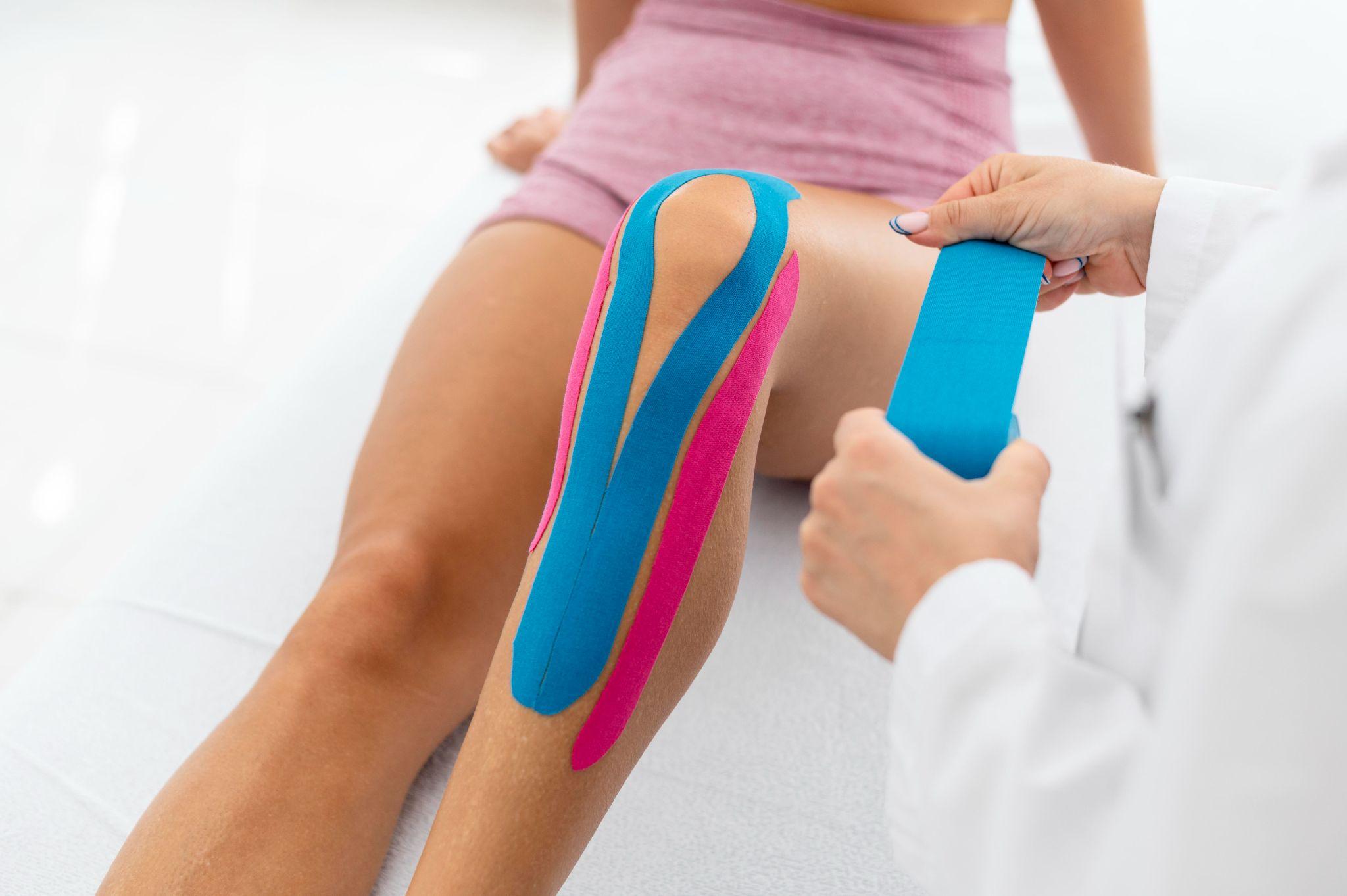
- Kinesio taping, supports joints, reduces pain, and improves proprioceptive feedback
- Shockwave therapy, highly effective for chronic tendon injuries like plantar fasciitis, tennis elbow, and Achilles tendinopathy
These tools target pain and dysfunction at their source and can dramatically accelerate recovery when combined with manual therapy and exercise.
9. develops individualized rehabilitation programs
Every injury is different. A 25-year-old athlete recovering from an ACL tear has completely different needs than a 65-year-old recovering from a knee replacement. Physiotherapists design personalized treatment plans based on:
- The nature and severity of the injury
- Your current pain levels and functional limitations
- Your lifestyle, occupation, and activity demands
- Your specific recovery goals — returning to sport vs. returning to daily living
- Any co-existing conditions like diabetes, osteoporosis, or heart disease
This targeted, individualized approach produces faster and more effective healing than generic exercises or home remedies downloaded from the internet.
Types of injuries physiotherapy Can help with
Physiotherapy is effective across a wide range of conditions:
Sports Injuries:
- Sprains, strains, and muscle pulls
- Ligament tears (ACL, MCL, PCL)
- Tendonitis and tendinopathy
- Runner's knee (patellofemoral pain syndrome)
- Rotator cuff injuries
Accidental and Trauma Injuries:
- Fracture rehabilitation
- Whiplash from motor vehicle accidents
- Post-dislocation recovery
Chronic Pain Conditions:
- Lower back pain and sciatica
- Cervical spondylosis and neck pain
- Plantar fasciitis
- Frozen shoulder (adhesive capsulitis)
- Osteoarthritis
Post-Surgical Rehabilitation:
- Total knee or hip replacement recovery
- ACL reconstruction rehab
- Spinal surgery rehabilitation
- Fracture fixation recovery
Why early physiotherapy Is important
Delaying physiotherapy is one of the most common mistakes I see. Patients wait weeks, sometimes months, hoping pain will resolve on its own. By the time they seek help, they've developed stiffness, muscle weakness, compensation patterns, and sometimes chronic pain that's far harder to treat.
Early physiotherapy helps:
- Control pain before it becomes chronic
- Restore mobility before scar tissue forms
- Maintain muscle strength during the healing period
- Prevent secondary injuries from compensation
- Return you to work, sport, or daily life weeks earlier
Research consistently shows that patients who begin physiotherapy within the first 1-2 weeks of an injury recover faster and more completely than those who delay treatment. For post-surgical patients, starting rehab within 24-48 hours (when appropriate) produces the best functional outcomes.
Advantages of physiotherapy beyond recovery
Physiotherapy doesn't just fix what's broken — it builds a stronger, more resilient body. Long-term benefits include:
- Improved posture and body mechanics
- Greater muscular strength and endurance
- Enhanced joint flexibility and range of motion
- Reduced risk of future injuries
- Better athletic performance
- Lower reliance on pain medications
- Reduced stress and chronic muscle tension
Many of my patients continue with maintenance exercises long after their formal physiotherapy ends. They find that consistent movement and strengthening keeps them pain-free and functional for years.
When should You See a physiotherapist?
Seek a physiotherapy evaluation if you experience:
- Pain that persists for more than 48 hours after an injury
- Swelling around a joint that isn't going down
- Stiffness that limits your range of motion
- Inability to bear weight or perform basic movements
- Pain during walking, lifting, climbing stairs, or exercising
- Post-surgical pain or stiffness
- Recurrent injuries to the same area
- Chronic back, neck, or joint pain that disrupts your sleep or daily routine
Don't wait for pain to become unbearable. Early assessment allows for quicker diagnosis, simpler treatment, and better outcomes.

A physiotherapist assisting a patient during a therapy session.
Dr. Ankur Singh brings over 15 years of international orthopedic expertise to ensure patients receive accurate diagnosis, advanced treatment, and structured rehabilitation. At KDSG Superspeciality Hospitals, Noida, the focus is on evidence-based care and personalized recovery plans that prioritize long-term mobility and function. With proper orthopedic guidance, physiotherapy becomes more than just exercises, it becomes a structured pathway back to full strength and an active life.
Wrapping Up
Physiotherapy is one of the most effective methods for faster and safer injury recovery. Through manual therapy, progressive strengthening, advanced modalities, and individualized care, it restores your mobility, reduces pain, and builds long-term resilience.
If you're recovering from a sports injury, surgery, fracture, or everyday strain, don't rely on rest and painkillers alone. A structured physiotherapy program, started early and followed consistently — gives your body the best chance at a complete recovery.
Medical Disclaimer
The information provided on this website is for educational purposes only and should not be considered as medical advice. Please consult Dr. Ankur Singh or a qualified healthcare professional for personalized medical guidance.
Share this blog:
 Copy
Copy