Stiff Neck: Understanding Muscle and Spine Stiffness

A woman experiencing stiff neck pain while working on a laptop.
A stiff neck may seem like a small issue at first, but it can quickly interfere with everyday life. Simple activities like turning the head, working on a laptop, driving, or even sleeping comfortably become difficult when the neck feels tight and painful. In many cases, stiffness develops because of muscle strain, poor posture, stress, or long hours spent looking at screens. Sometimes, however, it may also point toward an underlying spine-related problem.
Neck stiffness usually happens when the muscles, joints, or ligaments around the cervical spine become irritated or inflamed. This limits movement and creates discomfort. While mild cases often improve with rest and basic care, ongoing stiffness should never be ignored, especially if it starts affecting movement or daily activities.
Proper orthopedic care helps identify the exact reason behind the stiffness and ensures the right treatment before the condition worsens. In this guide, let’s understand what causes a stiff neck, its symptoms, treatment options, and when it becomes important to consult an orthopedic specialist.
What Is A Stiff Neck
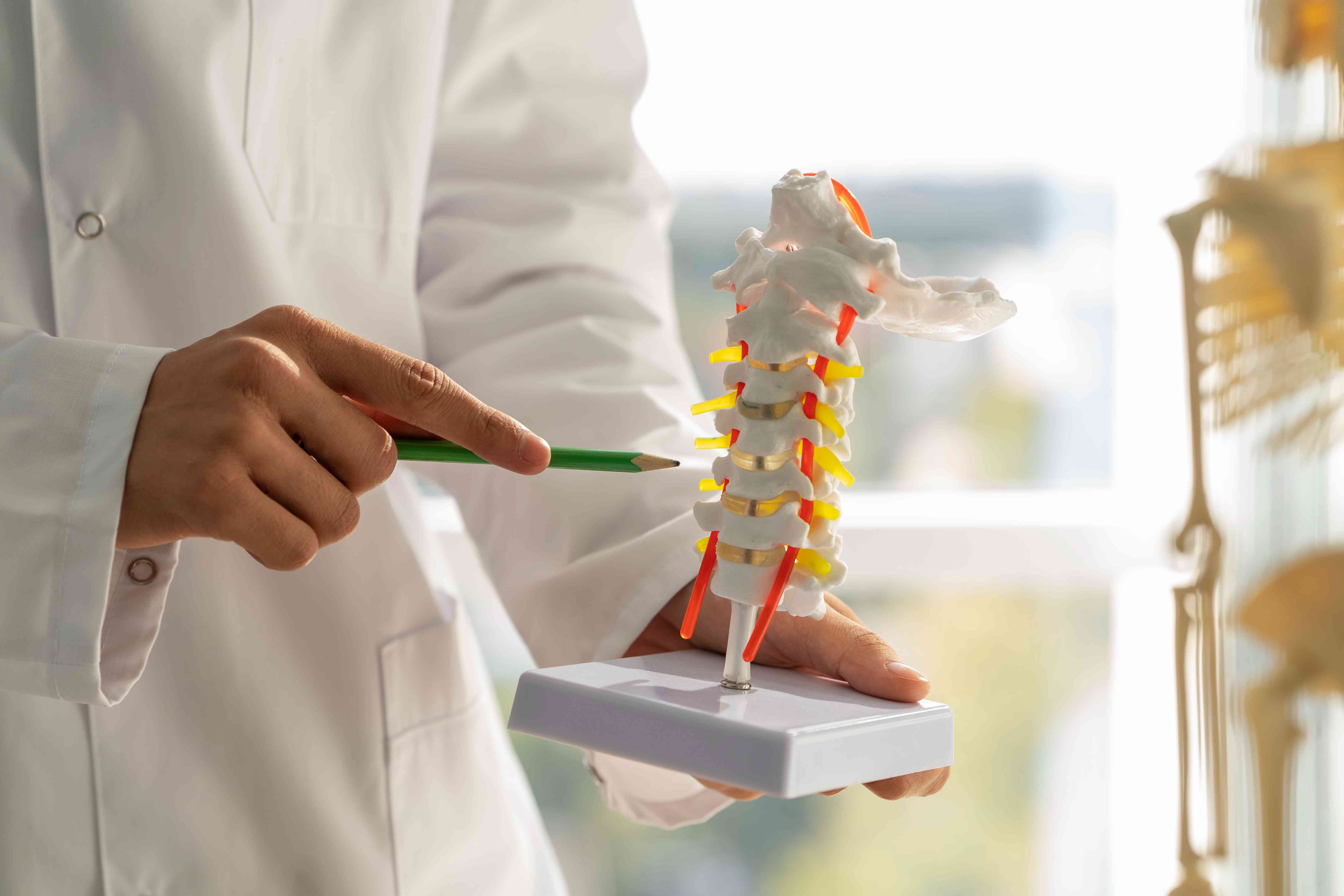
A stiff neck refers to pain, tightness, or difficulty moving the neck properly. The condition affects the muscles, joints, ligaments, or nerves surrounding the cervical spine. Some people experience mild tightness, while others may find it painful to rotate or tilt the head.
Neck stiffness can appear suddenly after sleeping in an awkward position or develop gradually because of poor posture and muscle strain. In certain situations, it may also be linked to conditions such as cervical spondylosis, slipped discs, arthritis, or nerve compression.
Common Causes Of Stiff Neck
Several factors can contribute to neck stiffness, ranging from everyday habits to spine-related disorders.
1. Poor Posture
Looking down at phones or laptops for long periods places extra pressure on the neck muscles. Over time, this leads to stiffness and discomfort.
2. Muscle Strain
Sleeping in the wrong position, sudden neck movement, or lifting heavy objects can strain the neck muscles and trigger pain.
3. Stress And Tension
Mental stress often causes muscles around the shoulders and neck to tighten, resulting in stiffness and headaches.
4. Cervical Spondylosis
Age-related wear and tear in the cervical spine can reduce flexibility and create chronic neck stiffness.
5. Herniated Disc
A slipped disc in the neck may irritate nearby nerves, causing stiffness, pain, and sometimes numbness in the arms.
6. Injuries Or Accidents
Whiplash injuries from road accidents or sports injuries can damage soft tissues around the neck and limit movement.
Symptoms Associated With Stiff Neck
A stiff neck can present with several symptoms depending on the underlying cause.
- Difficulty Turning the Head: Movement becomes restricted, especially while looking sideways or upward.
- Muscle Tightness: The muscles around the neck and shoulders may feel tense or knotted.
- Neck Pain: Pain can range from mild discomfort to sharp pain while moving the neck.
- Headaches: Tension in the neck muscles often spreads upward and causes headaches.
- Shoulder or Arm Pain: In cases involving nerve compression, pain may radiate toward the shoulders or arms.
- Tingling or Numbness: Nerve irritation in the cervical spine can sometimes lead to numbness or weakness in the arms.
How Stiff Neck Is Diagnosed
Orthopedic specialists diagnose neck stiffness through a detailed physical examination and medical history review. The doctor checks neck movement, posture, muscle tenderness, and nerve function.
If symptoms persist or appear severe, imaging tests may be recommended, including:
- X-rays to examine cervical spine alignment
- MRI scans to detect disc or nerve problems
- CT scans for detailed bone assessment
Early diagnosis helps prevent complications and supports faster recovery.
Treatment Options For Stiff Neck
Treatment depends on the cause and severity of the stiffness.
1. Rest And Activity Modification
Reducing activities that strain the neck allows the muscles and joints to recover.
2. Physiotherapy
Physiotherapy improves flexibility, posture, and muscle strength. Stretching and mobility exercises help reduce stiffness and prevent recurrence.
3. Pain Relief Medications
Doctors may recommend medications to reduce pain and inflammation for temporary relief.
4. Hot And Cold Therapy
Ice packs help control inflammation, while heat therapy relaxes tight muscles and improves blood circulation.
5. Posture Correction
Maintaining proper sitting and sleeping posture reduces unnecessary pressure on the neck.
6. Cervical Support
In some cases, temporary cervical collars may provide support and reduce strain during recovery.
7. Advanced Orthopedic Treatment
If stiffness is caused by severe cervical spine conditions, specialized orthopedic care or minimally invasive procedures may be required.
To ensure accurate diagnosis and proper treatment, consulting Dr. Ankur Singh in Noida helps patients receive personalized orthopedic care focused on pain relief, mobility improvement, and long-term spine health.
Physiotherapy Exercises Commonly Recommended
Certain exercises are often advised to improve neck movement and reduce stiffness.
- Neck Rotation Stretch: Helps improve flexibility and ease tight muscles.
- Chin Tucks: Strengthens neck-supporting muscles and improves posture.
- Shoulder Rolls: Relieve tension built up around the neck and shoulders.
- Side Neck Stretch: Reduces muscle tightness and improves mobility.
These exercises should always be performed under professional guidance to avoid worsening the condition.
When To See An Orthopedic Specialist
Medical attention becomes important if neck stiffness:
- Lasts longer than one week
- Causes severe pain
- Spreads to the shoulders or arms
- Includes numbness or tingling
- Follows an injury or accident
- Causes headaches or dizziness
- Interferes with daily activities
Ignoring persistent symptoms may allow spine-related conditions to worsen over time.
Tips To Prevent Neck Stiffness
Simple lifestyle adjustments can greatly reduce the risk of developing neck stiffness.
- Maintain correct sitting posture
- Avoid prolonged screen time without breaks
- Use proper pillow support while sleeping
- Stretch regularly during work hours
- Exercise to strengthen neck and shoulder muscles
- Manage stress effectively
Healthy posture and movement habits help protect the cervical spine and prevent recurring discomfort.
Final Thoughts
A stiff neck is more than temporary discomfort when it starts affecting movement, work, or daily life. Early care and proper orthopedic evaluation help identify the root cause and prevent long-term complications. Whether the stiffness comes from poor posture, muscle strain, or cervical spine problems, timely treatment can significantly improve recovery and overall mobility.
Visit Dr. Ankur Singh Orthopedics in Noida for expert evaluation and advanced orthopedic care for neck pain and stiffness. With personalized treatment plans, physiotherapy guidance, and modern spine care approaches, patients can achieve lasting relief, better posture, and improved quality of life.
Medical Disclaimer
The information provided on this website is for educational purposes only and should not be considered as medical advice. Please consult Dr. Ankur Singh or a qualified healthcare professional for personalized medical guidance.
Share this blog:
 Copy
Copy




Spine Surgery & Back Pain/front-view-doctor-explaining-anatomy-compressed.jpg)