Women's bone health after 30: Why It matters more than You think

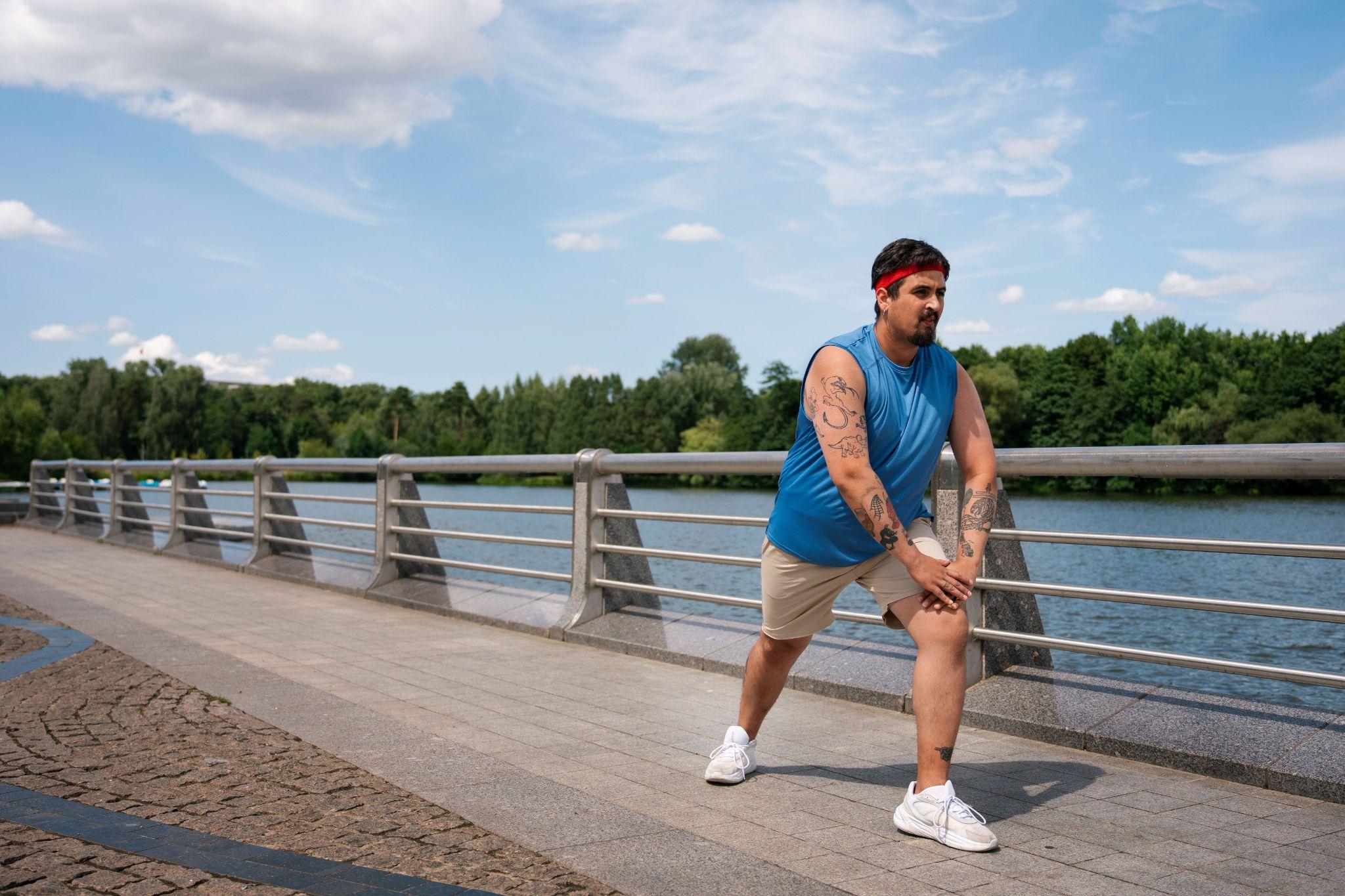
Woman jogging outdoors for fitness and bone strength
Most women don't think about their bones until something breaks. A stress fracture after a minor fall. A vertebral compression fracture that causes sudden back pain. A DEXA scan that shows osteopenia, and then the question: "How did this happen?"
It happened slowly. Bone loss in women begins around age 30, accelerates after 40, and reaches its fastest rate in the five years following menopause. By the time a fracture occurs, bone density has often been declining for 15–20 years. The structural foundation was weakening all along, silently, while other health priorities took center stage.
I've seen this pattern consistently in my practice. Women in their 50s and 60s who are fit, active, and health-conscious, but who never addressed their bone health until a fracture forced the conversation. The window for building and preserving bone mass is earlier than most people realize. What you do in your 30s and 40s determines what your bones can handle in your 60s and beyond.
Why bone density drops after 30 in women
Peak bone mass — and the decline that follows
Bone is living tissue. It's constantly being remodeled, old bone is broken down (resorption) and new bone is formed (deposition). Until about age 25–30, deposition outpaces resorption. This is when you reach your "peak bone mass", the maximum bone density you'll ever have.
After 30, the balance shifts. Resorption starts to outpace formation. The loss is gradual — roughly 0.5–1% per year through the late 30s and 40s. But during perimenopause and the first 5–7 years after menopause, women can lose bone at a rate of 2–3% per year. That's a cumulative loss of 10–20% of bone density in a relatively short window.
Estrogen: the bone protector that declines
Estrogen suppresses the activity of osteoclasts, the cells that break down bone. When estrogen levels drop, osteoclast activity increases, and bone resorption accelerates. This is why postmenopausal women are disproportionately affected by osteoporosis. But the hormonal decline doesn't start at menopause, it begins in the mid-30s as ovarian function gradually slows.
Calcium absorption becomes less efficient
The body's ability to absorb calcium from food decreases with age. A woman consuming 500 mg of calcium at age 25 absorbs more of it than a woman consuming the same amount at age 50. Low vitamin D levels compound the problem — without adequate vitamin D, calcium absorption drops by 30–40%.
Lifestyle factors that accelerate bone loss
- Sedentary habits: Bone responds to mechanical loading. Without weight-bearing activity, bones don't receive the stimulus they need to maintain density.
- Crash dieting and severe caloric restriction: Rapid weight loss programs strip the body of calcium, protein, and micronutrients essential for bone maintenance. I've seen women in their 40s with the bone density of women in their 60s, and chronic yo-yo dieting was the common thread.
- High stress and poor sleep: Cortisol, the stress hormone, promotes bone resorption when chronically elevated.
- Smoking: Directly toxic to osteoblasts (bone-building cells) and reduces estrogen levels.
- Excessive caffeine (more than 3–4 cups/day): Interferes with calcium absorption.
Early warning signs of weakening bones
Bone loss itself doesn't cause symptoms, that's what makes it dangerous. By the time osteoporosis is diagnosed on a DEXA scan, significant bone has already been lost. However, some clinical clues can prompt earlier investigation:
- Recurrent lower back pain, especially after prolonged standing or walking
- Pain or tenderness in the bones after mild impacts
- Gradual loss of height (more than 2 cm over time)
- Developing a rounded upper back (kyphosis) — the "dowager's hump"
- Fractures from low-energy injuries, a fall from standing height shouldn't break a bone in a healthy adult
If any of these apply to you, a bone density assessment is warranted, don't wait for a fracture to confirm the diagnosis.

Woman experiencing neck and back pain while sitting on a sofa
Why women Are more vulnerable than Men
Women start with less bone. On average, women reach a peak bone mass that's 20–30% lower than men's. They also have smaller skeletal frames, meaning there's less bone to lose before clinical thresholds are crossed.
Additional risk factors specific to women:
- Pregnancy and breastfeeding draw calcium from the mother's bones to support fetal and infant development. While bone density typically recovers after weaning, repeated pregnancies with inadequate calcium intake can leave lasting deficits.
- Early menopause (before age 45) or surgical menopause (after hysterectomy with removal of ovaries) accelerates bone loss because estrogen drops abruptly rather than gradually.
- Amenorrhea (absent periods) from excessive exercise, eating disorders, or hormonal conditions reduces estrogen exposure and weakens bones, even in young women.
A hip fracture in a woman over 65 carries a 20–30% mortality rate within one year — not from the fracture itself, but from the complications that follow: immobility, blood clots, pneumonia, and decline in overall health. This is why prevention starting in the 30s and 40s isn't overcautious. It's essential.
How to build and maintain strong bones after 30
Eat a bone-supporting diet
Nutrition is the foundation. Focus on:
- Calcium: 1000 mg/day for women 30–50, 1200 mg/day for women over 50. Best dietary sources: milk, yogurt (dahi), paneer, cheese, ragi (finger millet), sesame seeds (til), almonds, leafy greens (especially methi, sarson, and palak). If dietary intake falls short, calcium supplements (calcium citrate is better absorbed than calcium carbonate) can fill the gap, but always with vitamin D.
- Protein: Often overlooked for bone health. Protein makes up about 50% of bone volume. Include dal, eggs, paneer, chicken, fish, and legumes in every meal.
- Magnesium and zinc: Support bone mineralization. Found in nuts, seeds, whole grains, and dark chocolate.
- Vitamin K2: Directs calcium to the bones rather than the arteries. Found in fermented foods, egg yolks, and certain cheeses.
Ensure adequate vitamin D levels
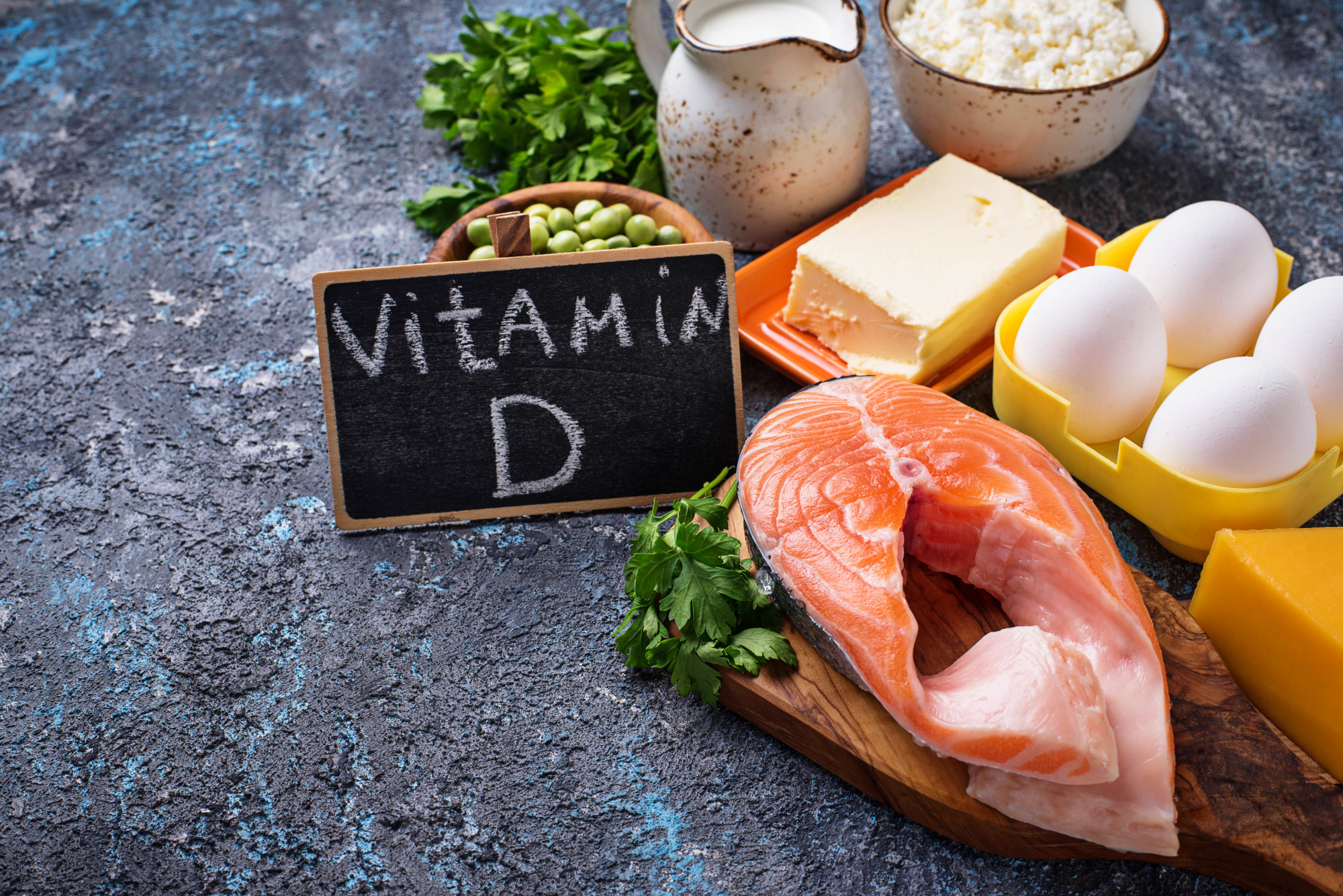
Vitamin D deficiency is epidemic in India, studies suggest 70–90% of Indians have suboptimal levels, despite abundant sunlight. Without vitamin D, your body can't absorb the calcium you eat, no matter how much you consume.
- Spend 15–20 minutes in direct sunlight (not through glass) between 10 AM and 2 PM, with arms and face exposed
- Have your serum 25-hydroxy vitamin D level checked. Optimal range is 30–50 ng/mL.
- If levels are below 20 ng/mL, supplementation is necessary — typically 60,000 IU weekly for 8–12 weeks, then a maintenance dose. Your doctor will guide the protocol.
Prioritize weight-bearing and resistance exercise
Bone responds to mechanical stress by increasing density. This is called Wolff's Law. The exercises that build bone most effectively are:
- Walking (brisk, 30+ minutes daily), the simplest and most accessible weight-bearing exercise
- Stair climbing, loads the hip and spine, two of the most fracture-prone areas
- Strength training — using bodyweight, resistance bands, or light dumbbells 3–4 times/week. Squats, lunges, overhead presses, and deadlifts (with proper form) are excellent.
- Yoga, certain poses (warrior, tree, triangle) combine weight-bearing with balance training, which also reduces fall risk
Consistency matters more than intensity. Thirty minutes of weight-bearing exercise done 5 days a week builds more bone than an intense 2-hour session done once.

Woman performing strength training exercises on a yoga mat
Avoid extreme dieting
Crash diets, juice cleanses, extremely low-calorie regimes, long-term keto without medical supervision — deplete the body of calcium, vitamin D, and protein. The weight you lose isn't just fat; some of it is bone.
Weight management should be gradual (0.5–1 kg per week) and nutritionally balanced. If you're restricting calories, make sure calcium and protein intake remain adequate.
Cut back on bone-damaging habits
- Smoking directly accelerates bone loss. Quitting at any age has measurable benefits for bone density within 5–10 years.
- Excessive alcohol (more than 2 drinks/day) interferes with calcium absorption and impairs osteoblast function.
- Too much caffeine (beyond 3 cups of coffee/day) increases urinary calcium excretion.
When should You Get a bone density test?
A DEXA scan (Dual-Energy X-ray Absorptiometry) is the standard test for measuring bone density. It's painless, takes 10–15 minutes, and measures bone density at the hip and lumbar spine.
I recommend screening for women who have:
- A family history of osteoporosis or hip fracture
- Early menopause (before 45)
- A history of fractures from low-energy injuries
- Long-term corticosteroid use (for conditions like asthma, rheumatoid arthritis, or lupus)
- Chronic vitamin D deficiency
- Thyroid or parathyroid disorders
- A history of eating disorders or prolonged amenorrhea
For women without specific risk factors, a baseline DEXA scan at age 50 is reasonable. If risk factors are present, screening should start earlier, in some cases, as early as the late 30s.
Preventing falls, because strong bones still need protection
Building strong bones is half the equation. Preventing falls is the other half. Most osteoporotic fractures happen because of a fall, not because bones break spontaneously.
Practical measures to reduce fall risk:
- Keep floors dry and free of loose rugs, wires, and clutter
- Install grab bars in bathrooms, especially near the toilet and in the shower
- Ensure adequate lighting throughout the house, particularly in hallways and staircases
- Wear footwear with non-slip soles — avoid walking barefoot on smooth tiles
- Incorporate balance exercises into your routine, single-leg stands, tandem walking, tai chi
These measures become especially critical after age 60.
The long-Term payoff of starting early
Women who begin bone health measures in their 30s, adequate nutrition, regular exercise, vitamin D optimization, and periodic screening — enter their 50s and 60s with significantly stronger skeletons. They have fewer fractures, maintain better posture, and retain the mobility and independence that fractures can take away permanently.
Women who delay bone health until their 60s often find themselves managing a problem that could have been prevented. Treatment at that stage is still possible, medications like bisphosphonates and denosumab can slow bone loss, but they can't rebuild what was lost over 30 years of inattention.
Prevention outperforms treatment every time.
When to consult an orthopedic specialist
If you're experiencing unexplained back pain, recurrent aches, tenderness in your bones, or if you've had a fracture from a minor injury, a bone health evaluation is warranted.
At my practice at KDSG Hospital, Noida, we offer bone density assessment, vitamin D and calcium level testing, and personalized bone health plans for women at every stage — from their 30s through post-menopause. The goal isn't to create anxiety about bones. It's to give you the information and tools to keep them strong for life.
Your skeleton is the framework your entire body depends on. Give it the same attention you give your heart, your skin, and your diet. It'll carry you further.
Medical Disclaimer
The information provided on this website is for educational purposes only and should not be considered as medical advice. Please consult Dr. Ankur Singh or a qualified healthcare professional for personalized medical guidance.
Share this blog:
 Copy
Copy