How to Prevent Overuse Injuries in Youth Sports: Safe Training Tips for Young Athletes
======================================================================================

Overuse injuries occur from repetitive stress on muscles, joints, or bones without enough rest. Common examples in young athletes include stress fractures, tendonitis, and growth plate injuries, often caused by excessive training or poor technique.
A 13-year-old cricket bowler came to my clinic last month with persistent elbow pain he'd been ignoring for two months. His coach had him bowling 60-70 deliveries every practice session, six days a week, with no off-season. By the time I examined him, the medial epicondyle growth plate was inflamed, and he needed eight weeks of complete rest from the sport he loved.
This story repeats itself across every sport, basketball, swimming, gymnastics, tennis, football. More children are participating in organized athletics than ever before, and while the physical fitness, discipline, and social benefits are real, so is the growing toll of overuse injuries. These aren't the dramatic ACL tears or fractures you see on TV. They're slow-building, often misdiagnosed, and frustratingly common.
The critical difference between adult and youth overuse injuries is growth. A child's skeleton, tendons, and muscles are still maturing. The training loads that an adult body tolerates without issue can cause genuine structural damage in a 10- or 14-year-old. Understanding this distinction is the foundation of injury prevention.
What Exactly Are Overuse Injuries?
An overuse injury develops when repetitive microtrauma accumulates faster than the body can repair it. Every training session places controlled stress on tissues, that's how adaptation and strengthening work. But when the recovery window between sessions is too short, or the volume too high, inflammation builds. Small tears in tendons don't fully heal. Bone remodeling can't keep pace with the stress applied. The tissue gradually breaks down rather than building up.
This is fundamentally different from an acute injury. A sprained ankle happens in a single moment. Patellar tendonitis develops over six weeks of daily jumping drills. The insidious nature of overuse injuries is exactly what makes them dangerous — by the time a young athlete feels enough pain to complain, the underlying damage is often well established.
Common overuse injuries I see in young patients include:
- Stress fractures, hairline cracks in bone, most often in the tibia, metatarsals, or lumbar spine
- Tendonitis, inflammation of tendons, particularly in the patellar tendon (jumper's knee), Achilles tendon, and rotator cuff
- Osgood-Schlatter disease — painful inflammation at the tibial tuberosity, where the patellar tendon attaches below the knee
- Little League shoulder and elbow, growth plate injuries from repetitive throwing
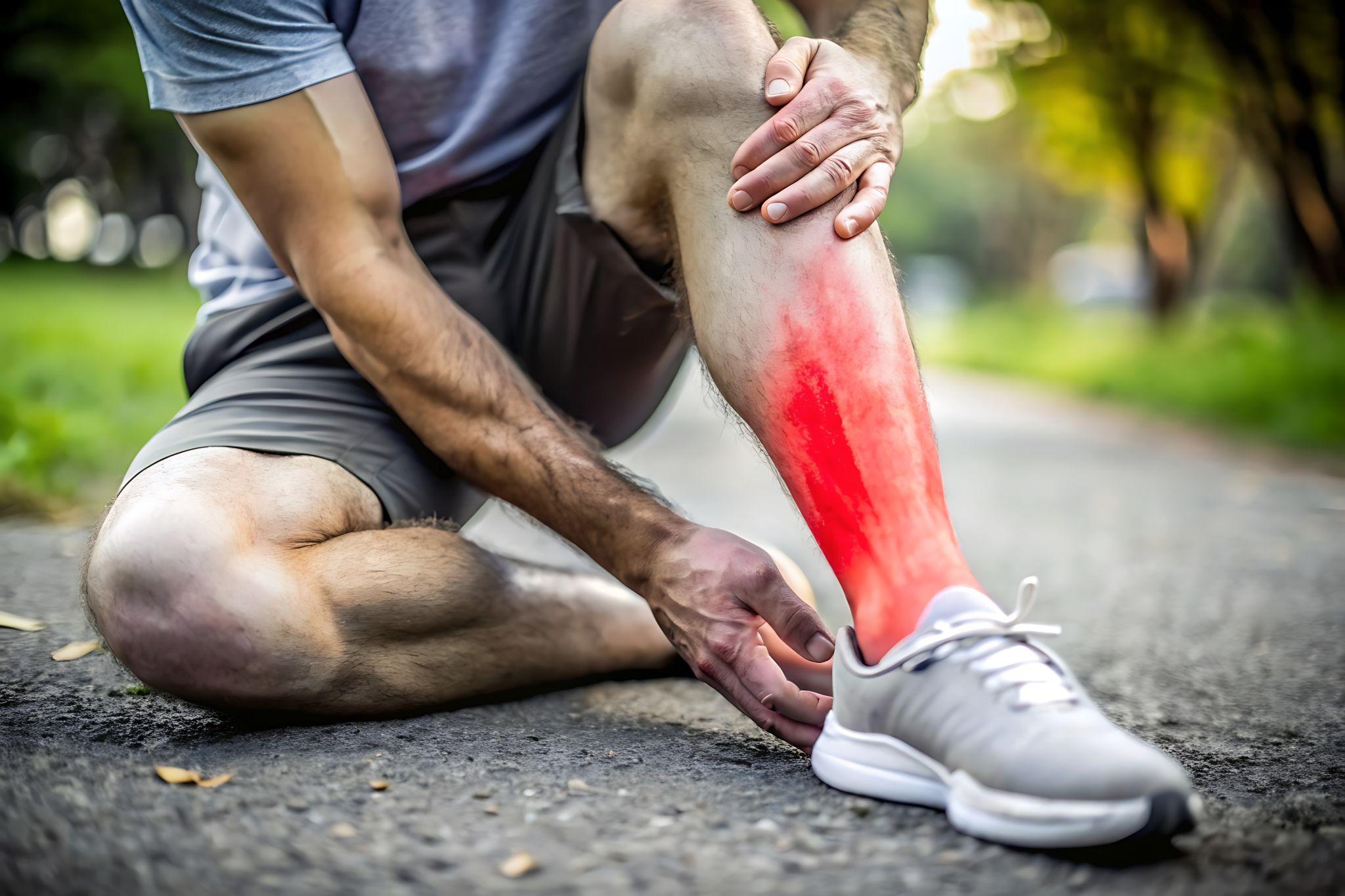
- Shin splints (medial tibial stress syndrome), pain along the inner edge of the shinbone
- Sever's disease — heel pain caused by inflammation of the calcaneal growth plate, common in runners and jumpers
Why Young Athletes Are Particularly Vulnerable
Growth plates are the weak link. These cartilaginous zones at the ends of long bones are softer and less resilient than mature bone. They're also the point of attachment for major tendons. When a 12-year-old does repetitive overhead throws, the stress concentrates at the growth plate rather than distributing through the mature bone structure the way it would in an adult.
During growth spurts, the situation worsens. Bones grow faster than the muscles and tendons attached to them. This creates temporary tightness, a tight quadriceps pulling on an immature tibial tuberosity is exactly how Osgood-Schlatter disease develops.
Several other factors compound the risk:
Early sport specialization. Children who focus on a single sport year-round load the same joints, in the same movement patterns, 300+ days a year. The tissues never get a break from that specific stress. A child who plays football in winter and swims in summer distributes mechanical load across different muscle groups and joints.
Training volume errors. Coaches sometimes apply adult training models to children. A 14-year-old's recovery capacity is not the same as a 24-year-old's. Increasing mileage, reps, or intensity too quickly, the "too much, too soon" pattern — is the single most common trigger I see in my practice.
Poor biomechanics. Incorrect technique magnifies force on vulnerable structures. A young bowler with a mixed action loads the lumbar spine asymmetrically. A swimmer with poor shoulder rotation impinges the supraspinatus tendon with every stroke.
Psychological pressure. When kids feel pressure to perform, from coaches, parents, or competitive selection processes, they hide pain. A child who says "it hurts a little" usually means it hurts a lot.
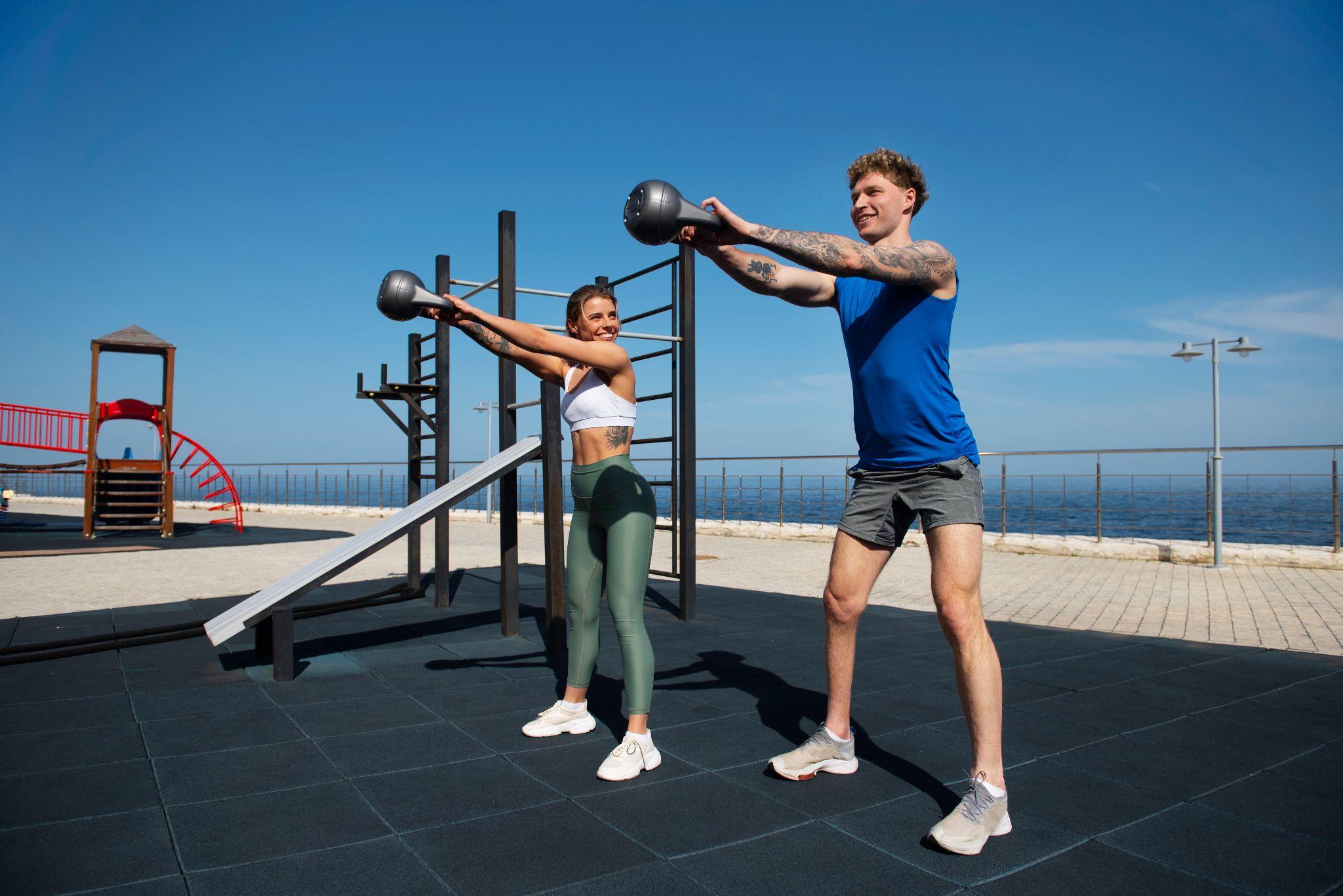
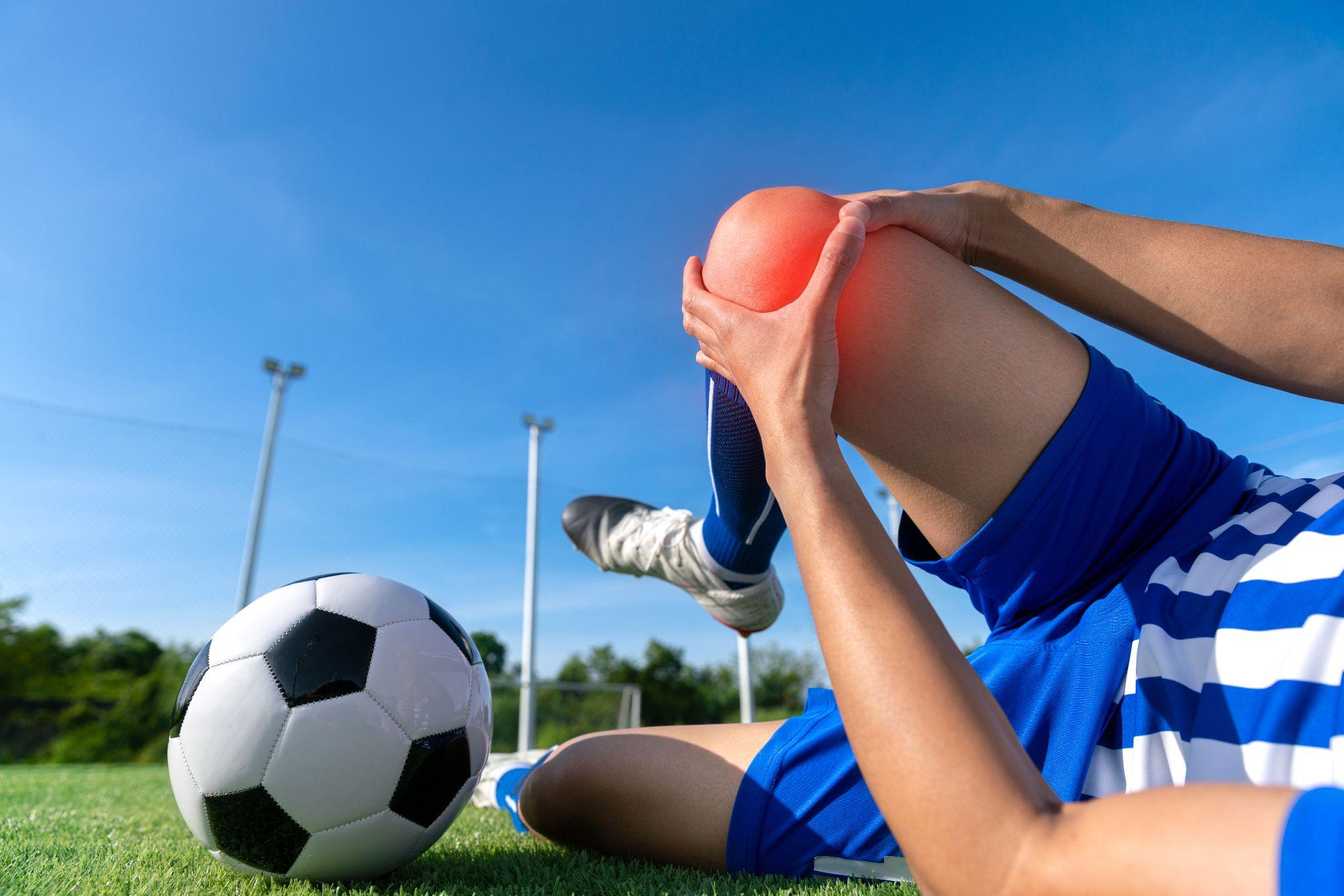
Early warning signs of overuse injuries include pain, swelling, reduced performance, or changes in movement patterns. Ignoring these signs can lead to chronic damage and long-term joint problems.
Recognizing the Warning Signs Early
Overuse injuries rarely announce themselves dramatically. They creep in. The pattern typically follows this progression:
- Pain after activity that resolves with rest — most families dismiss this as normal soreness
- Pain during activity that doesn't affect performance yet, the child keeps playing
- Pain during activity that limits performance, the child modifies technique to compensate
- Pain at rest — by this stage, structural damage is often significant
Specific signs parents and coaches should watch for:
- Persistent pain in a specific joint, muscle, or bone that recurs after activity
- Swelling or tenderness that doesn't resolve within 48 hours
- Stiffness or reduced range of motion, particularly in the morning
- A limp or altered movement pattern (favoring one leg, changing throwing mechanics)
- Declining performance despite consistent training
- Reluctance to participate without a clear emotional reason
Any pain that recurs in the same location across multiple training sessions is not "growing pain." It's a signal that tissue damage is accumulating, and it needs evaluation.
Evidence-Based Prevention Strategies
Preventing overuse injuries isn't about reducing training intensity to zero. It's about training smarter. These strategies are backed by sports medicine evidence and are what I recommend to the young athletes and families I treat.
1. multi-Sport participation over early specialization
This is the single most protective factor. Children who play multiple sports develop broader motor skills, load different joints across the year, and experience fewer overuse injuries than single-sport athletes. The American Academy of Pediatrics recommends that children avoid single-sport specialization before age 15-16.
Multi-sport participation doesn't diminish elite potential. Most professional athletes played multiple sports through their teenage years.
2. The age-Hours rule
A practical guideline: a child's weekly hours of organized sport should not exceed their age in years. A 12-year-old should train no more than 12 hours per week across all organized activities. This includes matches, practice, and conditioning. Beyond this threshold, injury risk rises significantly.
3. structured rest and recovery
At minimum, young athletes need one full rest day per week, no organized sport, no conditioning. They also need at least 2-3 months off from their primary sport each year. This doesn't mean sitting idle; it means switching to recreational activity, cross-training, or a different sport.
Sleep is an underappreciated recovery tool. Adolescents need 8-10 hours per night. Growth hormone, essential for tissue repair — is released primarily during deep sleep. A training schedule that cuts into sleep is undermining recovery at a hormonal level.
4. proper warm-Up and cool-Down protocols
Every session should start with 10-15 minutes of dynamic warm-up: light jogging, leg swings, arm circles, sport-specific movement drills. Static stretching before activity has fallen out of favor, dynamic preparation is more effective at reducing injury risk.
Cool-down should include 5-10 minutes of decreasing-intensity activity followed by static stretching of the major muscle groups used. Foam rolling after training can reduce post-exercise soreness and improve tissue quality over time.
5. technique before volume
Correct form should be the primary training objective for children under 14. A young tennis player who hits 100 forehands with proper mechanics is building resilient movement patterns. The same player hitting 300 forehands with a faulty wrist position is building toward an injury.
Coaches should regularly assess and correct technique. Video analysis, even on a phone, can reveal compensatory patterns that aren't visible in real time.
6. progressive loading
Training volume and intensity should increase by no more than 10% per week. This applies to running mileage, throwing counts, swimming distance, and weight room loads. The tissues need time to adapt to each new demand before the next increase.
7. nutrition and hydration
Growing athletes need more fuel than sedentary children, and the composition matters. Adequate calcium (1000-1300 mg/day for ages 9-18) and vitamin D support bone density. Protein intake should be distributed across meals to support muscle repair. Iron is particularly important for adolescent female athletes.
Dehydration impairs coordination, increases perceived exertion, and delays recovery. Young athletes should drink water before, during, and after training, not just when thirsty.

Using the correct technique and equipment plays a major role in injury prevention. Coaches should ensure athletes learn proper form, wear supportive shoes, and use protective gear suited to their sport and age.
The Role of Coaches and Parents
Coaches set the training environment. A coach who prioritizes winning over development will push athletes past safe limits. A coach who monitors workload, builds in recovery, and pulls a child out at the first sign of persistent pain prevents injuries that could sideline that athlete for months.
Practical steps for coaches:
- Track pitch counts, sprint volumes, and training hours per athlete per week
- Build periodization into training — alternating high-intensity and low-intensity weeks
- Never use training as punishment (running laps for mistakes increases fatigue-related injury risk)
- Create a culture where reporting pain is expected, not punished
Parents need to be the safety net. Children won't always advocate for themselves, especially when selection spots or team positions are at stake. If your child reports pain that persists beyond normal muscle soreness, take it seriously. Ask direct questions: "Does it hurt in the same spot every time?" "Does rest make it better?" "Has it changed how you move?"
And resist the urge to push a child back to sport before they're fully recovered. A two-week injury that's properly managed stays a two-week injury. A two-week injury that's ignored becomes a two-month injury.
When to Seek Medical Attention
Consult a sports medicine physician or orthopedic specialist if:
- Pain persists for more than 5-7 days despite rest
- Pain worsens progressively over multiple sessions
- Swelling or tenderness doesn't resolve within 48 hours
- The child's movement pattern has changed (limping, altered throwing motion)
- Night pain or pain at rest develops
- Any sharp, localized bone pain after impact or stress
Early diagnosis typically leads to shorter recovery times. A stress reaction caught at two weeks responds to 4-6 weeks of modified activity. That same stress reaction ignored for two months becomes a stress fracture requiring 8-12 weeks of complete rest and potential immobilization.
Building Athletic Careers That Last
The goal of youth sports shouldn't be peak performance at age 14. It should be developing an athlete who's healthy, skilled, and motivated enough to keep playing at 18, 25, and beyond. The children I see who burn out or suffer career-ending injuries by their mid-teens almost always share a common history: too much specialization, too little rest, and warning signs that were dismissed as weakness.
Training smart, recovering properly, and treating a young body with the respect its developmental stage demands, that's how you build athletes who last. And from my perspective as an orthopedic surgeon who sees the consequences when these principles are ignored, there's nothing more worth the effort.
Frequently Asked Questions
1. What are the most common overuse injuries in young athletes?
Stress fractures, patellar tendonitis (jumper's knee), Osgood-Schlatter disease, shin splints, Little League shoulder/elbow, and Achilles tendonitis are the ones I diagnose most frequently.
2. How can parents help prevent overuse injuries?
Enforce rest days, support multi-sport participation, monitor training hours against the age-hours rule, and take any recurring pain report seriously. Don't dismiss persistent complaints as "growing pains."
3. Is early sport specialization safe for children?
Generally, no. Single-sport focus before age 15-16 significantly increases overuse injury risk and is associated with higher burnout rates. Multi-sport participation through early adolescence is both safer and better for long-term athletic development.
4. How much rest do young athletes need?
A minimum of one full rest day per week and 2-3 months off from their primary sport annually. Sleep of 8-10 hours per night is equally critical for tissue repair and growth.
5. When should a child see a doctor for a sports injury?
If pain persists beyond 5-7 days, worsens with activity, produces swelling that doesn't resolve, or changes how the child moves, get a professional evaluation. Earlier assessment means shorter recovery.
6. Can proper warm-up and stretching prevent injuries?
Dynamic warm-ups before training and static stretching afterward reduce injury risk significantly. They improve blood flow, prepare tissues for load, and maintain the flexibility that growing muscles need.
Medical Disclaimer
The information provided on this website is for educational purposes only and should not be considered as medical advice. Please consult Dr. Ankur Singh or a qualified healthcare professional for personalized medical guidance.
Share this blog:
 Copy
Copy