Low-Impact Exercises Best for People with Joint Pain

Stretching routines performed regularly help maintain joint range of motion and prevent stiffness, especially in people with chronic joint conditions.
While joint pain can make daily movement difficult, one of the best methods to reduce stiffness and improve mobility is to remain active. That is where low-impact exercises prove to be eminently helpful. Such exercises are soft on the joints and reduce stress on the knees, hips, and back, thus helping people suffering from pain to stay active safely.
The low-impact nature of these exercises maintains the mobility of the joints, strengthens the muscles that support these joints, and generally improves flexibility because it doesn't put too much pressure on the body.
Below, you'll find out what low-impact exercises are, the advantages of such activities, what types are considered the best to try, and some safety precautions.
What are low-impact exercises?
Low-impact exercises are activities that do not put sudden or excessive pressure on your joints. They include smooth, controlled movements that keep one foot on the ground at all times or that use water or machines to support body weight.
These exercises are particularly indicated in cases of:
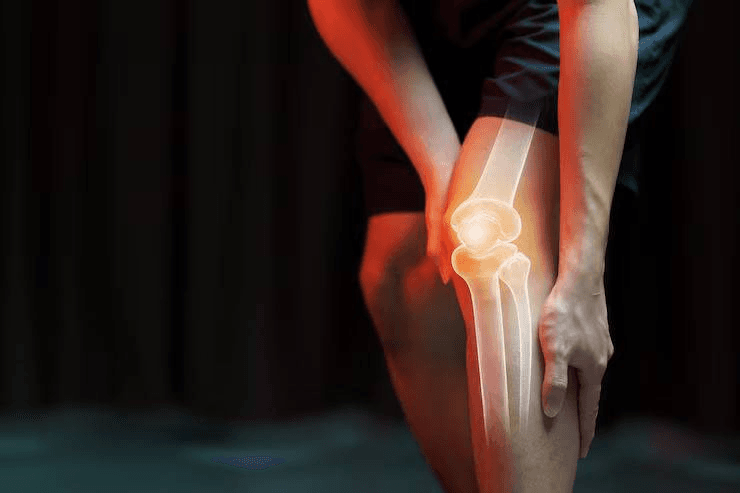
- Knee Pain
- Hip pain
- Lower back pain
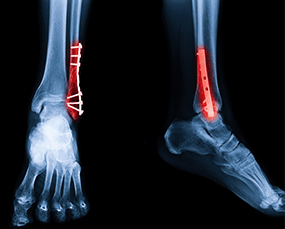
- Ankle problems
- Arthritis
Low-impact vs. High-impact workouts
High-impact exercises include running, jumping, skipping, and vigorous aerobics; these place more stress on the joints and can make pain worse.
These low-impact exercises maintain more gentle movement, slower transitions, and controlled motions that protect cartilage and reduce joint stress.

Tai Chi enhances balance, coordination, and joint flexibility through slow, mindful movements that reduce the risk of falls.
Benefits of Low-Impact Exercise on Joint Pain
Relieves Stress on Joints
Low-impact exercises are gentle and protect the joints from excessive load. They prevent wear on cartilage and provide people who have pain with the ability to exercise without further aggravation of their condition.
Improves Flexibility and Range of Motion
Regular low-impact movement also keeps the joints active and minimizes stiffness, thereby increasing one's ability to bend, stretch, walk, and go about daily activities in comfort.
Strengthens Supporting Muscles
Strong muscles act as shock absorbers: they support the joints, reducing the direct pressure on the knee, hip, or back. Low-impact exercises safely strengthen the muscles around the joints.
Improves Blood Circulation
Exercising gently enhances blood circulation to the joints. Good blood circulation assists in reducing inflammation, removing stiffness, and aids natural healing.
Helps in Weight Management
Excess body weight puts greater pressure on the joints. The low-impact exercises burn calories well without causing extra pain; thus, they are suitable for healthy weight loss.

Elliptical training provides a smooth gliding motion that avoids the joint impact caused by running while still offering a good cardiovascular workout.
The Best Low-Impact Exercises for People with Joint Pain
Walking
Walking is one of the least complicated and safest varieties of low-impact exercises. It provides mobility for the joints, strengthens the legs, improves balance, and increases stamina. Equally effective will be walking outdoors in a park or on a treadmill.
Swimming
It is a very joint-friendly sport, as the water carries most of your body weight. That means minimal pressure on your painful joints. It strengthens muscles and improves cardiovascular health with a full-body workout.
Biking/Stationary Biking
Cycling provides a smooth, fluid motion with minimal impact. In addition, it strengthens the muscles of the thighs and hips-very good for the knees. Stationary bikes are great for beginners or those with limited balance.
Water Aerobics
Water aerobics combines cardio and strength training but is water-based to reduce the level of stress on the joints. It is entertaining, safe, and very effective in muscle toning, weight loss, and the improvement of mobility.
Yoga
Yoga gently stretches the joints, improving one's posture, flexibility, and balance. These postures include the cat-cow, child's pose, and other mild stretches that help reduce stiffness in the back, hips, and knees. Deep breathing further helps in letting the body relax and reducing pain.
Pilates
Pilates strengthens the core muscles, which are the base of any kind of joint stability. A strong core relieves the pressure off the lower back and aligns the hips and knees accordingly. Excellent for people who have chronic pain.
Elliptical Machine Workouts
The elliptical emulates both walking and running but does so without impact. You get a great cardio workout with it, yet it is easy on the knees and ankles; it's an ideal machine to build leg strength safely.
Tai Chi
Tai Chi involves a series of slow, meditative movements that help improve one's balance, coordination, and joint mobility. It has so far been very instrumental in reducing the occurrence of falls among elderly persons and people affected by arthritis while strengthening the body at the same time.
Light strength training: Light strength training strengthens the muscles that support your joints, while resistance bands, light dumbbells, or bodyweight exercises improve stability around the joints. The stronger the muscles, the less load there is on your painful joints, and it will prevent further injuries.

Yoga improves flexibility, reduces stiffness, and supports joint alignment through gentle, controlled movements and stretching.
Safety Tips to Exercise with Joint Pain
First, always warm up. Light stretching and pacing oneself get the body prepared and don't result in injury. Gradually increase the intensity from slow to fast, as sudden movements jar the joints. Use the correct form to avoid putting unnecessary strain on muscles and joints. Listen to your body-stop immediately if you feel sharp pain, swelling, or discomfort. Be consistent. Regular low-impact exercise is better than an occasional punishing workout.
When to Avoid or Modify Exercises
Even though low-impact exercises are safe, there are times when you need to be careful: When the joints are inflamed during arthritis flare-ups If you have swelling, redness or warmth in any joint When there is sudden, sharp, or shooting pain If your knee or ankle starts to lock, give way, or feel unstable In such scenarios, one should consult a physiotherapist or an orthopedic doctor. They will suggest corrective exercises and advise modification of movements for safety.
Conclusion
Some of the best exercises for any joint pain include low-impact workouts. These exercises are non-aggressive, effective, and easy on the knees, hips, back, and ankles. When continued over time, such exercises can help improve mobility, strengthen muscles, reduce stiffness, and manage body weight. Remember, you don’t need high-intensity workouts to stay healthy; more important than intensity is consistency.
Frequently Asked Questions
1. Which exercises reduce joint pain the most?
Some of the low-impact exercises that are considered best for reducing joint pains are walking, swimming, cycling, yoga, and water aerobics.
2. Can someone work out with arthritis or knee pain?
Yes. Low-impact exercises are prescribed for arthritis and knee pain since they reduce stiffness and, at the same time, increase flexibility without aggravating the disease.
3. How frequently should I do the low-impact exercises?
Do them for about 30 minutes a day, 4–5 days a week, or as your doctor recommends.
4. Does walking count as being low-impact and safe for painful knees?
Of course, since putting minimal stress on them it strengthens the muscles around the knees and keeps the joints mobile.
5. Which low-impact exercise burns the most calories?
Swimming, cycling, and elliptical workouts burn the most calories while not going so hard on the joints.
Medical Disclaimer
The information provided on this website is for educational purposes only and should not be considered as medical advice. Please consult Dr. Ankur Singh or a qualified healthcare professional for personalized medical guidance.
Share this blog:
 Copy
Copy


Spine Surgery & Back Pain/front-view-doctor-explaining-anatomy-compressed.jpg)
.jpg)