Does Cold Weather Actually Make Joint Pain Worse? The Science Behind It

A woman wearing winter clothing showing joint stiffness and wrist pain aggravated by cold weather.
Every Indian with arthritis knows the feeling. The nights start cooling in October. By December, the early morning stiffness is worse than it was in September. The knee that behaved reasonably well through monsoon now aches reliably when the fog rolls in over Noida. Dadi says her knees can predict rain better than the news channel.
Is this real? Or is it in the imagination — the way we notice cold-weather pain more because we are generally more uncomfortable anyway?
It is real. The research is consistent enough that the question is no longer whether cold weather worsens joint pain, but precisely why — and the answer is more interesting than most patients realise.
What the Research Shows
Multiple large population studies have examined the relationship between weather and arthritis pain with consistent findings. A 2019 Dutch study called "Cloudy with a Chance of Pain" tracked over 2,600 patients with chronic pain across the UK for 15 months using a smartphone app. Participants recorded daily pain levels alongside local weather data. The result: both cold temperatures and high humidity were significantly associated with worse pain scores. Low temperature was the strongest single predictor.
A separate analysis of 11 million osteoarthritis and rheumatoid arthritis GP visits in the US over a 5-year period found that both arthritis patient appointments and pain scores were higher in winter months compared to summer, even after controlling for infection season and other confounders.
Notably, some studies have found the opposite relationship — a minority of patients report worse pain in hot, humid conditions. The predominant pattern is cold and damp worsening pain, but individual variation is real.
The Mechanisms: Why Cold Weather Hurts Joints
1. Barometric Pressure Changes — The Most Important Mechanism
This is the one that most people do not know about, and it is likely the most significant driver of weather-related joint pain.
Atmospheric pressure (barometric pressure) fluctuates with weather systems. When a low-pressure system approaches — which is what happens before rain, fog, and temperature drops — barometric pressure falls. This drop in external pressure has a measurable effect on the tissues and fluid spaces inside the body.
Joint capsules, tendons, muscles, and scar tissue expand slightly when external pressure drops. For patients with arthritis, where the joint space is already compromised, inflamed, or has reduced cartilage cushioning, this expansion stimulates pain receptors in the joint capsule and surrounding tissues.
The body's pain-sensitive nerve endings in joint tissues (nociceptors) respond to pressure and stretch. Even small changes in tissue pressure — the kind produced by barometric pressure shifts — are sufficient to activate these receptors in a sensitised arthritic joint.
This is why arthritis pain often precedes the rain — the barometric pressure drops before the precipitation arrives. Patients who say their joints predict weather are not imagining it. They are responding to a real physical stimulus.
2. Reduced Synovial Fluid Viscosity in Cold
Synovial fluid — the natural lubricant of joints — becomes slightly more viscous (thicker and less fluid) at lower temperatures. Think of how cooking oil moves more slowly in the cold. Thicker synovial fluid provides marginally less efficient joint lubrication, particularly during the first few movements after extended rest in a cold environment. This contributes to the pronounced morning stiffness in cold weather.
As the joint warms with movement, synovial fluid viscosity normalises and lubrication improves — which is why most patients notice that their cold-weather stiffness is worst in the first 15 to 30 minutes after waking and improves considerably once they have been moving.
3. Cold-Induced Muscle Tension
Cold temperatures cause reflexive muscle tightening — the body's mechanism for generating and conserving heat. In joints that are already sensitive, this increased resting muscle tension can compress the joint, increase local pressure, and worsen pain. It also makes the muscles more resistant to movement, contributing to the stiffness sensation.
4. Reduced Physical Activity in Cold Weather
A less direct but clinically significant mechanism. In cold weather, many patients with arthritis reduce their physical activity — staying indoors, not going for morning walks, avoiding the cold. This reduction in activity leads to muscle weakening and joint stiffening that further worsens the pain. The inactivity effect becomes a self-reinforcing cycle: pain → less activity → weaker muscles → more pain.
5. Psychological and Perceptual Factors
This is not the primary mechanism, but it is real and documented. Pain perception is influenced by mood, arousal, and attention. Cold, grey, foggy days — the typical Delhi-NCR December-January — are associated with lower mood and less distraction. With less competition for the brain's attention, pain signals receive more processing — making the same joint pain feel worse subjectively.
Specifically for Delhi-NCR Winters
Noida and Greater Noida winters have a particular character that combines several of these factors simultaneously:
Dense fog: The signature winter feature of the Delhi-NCR is not extreme cold but persistent fog — which is associated with high humidity, low pressure, and temperature inversions. All three are associated with worse arthritis pain by the mechanisms described above.
Temperature drops at night with cold mornings: The greatest joint stiffness is typically reported in the early morning when temperatures are lowest and the joint has been immobile for hours. The 5am to 8am window — when pollution is also often highest — is when most arthritic patients in Noida report peak morning stiffness.
Reduced outdoor activity: The combination of cold, fog, and poor air quality in winter genuinely limits outdoor activity, contributing to the deconditioning cycle.
What Actually Helps: Managing Joint Pain Through the Winter
1. Keep Moving — Despite the Instinct Not To
The strongest evidence-based recommendation for winter joint pain is counterintuitive: maintain physical activity even as the weather worsens. This keeps synovial fluid viscosity managed, maintains muscle support around the joint, and prevents the deconditioning cycle.
Practical adjustments for the winter:
- Move indoors: stationary cycling, yoga (with knee-appropriate modifications), resistance exercises at home, walking in a warm indoor space
- The morning warm-up before outdoor activity matters more in cold weather — 5 to 10 minutes of gentle indoor movement before going out
- Dress the affected joints warmly: knee sleeves, thermal leggings, and warm socks reduce the direct cold exposure that triggers muscle tension
2. Heat Application
Unlike ice (appropriate for acute injury), heat is the appropriate application for the stiffness of arthritis — particularly in cold weather. A warm wheat bag, electric heating pad, or even warm water bottle applied to the stiff joint for 15 to 20 minutes before morning activity significantly reduces stiffness.
The mechanism: heat increases synovial fluid fluidity, relaxes surrounding muscle tension, and dilates the small blood vessels around the joint, improving local circulation.
3. Maintain Hydration
Joint lubrication depends partly on adequate systemic hydration. People drink less water in winter — unlike summer, thirst is less prominent. Make a deliberate effort to maintain water intake. Warm fluids (chai, warm water with lemon, warm soups) help maintain both hydration and body temperature simultaneously.
4. Vitamin D Attention in Winter
Winter sun in Delhi-NCR is limited — both by reduced daylight hours and by the atmospheric haze that filters UVB radiation. Vitamin D levels, already low in most Indians, decline further through winter. Low Vitamin D is independently associated with musculoskeletal pain. Continue prescribed Vitamin D supplementation through winter consistently.
5. Medication Management
For patients on regular anti-inflammatory medication (NSAIDs, COX-2 inhibitors), winter may be when consistent use — as opposed to occasional use — is more appropriate. Discuss with Dr. Ankur Singh whether your medication regimen should be adjusted seasonally.
When Winter Joint Pain Warrants a Consultation
Seasonal worsening of known arthritis pain — worse in October to February, better in warmer months — is expected and does not in itself require urgent assessment.
Seek a consultation if:
- The winter worsening is dramatically more severe than previous years, suggesting disease progression
- Swelling has developed alongside the increased pain
- Sleep is being significantly disrupted by joint pain
- The winter has revealed that the overall level of arthritis management is insufficient — that conservative management is no longer providing adequate quality of life
To book at Renew Orthopedic Clinic, Sector 47 Noida, call the number listed on this website.
Frequently Asked Questions
Should I move to a warmer climate to help my arthritis?
While warmer, drier climates are anecdotally associated with better arthritis symptoms in some patients, the evidence for climate relocation producing lasting benefit is weak. The body adapts to local climate, and the same mechanisms (barometric pressure changes, temperature drops) operate in warm climates too — just at different times of year.
Does wearing a knee brace in winter help?
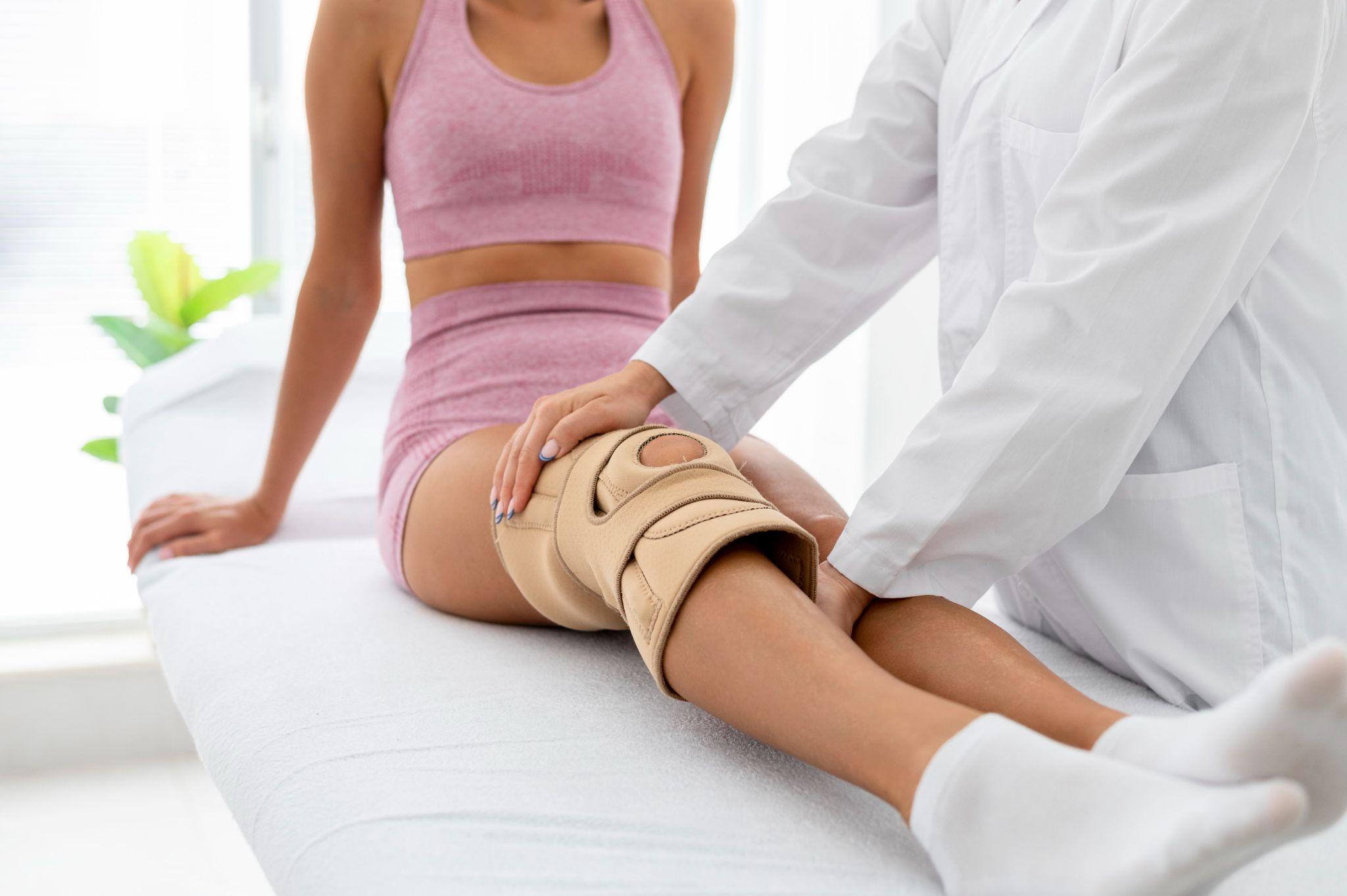
A knee sleeve or brace provides warmth and mild proprioceptive support — both of which can reduce winter pain for some patients. They are not a treatment for underlying arthritis, but as a symptom management tool for cold weather, they have practical value.
My elderly parent's pain is much worse this winter. Is this an emergency?
Significant seasonal worsening in an elderly patient with known arthritis is usually not an emergency. However, if there is new swelling, fever, inability to bear weight, or pain that is dramatically worse than any previous episode, these warrant same-day evaluation to exclude other causes (gout flare, infection).
Dr. Ankur Singh | Best Orthopedic Surgeon in Noida | Winter Joint Pain India | Arthritis Cold Weather | Bone Joint Health Noida | KDSG Superspeciality Hospital Greater Noida
Medical Disclaimer
The information provided on this website is for educational purposes only and should not be considered as medical advice. Please consult Dr. Ankur Singh or a qualified healthcare professional for personalized medical guidance.
Share this blog:
 Copy
Copy