Arthritis Pain Management: Non-Surgical and Surgical Options
Arthritis is one of the most common reasons people develop lasting joint pain, stiffness, and reduced mobility. While it is often linked with ageing, factors such as excess body weight, previous joint injuries, and family history can raise the risk at any age. The good news is that arthritis pain can usually be managed well, whether through conservative care alone or, in advanced cases, with surgery.
This guide explains the full range of arthritis pain management options, from everyday lifestyle changes to modern joint replacement. It also helps you understand when non-surgical treatment is enough and when surgery for arthritis may become the better choice.
Understanding Arthritis and Joint Pain
Arthritis refers to inflammation and progressive wear within a joint. Over time, the smooth cartilage that cushions the bones breaks down, which leads to pain, swelling, and limited movement. The most common forms include osteoarthritis, rheumatoid arthritis, and post-traumatic arthritis that follows an old injury.
Knee arthritis is especially widespread because the knee carries much of the body's weight. Hip arthritis is also common and can affect how comfortably a person sits, walks, or sleeps, while the hands, spine, and shoulders may be involved as well.
Common Symptoms of Arthritis
- Persistent or aching joint pain
- Morning stiffness that eases with movement
- Swelling or warmth around a joint
- Reduced range of motion
- Difficulty walking, climbing stairs, or doing daily tasks
- A grinding or clicking sensation in the joint
Recognising these signs early and getting an accurate diagnosis is one of the most important steps in long-term joint pain management. The earlier the condition is assessed, the more treatment options a patient usually has.
Non-Surgical Options for Arthritis Pain Relief
For mild to moderate arthritis, non-surgical treatment is almost always the first line of care. The aim is to ease pain, protect the joint, and keep the person active for as long as possible. Most patients respond well to a combination of the approaches below rather than any single one.
Lifestyle Modifications
Simple, consistent changes to daily habits can make a real difference to how a joint feels:
- Maintaining a healthy weight to reduce load on the knees and hips
- Choosing low-impact activity such as walking, swimming, or cycling
- Using good posture and supportive footwear
- Pacing activity to avoid overloading a painful joint
Even modest weight loss can ease the pressure on weight-bearing joints and noticeably improve knee arthritis symptoms. Staying active, rather than resting completely, generally helps keep joints supple.
Medications and Pain Control
Medicines can help control inflammation and pain, although they do not reverse joint damage that has already happened. Common options include:
- Oral pain relievers and anti-inflammatory drugs
- Topical gels and creams applied over the joint
- Short courses of medication during a flare-up
These should always be used under medical guidance. Long-term or unsupervised use of anti-inflammatory drugs can cause side effects involving the stomach, kidneys, or heart, so an orthopedic doctor will tailor the dose and duration to your needs.
Physiotherapy and Joint Strengthening
Structured physiotherapy is a cornerstone of arthritis care. A trained therapist designs exercises that:
- Strengthen the muscles supporting the joint
- Improve balance, flexibility, and stability
- Reduce stiffness and ease everyday pain
Stronger muscles take some of the strain off the joint itself, which often reduces pain over time. Physiotherapy also prepares the body well if surgery is needed later.
Injection Therapies
When pain continues despite medication and exercise, injections may be considered:
- Corticosteroid injections to settle inflammation and provide short-term relief
- Viscosupplementation, which adds a lubricating fluid to help the joint move more smoothly
These treatments can offer meaningful, though usually temporary, relief. They are often used to manage flare-ups or help a patient stay active while other measures take effect.
When Is Surgery Considered for Arthritis?
Surgery is not the first step. It is generally considered only when non-surgical options have been tried properly and no longer control the symptoms, and when daily life has become difficult. The decision is always individual and depends on a person's age, activity level, general health, and the condition of the joint on imaging.
Indicators for Surgical Intervention
- Severe pain that persists despite medication and physiotherapy
- Advanced joint damage visible on X-ray or scans
- Significant loss of mobility that affects quality of life
- Pain that disturbs sleep or limits basic activities such as walking
An honest discussion with an orthopedic surgeon helps weigh the benefits against the recovery time so the timing of surgery suits the patient.
Surgical Options for Arthritis Treatment
Modern orthopedic surgery offers a range of procedures, and the right choice depends on how far the arthritis has progressed.
Arthroscopic Surgery
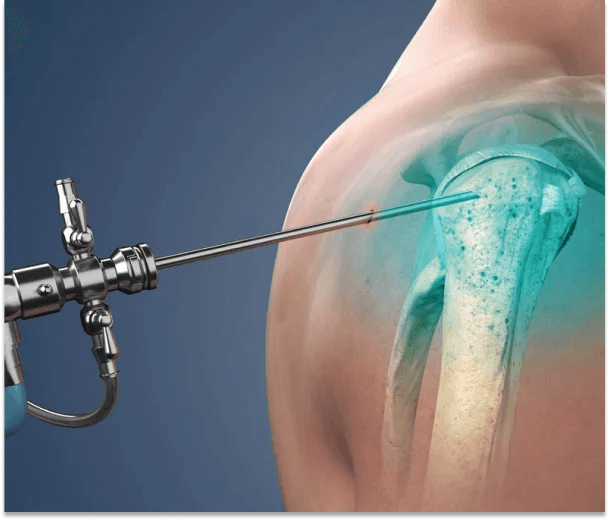
Arthroscopy is a keyhole procedure used in carefully selected cases, usually earlier-stage problems. Through small incisions, the surgeon can:
- Remove loose fragments of damaged cartilage
- Smooth rough surfaces and reduce mechanical irritation
It is not a solution for advanced arthritis and will not rebuild worn cartilage, but it can help certain patients with specific findings inside the joint.
Joint Replacement Surgery
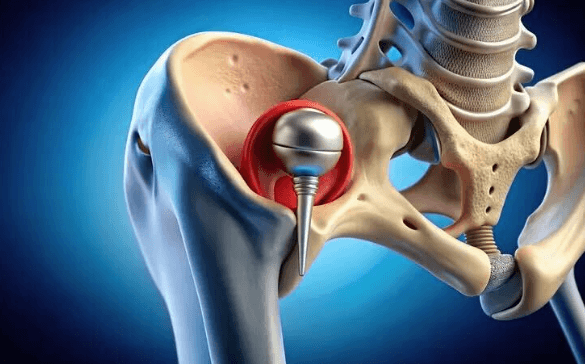
For end-stage arthritis, joint replacement is often the most effective and lasting solution. During the procedure, the worn surfaces of the joint are replaced with durable artificial implants. Common examples include:
- Knee replacement to restore comfortable movement
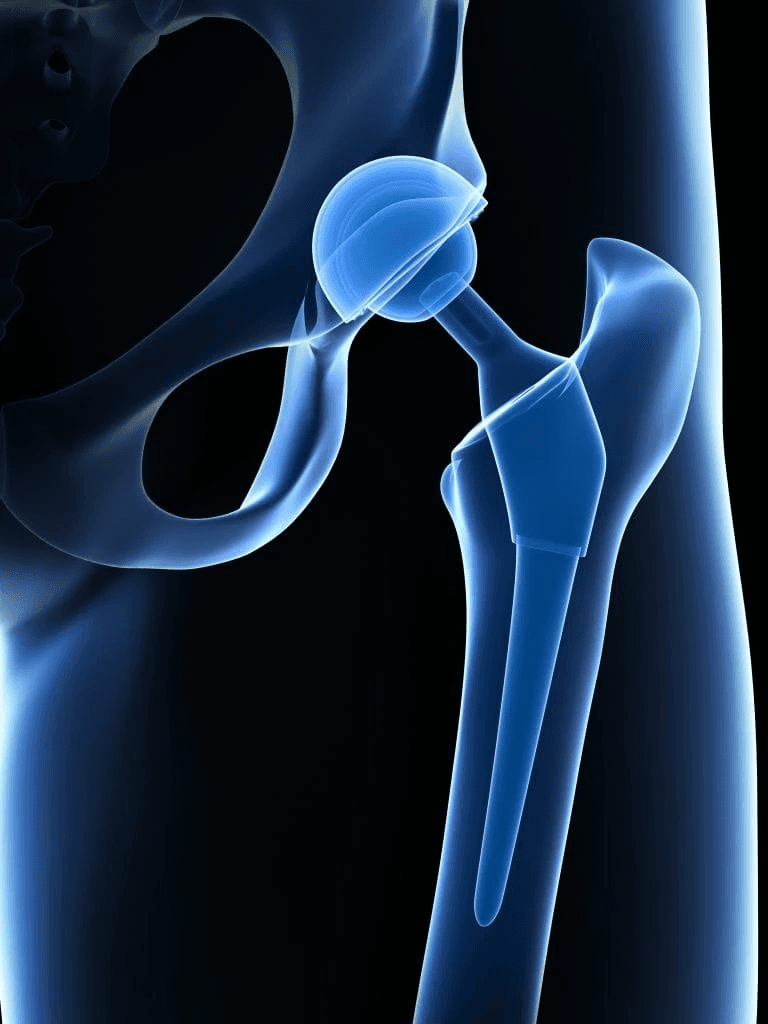
- Hip replacement to relieve deep hip and groin pain
- Partial replacement, when only one part of the joint is affected
Advances in implant design and surgical technique have made joint replacement safer and longer lasting than in the past. Most patients gain significant pain relief and a return to activities they had given up.
Post-Surgical Recovery and Rehabilitation
Recovery is a gradual process, and it plays a major role in the success of surgery. A well-planned rehabilitation programme usually includes:
- Early, supervised movement soon after the operation
- Guided physiotherapy to rebuild strength and range of motion
- A staged return to walking, daily tasks, and eventually light exercise
Many patients notice steady improvement in pain and mobility over the weeks and months that follow. Following the surgeon's and physiotherapist's instructions closely gives the best long-term result.
When to See a Doctor: Red Flags
Some joint symptoms should not be managed at home and need prompt assessment by an orthopedic specialist. See a doctor if you notice any of the following:
- Joint pain that keeps getting worse or does not settle with rest and basic care
- Sudden, severe swelling, redness, or warmth in a joint
- Joint pain combined with fever or feeling generally unwell
- Inability to bear weight or move the joint normally
- A joint that locks, gives way, or looks deformed
- Pain that regularly disturbs your sleep or limits everyday activities
Early evaluation can prevent further joint damage and widen the range of treatment options available to you.
Choosing the Right Arthritis Treatment Plan
No two patients are exactly alike, so effective arthritis pain management has to be personalised. A sound plan usually rests on three things:
- An accurate diagnosis of the type and stage of arthritis
- A treatment plan matched to your symptoms, lifestyle, and goals
- Regular monitoring so the plan can be adjusted as needed
Seeing an experienced orthopedic doctor ensures the right balance between conservative care and surgery, and helps you avoid both under-treatment and unnecessary procedures.
Conclusion
Arthritis pain can be controlled effectively at almost every stage. Many people do well with weight management, exercise, physiotherapy, and medication, while those with advanced joint damage can regain mobility through joint replacement. The key is timely diagnosis and a plan built around the individual.
If you are living with ongoing joint pain or stiffness, do not wait for it to worsen. Dr. Ankur Singh, a senior orthopedic specialist in Noida, is trusted for his individualised approach to joint pain management and his surgical expertise. Book a consultation to understand your options and take the next step toward lasting relief.
Frequently Asked Questions
Can arthritis be cured without surgery?
Arthritis cannot be fully reversed, but in many cases the pain and stiffness can be well controlled without surgery. Weight management, low-impact exercise, physiotherapy, medication, and injections often keep symptoms manageable for years.
How do I know if I need joint replacement surgery?
Joint replacement is usually considered when pain is severe, the joint is badly damaged on imaging, and non-surgical treatments no longer help with daily life. An orthopedic surgeon will assess your symptoms, scans, age, and overall health before recommending it.
Is exercise safe if I have arthritis?
Yes, the right kind of exercise is one of the best things for arthritic joints. Low-impact activities such as walking, swimming, and cycling strengthen the supporting muscles and reduce stiffness, while a physiotherapist can guide you on safe movements.
How long does recovery take after knee or hip replacement?
Recovery varies from person to person, but many patients walk with support soon after surgery and improve steadily over the following weeks and months. Following a guided physiotherapy programme is essential for the best long-term outcome.
Medical Disclaimer
The information provided on this website is for educational purposes only and should not be considered as medical advice. Please consult Dr. Ankur Singh or a qualified healthcare professional for personalized medical guidance.
Share this blog:
 Copy
Copy


-compressed (2).jpg)

.jpg)