Sports Injury Doctor in Noida — Dr. Ankur Singh

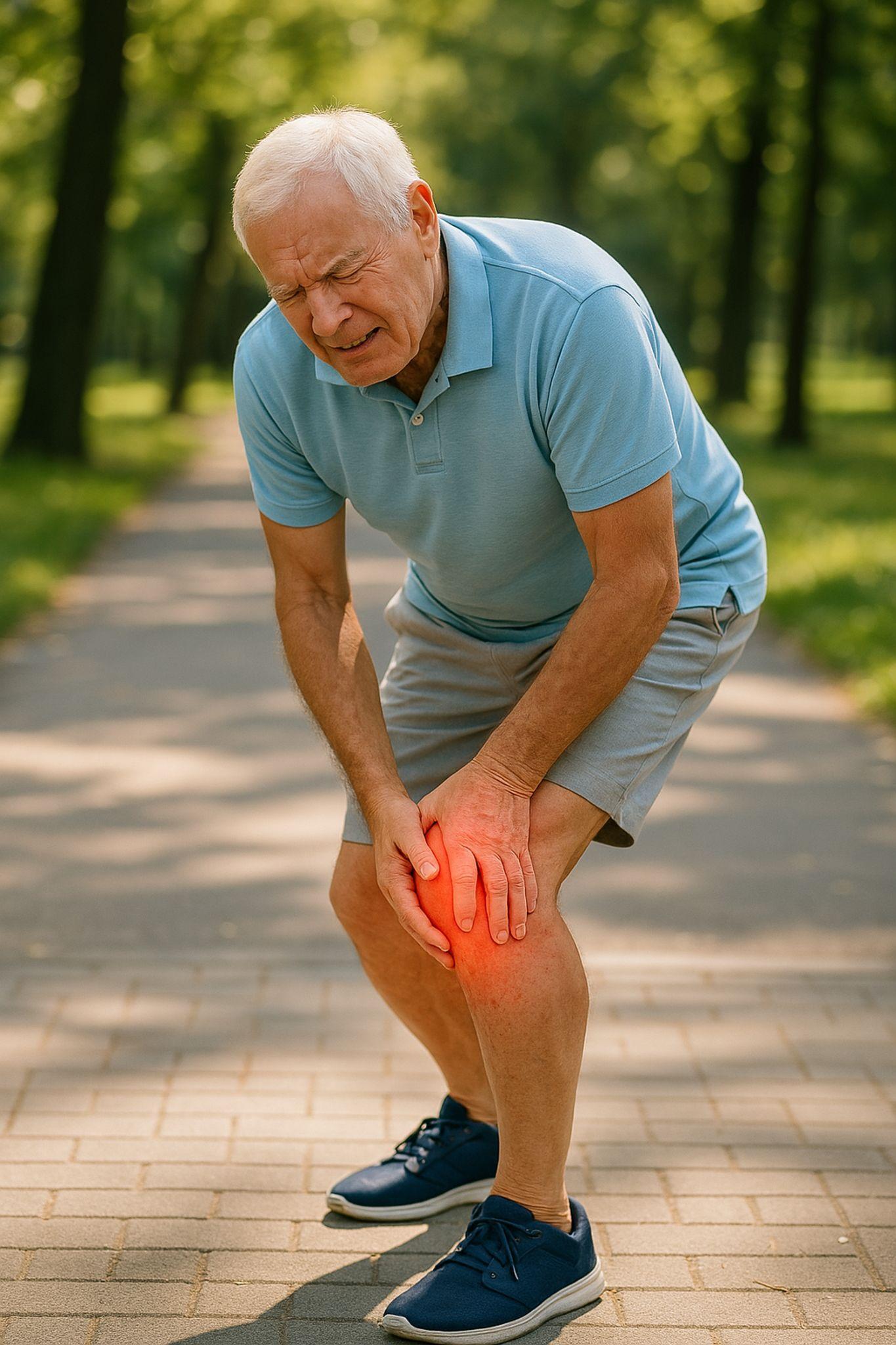
A young athlete seated on a basketball court holding his knee while adjusting a support bandage after a sports injury.
Noida's technology corridors — Sectors 62, 63, 64, 100, 125, 128, and the surrounding IT parks — house some of the most active young professional populations in India. Software engineers, consultants, and business professionals who spend 8 to 10 hours at a desk, then compensate with gym sessions, weekend cricket, club-level badminton, and evening runs. Active people who need their bodies to function.
They are also, increasingly, patients in orthopedic clinics.
The combination of high sedentary working hours (which reduces baseline fitness and joint conditioning) and intense recreational activity (which exposes undertrained joints to significant loads) produces a specific injury profile that Dr. Ankur Singh sees regularly from Noida's professional neighbourhoods: ACL tears from sudden direction changes in cricket and football, meniscal injuries from deep squatting in the gym, rotator cuff tears from overhead lifting, and shoulder dislocations from falls during sport.
These are injuries that require specialist sports medicine assessment — not general orthopaedic management. Arthroscopic repair of a meniscal tear and arthroscopic meniscectomy have different long-term consequences for the joint, and the choice matters. ACL reconstruction using the correct graft, at the correct anatomical position, with the correct rehabilitation protocol determines whether an athlete returns to sport or re-injures within 18 months.
Dr. Ankur Singh's sports medicine and arthroscopy practice serves this patient population specifically.
Sports Injuries Treated
ACL (Anterior Cruciate Ligament) Tears
The injury: The ACL is the primary stabiliser of the knee against rotational and forward-translational forces. It tears most commonly with a pivoting, decelerating, or landing mechanism — the cricket player who plants and turns to field a ball, the badminton player who lunges and twists, the gym-goer who slips during a loaded squat.
An ACL tear produces immediate severe pain, rapid knee swelling within 2 hours (haemarthrosis), and a subsequent feeling of knee instability — the knee gives way with cutting movements.
Management at KDSG: Arthroscopic ACL reconstruction using hamstring tendon autograft (semitendinosus and gracilis from the same leg), placed at the anatomic origin and insertion of the native ACL with femoral and tibial tunnel positions confirmed under arthroscopic visualisation. Return-to-sport protocol based on objective strength and functional testing at 9 to 12 months — not calendar-based discharge.
PCL (Posterior Cruciate Ligament) Injuries
The injury: The PCL is the strongest ligament in the knee, resisting backward translation of the shin. Dashboard injuries (knee striking the handlebar or fuel tank in a two-wheeler accident) are the most common mechanism in India. Falls directly onto a bent knee are the second most common.
Management at KDSG: Most isolated PCL tears (Grade I and II) are managed conservatively with quadriceps-focused physiotherapy. Grade III tears in high-demand patients, or combined ligament injuries, may require surgical reconstruction.
Meniscal Tears
The injury: The meniscus — the C-shaped cartilage inside the knee — tears with sudden twisting or deep squatting. Symptoms include joint-line pain (pain specifically at the inner or outer edge of the knee joint), swelling, and sometimes mechanical symptoms: clicking, catching, or the knee locking briefly.
The management choice that matters: Dr. Ankur Singh specifically performs meniscal repair — reattaching the torn meniscus — where the tear pattern and location make this biologically feasible. Partial meniscectomy (trimming the torn portion) is faster and has a quicker recovery, but a removed meniscus cannot regenerate. Preserving meniscal tissue is an investment in the joint's long-term health that partial meniscectomy cannot replicate.
Shoulder Instability and Bankart Repairs
The injury: Shoulder dislocation — the ball coming completely out of the socket — is one of the most dramatic sports injuries. It typically occurs from a fall on an outstretched arm or a direct blow to the shoulder. After the first dislocation, the stabilising labrum (cartilage rim of the socket) is often torn (Bankart lesion), making re-dislocation increasingly likely.
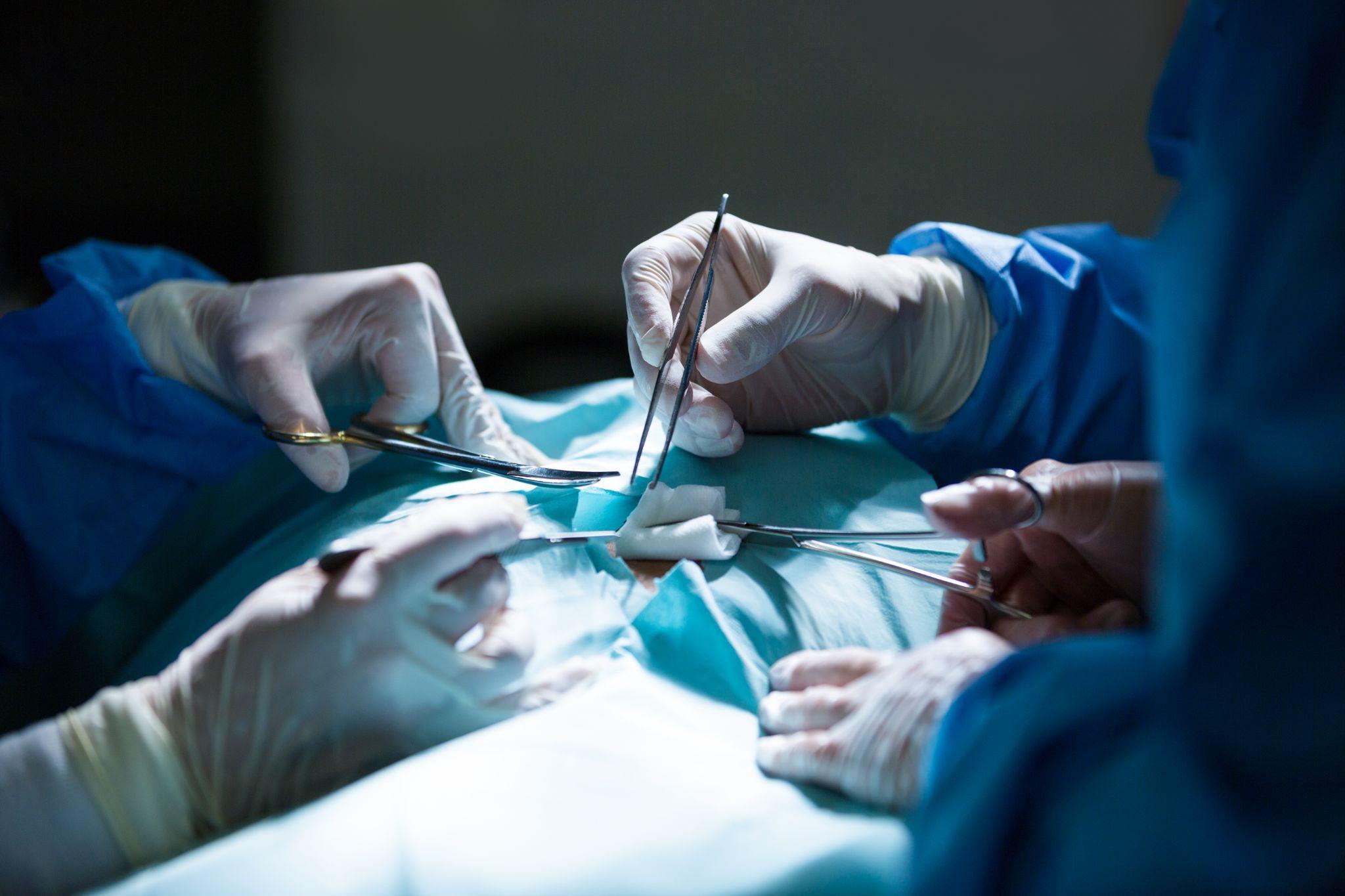
Management at KDSG: Arthroscopic Bankart repair — reattaching the torn labrum to the glenoid rim with suture anchors — restores mechanical stability and allows return to overhead sport. The procedure is performed through 3 small incisions around the shoulder.
Rotator Cuff Tears
The injury: The four tendons of the rotator cuff — which stabilise and power the shoulder — can tear from acute injury (a fall, a sudden lifting effort) or from chronic degeneration overlaid with a provocative event. Common in gym-training patients over 40 and in overhead athletes.
Management at KDSG: Arthroscopic rotator cuff repair for full-thickness tears that are causing significant weakness or pain. The tendon is reattached to the humeral head with suture anchors through the same small arthroscopic incisions. Recovery: 4 to 6 weeks in a sling, then progressive physiotherapy over 6 to 12 months.
Shoulder Impingement and SLAP Tears
The injury: Shoulder impingement (subacromial bursitis and rotator cuff impingement) is the most common shoulder pain presentation in gym-training adults. SLAP tears (superior labral tears at the long head biceps attachment) occur in overhead athletes — cricketers, swimmers, badminton players.
Management at KDSG: Arthroscopic subacromial decompression for impingement not responding to physiotherapy. Arthroscopic SLAP repair or biceps tenodesis for labral tears depending on tear pattern and patient age.
The Return-to-Sport Philosophy
Sports medicine done well is not just fixing what is broken. It is rebuilding what needs to return — and doing so with a protocol that confirms readiness before returning, not a calendar that assumes readiness.
At Dr. Ankur Singh's practice, return-to-sport clearance after ACL reconstruction, shoulder stabilisation, and meniscal repair is based on:
- Objective strength symmetry testing (operated vs unoperated limb within 90 percent)
- Functional hop tests for lower limb injuries
- Sport-specific movement assessment
- Psychological readiness — fear of re-injury is a documented risk factor for early return failure
This framework — not just "it's been 6 months, you can play" — is what produces athletes who return to sport and stay there.
Consultation for Sports Injuries in Noida
For patients in Sectors 62, 63, 100, 128, and surrounding IT corridor areas, Renew Orthopedic Clinic at Sector 47 is 10 to 15 minutes away. For patients throughout Noida and Greater Noida, the clinic is accessible from all major sectors.
Bring your MRI scan if available — particularly for knee and shoulder injuries, where MRI is the definitive soft tissue imaging. If you don't have one, the consultation will advise on what is needed.
To book: call the number listed on this website.
Frequently Asked Questions
How quickly can I see Dr. Ankur Singh for an acute sports injury?
For acute injuries — particularly suspected ACL tears, shoulder dislocations, or significant swelling after a sports incident — call the clinic number directly. The team will advise on the fastest appropriate pathway, which may be a same-week clinic appointment or, for severe acute injuries, assessment through KDSG Hospital's emergency department.
Do I need an MRI before the consultation?
An MRI significantly improves the value of the consultation for knee and shoulder injuries. If you have had a significant injury (significant swelling, instability, restricted motion), an MRI before the consultation is advisable. If you haven't had one, the consultation will advise on whether MRI is needed and the appropriate specification.
Can I return to cricket / gym / badminton without surgery for an ACL tear?
The answer depends on the grade of the tear and your activity demands. Partial ACL tears with minimal instability may be manageable conservatively with physiotherapy. Complete ACL tears in athletes who want to continue cutting and pivoting sports almost always require reconstruction for safe return to sport. This determination is made at the clinical assessment.
Dr. Ankur Singh | Sports Injury Doctor Noida | ACL Surgeon Noida | Knee Shoulder Arthroscopy Noida | KDSG Superspeciality Hospital Greater Noida | Renew Orthopedic Clinic Sector 47 Noida
Medical Disclaimer
The information provided on this website is for educational purposes only and should not be considered as medical advice. Please consult Dr. Ankur Singh or a qualified healthcare professional for personalized medical guidance.
Share this blog:
 Copy
Copy