Importance of Core Strength in the Prevention of Lower Extremity Injuries
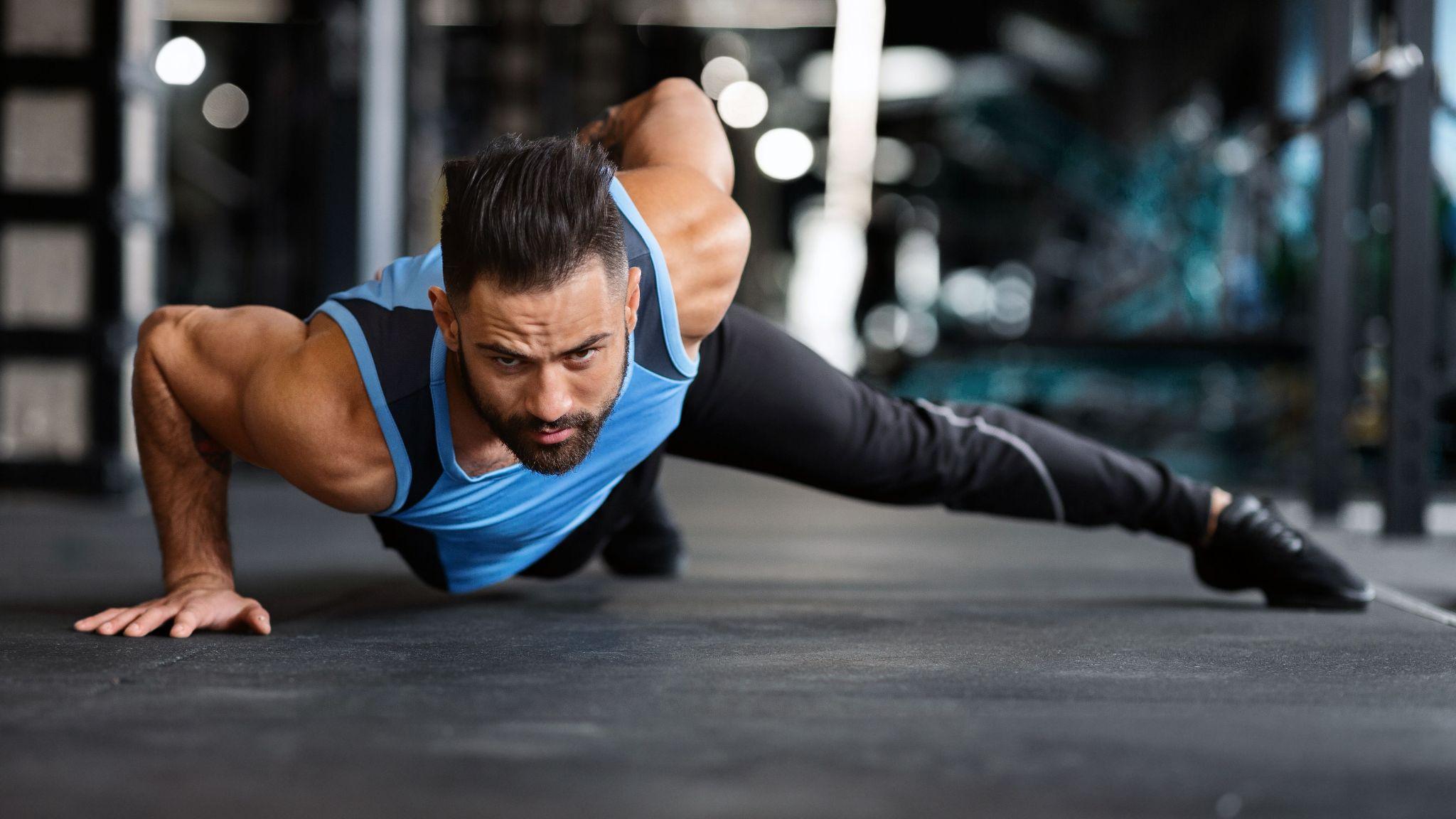
Strong core muscles help stabilize the pelvis and spine, reducing stress on the hips, knees, and ankles, which lowers the risk of lower extremity injuries.
Most people immediately think of toned abs when the term "core strength" comes up. The core, however, involves more than that: it's a complex interconnection of muscles composed of your abdomen, lower back, hips, pelvis, and glutes, all related to providing stability and balance to your body.
These muscles serve as the control center for movement, supporting everything you do-from walking and running to bending and jumping. If your core becomes weak, then the lower body, especially the knees, hips, and ankles, has to bear additional stress. Over time, this can cause painful injuries, poor posture, and restricted mobility.
The often-invisible consequences of poor core stability are lower-extremity injuries-from knee instability and ankle sprains right up to hip strain. This guide will walk you through how strengthening your core will protect your lower body, improve performance, and reduce injury risk.
Understanding the Core and Its Functions
The core is not a single muscle, but a powerhouse that includes several vital groups:
- Rectus abdominis: The "six-pack" muscle that supports forward bending.
- Obliques: These help with twisting and side bending.
- Transverse abdominis: This muscle acts like a corset, stabilizing your spine and internal organs.
- Glutes: These include the gluteus maximus, medius, and minimus, which are all muscles that stabilize the hip and power movement.
- Spinal stabilizers maintain your spine in alignment and guard it.
Your core is the base of movement, a stable platform from which the limbs can work effectively. Whether taking a step, making a jump, or carrying out any number of squats, it all originates at the core. When it works right, transfer of forces is efficient throughout the body, and posture, balance, and alignment hold steady.
A weak core, on the other hand, throws off your body's equilibrium and makes for poor movement mechanics, putting more stress on the legs and joints.
Common Lower Extremity Injuries Related to Weak Core
If your core is unstable, it usually affects the lower body. Here are some common injuries related to weak core strength:
- Knee pain and instability (Patellofemoral Pain Syndrome): A weak core leads to poor hip alignment, and that, in turn, puts added stress on the knees.
- Ankle sprains: If you don't exercise proper control over the center of your body, your balance is compromised, and your ankles are more prone to injury in case of swift movements or on uneven terrain.
- Hamstring or quadriceps strains: The weak core makes the movement patterns inefficient, thus over-engaging your leg muscles.
- Hip pain and pelvic tilt problems: Poor engagement of the core affects hip placement and stability of the pelvis, leading to pain and instability.
When the core cannot control the body's movement appropriately, the biomechanics are altered. The result is poor shock absorption, uneven muscle activation, and excessive strain on the joints-all of which make injuries more likely.
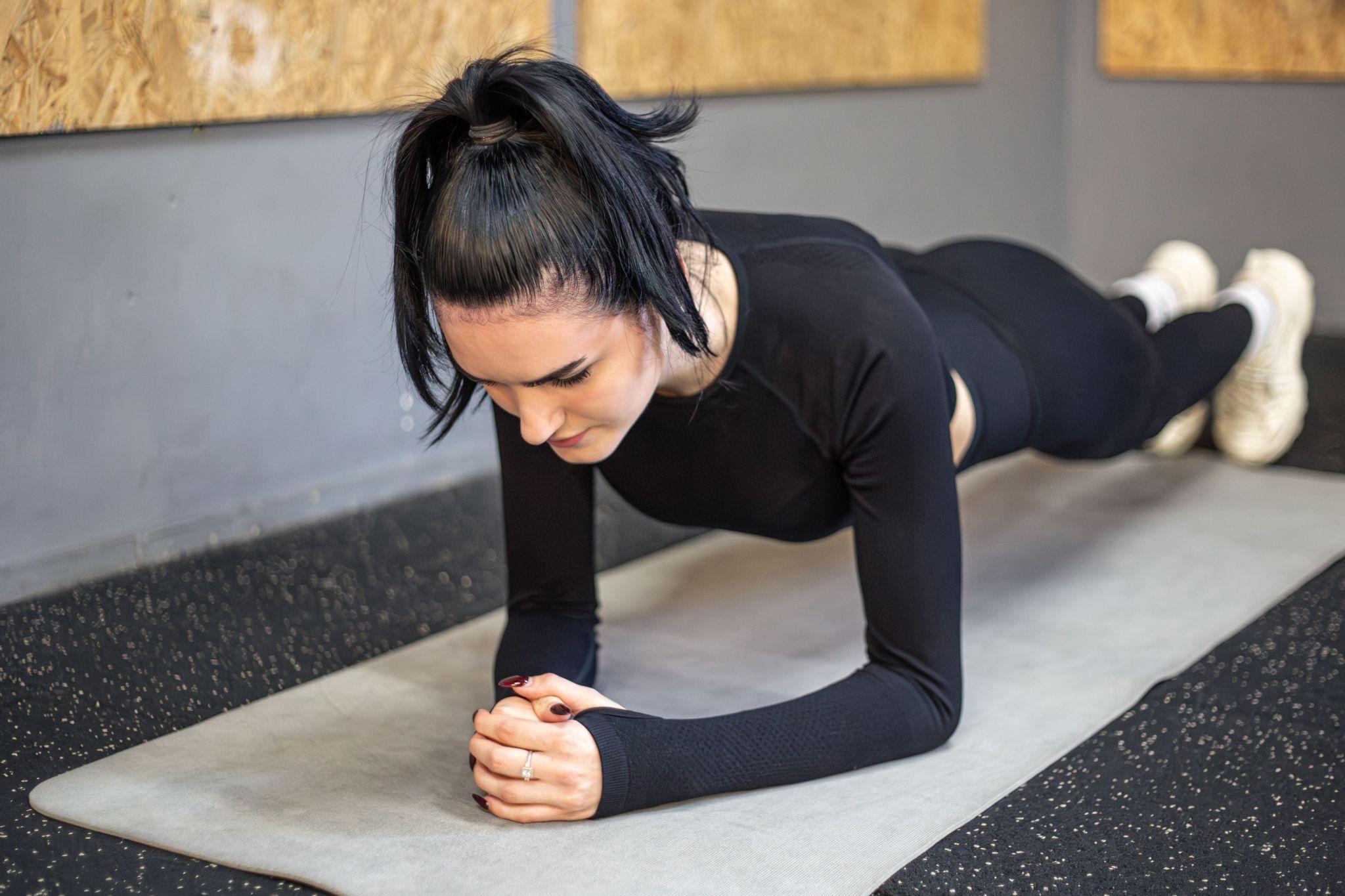
Core strength improves balance and body control, allowing athletes to maintain proper alignment during movement and prevent falls or awkward landings.
How Core Strength Helps Prevent Lower Body Injuries
The core acts as a bridge between the upper and lower body, and by being strong and stable, there is much smoother, more coordinated movement with less stress in the joints.
Here's how strong core muscles protect you:
Improved posture and balance: Stability in the core facilitates maintaining upright alignment and reduces falls or awkward landings.
Efficient mobility means that the legs and hips will be free to move more with a stable base.
Reduced stress on the knees, hips, and ankles: Proper activation of the core will ensure that impact forces are not concentrated on certain joints but are distributed.
Better limb alignment may indicate strong core muscles that keep hips and knees in alignment, preventing twisting or collapsing motions while walking, running, or doing sports.
Research Insight Several studies reported that athletes with regular core training have a lower incidence of knee and ankle injuries than athletes without regular core training. Enhanced core stability also translates to improved daily function and reduced musculoskeletal pain for non-athletes.
Sports and Activities Where Core Stability Matters Most
Some sports are more demanding on your core than others, especially those that require dynamic, multidirectional movements. It's in these sports where athletes rely most on core control for balance, absorbing impact, and the prevention of injury:
- Football & Basketball: Core stability enhances agility and prevents knee ligament injuries.
- Running: A strong core will prevent hip drop and poor stride mechanics.
- Dance & Gymnastics: Both these activities require fine control of balance, flexibility, and power, dependent upon core strength.
- Tennis or Badminton: Sudden changes of direction in these sports require good core coordination to prevent sprains or muscle pulls.
Core stability is important for athletes and fitness enthusiasts in that it enhances performance in all kinds of physical undertakings while preventing injuries.
Best Core Exercises for Lower Extremity Injury Prevention
You don't require any specialized equipment to develop a resilient, robust core. The focus should be on controlled, functional movements that involve most parts of your body.
Top Core Exercises:
Planks, such as front and side planks, will strengthen your abdominals, shoulders, and back for total-body stability.
- Bird Dogs: To enhance coordination and alignment of the spine, this exercise engages your glutes and lower back.
- Bridges and Hip Thrusts: Glutes and hamstrings are engaged and strengthened in this group, which helps with hip and knee stability.
- Dead Bugs: Train the deep core muscles for control and balance.
Rotational movements with a medicine ball: building rotational power, which will make a positive difference in both sporting activity and day-to-day living.
Quick 5-Minute Core Daily Routine:
- 30s front plank
- 30s side plank each side
- 10 Bird-dogs per side
- 15 Glute Bridges
- 10 medicine ball twists.
Consistency is key, and doing all these movements 3-4 times a week will go a long way toward improving stability and relieving your lower body.
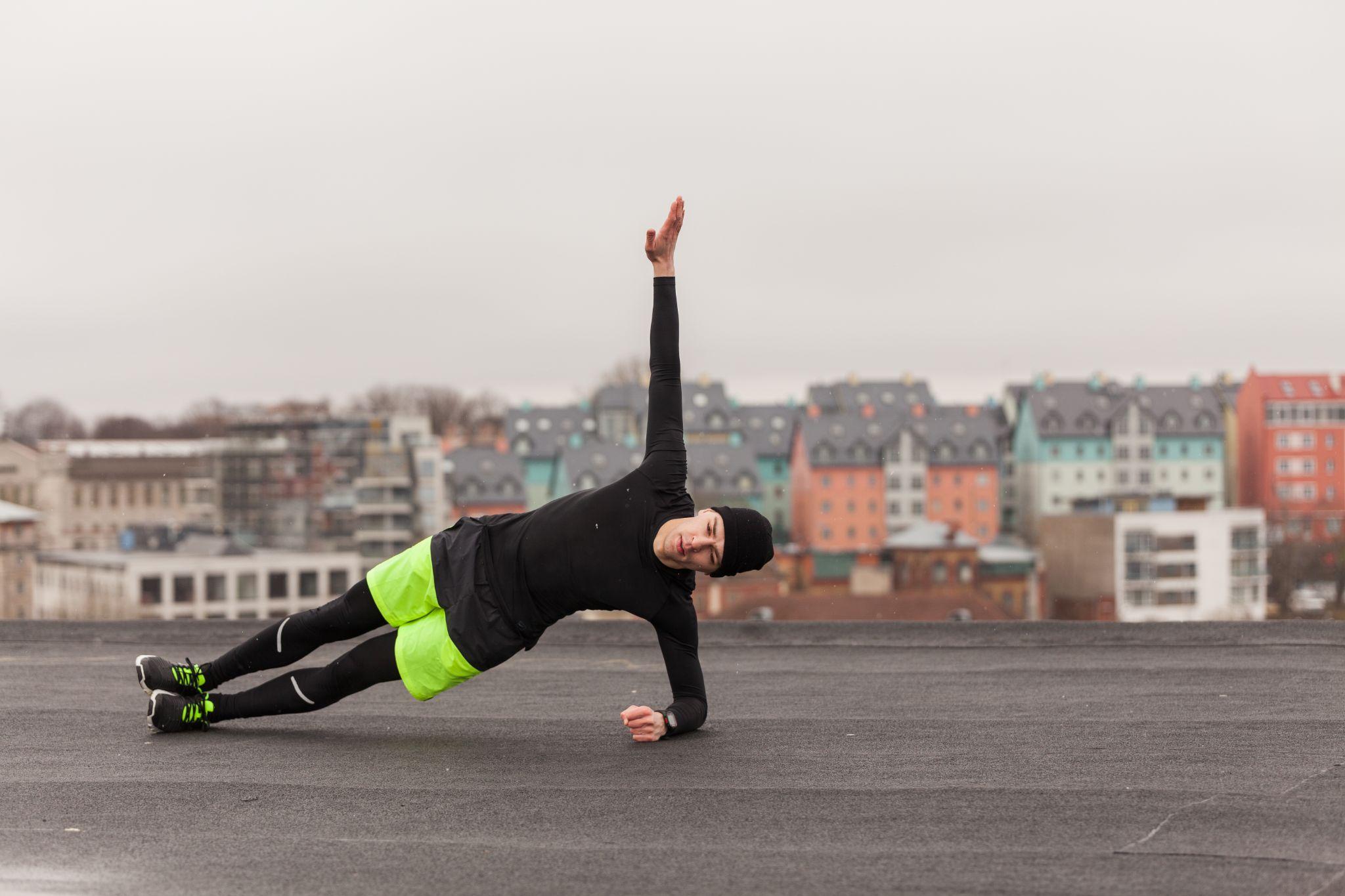
Strengthening the core enhances overall biomechanics, ensuring efficient energy transfer and reducing the chances of overuse injuries in the lower limbs.
Tips to Strengthen Core Safely and Effectively
Building core strength requires patience and precision. Here are expert tips for doing it right: Warm up properly: Engage the deep muscles with dynamic stretching and light cardio. Prioritize form over intensity: Proper technique prevents strain and also ensures that the right muscles are engaged. Incorporate balance and mobility drills: Stability balls or single-leg exercises can enhance coordination. Gradually increase difficulty: Add resistance or duration as your strength improves. Combine with leg workouts: Building your legs simultaneously as your core provides full-body protection and resilience against injury.
When to Seek Professional Help
Sometimes, pain or imbalance recurs, which indicates that more professional assessments may be needed. Signs that you may need professional help: Frequent knee or hip pain while exercising, Difficulty with balance or standing on one leg, Noticeable pelvic tilt or poor posture even at rest. For such cases, consult with a physiotherapist or sports trainer. They will conduct movement screenings and find weak muscle groups to plan a personalized core rehabilitation program for you.
Conclusion
Your core is not just about appearance; it's a framework for strength, balance, and the prevention of injury. A strong core stabilizes the spine, aligns the body, and assures smooth, safe movement. Whether you're an athlete, a fitness beginner, or one in pain, adding core workouts into your routine is among the best investments in long-term health. Start small, be consistent, and watch posture, stability, and the overall performance of the lower body change over time. Remember, when your core is strong, your whole body moves better, feels better, and resists injury.
Frequently Asked Questions
1. How does a weak core contribute to leg injuries?
A weak core diminishes stability and control, making the legs overcompensate with every movement. This increases the stress on your knees and ankles, which can result in injury.
2. Does core training help knee pain?
Yes, it does; strengthening the core properly aligns your hips and knees, putting less pressure and improving joint function.
3. How often should I do core exercises?
Aim for 3-4 sessions a week, making sure to include both stability and strength-based movements in your routine.
4. Are crunches enough for core strength?
No, crunches work only the front abs. To achieve full strength and balance, you must also engage your entire core, including back, hips, and obliques.
5. Is core training useful for non-athletes?
Core strength benefits everyone through better posture, reduced back pain, and prevention of everyday injuries from walking, lifting, or sitting for long hours.
Medical Disclaimer
The information provided on this website is for educational purposes only and should not be considered as medical advice. Please consult Dr. Ankur Singh or a qualified healthcare professional for personalized medical guidance.
Share this blog:
 Copy
Copy