Plantar fasciitis – causes, symptoms, treatment, and prevention

Diagram showing plantar fascia inflammation causing plantar fasciitis heel pain
That first step out of bed in the morning shouldn't feel like stepping on a nail. But if you've got plantar fasciitis, that's exactly how it can feel, a sharp, searing stab right at the bottom of your heel that makes you limp to the bathroom. I see this condition multiple times a week at my clinic in Noida, and the pattern is remarkably consistent: patients tolerate months of worsening heel pain before they finally seek help.
Plantar fasciitis is the single most common cause of heel pain, accounting for roughly 80% of all heel pain complaints. It affects an estimated 1 in 10 people at some point during their lifetime. The condition develops when the plantar fascia, a thick, fibrous band of connective tissue running from the calcaneus (heel bone) to the base of your toes — becomes irritated, develops micro-tears, or undergoes degenerative changes from repeated stress.
What Is plantar fasciitis?
The plantar fascia is a dense strip of connective tissue, roughly 2–4 mm thick, that spans the sole of your foot. It serves two critical functions: maintaining the medial longitudinal arch and acting as a shock absorber during the gait cycle. Every time your foot hits the ground while walking, the plantar fascia absorbs force equivalent to about 1.5 times your body weight. During running, that number jumps to nearly 3 times your body weight.
When the fascia is subjected to repetitive loading beyond its capacity to heal, it develops micro-tears at or near its insertion point on the calcaneus. Over time, the tissue undergoes collagen degeneration rather than straightforward inflammation, which is why many orthopedic specialists now prefer the term "plantar fasciopathy" or "plantar fasciosis." The distinction matters clinically because it influences treatment decisions. Pure anti-inflammatory approaches may fall short if the underlying problem is degenerative rather than inflammatory.
The hallmark symptom is a sharp, stabbing pain right at the heel, worst with those first few steps in the morning or after sitting for a while. The pain typically eases once the tissue warms up with movement, only to return after prolonged standing or at the end of the day.
Causes and risk factors of plantar fasciitis
Plantar fasciitis rarely has a single cause. It's usually a combination of biomechanical stress and contributing risk factors that push the fascia past its breaking point.
Common causes
- Repetitive loading, running, jumping, dancing, or prolonged standing on hard surfaces
- Sudden spikes in activity — starting a new running program, dramatically increasing mileage, or switching to a more physically demanding job
- Biomechanical abnormalities, flat feet (pes planus), high arches (pes cavus), overpronation, or leg-length discrepancy
- Tight posterior chain, restricted calf muscles (gastrocnemius and soleus) or a tight Achilles tendon increase tension on the plantar fascia with every step
- Poor footwear — thin-soled shoes, worn-out running shoes, or regularly wearing high heels followed by switching to flat shoes
Risk factors
- Body weight, excess weight directly increases the mechanical load on the fascia. Patients with a BMI above 30 have significantly higher rates of plantar fasciitis
- Age, most common between ages 40 and 60, when tissue elasticity naturally decreases
- Occupation — teachers, nurses, factory workers, security guards, and anyone who stands 6+ hours a day on hard flooring
- Foot mechanics, altered gait from a previous ankle injury, knee arthritis, or hip problem can redistribute stress to the plantar fascia
In my clinical experience, the patients who struggle most are those who have two or three risk factors working against them simultaneously, say, a 50-year-old teacher who's gained 10 kg over the past year and wears flat sandals to school every day.
Symptoms of plantar fasciitis
Key symptoms
- Morning heel pain — sharp or stabbing, typically at the medial plantar aspect of the heel. This "first-step pain" is the most characteristic feature
- Post-rest pain, similar pain after sitting for 30 minutes or more, which eases after 5–10 minutes of walking
- End-of-day soreness, a deep, aching pain after prolonged weight-bearing
- Tenderness on palpation — pressing firmly at the medial calcaneal tubercle reproduces the pain
- Pain after (not during) exercise, many patients report that the heel feels fine during a run but throbs afterward
Red-Flag symptoms that need urgent evaluation
Not all heel pain is plantar fasciitis. You should seek prompt medical attention if you notice:
- Pain at rest or at night (could suggest a calcaneal stress fracture or tumor)
- Numbness, burning, or tingling in the heel or sole (possible nerve entrapment, Baxter's neuropathy or tarsal tunnel syndrome)
- Heel pain following a direct injury or fall
- Bilateral heel pain with systemic symptoms like fatigue, rash, or eye inflammation (can indicate inflammatory arthropathy such as ankylosing spondylitis or reactive arthritis)

Athlete experiencing foot pain due to plantar fasciitis after running
How Is plantar fasciitis diagnosed?
The diagnosis is primarily clinical. In most cases, a focused history and physical examination are sufficient. No scan is needed to start treatment.
Clinical examination
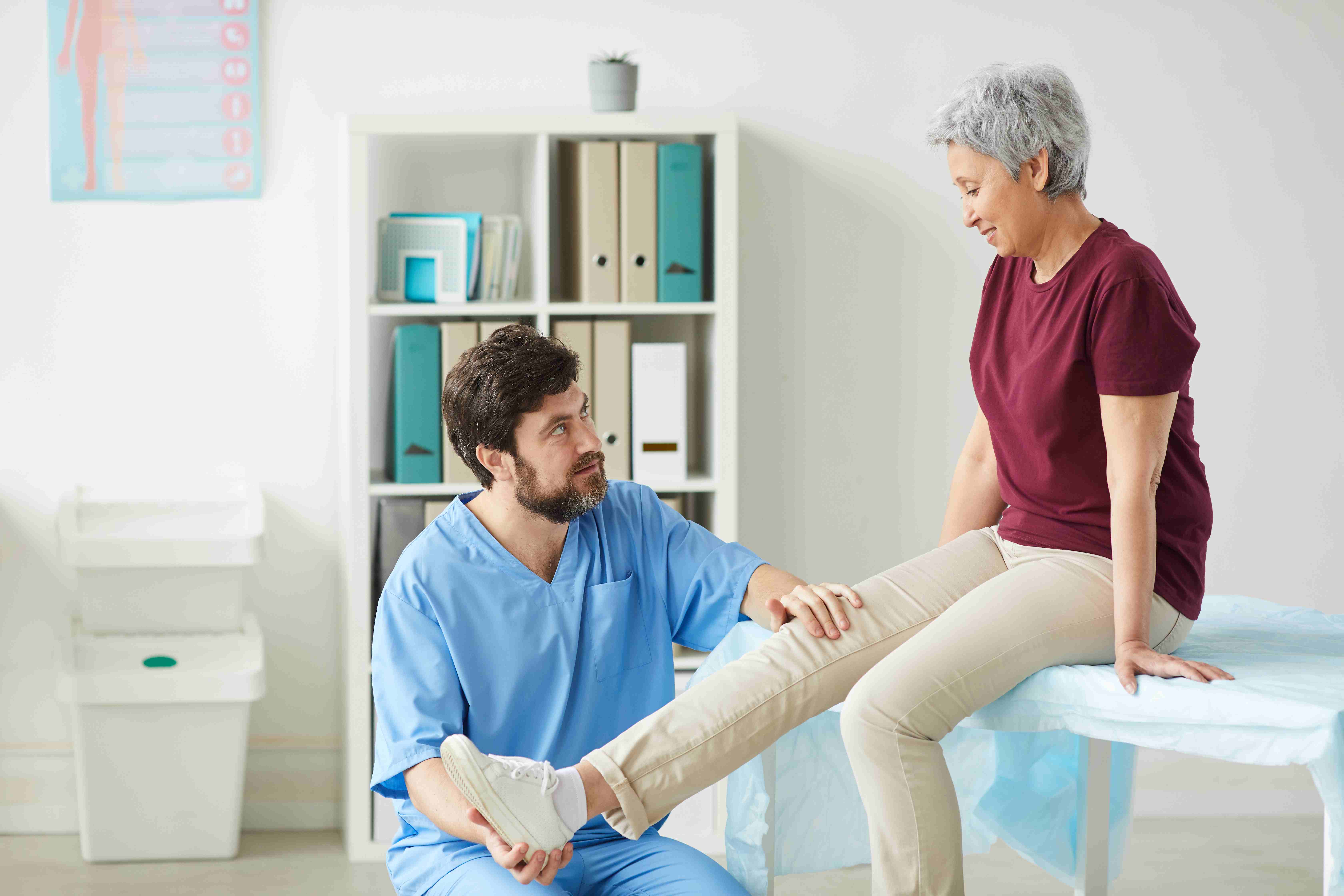
During the exam, I'll ask about the timing and character of your pain, your activity level, and your footwear habits. I'll palpate the medial calcaneal tubercle — if this reproduces your typical pain, the diagnosis is strongly supported. I'll also check for tightness in your Achilles tendon and calf muscles using the Silfverskiöld test, and assess your foot arch and gait pattern.
The Windlass test is another useful bedside maneuver: passively extending the big toe while the ankle is dorsiflexed reproduces the plantar fascial stretch and often triggers pain in positive cases.
When imaging Is needed
- X-rays, primarily to rule out stress fractures or bone pathology. Heel spurs are visible on X-ray in about 50% of plantar fasciitis patients, but they're also present in many people without any heel pain at all. A heel spur alone doesn't cause your symptoms
- Ultrasound, a quick, non-invasive way to measure plantar fascia thickness. Normal fascia measures under 4 mm; a thickness greater than 4.5 mm strongly supports the diagnosis
- MRI — reserved for cases that don't respond to 3–6 months of treatment, or when there's concern about a fascial tear, stress fracture, or soft tissue mass
Treatment options for plantar fasciitis
The vast majority of plantar fasciitis, around 90% of cases, resolves with non-surgical treatment. But resolution takes time. Patients should expect 6 to 12 months for full recovery, not days or weeks.
Conservative treatments (First line)
- Relative rest — reduce or temporarily stop the aggravating activity. Runners might switch to cycling or swimming for 4–6 weeks
- Ice, roll a frozen water bottle under the arch for 10–15 minutes after activity
- NSAIDs, ibuprofen or naproxen for short courses (7–14 days) to manage acute flares. Long-term use isn't advisable
- Supportive footwear — shoes with a firm heel counter, cushioned midsole, and moderate arch support. Avoid walking barefoot on hard floors at home, wear supportive slippers or sandals with arch support
- Over-the-counter insoles, prefabricated orthotic inserts with medial arch support can reduce fascial strain considerably
Physiotherapy and exercises
Targeted stretching and strengthening form the backbone of treatment.
Stretches to do daily (2–3 times per day):
- Plantar fascia–specific stretch — sit down, cross the affected foot over your opposite knee, and pull your toes back toward your shin until you feel a stretch along the arch. Hold 10 seconds, repeat 10 times. Research shows this is more effective than calf stretching alone
- Calf wall stretch, lean against a wall with the affected leg behind you, knee straight, heel on the ground. Hold 30 seconds, 3 repetitions
- Towel stretch, before getting out of bed, loop a towel around the ball of your foot and gently pull it toward you. This warms up the fascia before you take those painful first steps
Strengthening exercises:
- Toe curls with a towel — scrunch a towel on the floor using your toes, 3 sets of 15
- Single-leg heel raises, stand on a step with heels off the edge, slowly lower and raise. This builds eccentric calf strength, which reduces load on the fascia
Advanced treatment options
When 8–12 weeks of conservative treatment hasn't produced adequate improvement:
- Custom orthotics, moulded from a cast or scan of your foot, these provide more precise biomechanical correction than over-the-counter insoles
- Night splints — keep the ankle at 90 degrees while sleeping, maintaining a gentle stretch on the fascia and calf. Effective but often poorly tolerated
- Corticosteroid injection, ultrasound-guided injection around (not into) the fascia can provide 4–8 weeks of significant relief. I generally limit this to one or two injections because repeated steroid injections carry a real risk of fascial rupture and heel fat pad atrophy
- Extracorporeal shockwave therapy (ESWT), uses focused sound waves to stimulate tissue healing. Evidence supports its use in chronic cases lasting more than 6 months
- Platelet-rich plasma (PRP) injection — concentrated growth factors from your own blood are injected into the damaged area. The evidence is promising, particularly for chronic plantar fasciopathy
Surgery
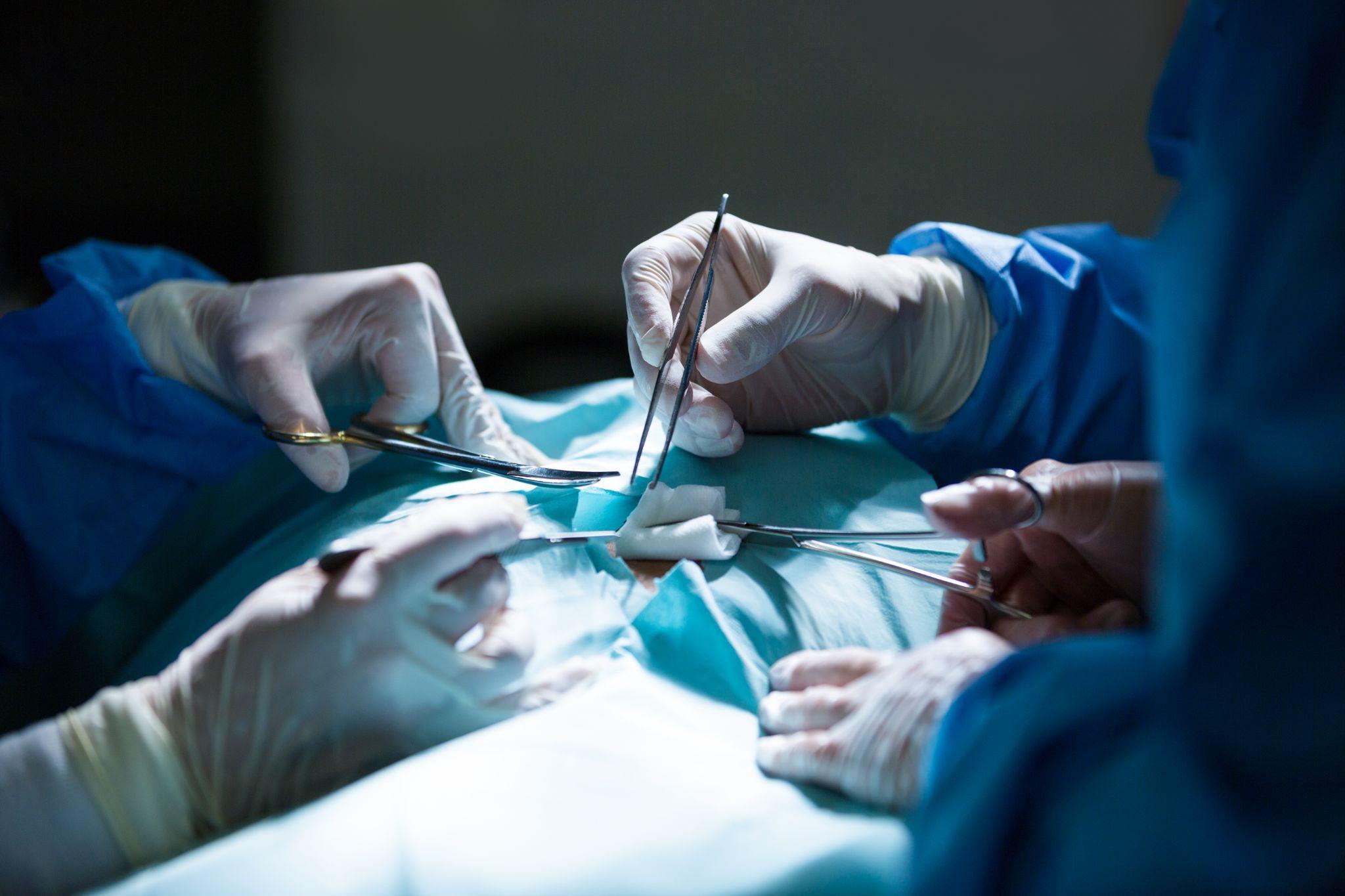
Surgery is reserved for the 5–10% of patients who fail all conservative measures after 12 months. The most common procedure is a partial plantar fasciotomy, where a portion of the fascia is released from the calcaneus. It's typically done arthroscopically or through a small incision. Recovery takes 6–10 weeks, and most patients return to full activity by 3–4 months.

Woman stretching calf muscle for pain relief
Home care tips and lifestyle modifications
Practical home care tips
- Morning routine, do your towel stretch and plantar fascia stretch before your feet touch the floor. This single habit can dramatically reduce first-step pain
- Avoid walking barefoot on tile, marble, or hardwood floors. Keep a pair of supportive slippers next to your bed
- Maintain a healthy body weight, every kilogram of weight loss reduces the load on your plantar fascia during walking
- Ice massage — freeze a small water bottle and roll it under your foot for 10 minutes after long periods of standing or walking
- Warm up before exercise, never start running, walking, or gym work cold. Spend 5 minutes with dynamic stretches first
- Check your shoes, running shoes should be replaced every 500–700 km. Inspect the midsole for compression creases
Prevention of plantar fasciitis
Prevention strategies
- Wear well-fitted shoes with arch support for daily use. This includes your work shoes, not just athletic footwear
- Replace worn-out footwear regularly — don't wait for visible sole damage
- Increase training load gradually, the 10% rule (never increase weekly mileage or exercise volume by more than 10% per week) is a reliable guideline
- Stretch your calves and feet daily, even 5 minutes makes a measurable difference over weeks
- Strengthen your intrinsic foot muscles — toe yoga, marble pickups, and short-foot exercises improve arch stability
- Address biomechanical issues early, if you overpronate or have flat feet, get fitted for supportive insoles before problems develop
When to See a doctor
Seek an orthopedic evaluation if your heel pain:
- Persists beyond 2–3 weeks despite rest, ice, and proper footwear
- Gets worse rather than better over time
- Interferes with your ability to walk, work, or exercise
- Developed suddenly after a fall or direct impact
- Is accompanied by numbness, swelling, or night pain
Early intervention makes a significant difference. Patients I see within the first 4–6 weeks of symptom onset almost always recover faster than those who've been pushing through the pain for months. Don't let a treatable condition turn into a chronic one.
If you're dealing with persistent heel pain that isn't responding to home measures, I'd encourage you to get a proper clinical assessment. At my practice at KDSG Hospital, Noida, we offer thorough evaluation and individualized treatment plans, from guided physiotherapy and orthotic prescription to advanced options like shockwave therapy and PRP injections.
Medical Disclaimer
The information provided on this website is for educational purposes only and should not be considered as medical advice. Please consult Dr. Ankur Singh or a qualified healthcare professional for personalized medical guidance.
Share this blog:
 Copy
Copy