Gym After 40s: How to Exercise Safely and Stay Fit

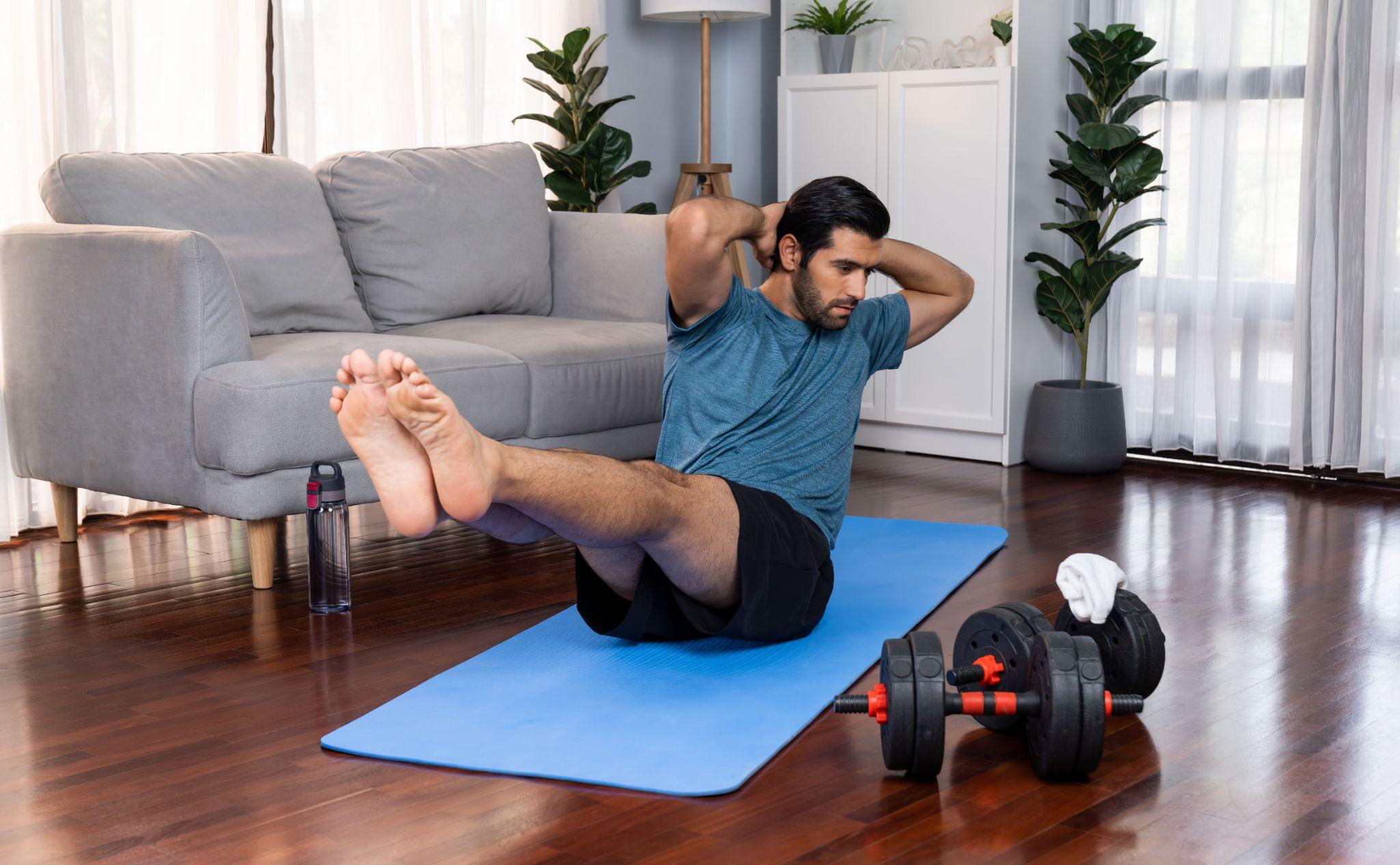
Middle aged man trying to stay fit.
For a lot of people, turning 40 is often a wake-up call for health and fitness. After turning 40, metabolism starts slowing down, muscle mass starts reducing, and joint stiffness becomes more noticeable. Many people for keeping themselves fit at this stage ask an important question; is it safe to go to the gym after 40? The answer is yes, but only if fitness is approached in the right way.
With proper guidance and advise, the gym can become a powerful tool for one’s weight loss, strength, and long-term joint health. This is because from an orthopedic perspective exercising smart is far more important than exercising hard.
Why Fitness Becomes More Important After 40
After 40, the body undergoes natural changes that directly affect fitness:
- Reduced muscle mass and bone density
- Slower recovery after workouts
- Increased risk of joint pain and orthopedic issues
- Hormonal changes affecting weight gain
Working out regularly in the gym counters these changes by improving strength, flexibility, balance, and cardiovascular health. Fitness at this age is not about building a muscular physique like in your 20s. It is about maintaining mobility and independence.
Should You Join a Gym After 40?
In short, Yes! Remember to not blindly follow intense workout routines, as they can be harmful. A lot of injuries treated by orthopedic doctors are caused due to incorrect gym techniques, poor posture, or lifting excessive weights.
Key rule: The gym should support your health, not damage your joints.
Before starting, it is advisable to:
- Get a basic orthopedic evaluation if you have knee, back, or shoulder pain.
- Inform your trainer about existing medical conditions.
- Start slow and focus on consistency.
Best Weight Loss Exercises After 40
Losing weight after 40 requires a combination of fat-burning and muscle-strengthening exercises. Methods like crash workouts and extreme cardio sessions are not sustainable and often lead to injuries or contribute in worsening of the joints.
1. Low-Impact Cardio Exercises
These exercises help in burning calories without putting excess stress on joints:
- Brisk walking on treadmill
- Cycling
- Elliptical trainer
- Swimming
It improves heart health and support steady weight loss.
2. Strength Training (Very Important)
Strength training helps in preventing muscle loss and boosts metabolism:
- Bodyweight squats
- Resistance band workouts
- Light to moderate dumbbell exercises
- Machine-based exercises with controlled motion
A safe strength training routine focuses on proper form rather than heavy weights.
3. Core Strengthening
A strong core protects the spine and reduces back pain:
- Planks
- Pelvic bridges
- Dead bug exercise
- Seated abdominal workouts
Core fitness is essential for daily activities and injury prevention.
Exercises to Avoid or Modify After 40
Certain exercises can strain and damge joints if done correctly. So be careful while:
- Heavy squats and deadlifts without supervision
- High-impact jumping exercises
- Excessive treadmill running if knee pain exists
- Sudden twisting movements
An orthopedic-guided approach suggests to do these exercises by modifying them, rather than completely avoiding them.
Role of Orthopedic Health in Gym Fitness
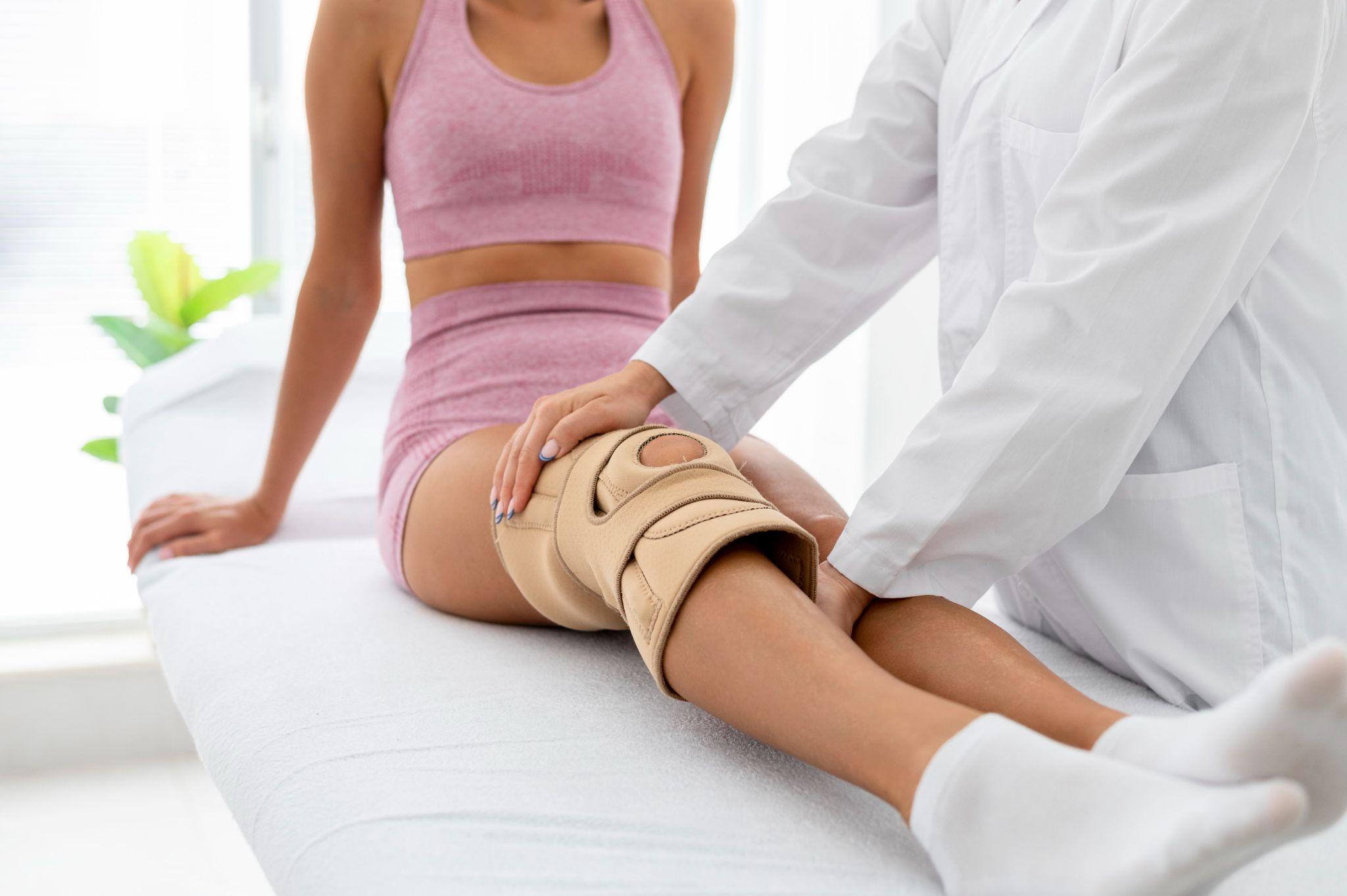
Bone health plays a critical role in long-term fitness. Things like joint pain should never be ignored as it very well may be an indicator of early arthritis, ligament issues, or muscle imbalance.
Signs you should consult an orthopedic specialist:
- Persistent knee or back pain after workouts
- Shoulder pain during weight lifting
- Clicking or locking of joints
- Reduced range of motion
Early assessment helps in preventing long-term damage and allows safe continuation of fitness routines.
Gym + Nutrition: The Right Balance After 40
Exercise alone is not enough for weight loss after 40. Nutrition becomes equally important.
Basic fitness nutrition tips:
- Increase protein intake for muscle maintenance
- Reduce refined carbohydrates and sugar
- Stay hydrated
- Include calcium and vitamin D for bone health
Avoid extreme diets. Sustainable fitness comes from balanced eating habits.

A high protein diet.
How Often Should You Go to the Gym?
For most people in their 40s and beyond:
- Strength training: 2–3 days per week
- Cardio: 3–4 days per week
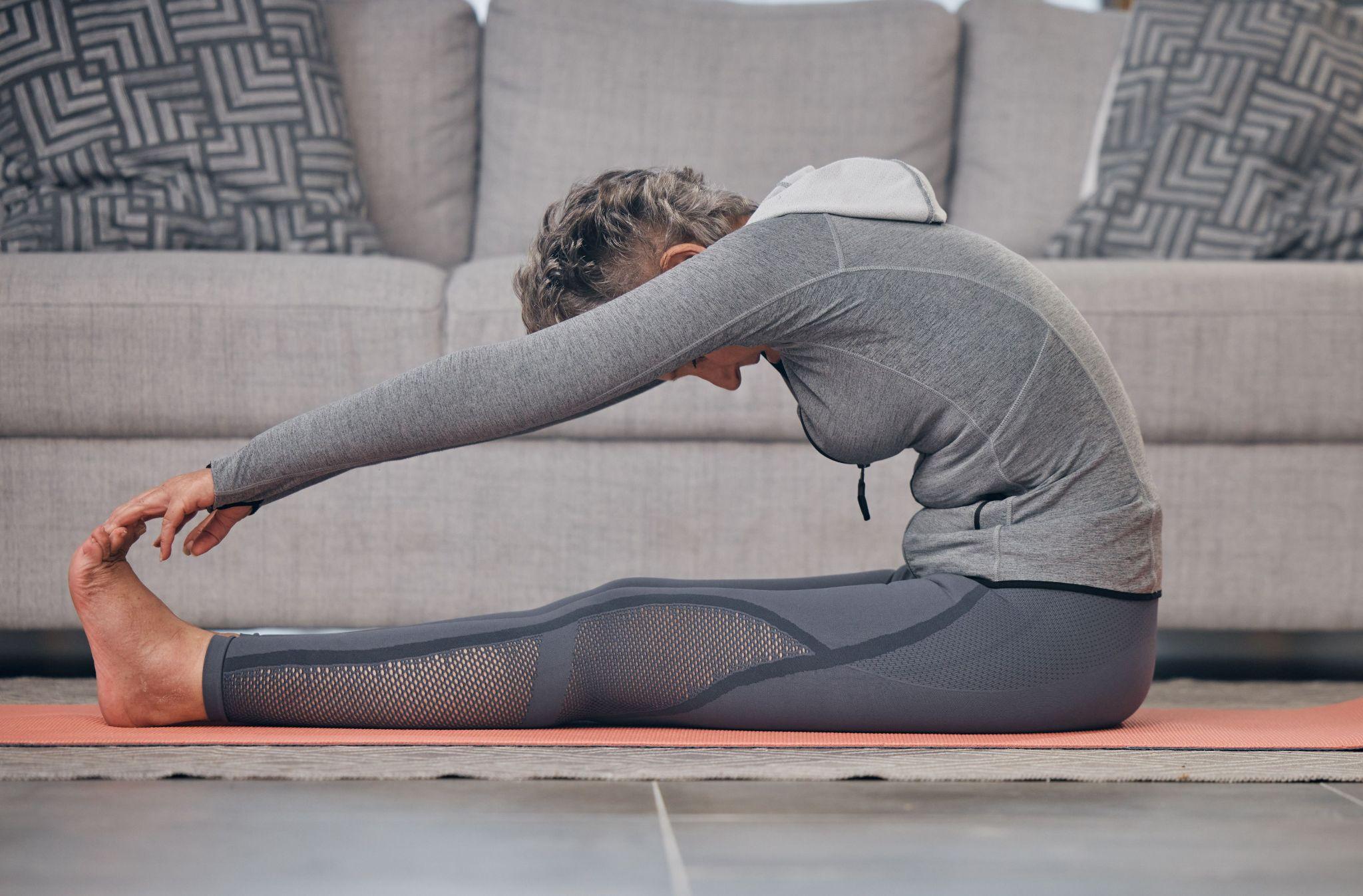
- Flexibility and stretching: daily
Rest days are essential for recovery and injury prevention.
Mental Benefits of Gym After 40
Fitness is not only physical. Regular gym workouts help in:
- Reduce stress and anxiety
- Improve sleep quality
- Boost confidence and energy levels
- Enhance overall quality of life
Staying active helps maintain mental sharpness and emotional well-being.

Middle aged man sleeping well after exercise in gym.
Fitness Guidance in Noida: Why Expert Advice Matters
Many people in Noida are increasingly focusing on fitness. But orthopedic injuries from gyms are also rising. This highlights the importance of expert medical guidance alongside fitness training.
An orthopedic approach ensures:
- Joint-friendly exercise selection
- Injury prevention
- Long-term sustainable fitness
Conclusion
The gym becomes a secure and valuable exercise option for people over 40 who know how to perform their workouts correctly. The focus should shift from aggressive workouts to balanced fitness, weight loss exercises, and orthopedic safety. Your body will guide you best when you follow its signals and use correct methods while obtaining professional guidance for your fitness needs.
Dr Ankur Singh, an experienced orthopedic specialist in Noida, helps patients maintain joint health while pursuing fitness and weight loss goals. People who have joint pain or intend to begin a gym program at 40 years should visit Dr Ankur Singh for customized orthopedic support and secure exercise recommendations.
Medical Disclaimer
The information provided on this website is for educational purposes only and should not be considered as medical advice. Please consult Dr. Ankur Singh or a qualified healthcare professional for personalized medical guidance.
Share this blog:
 Copy
Copy