ACL Tear Recovery Timeline: What to Expect Week by Week
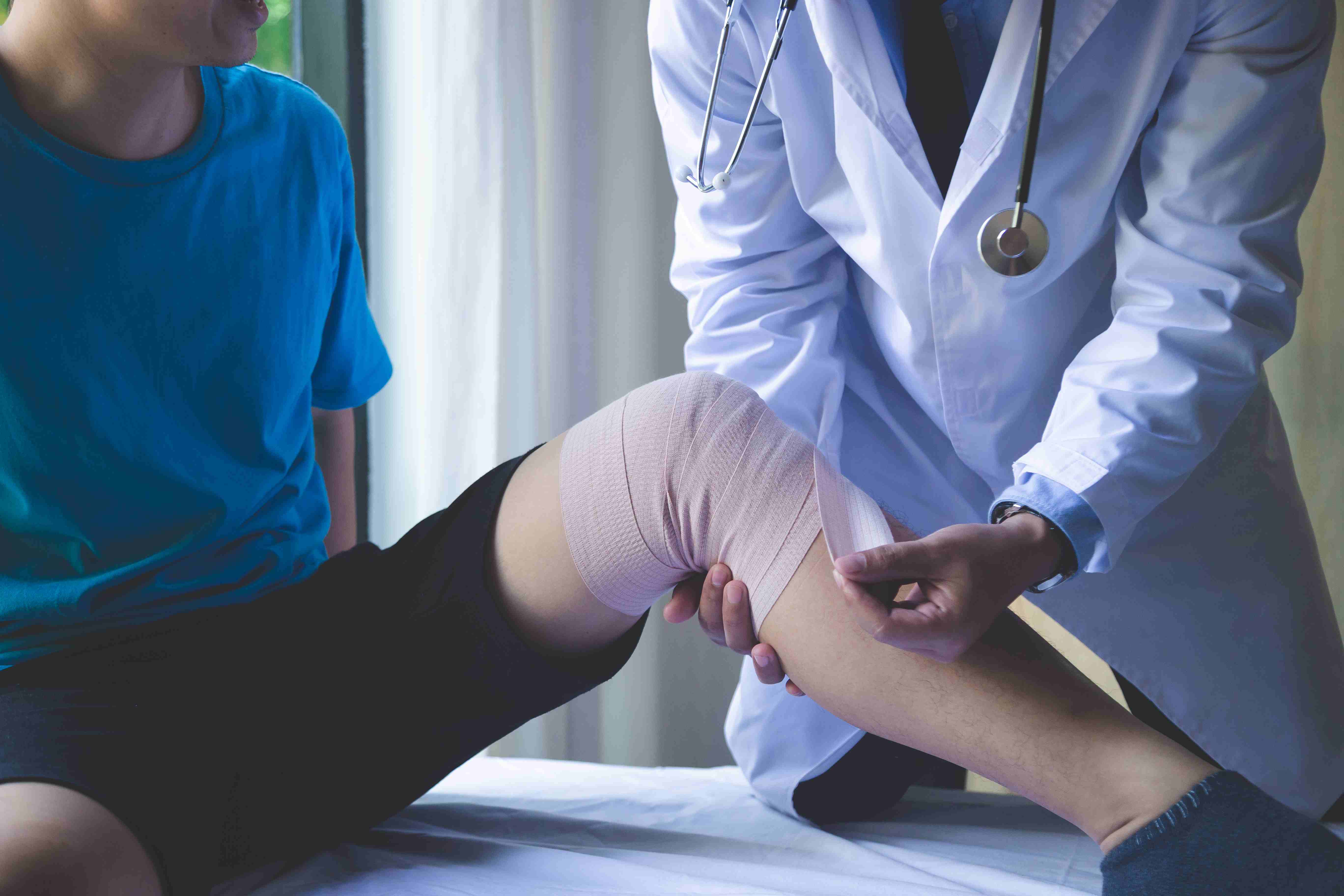
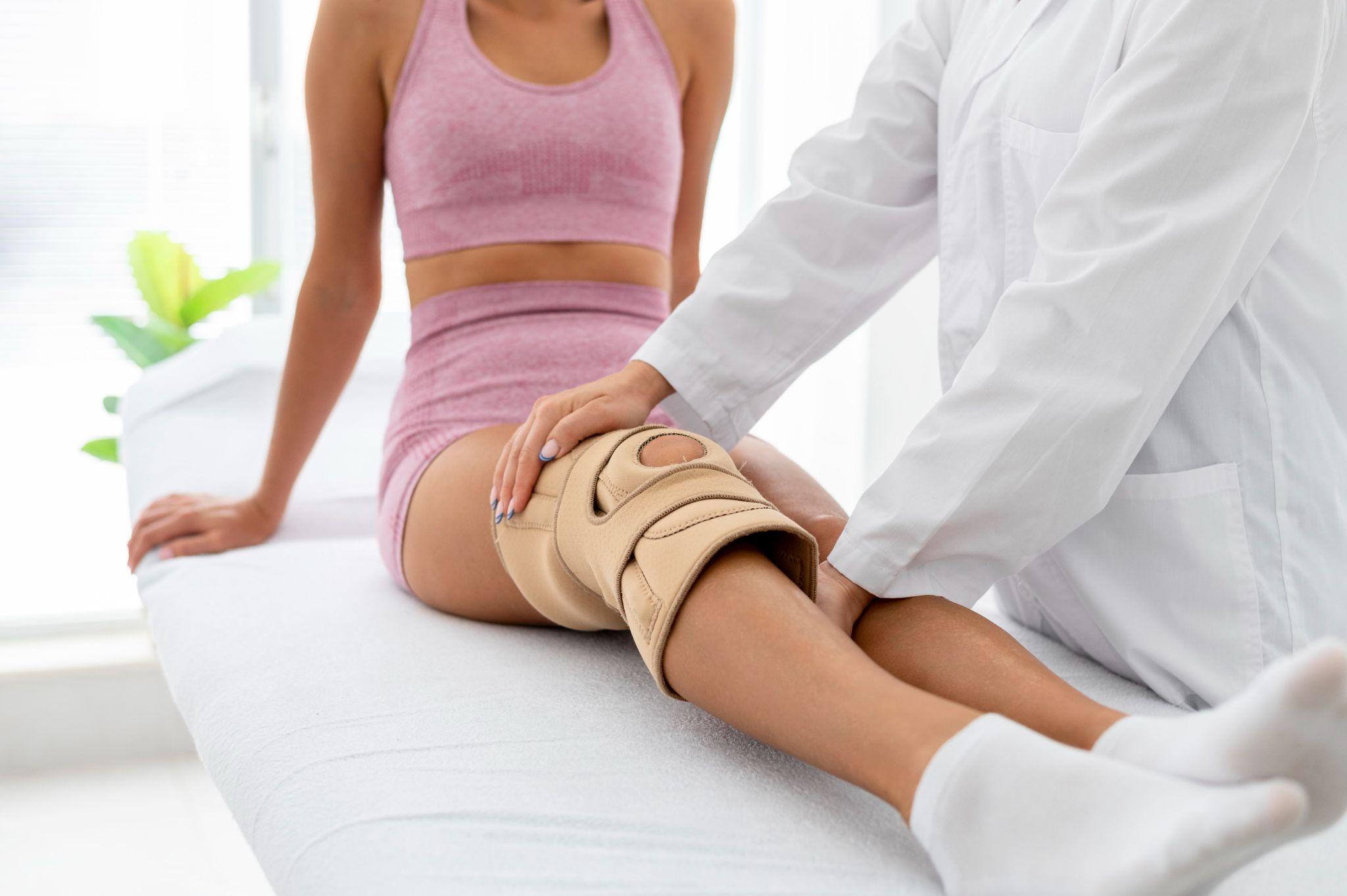
Doctor applying a bandage to a patient’s leg after ACL treatment.
An ACL tear is one of the most emotionally jarring sports injuries a person can experience. That sudden pop, the immediate swelling, the knee that feels like it belongs to someone else — it hits fast, and the anxiety about what comes next often hits just as hard.
The good news is that ACL injuries, even complete tears, are very treatable. Most patients who undergo ACL reconstruction and follow a structured rehabilitation plan return to their full activity level within nine to twelve months. But it does not happen overnight, and it does not happen without effort.
This guide walks you through the recovery timeline in honest, practical terms — week by week, phase by phase — so you know exactly what to expect.
Understanding an ACL Tear: A Quick Overview
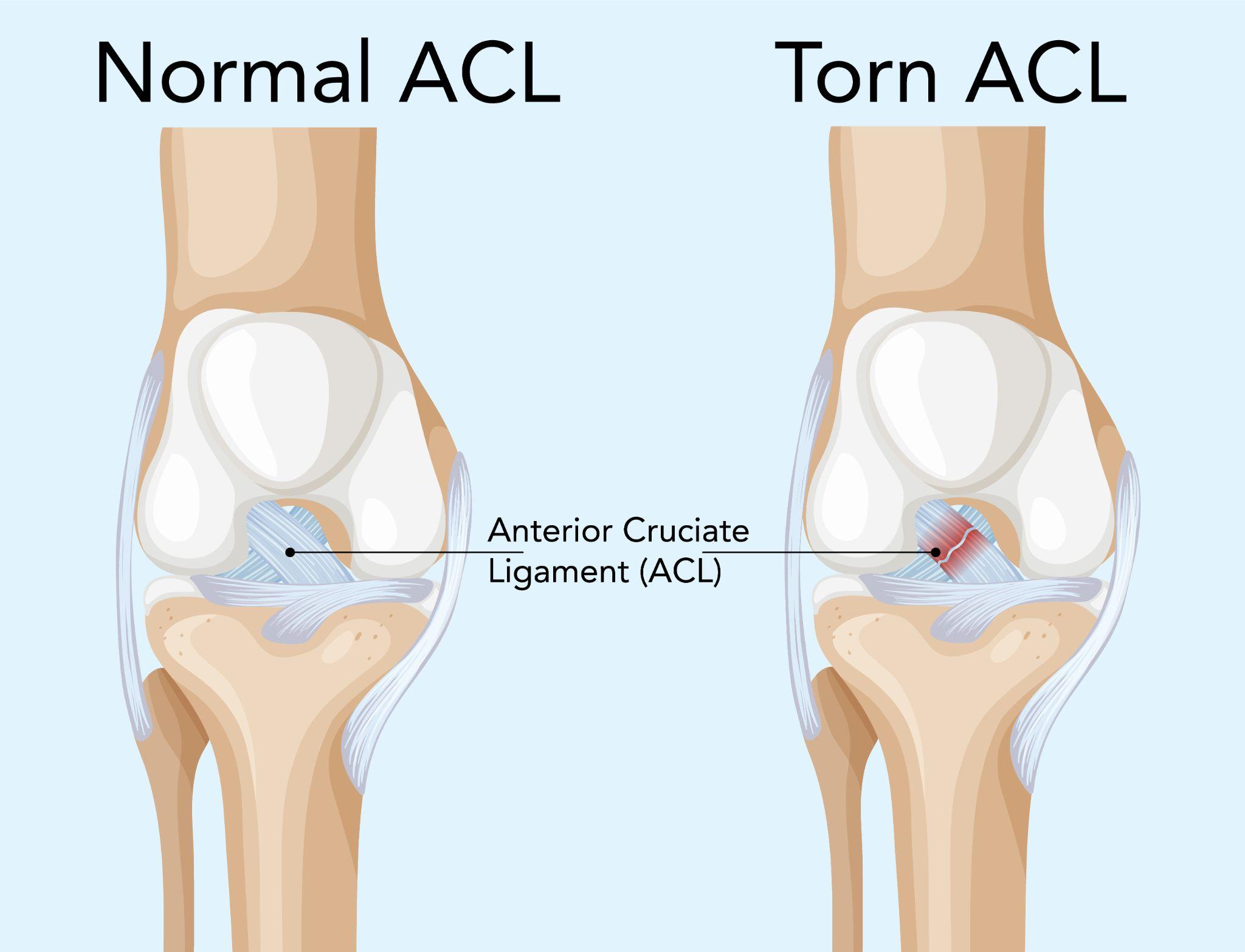
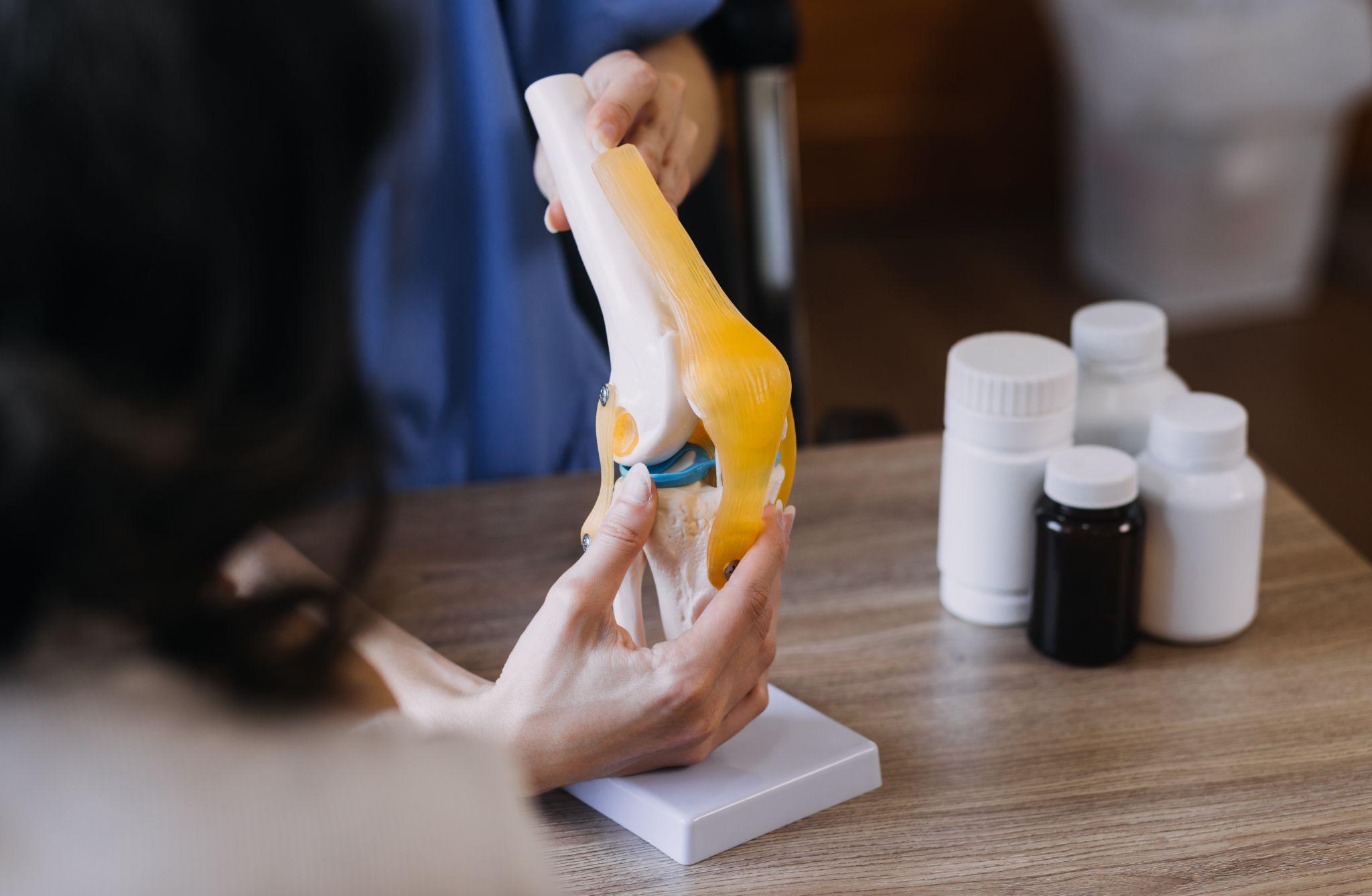
The anterior cruciate ligament (ACL) sits in the centre of your knee. It connects the thigh bone (femur) to the shinbone (tibia) and plays a primary role in controlling rotational stability. When the knee twists or bends beyond its natural range — during a sudden cut in football, an awkward landing in cricket, or a tackle in kabaddi — the ACL can stretch, partially tear, or rupture completely.
ACL tears are graded into three levels
Grade 1 — The ligament is stretched but not torn. Stability remains intact.
Grade 2 — A partial tear with some looseness in the joint.
Grade 3 — A complete rupture. This is what most people mean when they say they "tore their ACL."
Most Grade 3 tears in active individuals — especially those who want to return to sport — require surgical reconstruction. Non-surgical management with physiotherapy alone is considered in older or less active patients with Grade 1 or 2 injuries, or those with isolated tears and no desire to return to pivoting activities.
At Dr. Ankur Singh's clinic in Noida and Greater Noida, ACL reconstruction is performed arthroscopically — through small keyhole incisions — using a graft (usually taken from the patient's own patellar tendon or hamstring tendon) to rebuild the ligament. The procedure typically takes one to two hours, and patients go home the same day or the following morning.
Before Surgery: The Pre-Operative Phase
One thing many patients don't realise is that recovery starts before the operation.
Rushing into surgery immediately after injury — when the knee is still swollen and inflamed — often leads to worse outcomes, particularly post-operative stiffness. Most surgeons, including Dr. Ankur Singh, recommend a pre-operative "prehabilitation" phase of two to four weeks where patients focus on reducing swelling, regaining full knee extension, and building as much muscle strength as possible before surgery begins.
This pre-operative phase matters more than most patients expect. Research consistently shows that patients who walk into the operating room with full knee extension and reasonable quadriceps strength recover more smoothly than those who don't.
Week-by-Week Recovery Timeline After ACL Reconstruction
Weeks 1–2: Protection and Pain Management
The first two weeks are about one thing: protecting the new graft and managing pain and swelling.
You will leave the hospital with a knee brace and crutches. The graft, at this stage, is mechanically weakest — it has been harvested, tunnelled through the bone, and fixed in place, but it has not yet integrated with your body. This process, called "ligamentisation," takes months. During weeks one and two, the graft essentially goes through a phase of avascular necrosis (temporary reduction in blood supply) before revascularisation begins. It sounds alarming; it is actually a normal part of the healing process.

A nurse is helping a patient with a knee brace and a clutch with walking in a physiotherapy room.
Your physiotherapy will begin within the first day or two of surgery. Exercises at this stage are gentle: ankle pumps, straight leg raises, quad sets, and heel props to achieve full knee extension. The goal of achieving complete knee straightening is not optional — stiffness from lost extension is far harder to correct later than it is to prevent now.
Most patients in Noida and Greater Noida are able to bear partial weight with crutches by the end of the first week.
Weeks 3–6: Regaining Range of Motion
By week three, swelling has reduced significantly and physiotherapy becomes more active. The crutches often come off around weeks two to four, depending on your progress and your surgeon's protocol.
The focus in this phase shifts to regaining knee flexion (bending). The target is to reach 90 degrees of bend by week four and progress toward 120 degrees by week six. Physiotherapy includes stationary cycling (which is excellent for range of motion without loading the graft heavily), gentle strengthening exercises, and balance work.
Walking normally — without a limp — is a key milestone in this phase. A limp is not just aesthetically noticeable; it reflects muscle compensation patterns that, if left unaddressed, can slow down full functional recovery.
Weeks 6–12: Building Strength
This is when rehabilitation becomes more demanding. The graft has begun to integrate, swelling is largely gone, and the focus shifts decisively to muscle strength.
Quadriceps strength is particularly important. The quad muscle protects the graft during dynamic activities. Studies show that athletes who return to sport before reaching 90% quadriceps strength symmetry between the injured and uninjured leg are significantly more likely to re-tear their ACL. This is not a guideline to rush past.
Exercises in this phase include leg press, step-ups, mini-squats, Romanian deadlifts, and hip strengthening work. Balance and proprioception training — your knee's ability to sense its own position in space — also becomes a central focus. The nervous system, not just the muscle, needs to be retrained.
By the end of week twelve, most patients are walking normally, managing stairs with confidence, and feeling substantially better than they did a month ago. Many feel tempted to return to sport at this point. This is too early.
Months 4–6: Functional Training and Running
Running typically begins around months three to four — but only once specific strength and function criteria have been met, not based on a calendar date alone.
The progression is gradual: walking intervals, then light jogging, then sustained running, then cutting and change-of-direction drills. Each step should be pain-free and controlled before the next begins.
During this phase, sport-specific training is introduced. A cricketer will work on lateral movements and quick starts. A footballer will work on decelerating and pivoting safely. The goal is not just to run — it is to move the way your sport demands, with confidence and control.
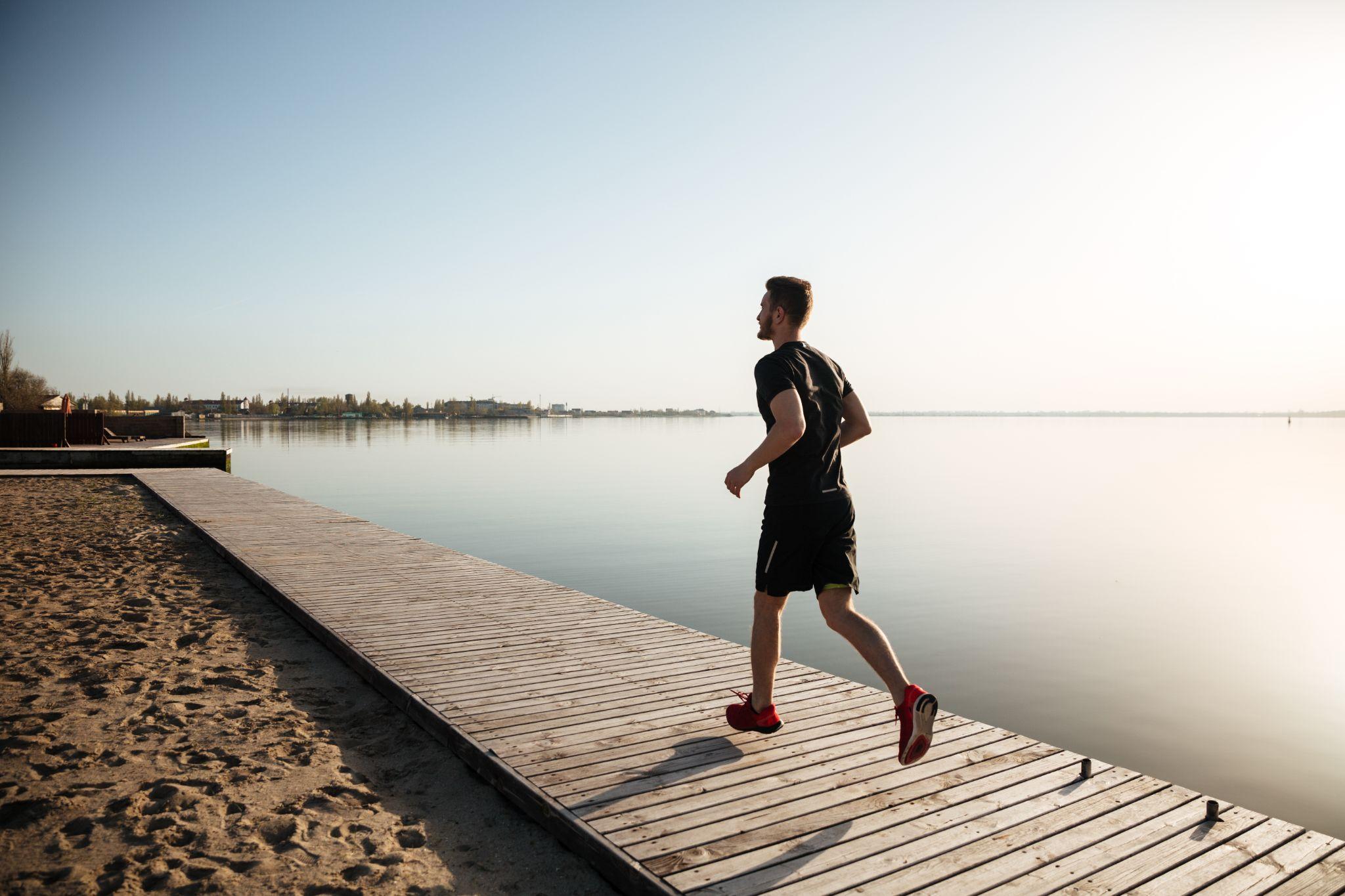
A man running.
Months 6–9: Return to Sport Preparation
The final phase before return to sport is also the most nuanced. It is not enough to feel ready. Readiness has to be demonstrated through objective testing.
Return-to-sport criteria at Dr. Ankur Singh's practice typically include quadriceps strength symmetry of at least 90%, hop test performance within 90% of the other leg, the ability to perform sport-specific movements without pain or instability, and psychological readiness.
Patients who skip these assessments and return based purely on how they feel run a significantly elevated risk of re-injury. Athletes who return before nine months post-surgery are considerably more likely to tear their ACL again than those who complete the full rehabilitation timeline.
9–12 Months: Return to Full Activity
By nine to twelve months, most patients who have followed their rehabilitation programme consistently have returned to their sport at or near their pre-injury level. Some — depending on the graft type, the sport, and the individual — take a little longer. That is not a failure. That is realism.
Factors That Affect ACL Recovery
1. Graft Type
The most common grafts used in India are the hamstring tendon (semitendinosus) and the patellar tendon. Patellar tendon grafts tend to integrate and mature slightly faster, making them popular for high-demand athletes. Hamstring grafts have slightly lower donor site morbidity. Your surgeon will discuss the best option based on your anatomy and activity goals.
2. Age and Physical Condition
Younger, physically active patients generally recover faster. But age is not destiny — a fit 45-year-old who commits to physiotherapy will often outperform a sedentary 25-year-old who does not.
3. Associated Injuries
ACL tears frequently occur alongside meniscus tears, cartilage damage, or other ligament injuries. When these are repaired simultaneously, recovery timelines often lengthen, particularly in the early weight-bearing phase.
ACL Treatment at Dr. Ankur Singh's Clinic in Noida
Dr. Ankur Singh is a specialist in ACL reconstruction and sports medicine, serving patients across Noida, Greater Noida, and the wider Delhi-NCR region. With over 15 years of surgical experience and fellowship training in arthroscopy and sports injuries, he offers both surgical reconstruction and non-surgical management depending on the patient's injury grade, lifestyle, and goals.
If you have experienced a knee injury with swelling, a popping sensation, or instability — particularly following a twist or sudden change of direction — an MRI and clinical assessment will confirm whether the ACL is involved and what the best treatment pathway looks like.
To book a consultation with Dr. Ankur Singh for ACL tear treatment in Noida or Greater Noida, call the number listed on this website.
Frequently Asked Questions About ACL Recovery
1. Can an ACL tear heal without surgery?
Grade 1 and some Grade 2 tears can be managed without surgery through physiotherapy and activity modification. Complete (Grade 3) tears in active individuals almost always require surgical reconstruction for full functional recovery.
2. How soon can I return to cricket or football after ACL surgery?
Most athletes return to competitive sport between nine and twelve months post-surgery, provided they have met all return-to-sport criteria. Rushing back earlier significantly increases re-injury risk.
3. Will my knee ever feel completely normal again?
Most patients who complete a full rehabilitation programme report excellent functional outcomes. The knee will not feel identical to the pre-injury state in the early months, but by nine to twelve months, most patients cannot distinguish their operated knee from the other.
4. Is ACL surgery available in Noida and Greater Noida?
Yes. Dr. Ankur Singh performs ACL reconstruction at KDSG Superspeciality Hospital in Greater Noida, making specialist sports injury care accessible to patients across the Delhi-NCR region without the need to travel to central Delhi.
Dr. Ankur Singh | Best Orthopedic Surgeon in Noida | ACL Reconstruction | Knee Arthroscopy | Sports Injury Specialist | KDSG Superspeciality Hospital, Greater Noida
Medical Disclaimer
The information provided on this website is for educational purposes only and should not be considered as medical advice. Please consult Dr. Ankur Singh or a qualified healthcare professional for personalized medical guidance.
Share this blog:
 Copy
Copy