Simple Home Modifications to Prevent Falls in Older Adults
==========================================================

Improve lighting throughout the home, using brighter bulbs, night-lights, and motion-sensor lights to reduce tripping in dim areas.
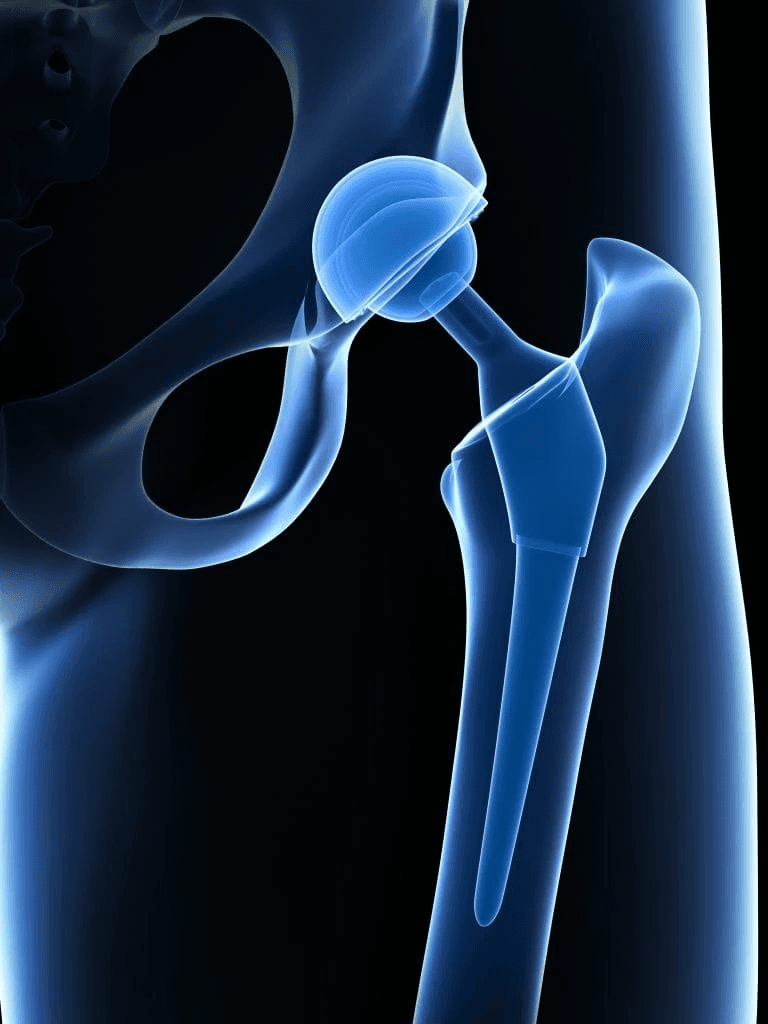
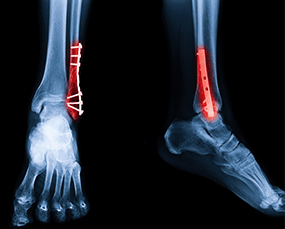
A hip fracture from a fall can change an older adult's life permanently. I've treated hundreds of fracture patients over 15 years, and a disturbingly large number of those injuries happened at home, not on uneven roads or slippery market floors, but in their own bathrooms, bedrooms, and kitchens. The fall itself often takes less than a second. The recovery can take months. And for many seniors, the consequences extend far beyond the physical injury.
Falls are the leading cause of injury-related hospitalization among adults over 65. Roughly one in three older adults experiences at least one fall each year, and among those who do fall, about 20% sustain a serious injury, hip fracture, head trauma, wrist fracture, or spinal compression fracture. Hip fractures are particularly devastating: approximately 30% of elderly hip fracture patients lose significant independence within a year, and the one-year mortality rate after a hip fracture in patients over 70 can be as high as 25–30%.
But most of these falls are preventable. And a large portion of the prevention comes down to modifying the home environment.
Why fall prevention matters for seniors
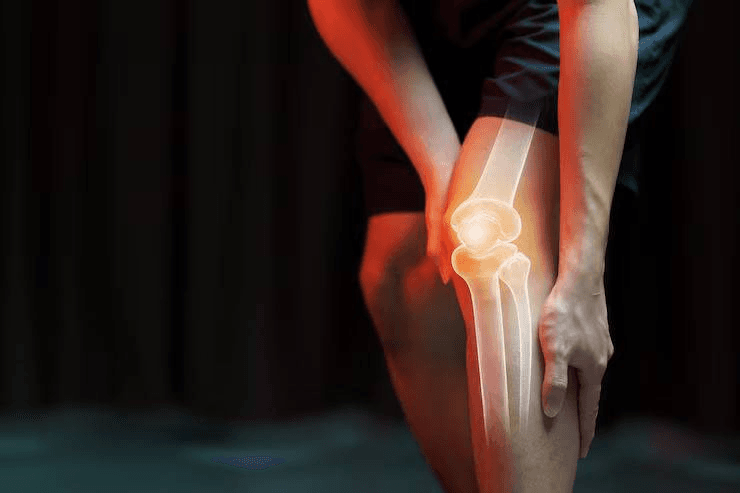
Beyond broken bones, falls carry serious secondary consequences. The fear of falling again — a well-documented psychological phenomenon, leads many seniors to restrict their own movement. They stop going for walks. They avoid stairs. They become less active. This reduced activity accelerates muscle wasting (sarcopenia), worsens balance, and stiffens joints, all of which increase the risk of another fall. It's a vicious cycle, and it begins with the first fall.
Falls also carry enormous financial burden. Emergency room visits, surgical fixation of fractures, post-operative physiotherapy, and months of assisted living or home care add up quickly. Investing a few thousand rupees in home safety modifications is far more cost-effective than treating a single hip fracture.
From an orthopedic perspective, I always tell families: fall prevention is fracture prevention. Every grab bar you install, every loose rug you remove, every dark hallway you light up — these aren't minor conveniences. They're injury prevention measures with real clinical impact.
Conducting a home fall risk assessment
Before making changes, walk through the home systematically and identify hazards. Do it slowly, room by room, at different times of day (lighting conditions change from morning to evening). Bring a notepad and check for:
- Cluttered walkways, furniture, shoes, bags, or decorative items blocking pathways
- Loose or bunched-up rugs and mats, one of the most common tripping hazards I hear about from fracture patients
- Slippery floors — polished marble, wet tiles, freshly mopped surfaces without warning
- Poor lighting, dim hallways, unlit staircases, dark bathrooms at night
- Uneven or damaged flooring, cracked tiles, raised thresholds, transition strips between rooms
- Lack of support structures — no handrails on stairs, no grab bars in bathrooms
If possible, involve an occupational therapist in this assessment. They're trained to spot hazards that family members often overlook, things like the height of the bed relative to the patient's knee, or whether the toilet seat is too low for safe transfers.
Repeat this assessment every 6–12 months. As mobility, vision, or cognitive function changes with age, new hazards may emerge.

Remove loose rugs or secure them with anti-skid backing to prevent slipping or catching a foot while walking.
Modifications for the living room
The living room is where most waking hours are spent, making it a high-exposure area for falls.
- Clear wide pathways, remove excess furniture, side tables, and decorative items that narrow walking routes. A minimum clearance of 3 feet (about 90 cm) between furniture pieces allows safe navigation, including for walkers and canes
- Secure or remove rugs — either fix rugs to the floor with double-sided tape or anti-skid backing, or remove them entirely. Curled rug edges are a serious tripping hazard
- Choose stable seating, chairs and sofas should have firm cushions and armrests. Avoid deep, soft couches that are difficult to get up from. A seat height of approximately 45–50 cm makes sitting and standing much easier for older adults
- Manage cords and cables, tape electrical cords to walls or use cord covers. A charging cable stretched across a walkway is a fall waiting to happen
- Improve lighting — ensure all entrances, seating areas, and pathways are well-lit. A single overhead light often isn't sufficient; add table lamps or floor lamps to eliminate dark spots
Improving kitchen safety
The kitchen combines multiple fall risk factors: water on the floor, oil splatter, reaching overhead, bending to access low cabinets, and often, hard tile or stone flooring with no give on impact.
- Reorganize storage, place frequently used items (plates, glasses, spices, cooking pots) on countertop level or on lower shelves between waist and shoulder height. Eliminate the need to stretch overhead or bend low
- Use anti-slip mats, place them in front of the sink, stove, and refrigerator where water or oil spills are most likely. Make sure the mats themselves have non-skid backing
- Clean spills immediately — keep a dry mop or absorbent mat nearby. Oil spills on tile flooring are extremely dangerous
- Install under-cabinet lighting, proper task lighting reduces the chance of misjudging distances or missing spills
- Use stable step stools, for items that must be stored high, use a step stool with a handrail and wide, non-slip treads. Never use chairs, countertops, or stacked items as makeshift steps
- Keep the floor clear — no bags, no stacked containers, no electrical cords stretching across the floor

Keep walkways clutter-free, ensuring cords, shoes, and small furniture are not blocking paths.
Bathroom safety modifications
The bathroom is statistically the most dangerous room in the house for older adults. Wet surfaces, small enclosed spaces, and the physical demands of sitting down and standing up from the toilet or stepping in and out of a tub create a perfect storm for falls.
- Install grab bars, stainless steel grab bars should be wall-mounted (screwed into studs, not just tiles) next to the toilet, inside the shower, and alongside the bathtub. Position them at a height that allows the user to grip comfortably while sitting and standing. Suction-cup grab bars are unreliable and not recommended for primary support
- Use non-slip mats, place textured, rubber-backed mats both inside the shower/tub and on the floor outside. Replace them when they start to curl or lose their grip
- Raise the toilet seat — a raised toilet seat (adding 3–4 inches of height) with built-in armrests significantly reduces the effort needed to sit down and stand up. This is especially helpful for patients with knee arthritis or those recovering from hip surgery
- Install a handheld showerhead, allows bathing while seated, reducing the need to stand on wet surfaces and reach overhead
- Consider a walk-in shower, if you're renovating, replace a traditional bathtub with a level-entry or low-threshold walk-in shower. Stepping over a high tub wall is one of the most common fall scenarios I see in my practice
- Add a shower seat or bench — a wall-mounted fold-down seat or a sturdy freestanding shower chair provides a safe seating option during bathing
- Ensure good ventilation, excessive moisture makes floors slippery and walls damp. Use an exhaust fan and wipe down surfaces after bathing
Modifying bedroom safety
Nighttime trips to the bathroom are a high-risk moment. The combination of drowsiness, darkness, and urgency creates ideal conditions for a fall.
- Keep a clear path from bed to bathroom, no shoes, no clothes on the floor, no furniture edges jutting into the walkway. Walk the route yourself in the dark to identify obstacles
- Install motion-sensor night lights — place them along the path from bed to bathroom and inside the bathroom itself. They activate automatically when movement is detected, providing enough light to navigate safely without the jarring effect of a bright overhead light
- Set the right bed height, when seated on the edge of the bed, the person's feet should rest flat on the floor with knees at roughly 90 degrees. Too high, and the drop to the floor is risky. Too low, and getting up requires excessive effort. Adjustable bed risers can fine-tune this
- Keep a phone within reach, a mobile phone or medical alert device on the nightstand ensures help can be summoned quickly after a fall
- Remove loose rugs — especially small bedside rugs that can slide on hardwood or tile when stepped on
- Avoid clutter on the bedside table, water glasses, medications, and the phone. That's it. Extra items end up on the floor and become hazards

Add non-slip mats in bathrooms and kitchens, as wet floors are one of the most common causes of senior falls.
Stairway and hallway safety
Falls on stairs are among the most injurious. The momentum and impact forces involved in a stairway fall frequently result in fractures of the hip, wrist, or spine, and head injuries.
- Install handrails on both sides, this is non-negotiable. Handrails should be continuous, firmly anchored, and easy to grip (round profile, 1.25–1.5 inches in diameter). They should extend slightly beyond the top and bottom steps
- Add non-slip treads — adhesive non-slip strips or rubber treads on each step significantly improve traction, especially on polished stone or wooden staircases
- Mark step edges, contrasting colored tape or paint on the nose of each step helps seniors with declining vision distinguish where one step ends and another begins
- Light every staircase fully, install light switches at both the top and bottom of every staircase. Motion-sensor lights work well here too. No staircase in the house should ever be dark
- Keep stairs completely clear — no shoes, bags, laundry, or decorative items on any step
- Consider single-floor living, for seniors with significant mobility limitations, moving the bedroom, bathroom, and kitchen to the ground floor eliminates stair use entirely. Stairlifts are another option when relocation isn't feasible
Lighting, The most underrated safety measure
Poor lighting is a factor in a strikingly large percentage of home falls, yet it's one of the easiest problems to fix.
- Use bright, glare-free LED bulbs — aim for 300–500 lumens in hallways and 700+ lumens in kitchens, bathrooms, and stairways. Warm white (3000K) is easier on aging eyes than cool white
- Install motion-sensor lights in hallways, bathrooms, and at the top and bottom of stairs. They're inexpensive, easy to install, and eliminate the need to fumble for switches in the dark
- Place light switches at both ends of every hallway and staircase. Two-way switches are a simple electrical upgrade
- Use easy-reach lamps near beds and favorite sitting chairs. Touch-activated or voice-controlled lamps are ideal for seniors with limited hand dexterity
- Eliminate shadows, shadows create the illusion of steps or changes in floor level. Use multiple light sources to provide even, consistent illumination throughout each room
Assistive devices and technology
Modern assistive devices have become more accessible and affordable.
- Walking aids, properly fitted walkers, canes, and rollators improve stability. Have a physiotherapist assess which device is appropriate and adjust it to the correct height. An improperly sized cane can cause more falls than it prevents
- Medical alert systems — wearable devices (pendant or wristband) that allow seniors to call for help with the press of a button. Some newer systems include automatic fall detection
- Smart home features, voice-activated lights (via smart bulbs and assistants like Alexa or Google Home) let seniors control lighting without getting up or walking to a switch
- Sensor-based monitoring, motion sensors placed in key areas can alert family members or caregivers to unusual patterns (e.g., no movement from the bedroom past a certain hour)
The orthopedic perspective: what I tell every family
Fall prevention and fracture prevention are the same thing. I've operated on too many hip fractures that started with a loose rug or a dark hallway. These modifications aren't luxuries — they're medical interventions in their own right.
Start with the bathroom and the pathway from bed to bathroom. These two areas account for a disproportionate share of fall-related fractures in the patients I treat. Once those are secure, work through the rest of the home room by room.
And don't stop at home modifications alone. Regular strength and balance exercises, even simple ones like tandem stance, single-leg standing, and seated leg raises, reduce fall risk by 20–30% in clinical studies. If your loved one has had a fall already, a formal physiotherapy assessment is strongly advisable.
If an elderly family member has experienced a fall or seems unsteady on their feet, I'd recommend getting a comprehensive orthopedic evaluation. At my practice at KDSG Hospital, Noida, we assess bone health, gait stability, and fall risk, and can guide both treatment and prevention strategies tailored to each patient.
Frequently asked questions
What are the most common causes of falls in seniors at home?
The top causes are loose rugs, cluttered walkways, wet or slippery floors (especially in bathrooms), poor lighting, and the absence of support structures like grab bars and handrails. Medical factors — dizziness from blood pressure medications, poor vision, weak leg muscles, and conditions like peripheral neuropathy, also contribute significantly.
How can lighting help prevent falls?
Adequate lighting allows seniors to see obstacles, changes in floor level, and surface conditions clearly. Motion-sensor lights in hallways and bathrooms are particularly effective because they activate automatically during nighttime trips, eliminating the need to walk in the dark.
Which room of the house is the most dangerous for seniors?
The bathroom, by a wide margin. Wet, slippery surfaces combined with the physical demands of getting on and off the toilet and in and out of the shower make it the most common site for fall-related injuries in older adults.
What flooring is best for elderly safety?
Non-slip vinyl, textured ceramic tiles, cork, and low-pile carpet with firm backing provide the best traction and stability. Avoid polished marble, glossy tiles, and hardwood floors that become slippery when wet or waxed. If existing flooring can't be replaced, anti-slip mats and non-skid floor treatments are practical alternatives.
When should a family consider professional fall risk assessment?
After any fall (even one that didn't cause injury), after a new diagnosis affecting balance or mobility (stroke, Parkinson's, neuropathy), when a senior starts using a walking aid for the first time, or when family members notice unsteadiness, stumbling, or reluctance to move around the house.
Medical Disclaimer
The information provided on this website is for educational purposes only and should not be considered as medical advice. Please consult Dr. Ankur Singh or a qualified healthcare professional for personalized medical guidance.
Share this blog:
 Copy
Copy


/9.jpg)

