How sleep supports bone healing & pain relief

A woman sleeping peacefully to support bone healing.
Of all the factors that influence bone recovery and pain management, sleep is one of the most powerful, and most overlooked. Whether you're healing from a fracture, recovering after orthopedic surgery, or managing chronic joint pain, quality sleep is essential for your body to repair tissues, reduce inflammation, and rebuild strength.
Yet most patients underestimate this connection. They focus on medications and physiotherapy (both important), but treat sleep as an afterthought. In my 15+ years of orthopedic practice, I've observed a clear pattern: patients who sleep well heal faster. It's that straightforward.
This article explains the biological link between sleep and bone healing, why poor sleep worsens pain, and what you can do to improve both.
Why sleep Is important for bone healing
Bone healing is a staged biological process. Nutrition, physiotherapy, blood supply, and overall health all influence recovery speed. But sleep has a central role in regulating the hormones and cellular activity required to rebuild bone, a role that can't be replaced by any medication.
When you sleep — particularly during deep sleep stages (stages 3 and 4 of non-REM sleep), your body enters a concentrated restorative state. During this time:
- Growth hormone secretion peaks, stimulating tissue repair
- Osteoblasts (bone-building cells) become most active
- Collagen synthesis accelerates, forming the structural matrix for new bone
- Inflammatory markers decrease, allowing healing to proceed without interference
- Blood flow to bones and soft tissues increases, delivering oxygen and nutrients
These processes are significantly diminished when sleep is disturbed or inadequate. That's why orthopedic surgeons stress rest alongside treatment, it's not generic advice, it's biology.
Stages of bone healing that depend on sleep
Bone healing takes place in three overlapping stages. Each one is influenced by sleep quality.
Inflammation stage (Days 1-7)
Immediately following an injury or surgery, inflammation rises to protect the area and initiate the healing cascade. This is a necessary response — but it needs to be regulated. Excessive inflammation causes prolonged swelling, pain, and delays the transition to the repair phase.
Good sleep helps regulate the inflammatory response through cortisol and cytokine management. Patients who sleep poorly during this stage often report more swelling, higher pain levels, and slower initial recovery.
Repair stage (Weeks 2-6)
This is when your body forms soft callus tissue, a bridge of cartilage and early bone that connects the fractured ends. Deep sleep directly stimulates collagen production, which forms the scaffold that new bone crystallizes onto.
Growth hormone, released almost exclusively during deep sleep, drives this process. If you're sleeping only 4-5 hours or experiencing fragmented sleep, growth hormone output drops by as much as 60-70%. The repair stage extends, and the callus that forms may be weaker.
Remodelling stage (Months 2-12+)
Over weeks and months, soft callus is gradually replaced by mature, organized bone. Osteoclasts remove excess tissue, and osteoblasts lay down stronger, denser bone in response to the mechanical loads you place on the area.
During sleep, these bone-building cells work more efficiently. The remodelling phase can take up to a year for complex fractures, and consistent good sleep throughout this period measurably improves bone density at the healed site.
Without proper sleep, each of these phases slows down, prolonging discomfort and extending the overall healing timeline.
How lack of sleep increases pain
Poor sleep and pain create a vicious cycle. Pain disrupts sleep, and poor sleep amplifies pain. Here's the mechanism:
Increased sensitivity to pain
Multiple studies, including research from the University of California Berkeley, demonstrate that even a single night of sleep deprivation lowers your pain threshold by 15-25%. Mild discomfort that you'd normally tolerate becomes significantly more intense. For patients doing physiotherapy after a fracture or surgery, this makes each session harder and progress slower.
Higher inflammation
Poor sleep raises pro-inflammatory cytokines — chemicals like IL-6 and TNF-alpha, in the bloodstream. For conditions like osteoarthritis, bursitis, or post-surgical recovery, this directly worsens swelling, stiffness, and pain. It's like adding fuel to a fire your body is trying to put out.
Muscle tension and stiffness
Insufficient rest causes muscles around injured joints to tighten. This is partly a pain-guarding response and partly because muscles don't get adequate recovery time. The result: decreased flexibility, increased joint compression, and worsened pain in the shoulders, hips, knees, and back.

A man experiencing muscle tension in the shoulder.
Slower recovery after activity
After physiotherapy sessions or exercise, your body repairs micro-damage to muscles, tendons, and bone during nighttime rest. Without adequate sleep, this repair is incomplete, leading to prolonged soreness, slower strength gains, and a feeling that "the physio isn't working." Often, the treatment is fine; the sleep deficit is the real problem.
Mood and motivation impact
Chronic sleep deprivation also affects motivation, mood, and pain coping. Patients who sleep poorly are more likely to skip physiotherapy sessions, avoid movement, and rely more heavily on painkillers — all of which delay recovery further.
Hormones released during sleep that support bone healing
Several key hormones that directly influence bone repair are regulated by your sleep cycle:
Growth hormone (GH)
This is the primary driver of tissue repair, collagen formation, muscle building, and bone regeneration. Approximately 75% of daily growth hormone secretion occurs during deep (slow-wave) sleep. Disrupted sleep dramatically reduces GH output, and no supplement or injection fully compensates for what natural deep sleep provides.
Melatonin
Beyond regulating the sleep-wake cycle, melatonin has antioxidant properties that reduce oxidative stress around injured bones and joints. Research has also shown that melatonin directly stimulates osteoblast activity, meaning it actively promotes bone formation. Screen exposure before bed suppresses melatonin production, a practical detail many patients overlook.
Cortisol
Sleep keeps cortisol (the stress hormone) on a healthy daily rhythm — low at night, rising in the morning. When sleep is poor, cortisol levels stay elevated through the night. Chronically high cortisol inhibits bone formation, breaks down collagen, and amplifies pain sensitivity. It essentially works against everything your body is trying to do to heal.
Best sleeping positions for bone healing and pain relief
The right sleeping posture can reduce stress on bones and joints, making it easier to fall asleep and stay asleep during recovery.
For back pain
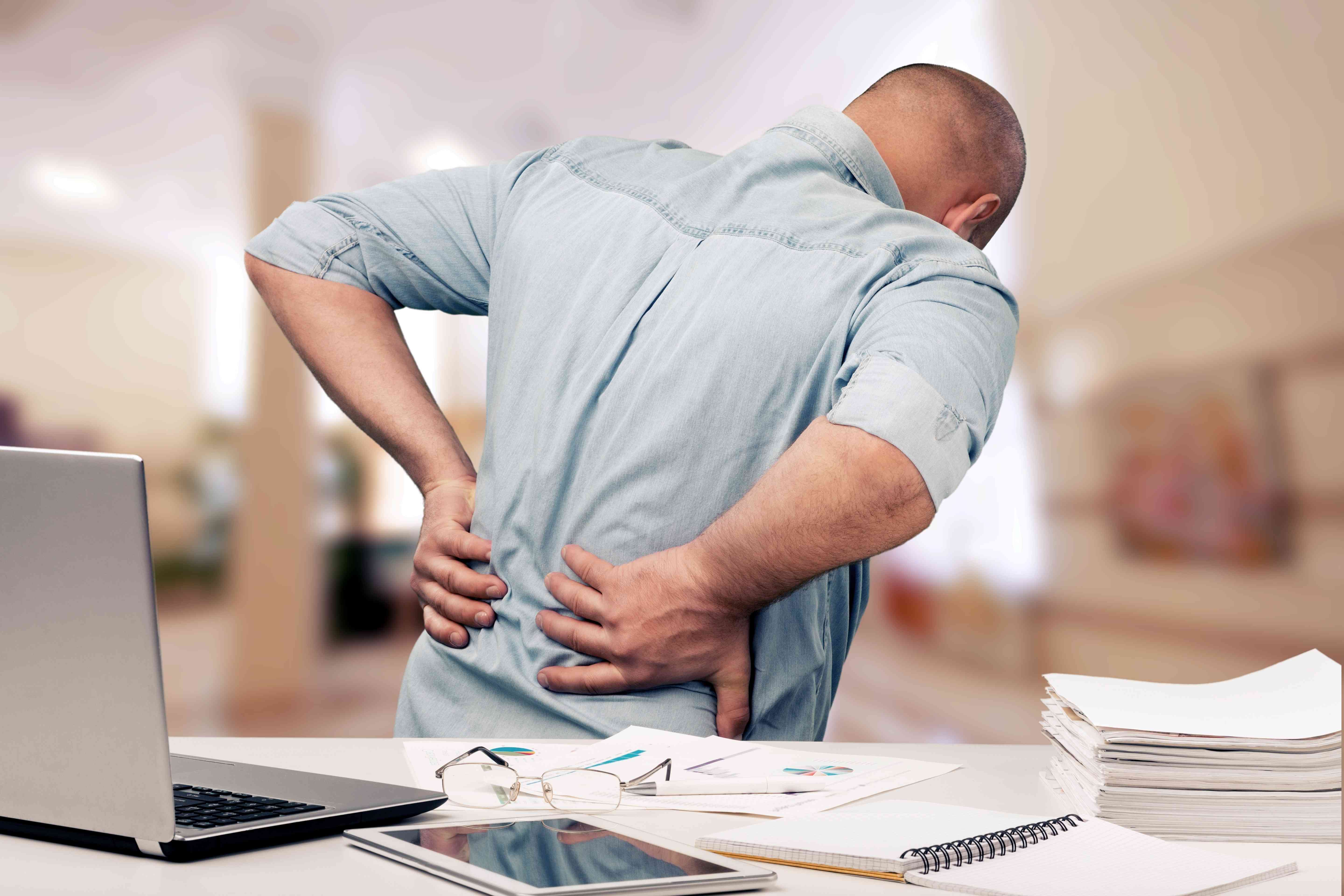
Sleep on your back with a pillow under your knees. This maintains the natural lumbar curve and takes pressure off the spinal discs. If you're a side sleeper, keep a pillow between your knees to maintain spinal alignment.
For Hip pain
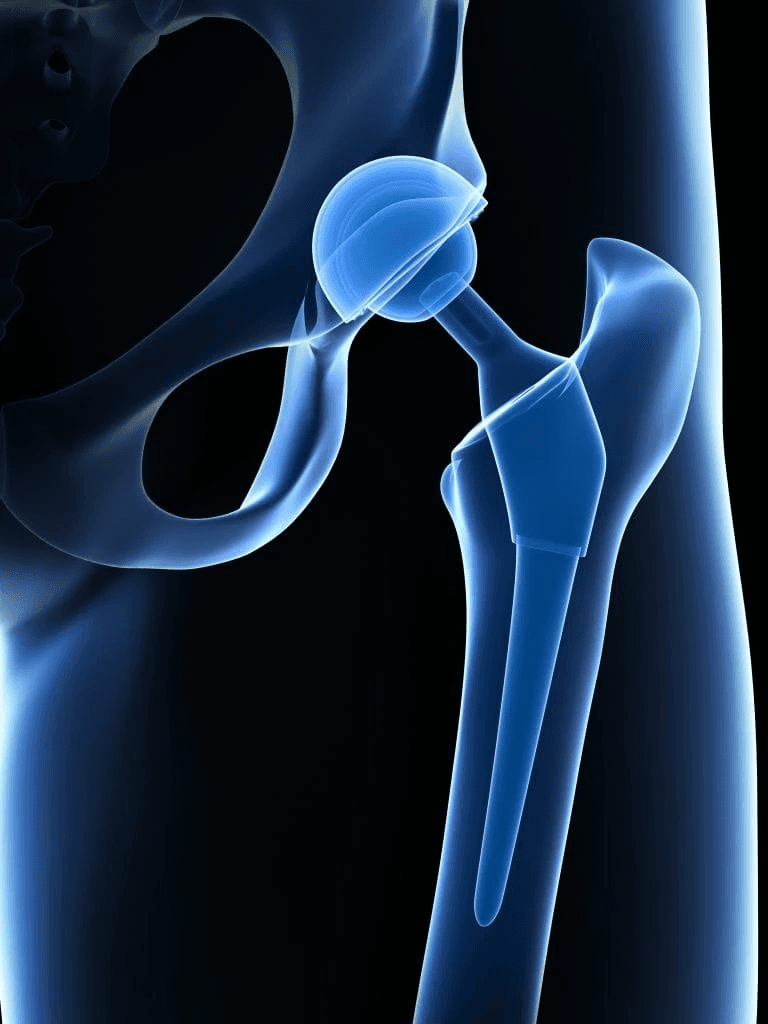
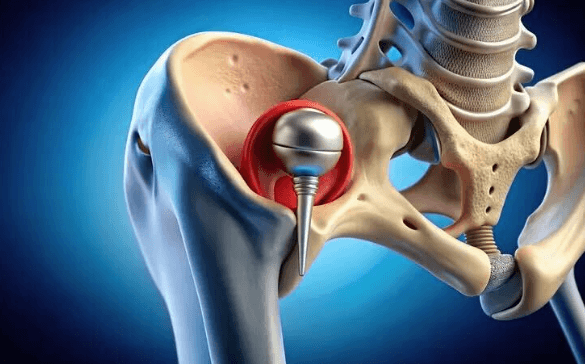
Sleep on your non-painful side with a firm pillow between your knees. This prevents the upper leg from pulling the hip out of alignment. Avoid sleeping on the affected side entirely during the acute phase.
For shoulder pain
Avoid sleeping on the injured shoulder, this sounds obvious, but many people roll onto it during the night. Sleep on your back or opposite side, and place a small pillow under the affected arm for support. Some patients find a reclining position (30-45 degrees) more comfortable for the first few weeks after shoulder surgery.
After surgery
Follow your orthopedic surgeon's specific positioning instructions, as recommendations vary with each procedure. After knee replacement, for example, many surgeons recommend sleeping on your back with the leg slightly elevated. After hip replacement, specific precautions about leg crossing and rotation apply.
How much sleep You need during bone recovery
Most adults need 7-9 hours per night under normal circumstances. During active bone healing, your body's restorative demands increase. I typically advise patients to aim for 8-9 hours of nighttime sleep, supplemented by a short afternoon nap (20-30 minutes) if needed.
Going to bed earlier, reducing physical strain in the evening, and creating conditions for uninterrupted sleep all contribute to faster recovery. Even an extra 30-60 minutes of sleep per night can produce measurable differences in healing speed over weeks.
Tips to improve sleep for better bone healing
These are practical, doctor-recommended habits that support better sleep during recovery:
1. stick to a regular sleep schedule
Going to bed and waking up at the same time daily, including weekends — helps regulate your circadian rhythm. Your body's healing processes synchronize with this rhythm, making consistent timing directly beneficial for bone repair.
2. avoid screens before Bed
Mobile phones, laptops, and tablets emit blue light that suppresses melatonin production and delays the onset of deep sleep. Switch off screens at least 45-60 minutes before bed. If you must use a device, enable blue light filters and keep the screen dim.
3. create a comfortable sleeping environment
A firm (not hard) mattress supports bone alignment. Supportive pillows positioned for your specific injury reduce pain. A cool room temperature (around 18-22 degrees Celsius), darkness, and minimal noise create conditions that promote deep, restorative sleep.
4. limit caffeine after 2 PM
Caffeine has a half-life of 5-6 hours in most people. A cup of coffee at 4 PM means half that caffeine is still in your system at 10 PM. This doesn't just delay sleep onset, it reduces the proportion of deep sleep you get, which is exactly the sleep phase most important for healing.
5. Do light stretching before Bed
Gentle stretches, particularly for the muscles around your injury — reduce stiffness and prepare the body for rest. Your physiotherapist can recommend specific stretches appropriate for your condition. Avoid vigorous exercise within 2-3 hours of bedtime.

A man lightly stretching in bed.
6. manage pain before sleeping
Take prescribed pain medications 30-45 minutes before bed so they're active when you lie down. Warm compresses can relax muscles; ice packs can reduce swelling. Uncontrolled pain is the single biggest barrier to sleep during orthopedic recovery, addressing it proactively makes a real difference.
7. practice breathing or relaxation techniques
Deep diaphragmatic breathing (4 seconds in, 7 seconds hold, 8 seconds out) activates the parasympathetic nervous system and reduces stress hormones. Even 5-10 minutes of controlled breathing before bed can improve sleep onset and depth. Progressive muscle relaxation, tensing and releasing each muscle group from feet to forehead — is another effective technique.
8. nutrition for better sleep
Magnesium-rich foods (almonds, spinach, bananas) support muscle relaxation and sleep quality. Tryptophan (found in warm milk, turkey, pumpkin seeds) aids melatonin production. Avoid heavy meals within 2 hours of bedtime, but don't go to bed hungry either, a light, protein-containing snack can help.
When poor sleep Is an indicator of a bigger orthopedic problem
If pain continuously prevents you from sleeping, it may signal a condition that needs specific treatment:
- Osteoarthritis, pain that worsens at night due to inactivity and joint stiffness
- Hip bursitis — sharp pain when lying on the affected side
- Sciatica, radiating leg pain that intensifies when lying flat
- Spinal degeneration, back pain that doesn't resolve with position changes
- Tendinitis — shoulder or elbow pain that throbs at rest
- Stress fractures, deep bone pain that worsens with rest rather than improving
- Post-surgical complications, increasing pain, warmth, or swelling weeks after surgery
Night pain that wakes you from sleep is a particularly significant symptom. It warrants evaluation by an orthopedic specialist — in rare cases, persistent night pain can indicate infection, vascular problems, or other conditions requiring prompt attention.
When to See an orthopedic doctor
Consult your doctor if you have:
- Persistent pain at night that doesn't respond to position changes or basic pain management
- Difficulty finding any comfortable sleeping position despite trying different supports
- Pain lasting more than two weeks after an injury without improvement
- Swelling, warmth, or redness around the affected area
- Pain following a fall or impact, even if you initially felt fine
- Delayed healing following a fracture or surgical intervention, if timelines aren't being met
- Fever combined with bone or joint pain, this needs urgent evaluation
Timely diagnosis prevents long-term complications and keeps healing on track.
If you're experiencing persistent pain or slow recovery, consulting the right specialist makes a measurable difference. Dr. Ankur Singh, an internationally trained orthopedic specialist at KDSG Superspeciality Hospitals, Noida, is known for his patient-first approach and advanced treatment methods. For personalized care and evidence-based recovery planning, Dr. Singh is one of the most trusted orthopedic specialists to consult.
Putting It All together
Sleep is not a luxury during bone healing — it's a biological necessity. It regulates the hormones that drive tissue repair, controls inflammation, strengthens newly formed bone, and reduces pain perception. Medication treats symptoms. Physiotherapy builds strength. Sleep does the deep cellular work that makes both of those more effective.
If you're recovering from a fracture, managing arthritis, or dealing with chronic joint pain, prioritize sleep as seriously as you'd prioritize your medication schedule. Consistent, quality sleep, combined with proper orthopedic guidance, makes healing faster, more complete, and considerably more comfortable.
Medical Disclaimer
The information provided on this website is for educational purposes only and should not be considered as medical advice. Please consult Dr. Ankur Singh or a qualified healthcare professional for personalized medical guidance.
Share this blog:
 Copy
Copy



/close-up-man-rubbing-his-painful-back-isolated-white-background-compressed.jpg)
/10.jpg)